Diwali Maths Worksheets
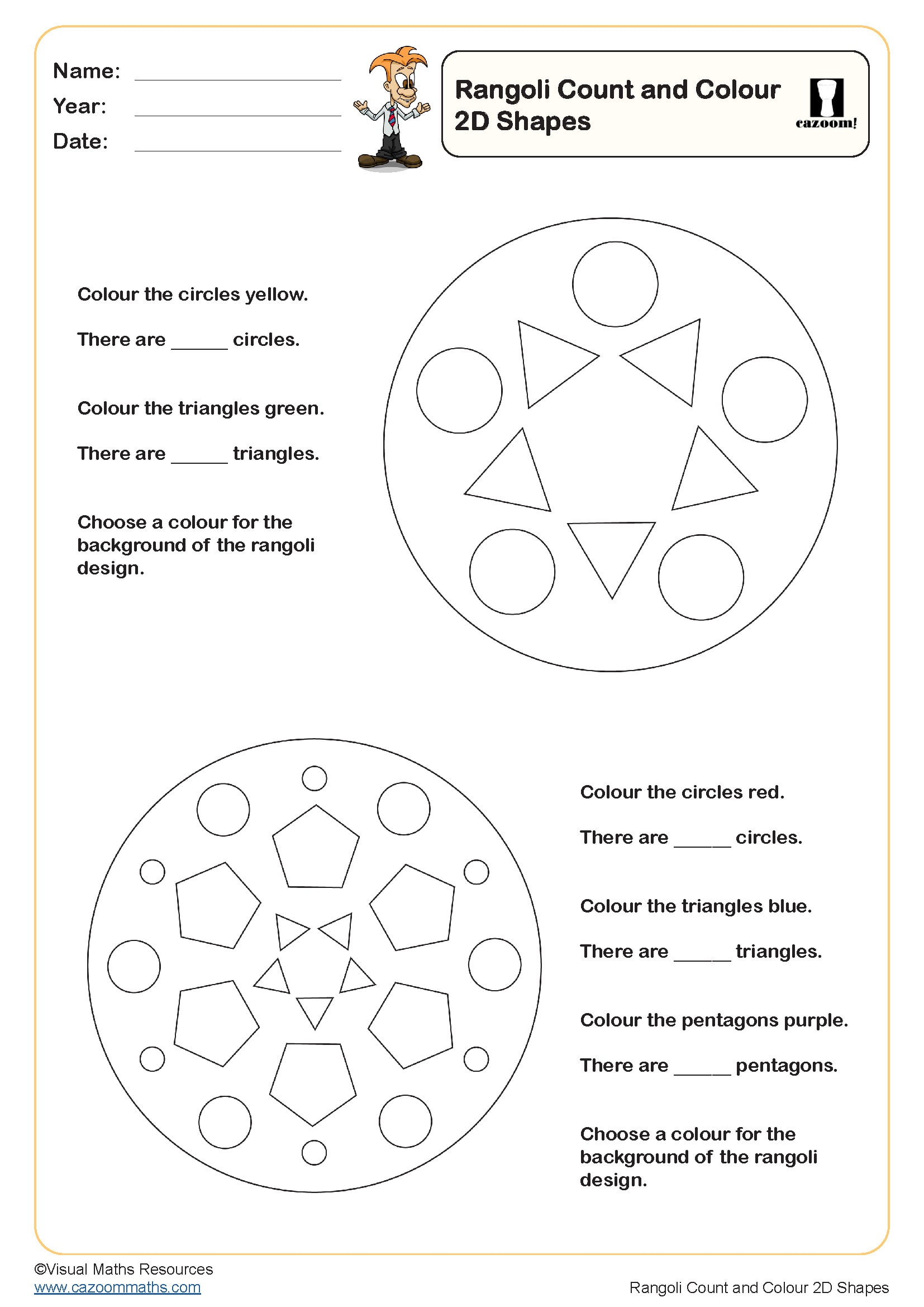
Rangoli Count and Colour 2D Shapes
Year groups: 1
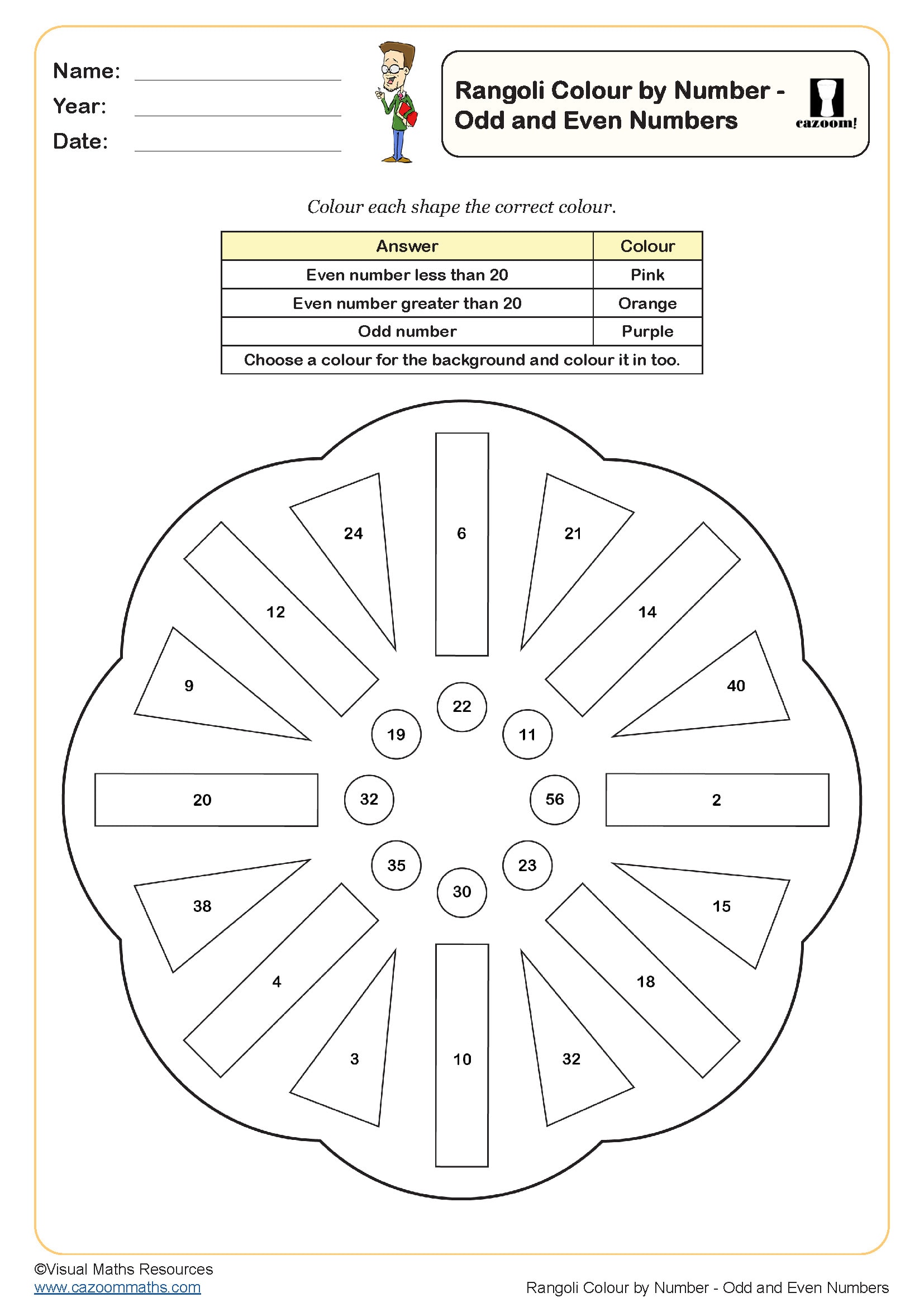
Rangoli Colour by Number - Odd and Even Numbers
Year groups: 2
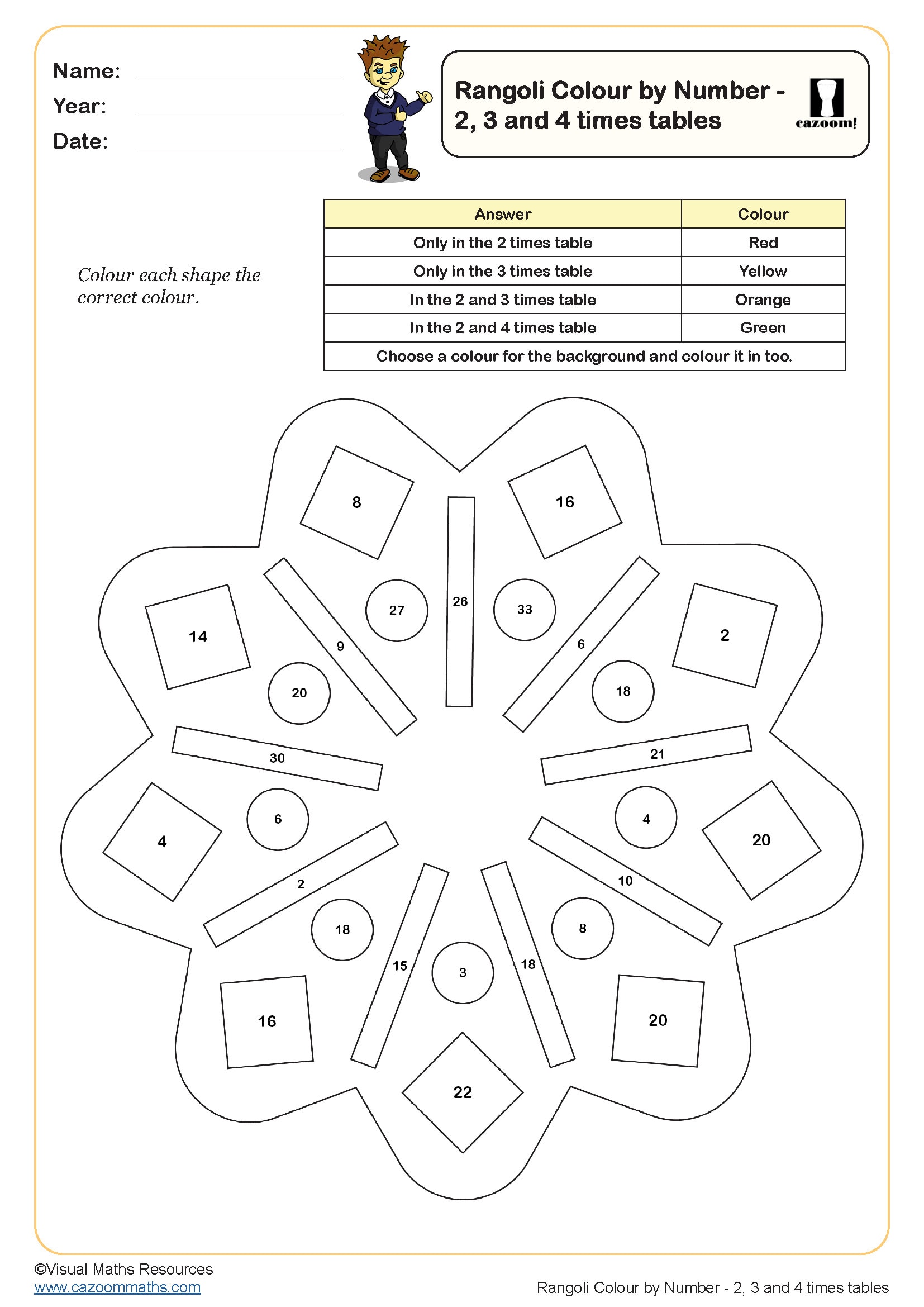
Rangoli Colour by Number - 2, 3 and 4 times tables
Year groups: 3
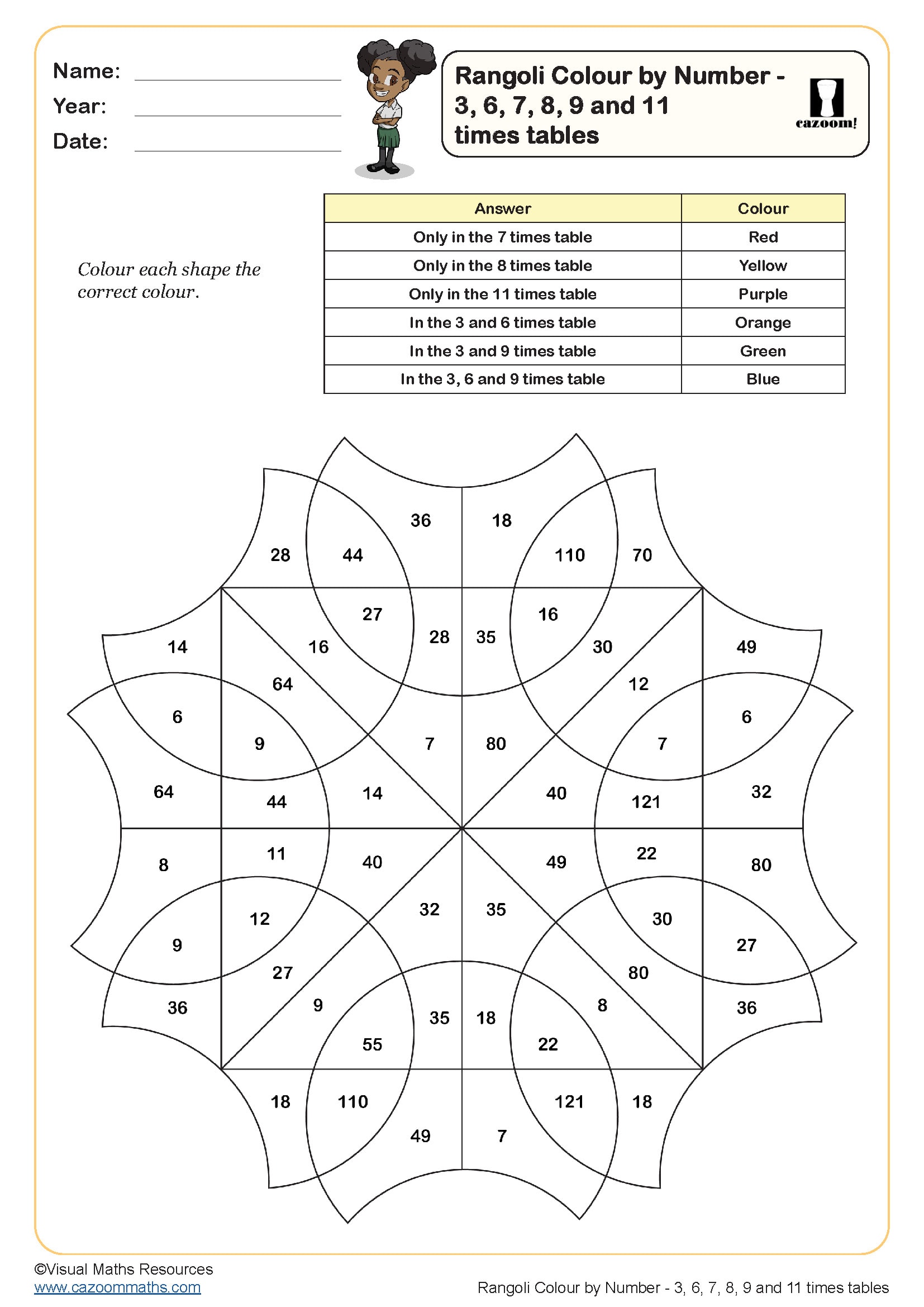
Rangoli Colour by Number - 3, 6, 7, 8, 9 and 11 times tables
Year groups: 4
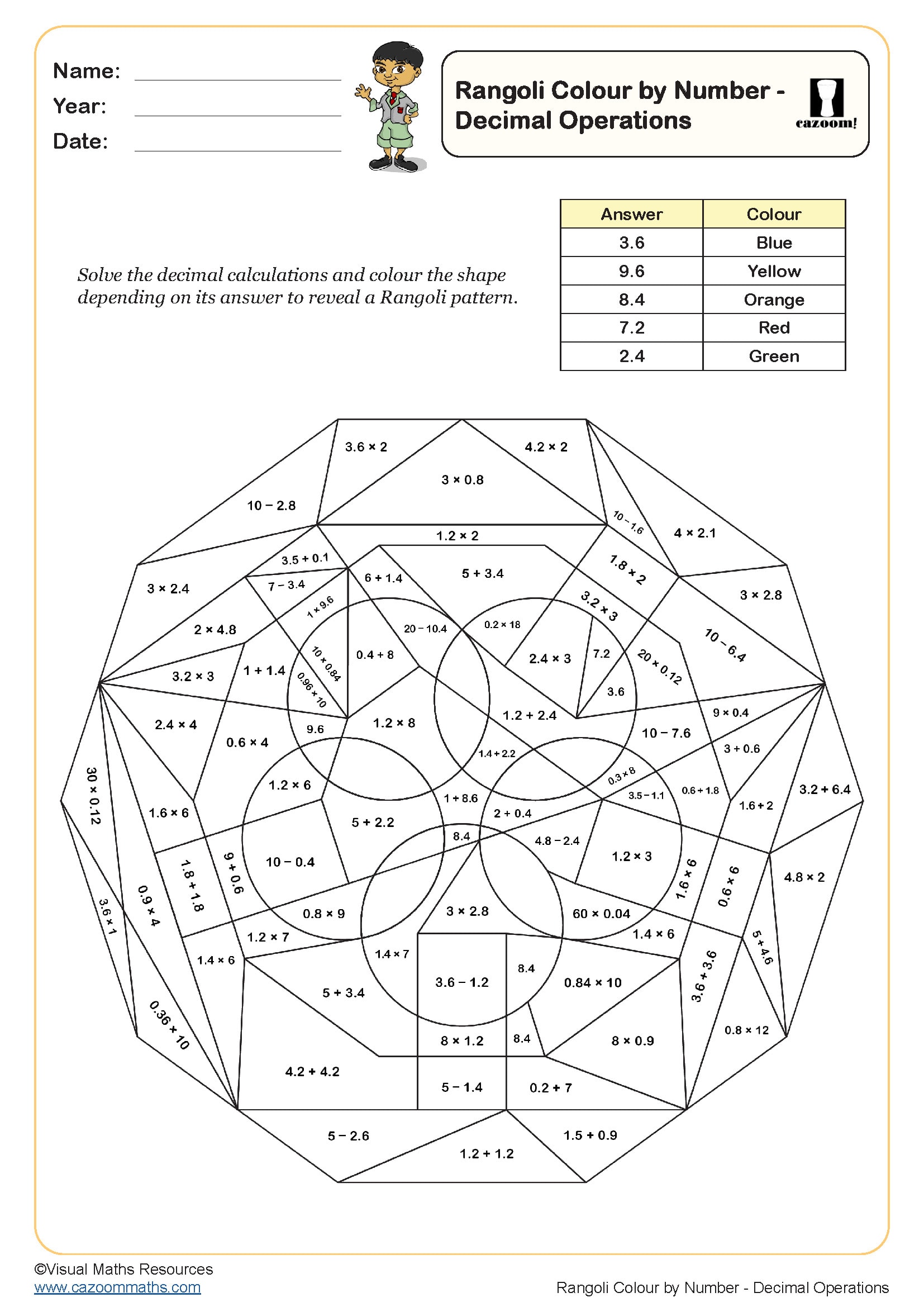
Rangoli Colour by Number - Decimal Operations
Year groups: 5, 6
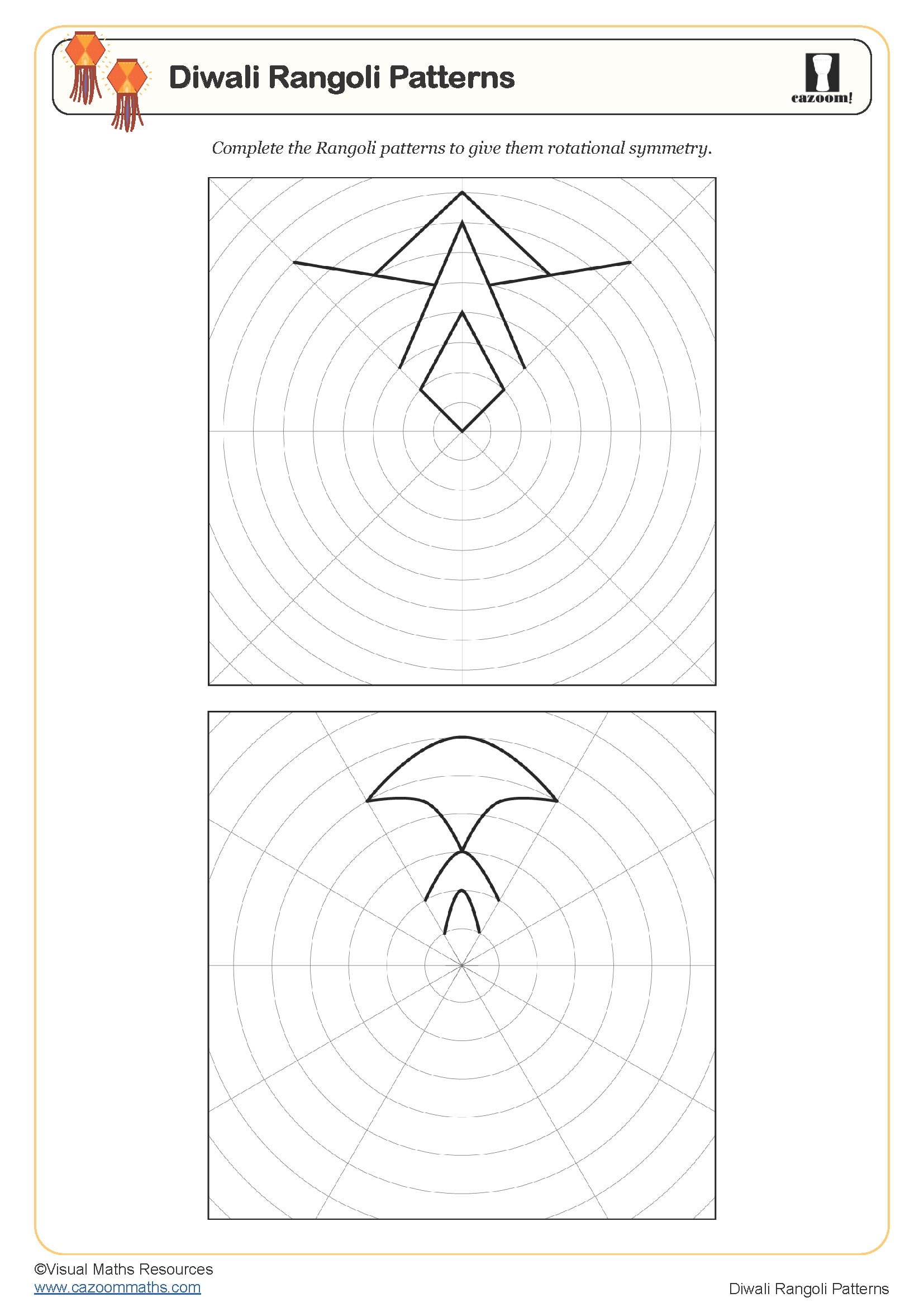
Diwali Rangoli Patterns
Year groups: 6
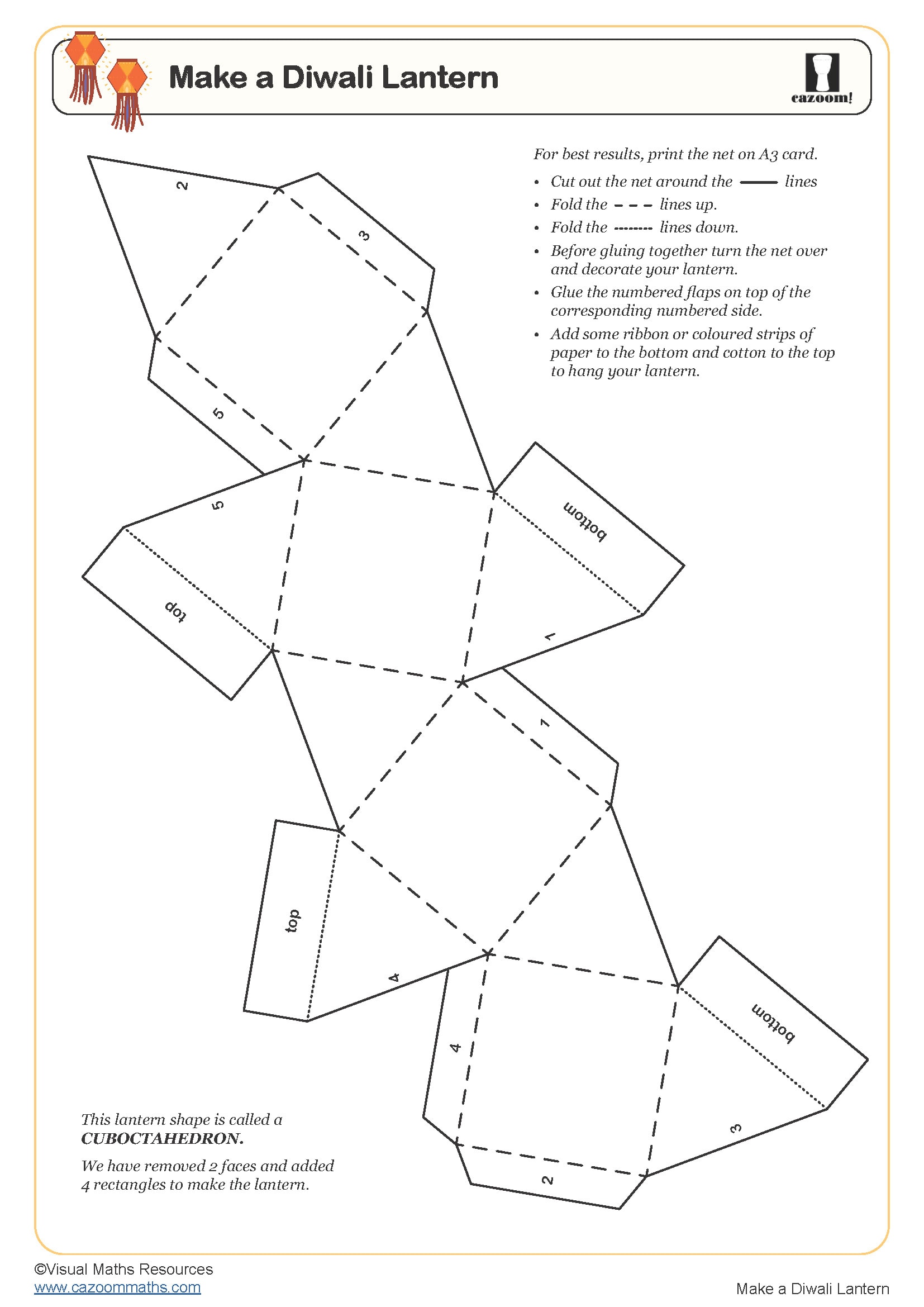
Make a Diwali Lantern
Year groups: 6
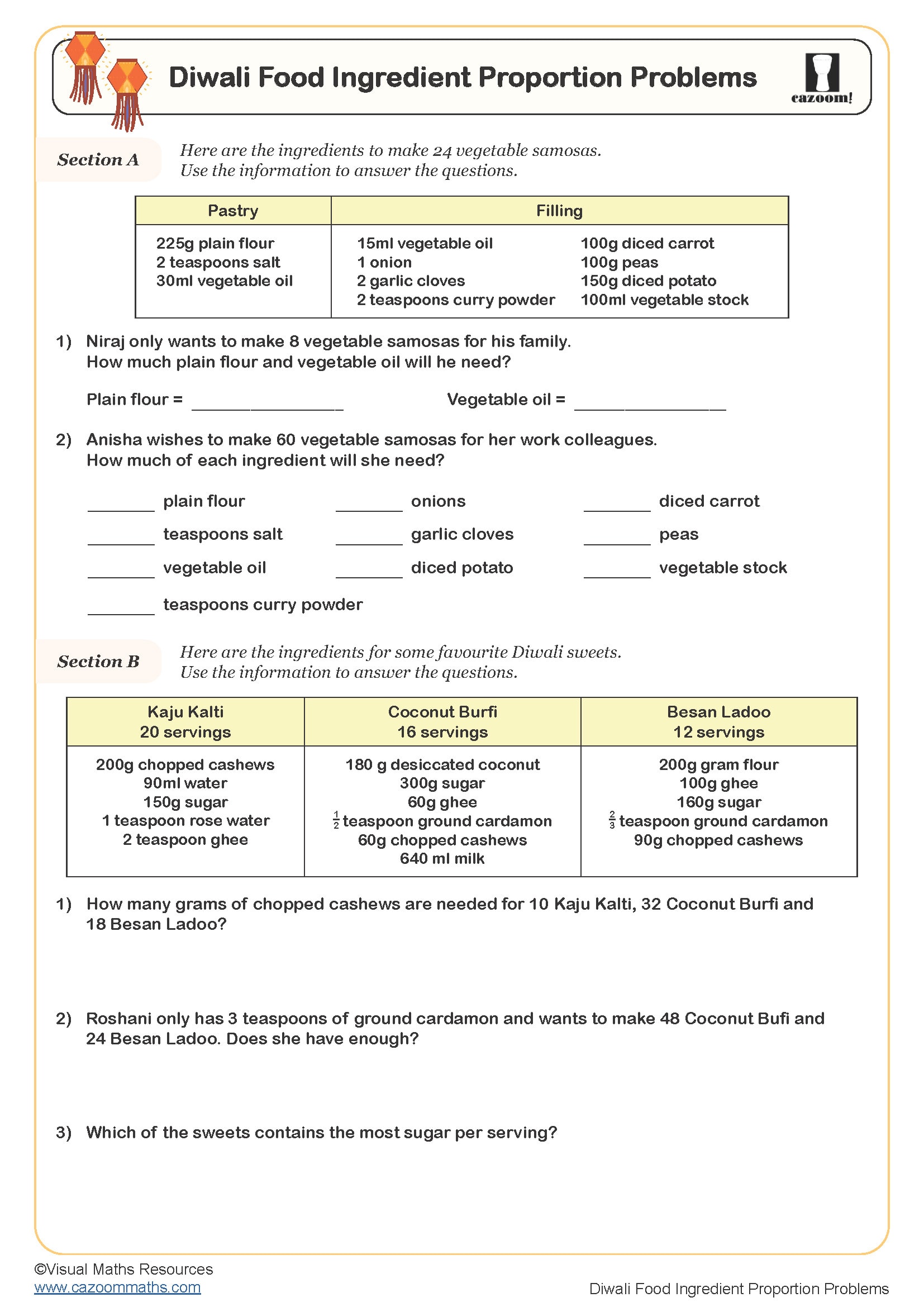
Diwali Food Ingredient Proportion Problems
Year groups: 7, 8, 9
Diwali Rangoli Patterns
Year groups: 7, 8
Make a Diwali Lantern
Year groups: 7, 8
All worksheets are created by the team of experienced teachers at Cazoom Maths.
What mathematical skills do diwali maths worksheets typically cover?
Diwali maths worksheets typically integrate number operations, geometry, and data handling skills through culturally relevant contexts. Students encounter multiplication and division through scenarios involving diya arrangements, sweet distribution among families, and calculating costs for celebration preparations.
Teachers notice that word problems set in familiar cultural contexts often reduce the cognitive load for EAL learners, allowing them to focus on mathematical reasoning rather than decoding unfamiliar scenarios. The geometric elements, particularly rangoli pattern work, provide excellent opportunities for exploring symmetry, tessellation, and coordinate geometry at KS3 level.
Are these diwali worksheets suitable for different year groups?
The worksheets span from KS1 through KS3, with clear progression in mathematical complexity whilst maintaining the cultural theme. Younger pupils might work with simple counting activities using diyas or basic addition with sweets, whilst older students tackle more sophisticated problems involving percentages, ratios, and algebraic thinking.
Many teachers find that mixed-ability classes benefit from having the same cultural context across different difficulty levels, enabling whole-class discussions about Diwali traditions whilst allowing differentiated mathematical practice. The visual elements in these themed resources often support learners who struggle with abstract number concepts.
How do rangoli patterns support geometry learning in these worksheets?
Rangoli patterns provide authentic contexts for exploring symmetry, transformation, and coordinate geometry concepts. Students analyse existing patterns to identify lines of symmetry, rotational symmetry, and tessellation properties, then create their own mathematical designs using geometric principles.
Teachers observe that this visual approach to geometry helps students who typically struggle with abstract geometric concepts. The cultural significance adds meaning to what could otherwise be purely theoretical work, and students often demonstrate greater perseverance when completing pattern-based tasks compared to standard geometry exercises.
How can teachers maximise learning from these diwali activities ks2 resources?
Teachers achieve best results by connecting the mathematical content to broader learning about Diwali traditions and cultural significance. Pre-teaching vocabulary related to both mathematical concepts and cultural elements prevents confusion during problem-solving activities and supports EAL learners effectively.
Many educators use these worksheets as starting points for cross-curricular projects, linking to RE, art, and literacy work. The answer sheets enable peer marking opportunities, whilst the cultural context provides natural discussion points about diversity and inclusion, reinforcing the school's wider values alongside mathematical learning objectives.