KS3 Area and Perimeter Worksheets
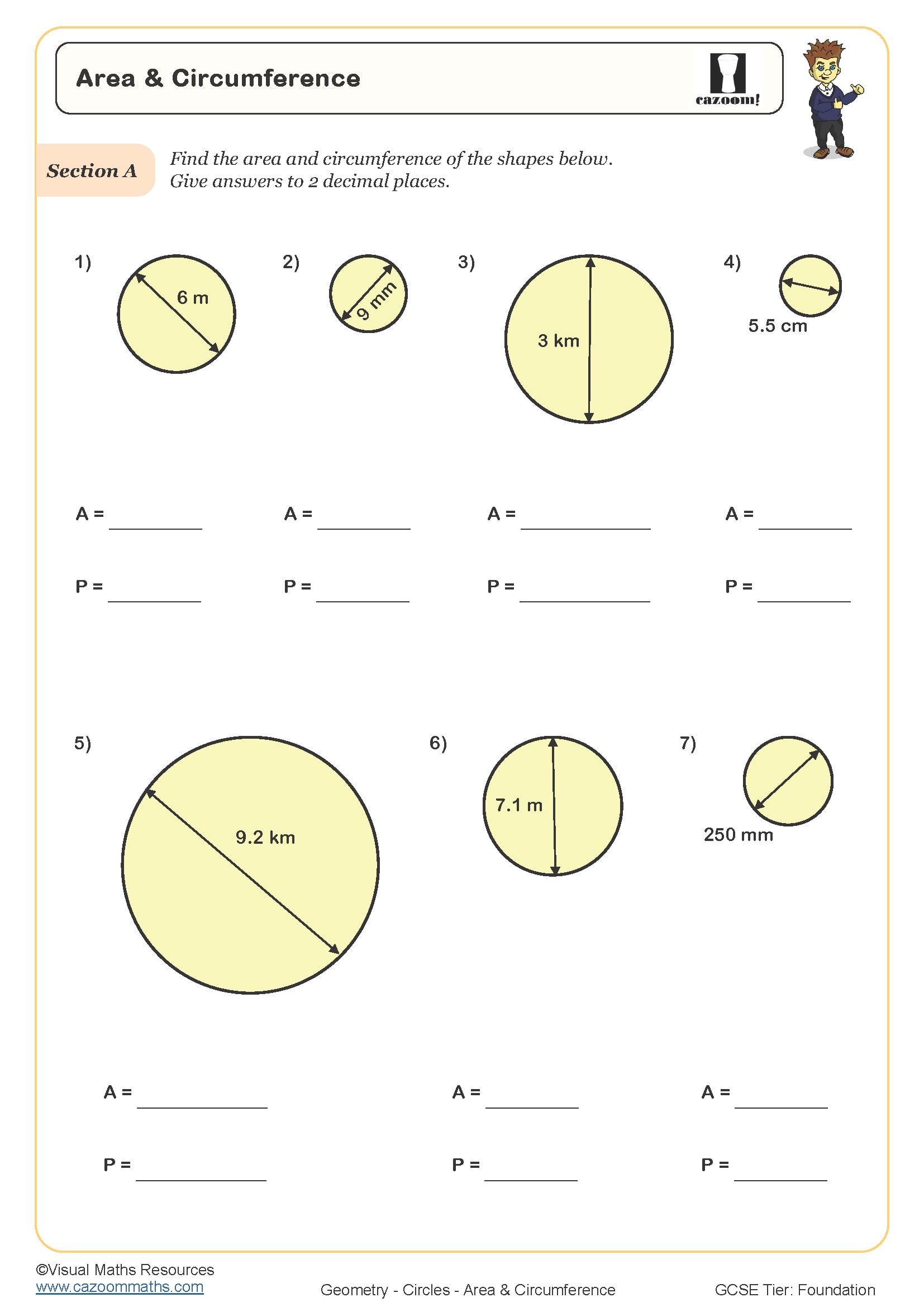
Area and Circumference
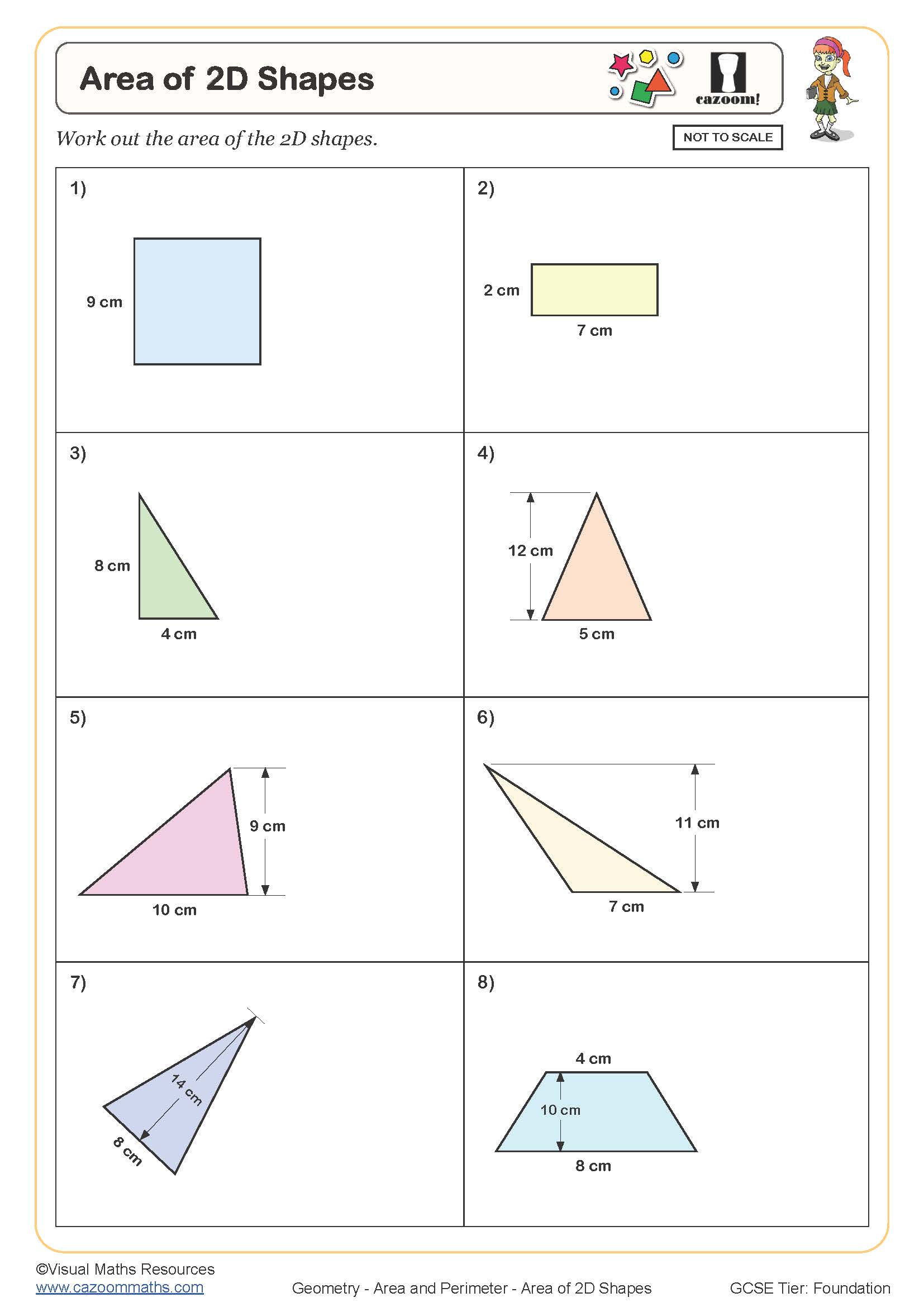
Area of 2D shapes
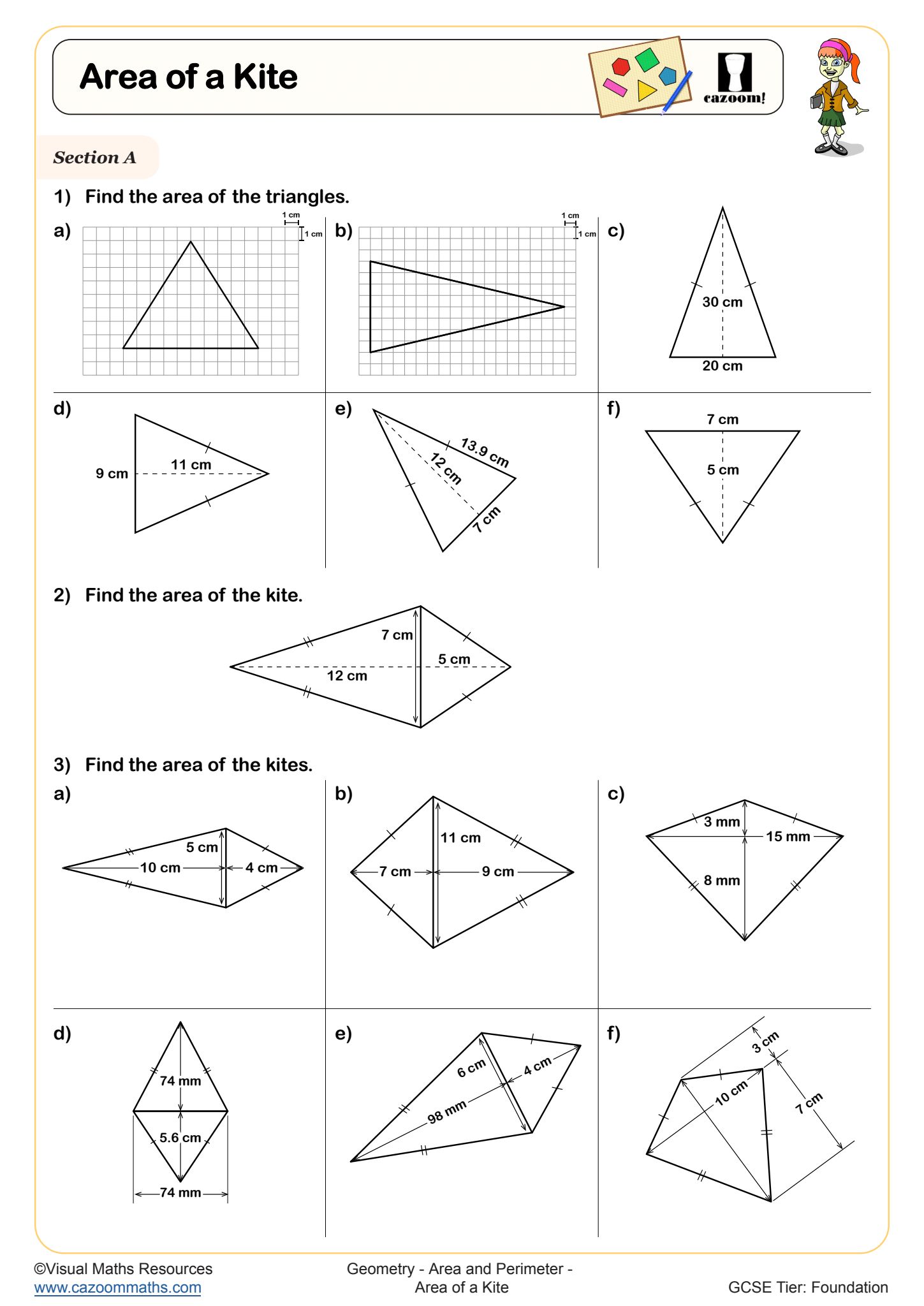
Area of a Kite
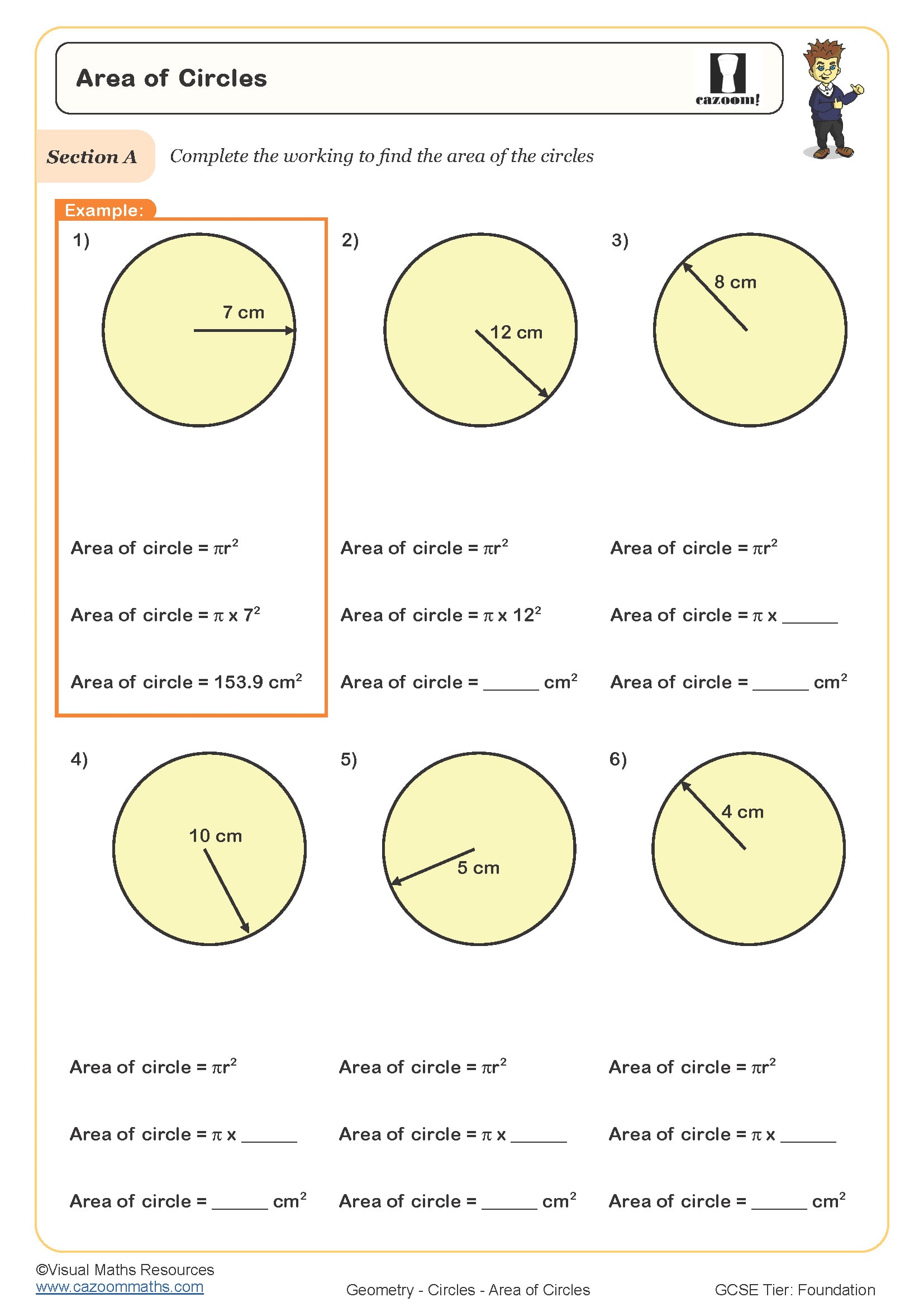
Area of Circles
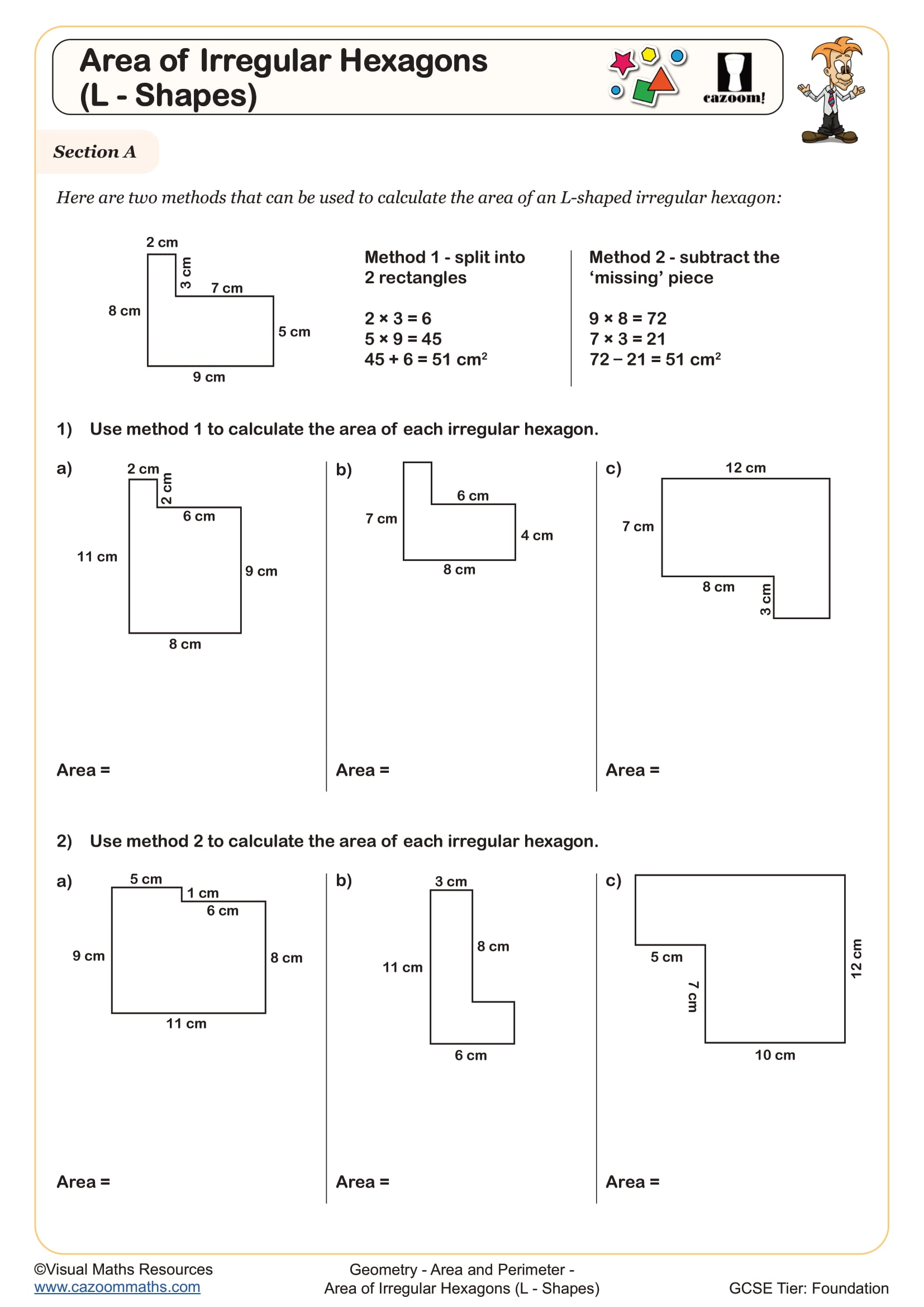
Area of Irregular Hexagons (L - Shapes)
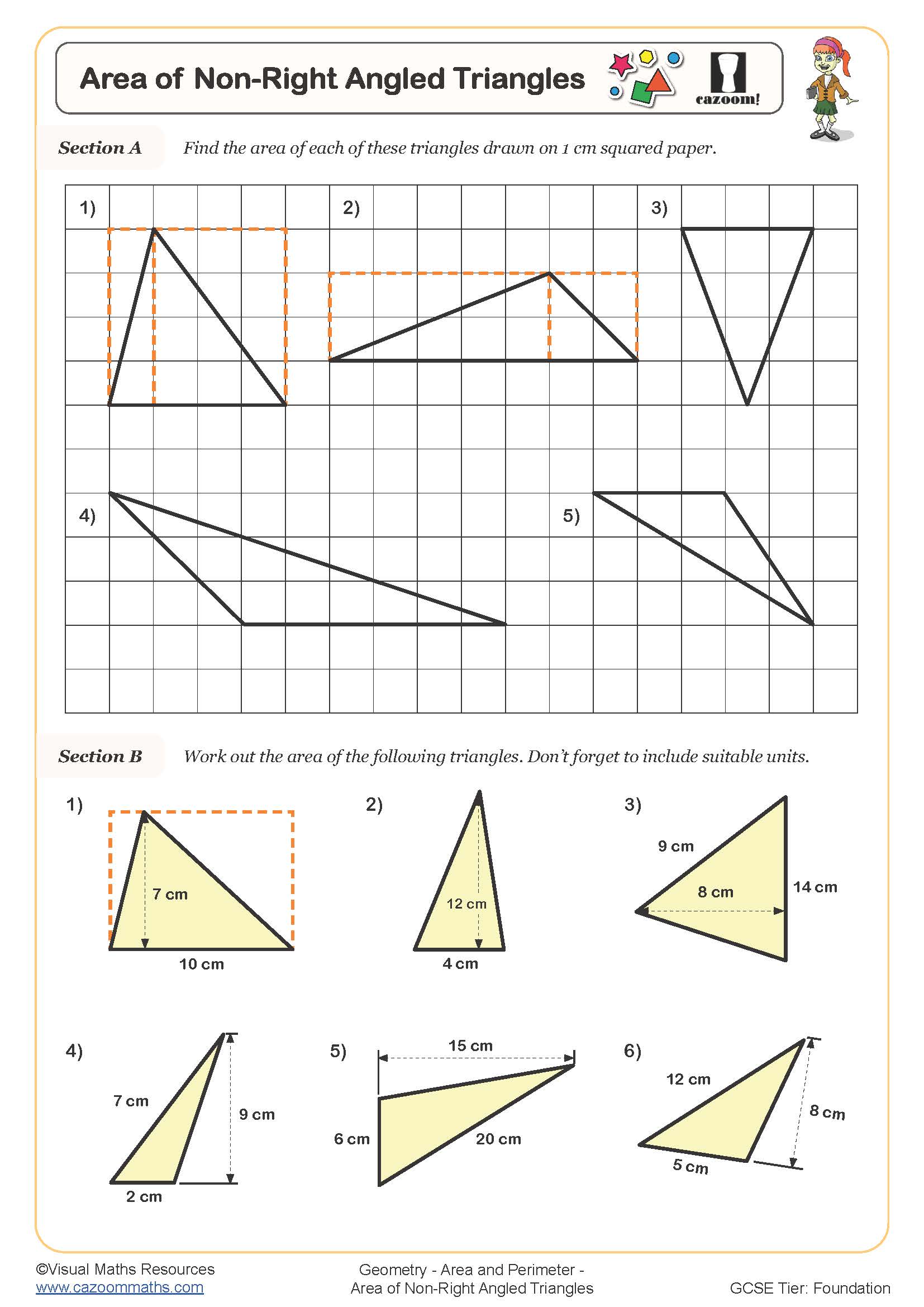
Area of Non-Right Angled Triangles
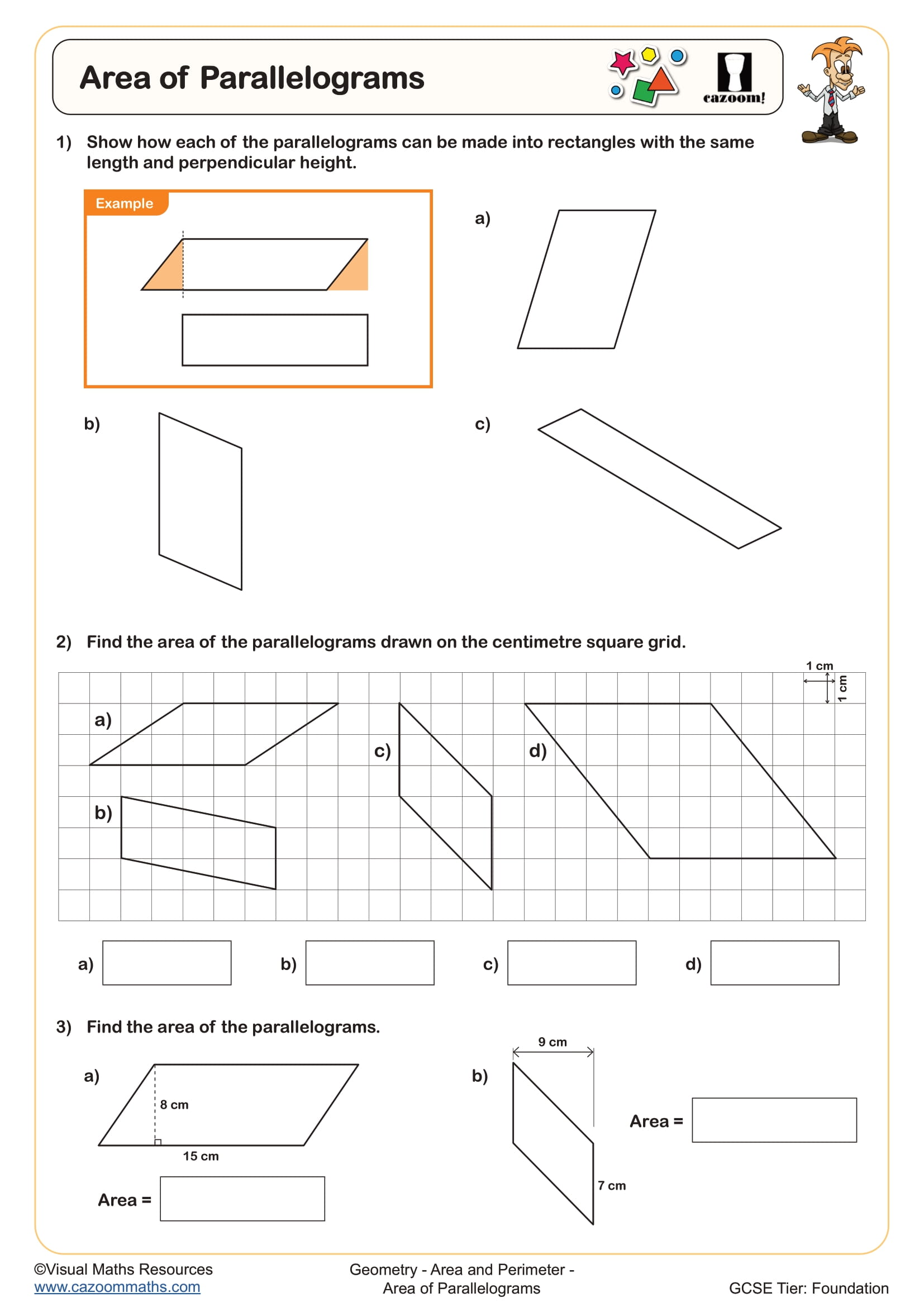
Area of Parallelograms
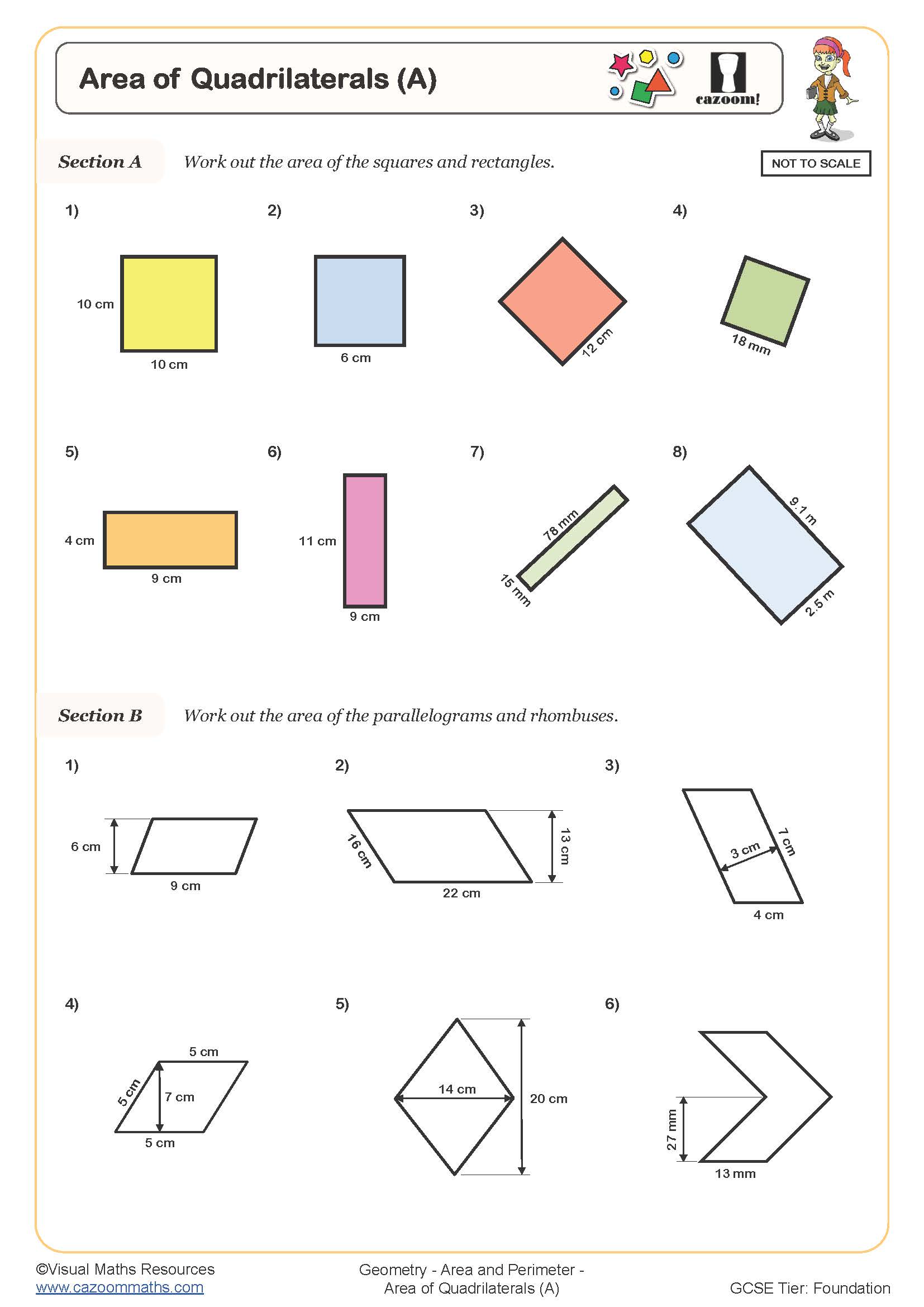
Area of Quadrilaterals (A)
Area of Quadrilaterals (B)
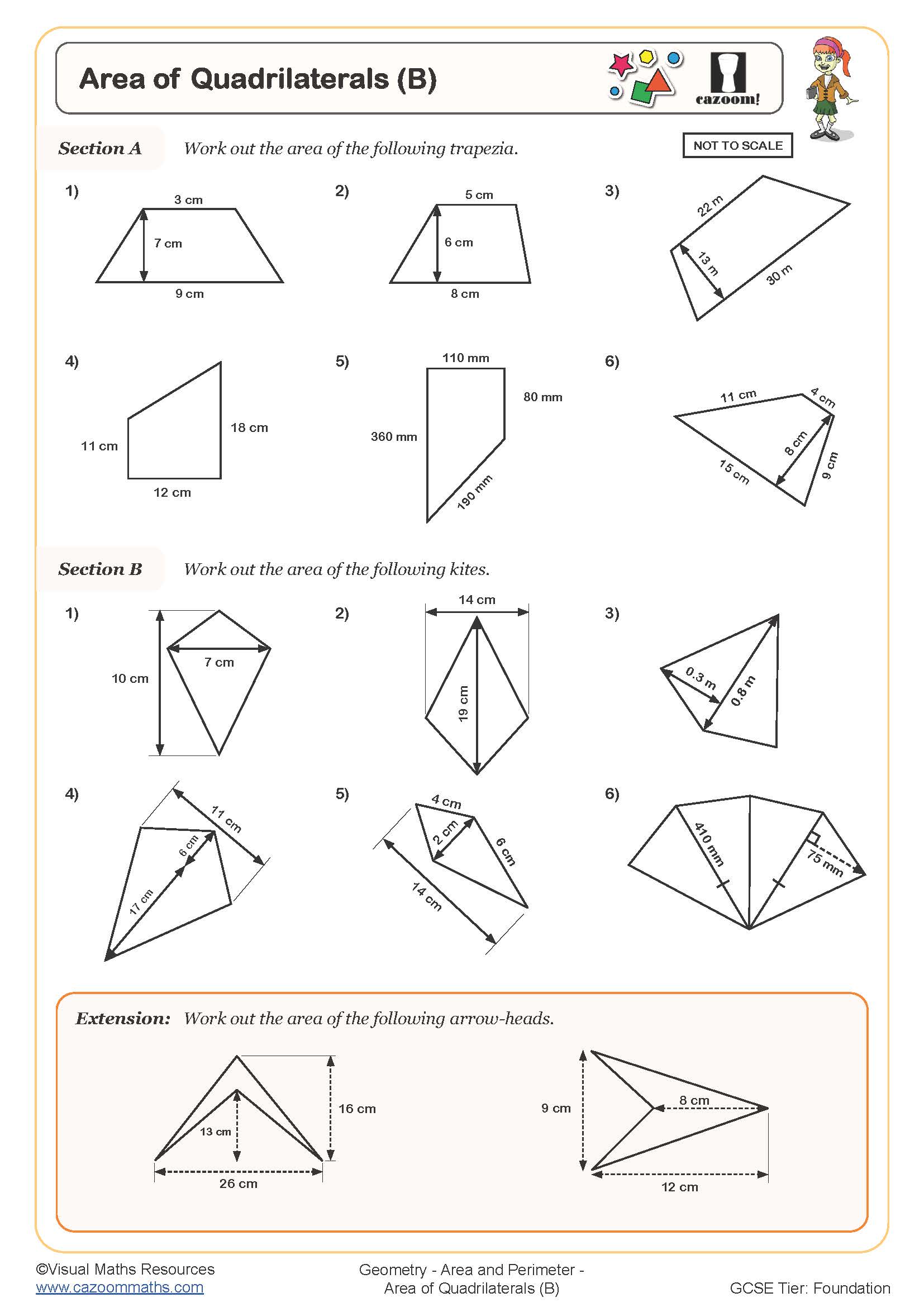
Area of Regular Hexagons
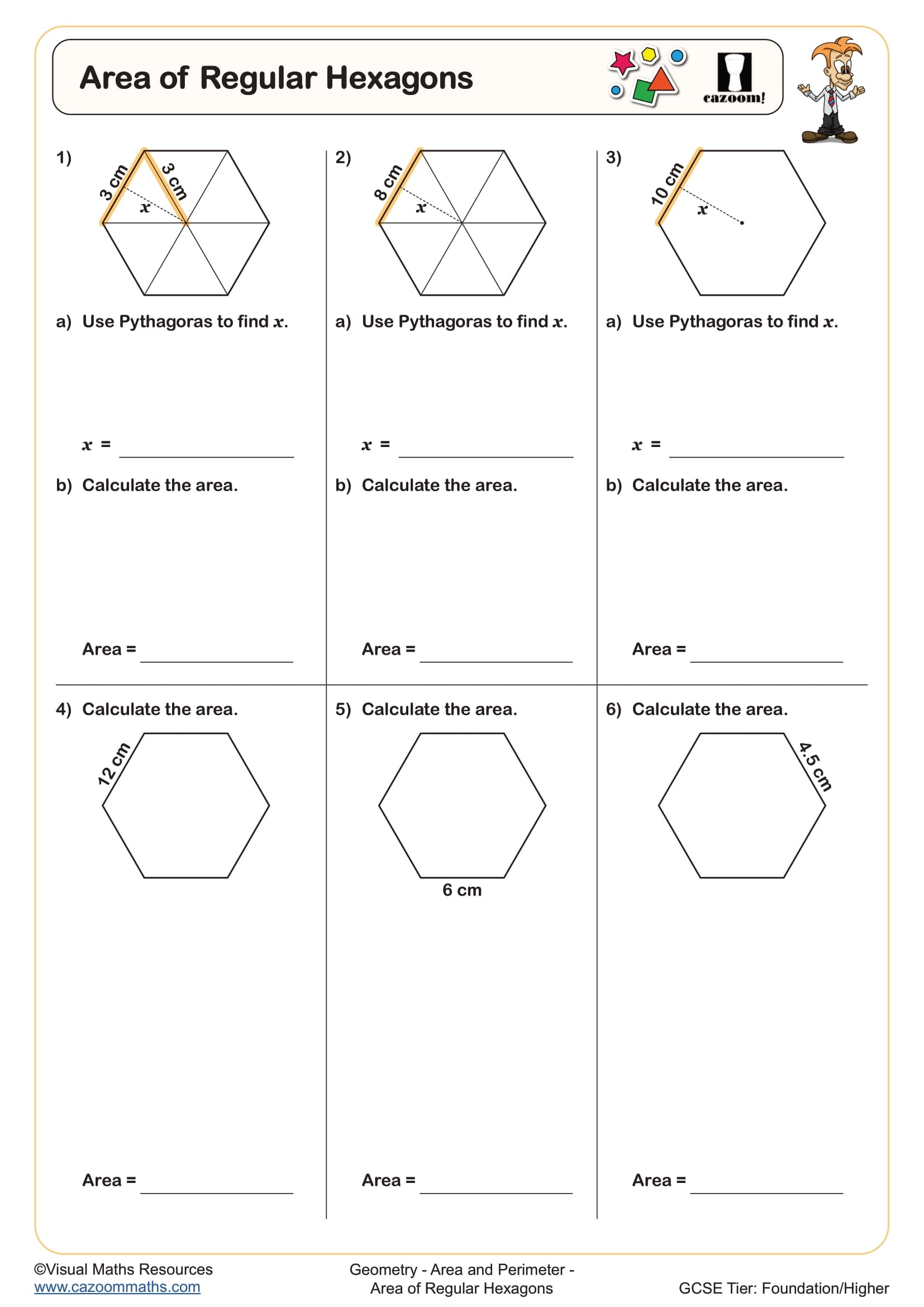
Area of Right Angled Triangles
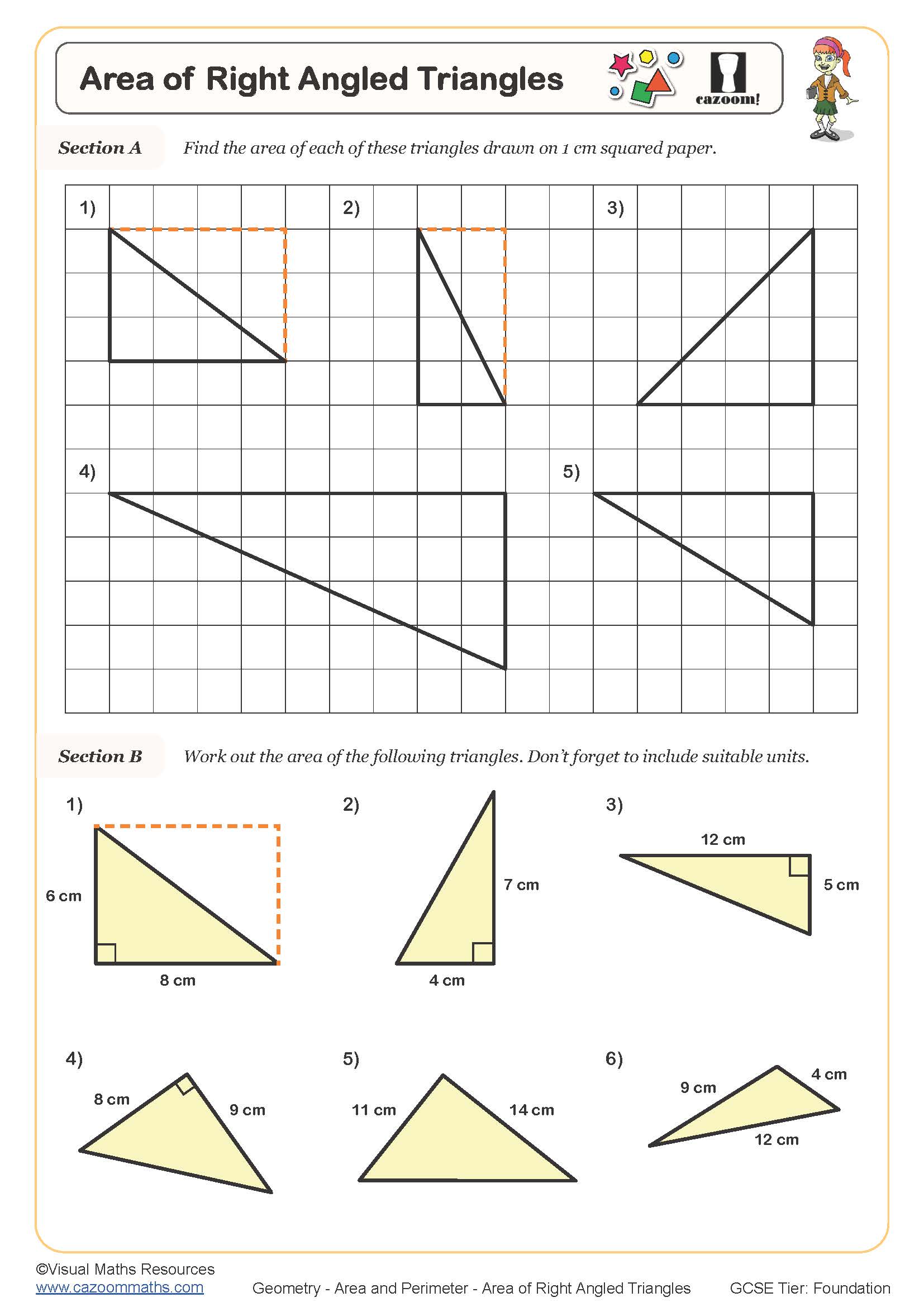
Area of Trapezia (A)
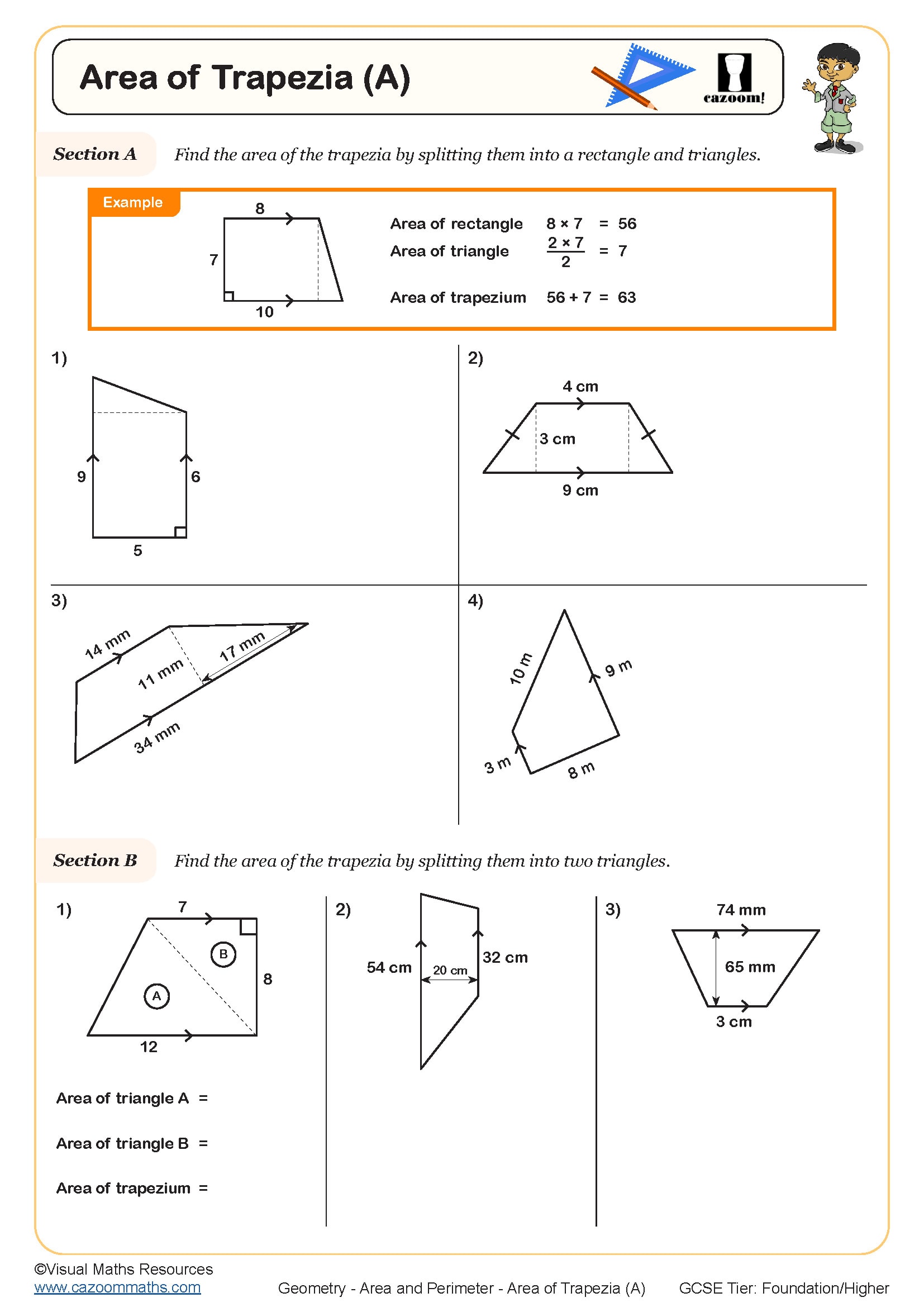
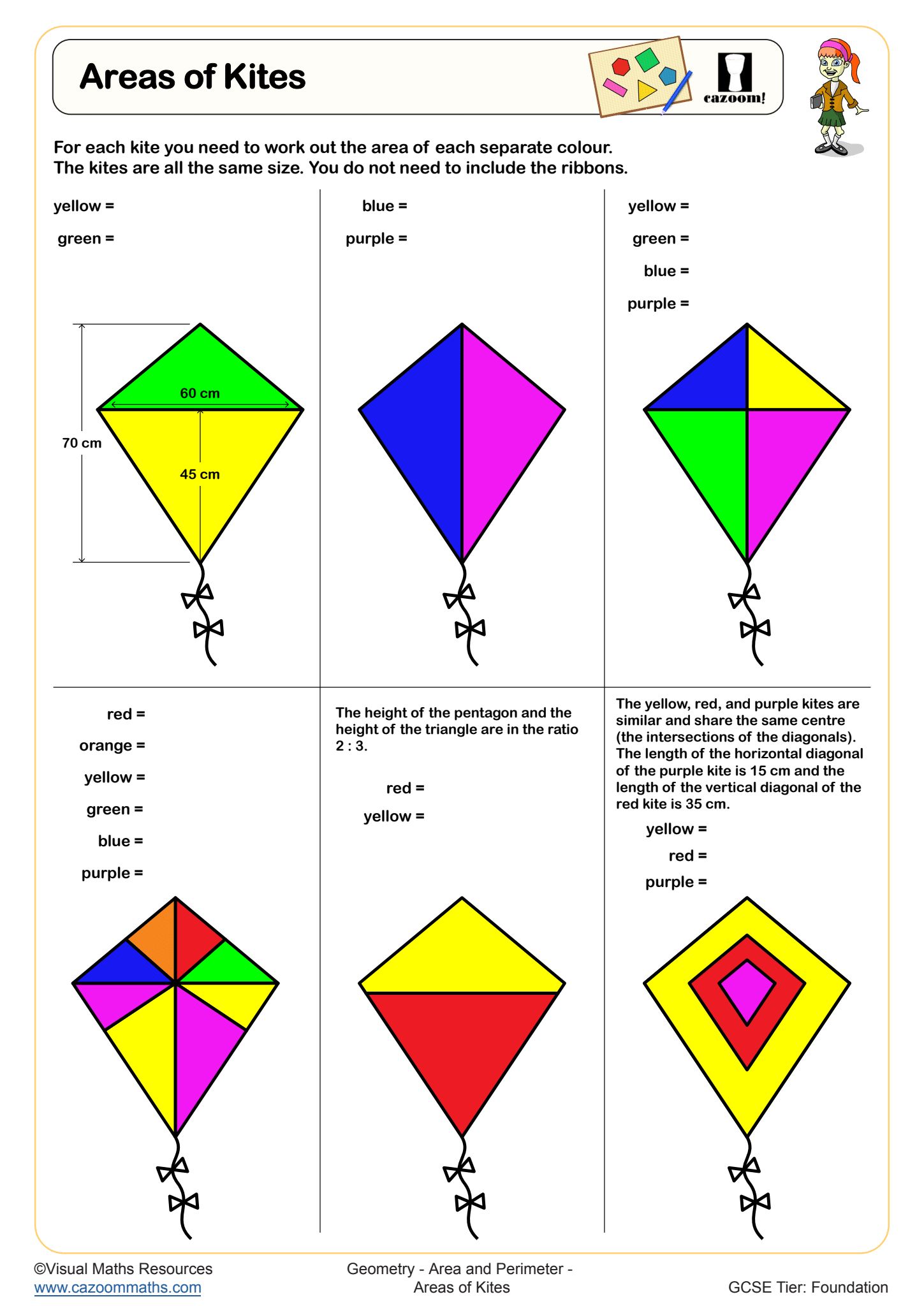
Areas of Kites
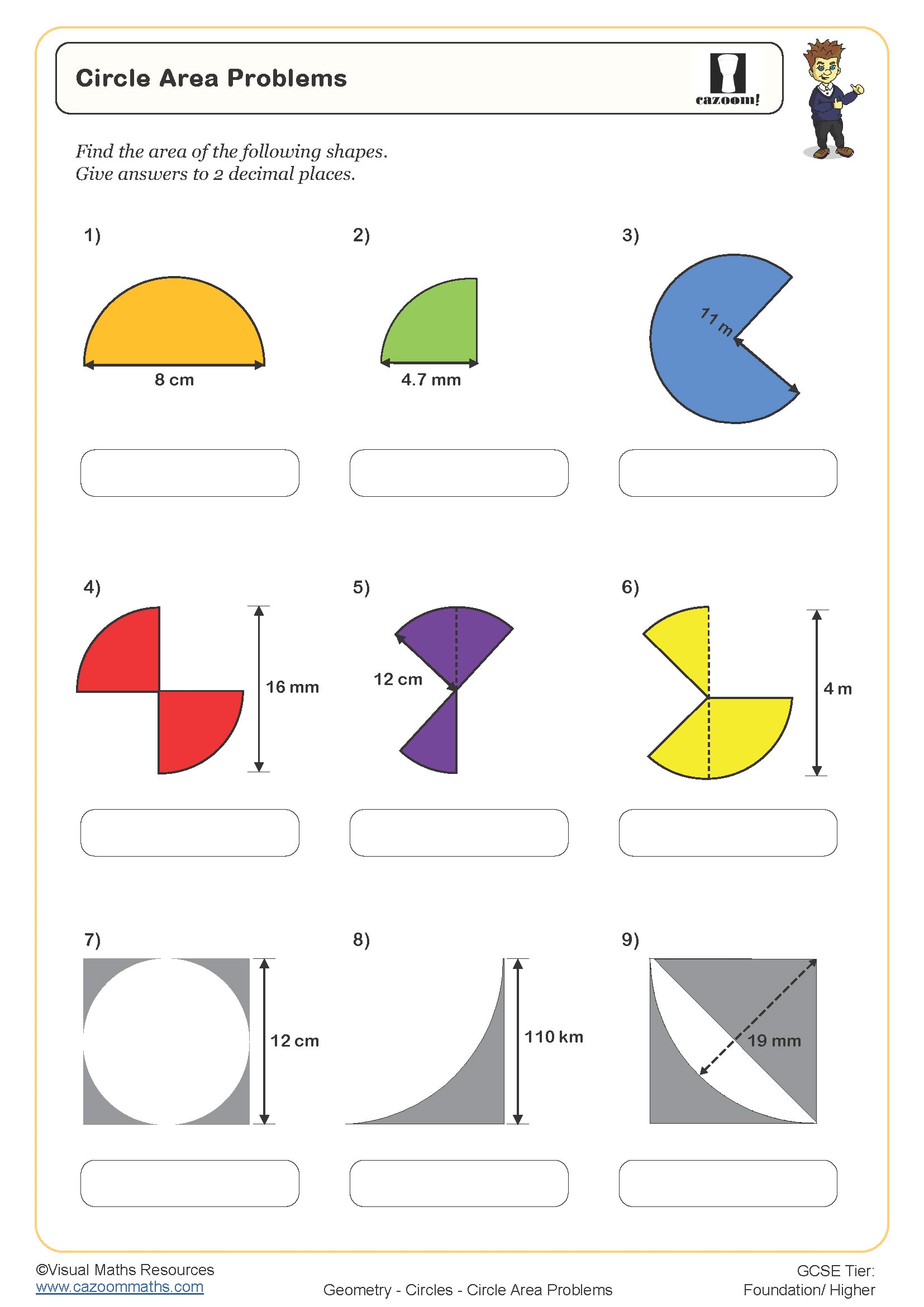
Circle Area Problems
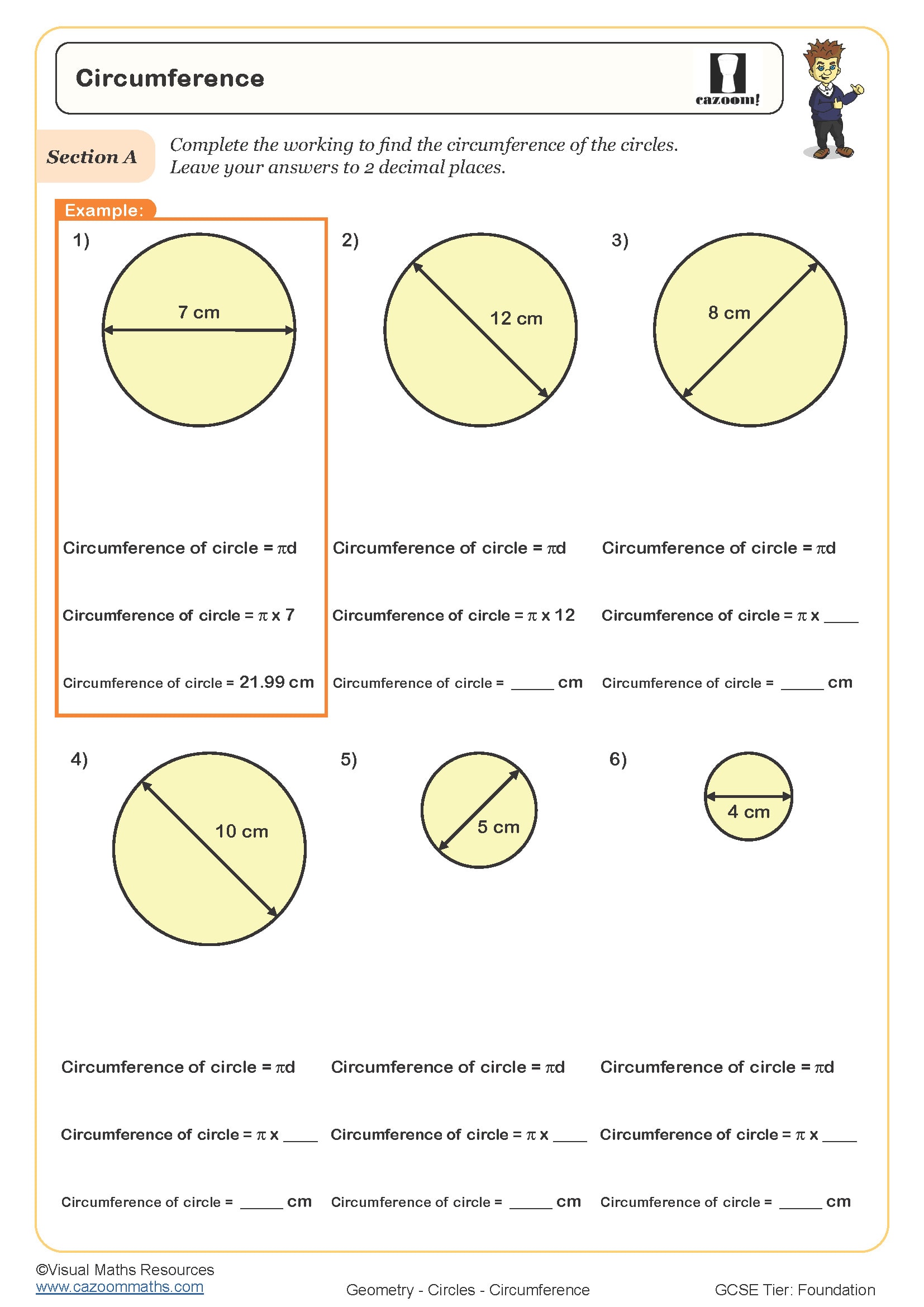
Circumference
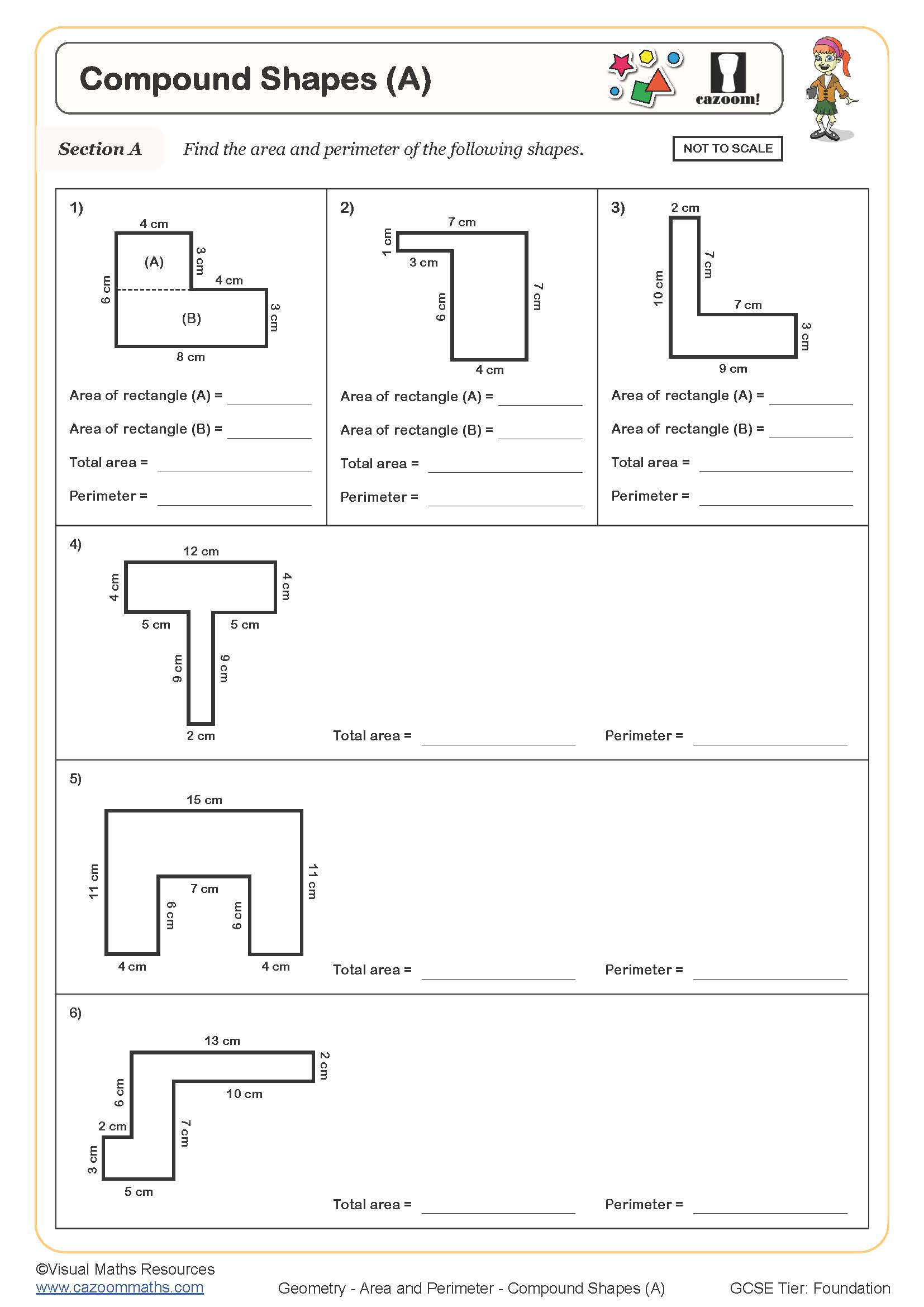
Compound Shapes (A)
Compound Shapes (B)
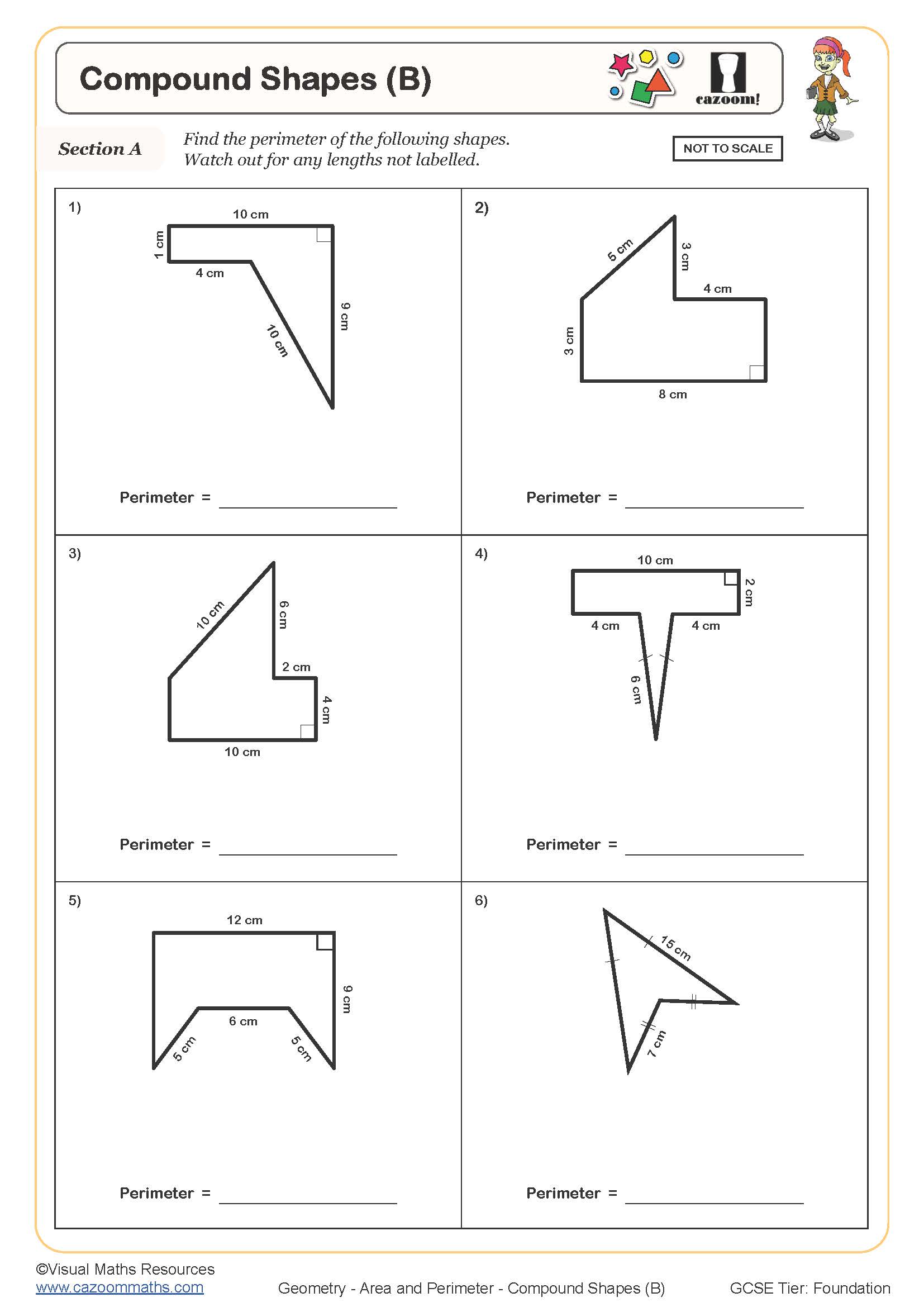
Finding the Radius or Diameter from the Circumference and Area
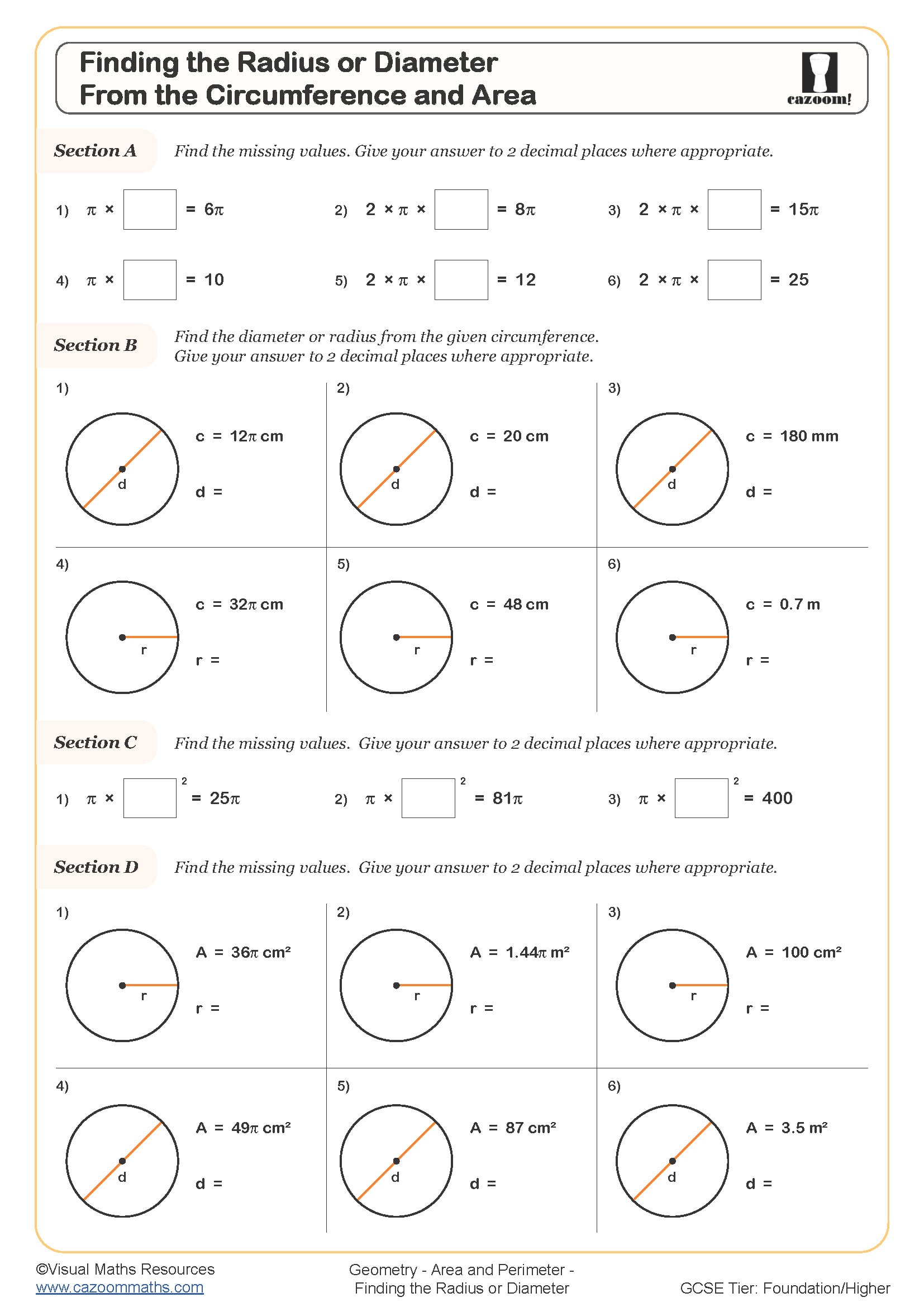
Perimeter
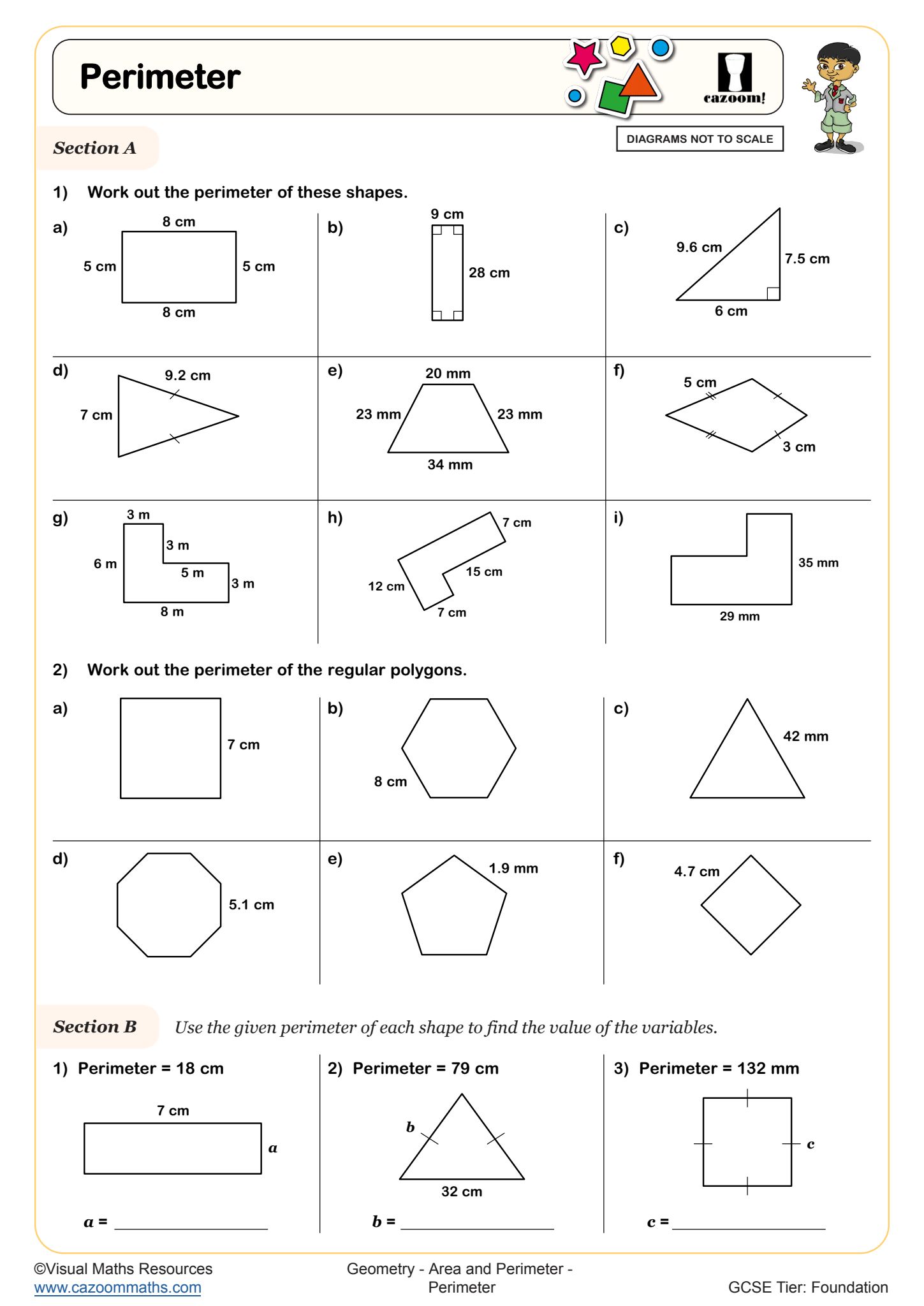
Perimeter of Rectilinear Shapes
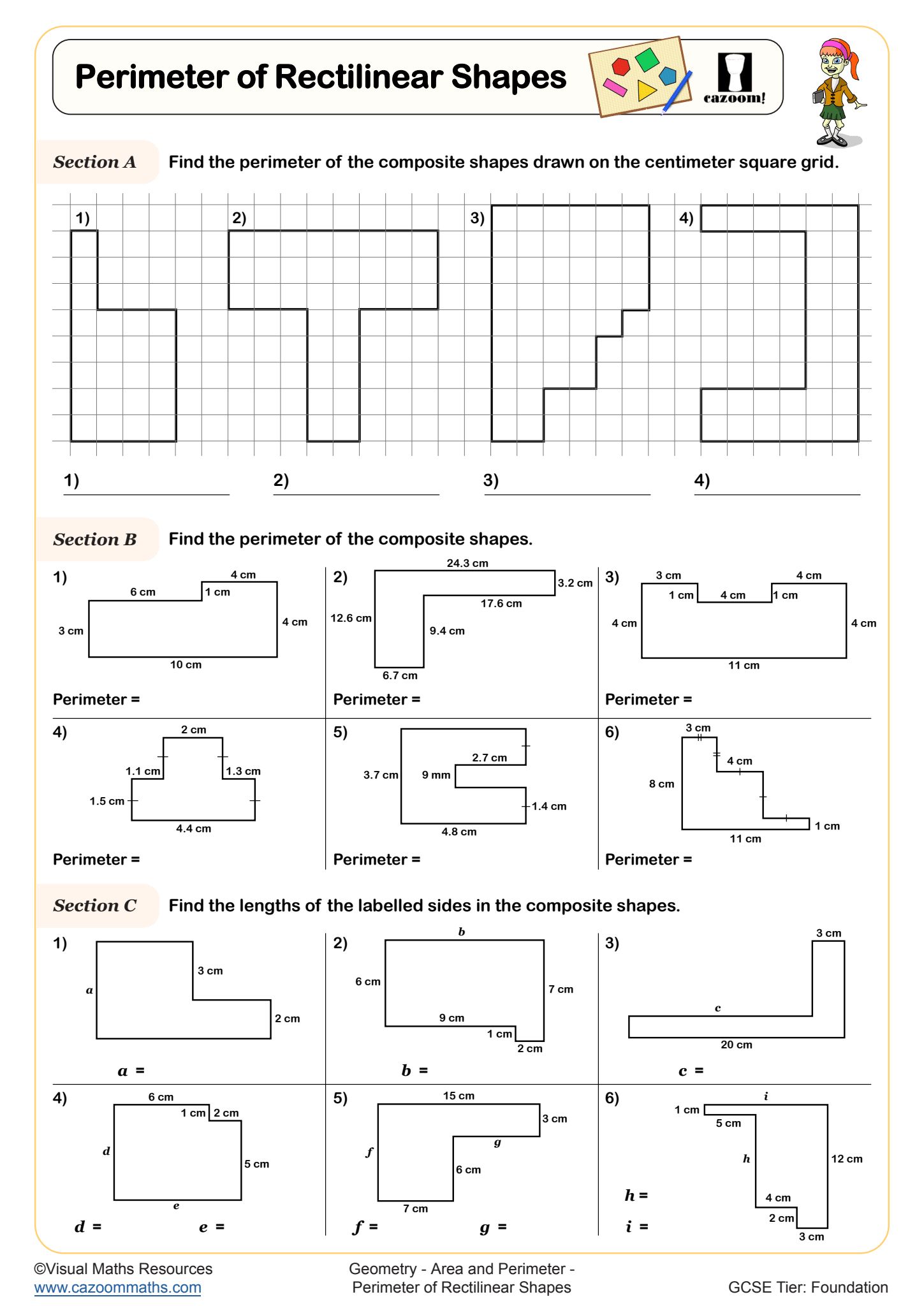
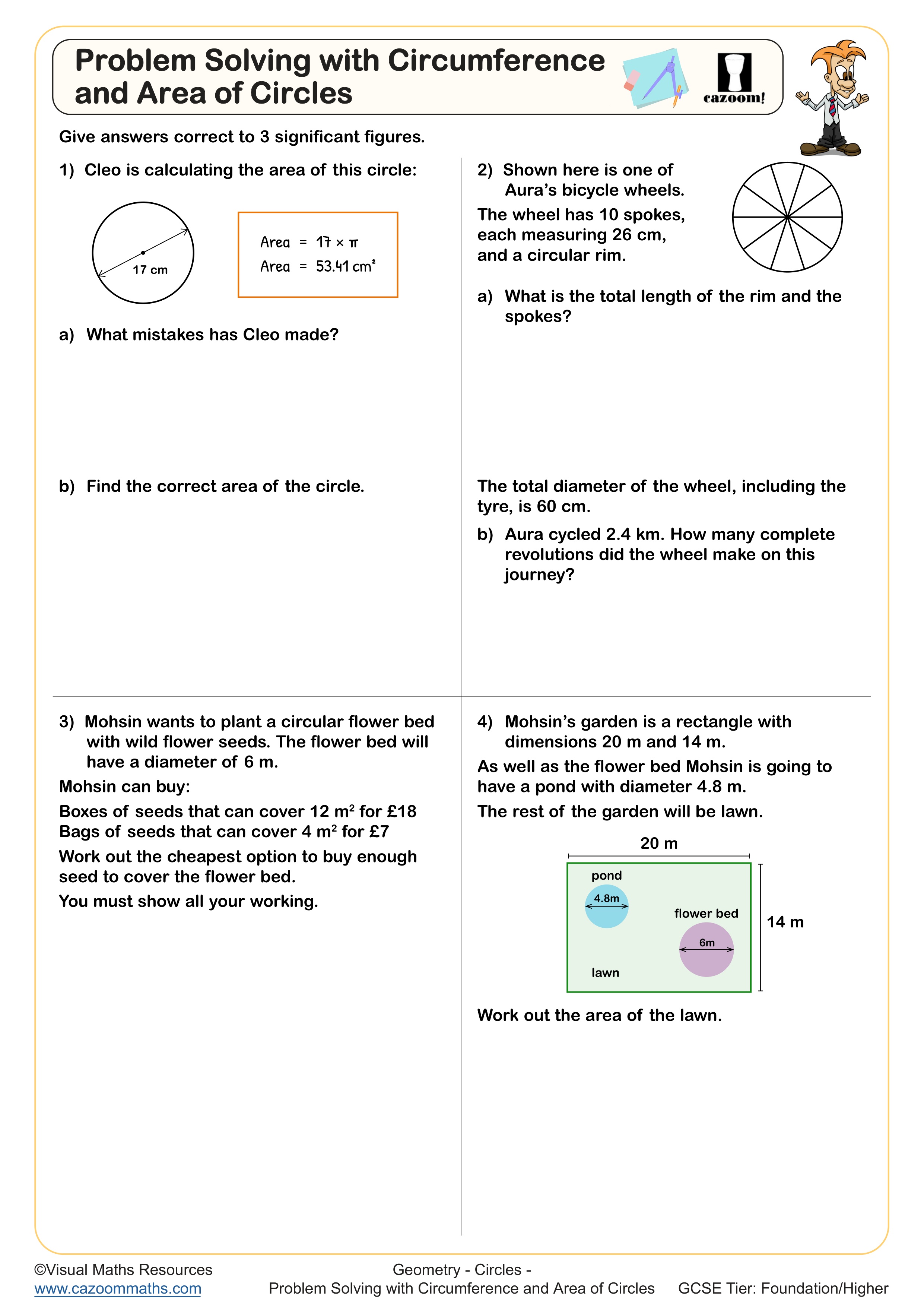
Problem Solving with Circumference and Area of Circle
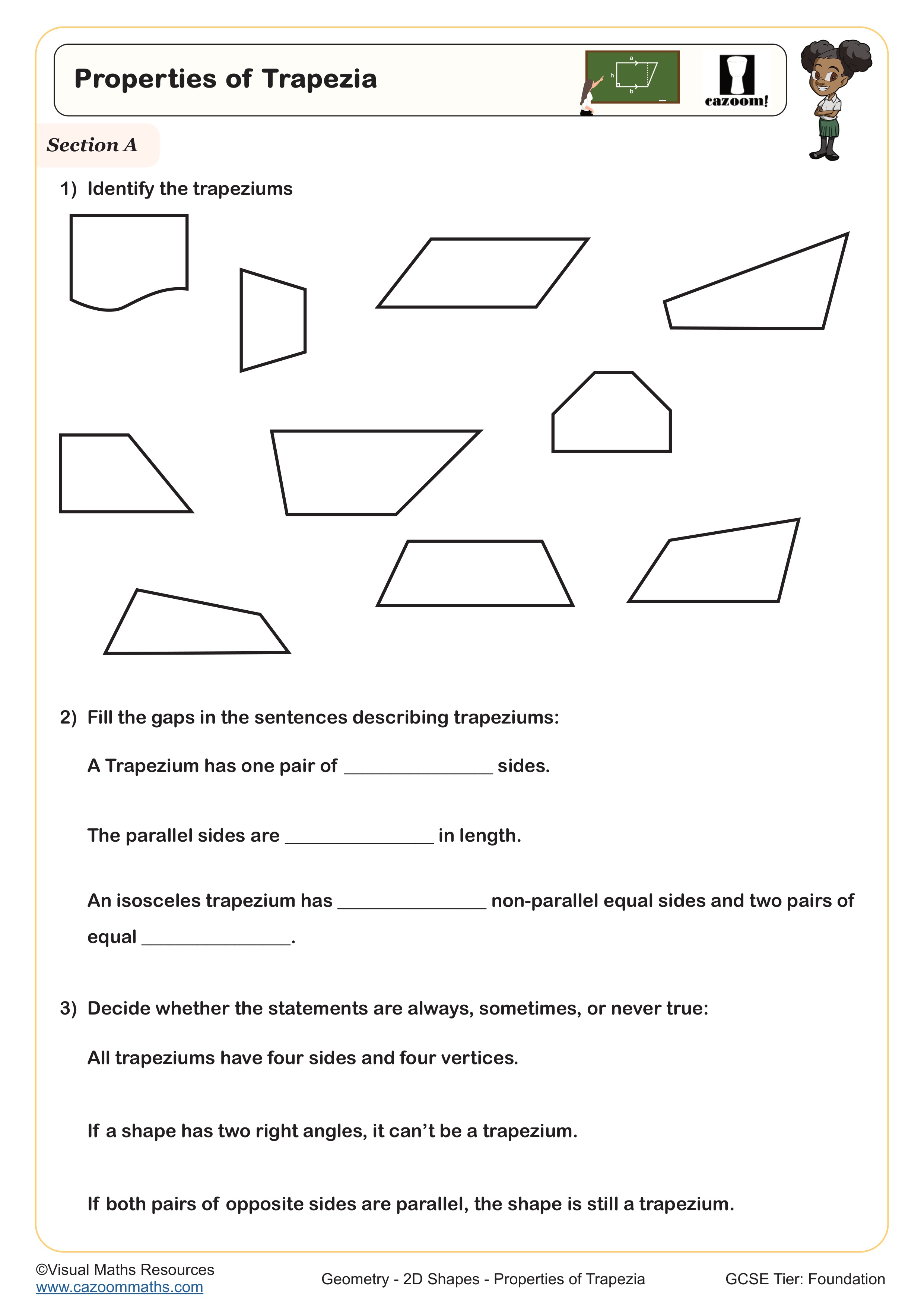
Properties of Trapezia
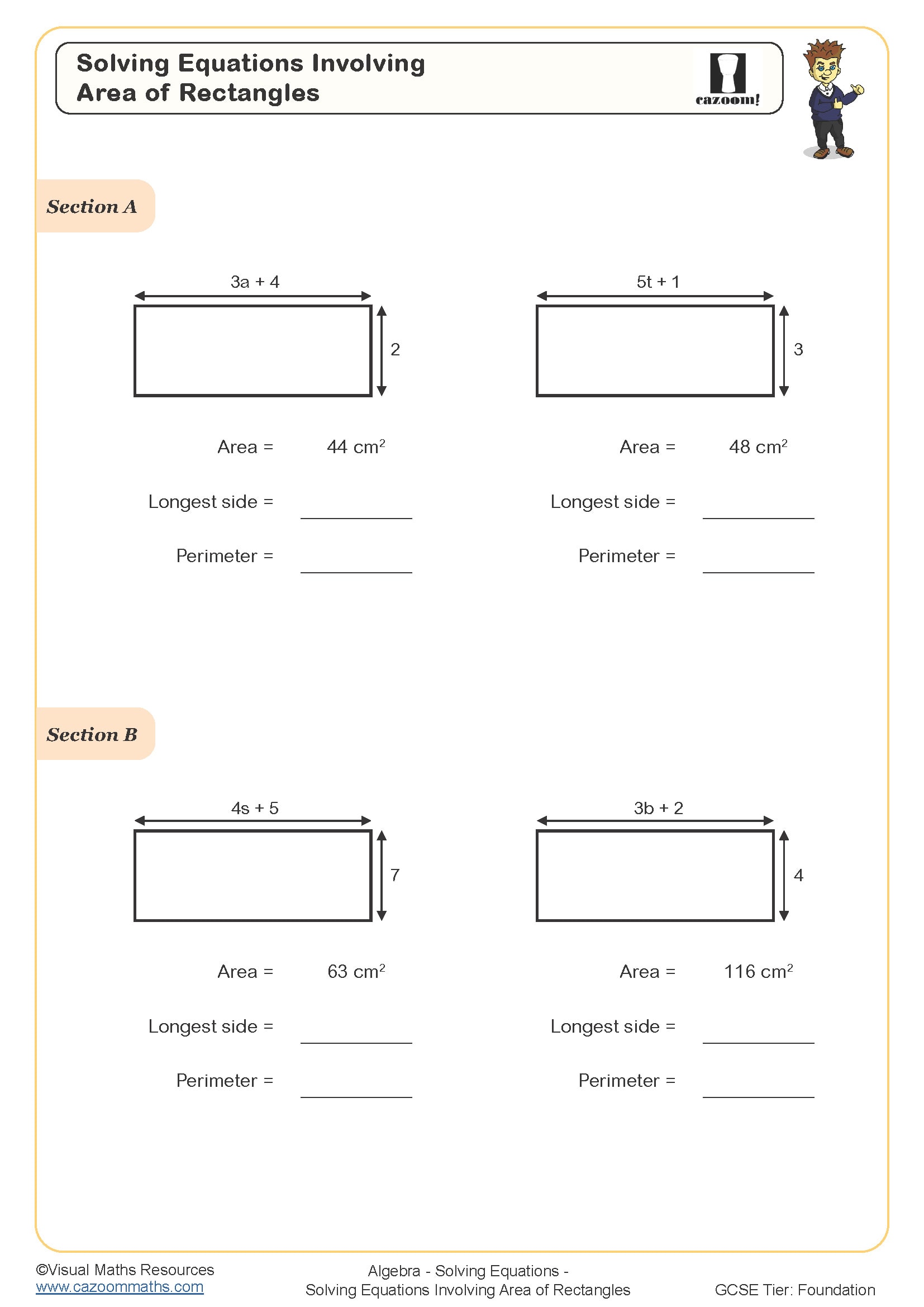
Solving Equations Involving Area of Rectangles
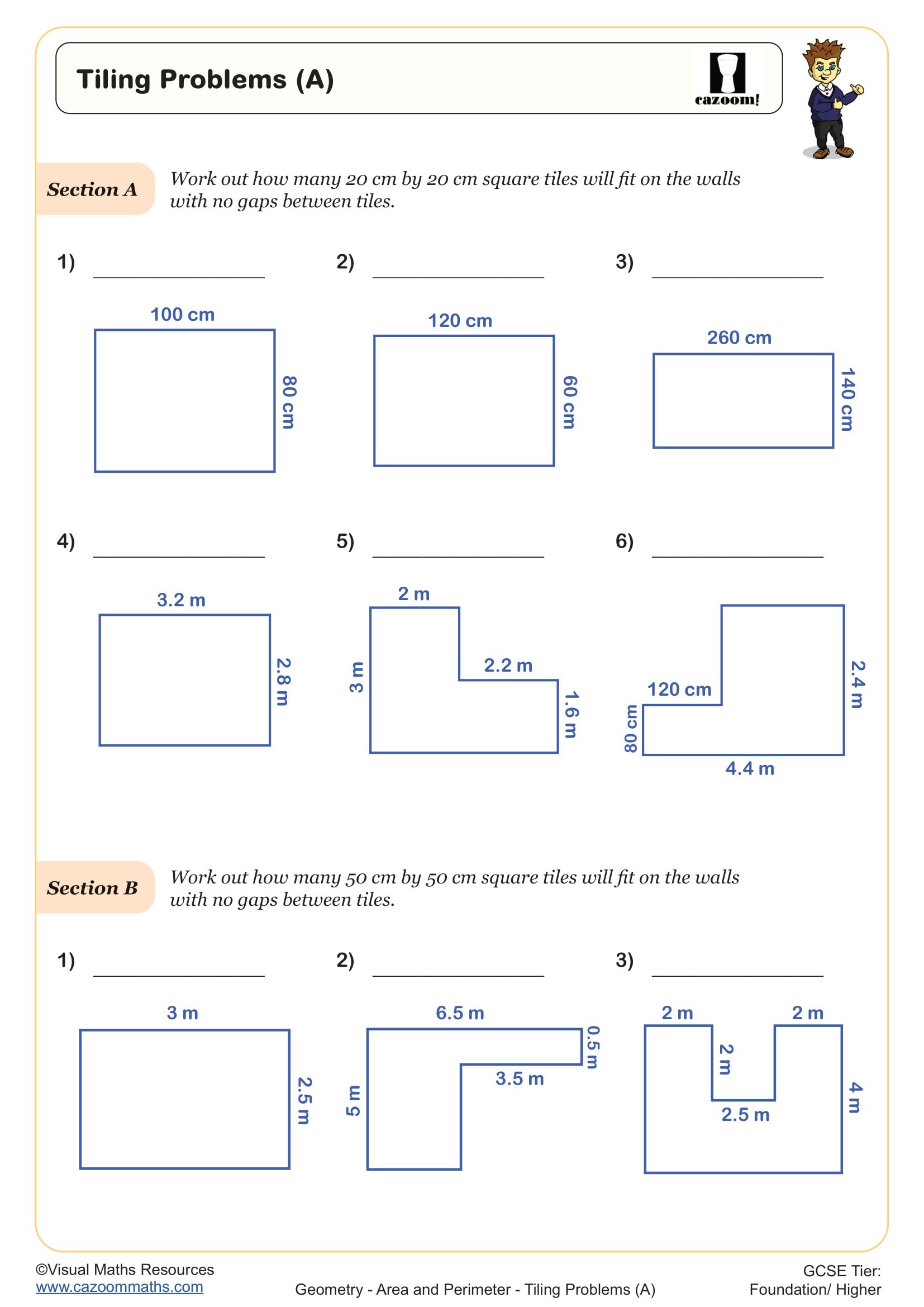
Tiling Problems (A)
All worksheets are created by the team of experienced teachers at Cazoom Maths.
What do students learn about perimeter KS3?
At Key Stage 3, students build on primary knowledge to work with perimeter of composite shapes, shapes involving algebra, and problems requiring reverse calculations. The National Curriculum expects Year 7 students to confidently find perimeters of rectilinear shapes before progressing to compound shapes formed from rectangles and triangles in Year 8, then tackling circles and problem-solving contexts in Year 9.
A common error occurs when students add only the visible edges of compound shapes rather than the complete boundary. Teachers report that students who struggle with perimeter often haven't visualised tracing around the entire outside edge, particularly when shapes have indentations or internal boundaries that shouldn't be counted. Exam mark schemes consistently penalise this misunderstanding.
Which year groups study area and perimeter at KS3?
These worksheets cover Year 7, Year 8, and Year 9, spanning the complete Key Stage 3 curriculum for area and perimeter. Year 7 focuses on rectangles, triangles, and parallelograms with whole number dimensions, establishing formula recall and application. Year 8 introduces compound shapes requiring decomposition, trapeziums, and problems involving decimal measurements.
By Year 9, students tackle circles (circumference and area), mixed unit conversions, and reverse problems where they work backwards from area to find missing dimensions. This progression ensures students develop the confidence needed for GCSE questions, which typically combine area and perimeter with algebra, ratio, or real-world contexts like landscaping or packaging design.
How do students calculate the perimeter of composite shapes?
Calculating perimeter of composite shapes requires students to identify all external edges and add their lengths systematically. The key technique involves recognising that missing side lengths can be deduced using opposite sides in rectilinear shapes, or by subtracting known dimensions from totals. Students must distinguish between internal lines (which don't contribute to perimeter) and the continuous outer boundary.
This skill connects directly to architectural drawing and construction planning, where accurate perimeter calculations determine fencing requirements, skirting board quantities, or border materials. Landscape gardeners routinely use these calculations when estimating edging for flowerbeds or pathways. Teachers find that presenting these STEM contexts helps students understand why careful measurement matters and why missing even one edge length affects the entire calculation.
How should teachers use these area and perimeter worksheets?
The worksheets scaffold learning through progressive difficulty levels, typically starting with straightforward formula application before introducing multi-step problems and algebraic dimensions. Answer sheets allow students to check their work immediately, helping them identify calculation errors or formula confusion before these become embedded misconceptions. This self-checking approach builds independence whilst keeping teachers informed about who needs additional support.
Teachers use these resources for differentiated homework sets, allowing higher-attaining students to attempt challenging composite shapes whilst others consolidate rectangle and triangle work. They're particularly effective for revision before assessments or for intervention groups who missed initial teaching. Paired work sessions where students compare solution methods often reveal different approaches to decomposing shapes, helping learners develop flexible problem-solving strategies rather than rigid formula application.