Year 8 Area and Perimeter Worksheets
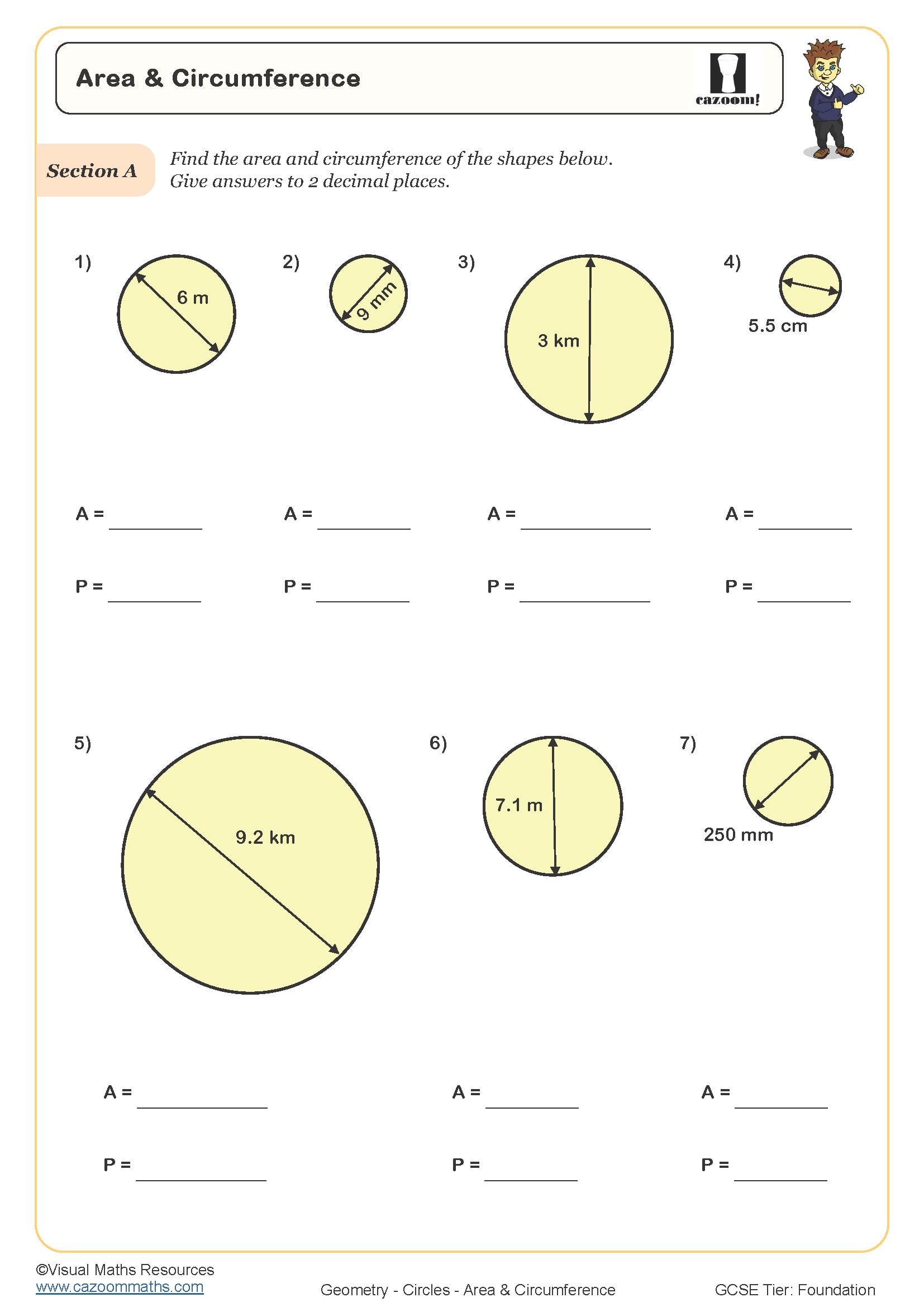
Area and Circumference
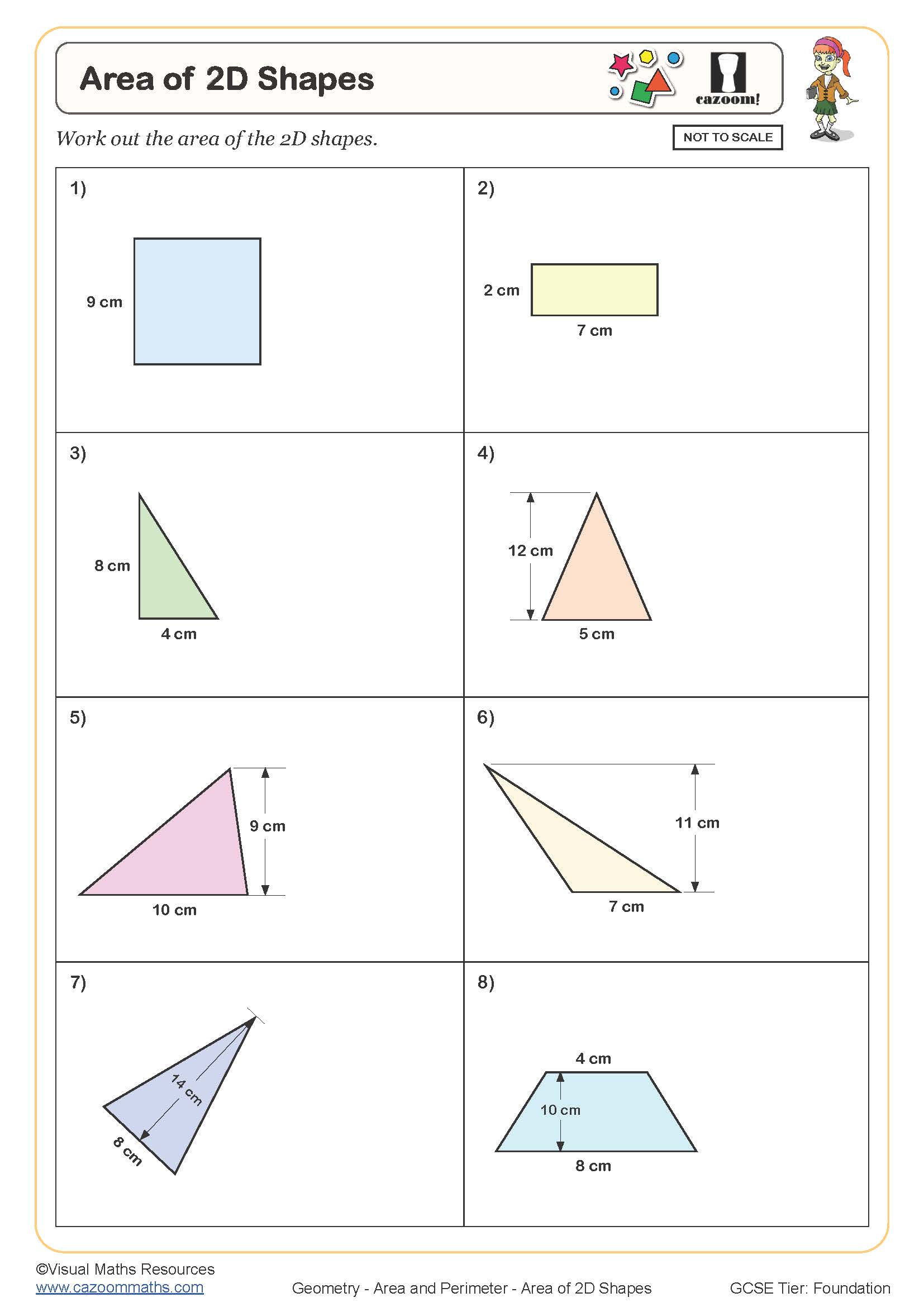
Area of 2D shapes
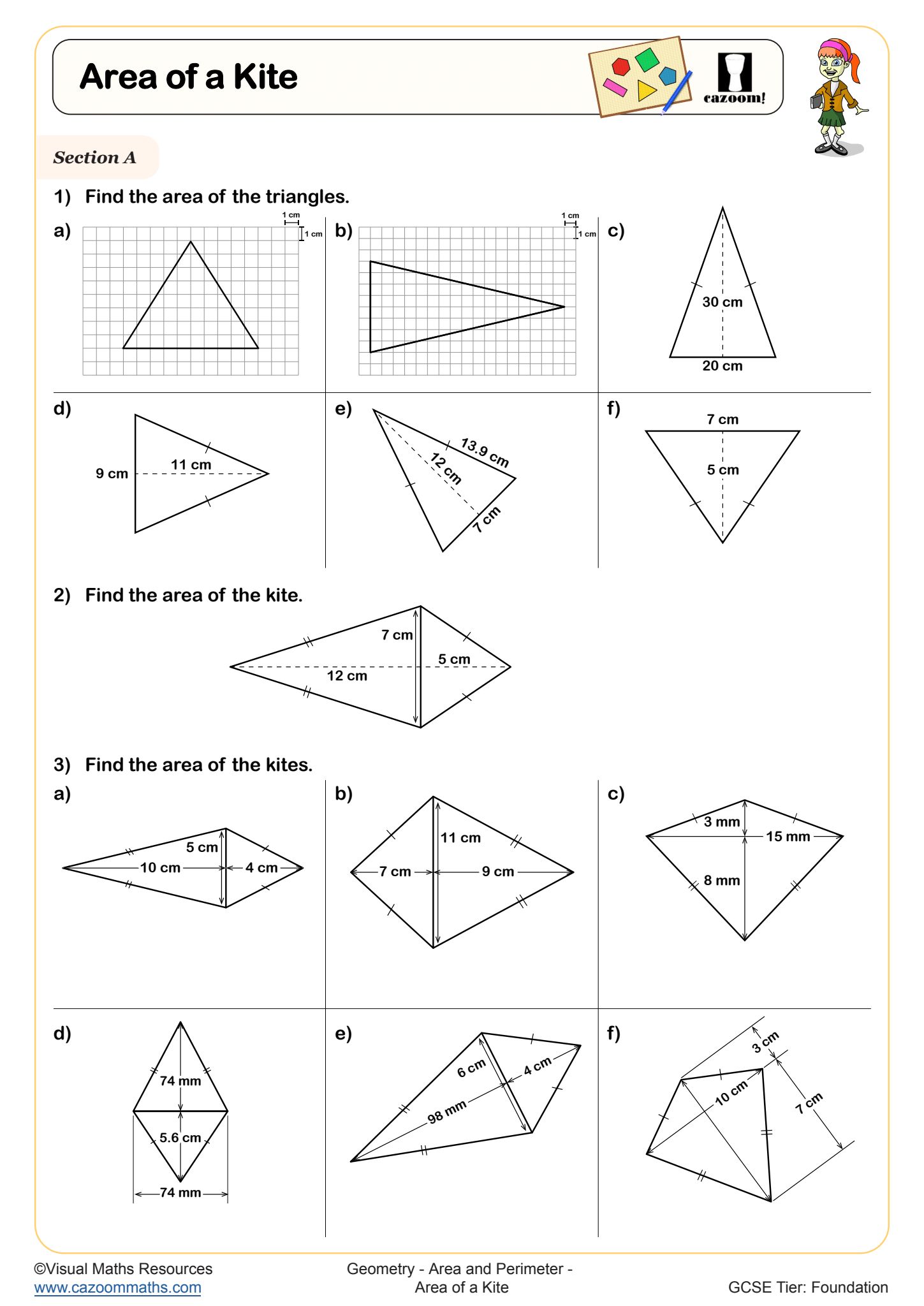
Area of a Kite
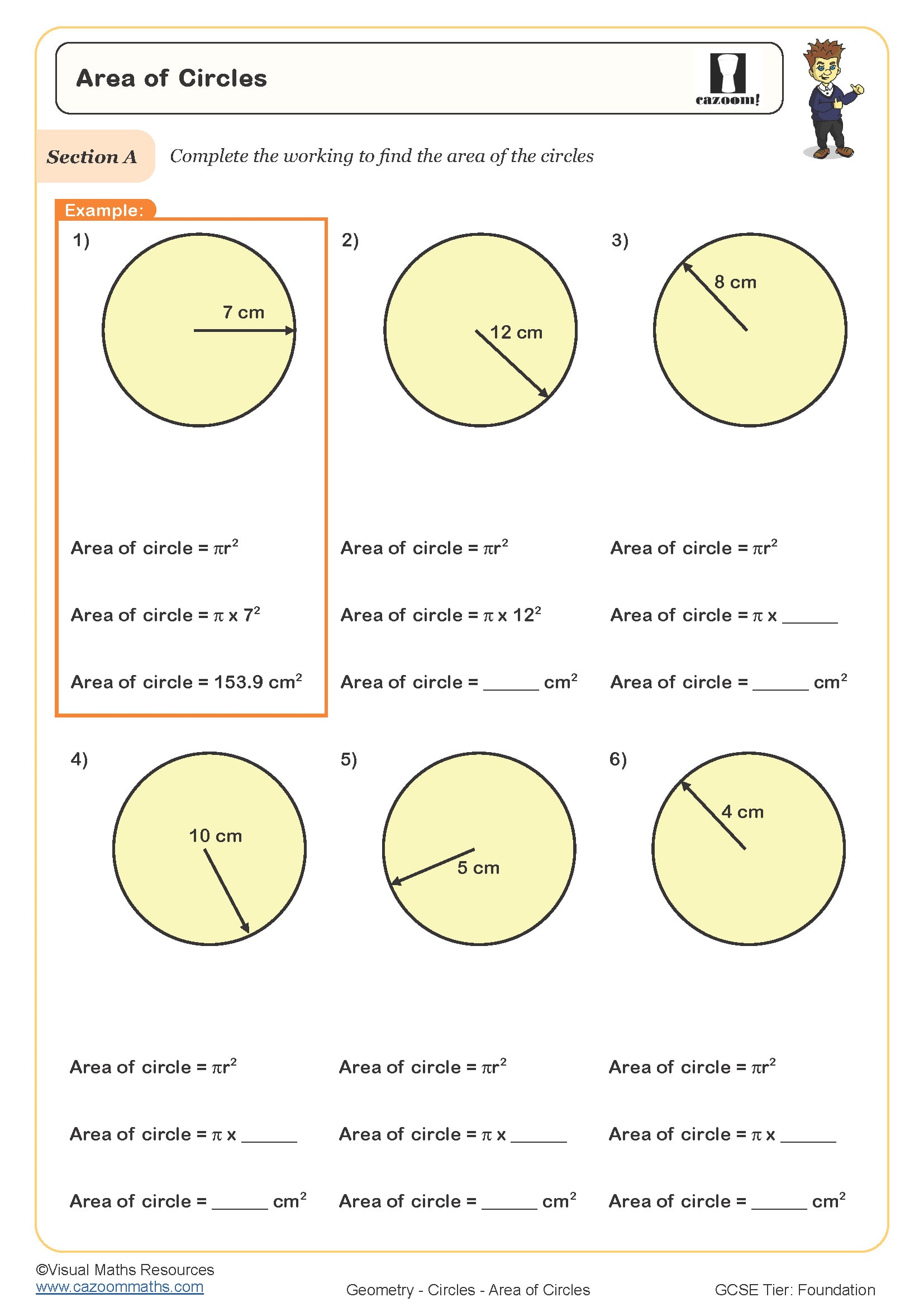
Area of Circles
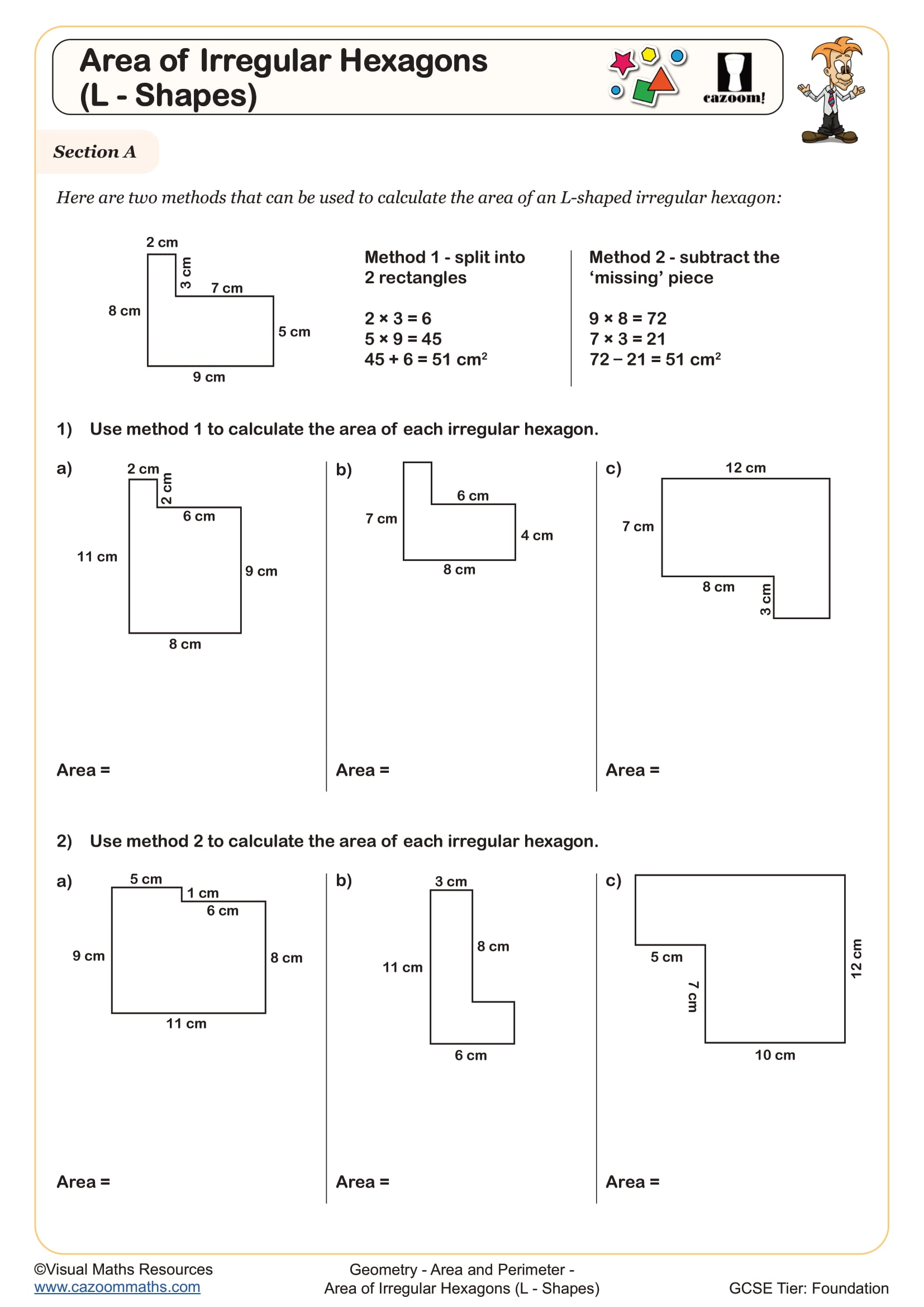
Area of Irregular Hexagons (L - Shapes)
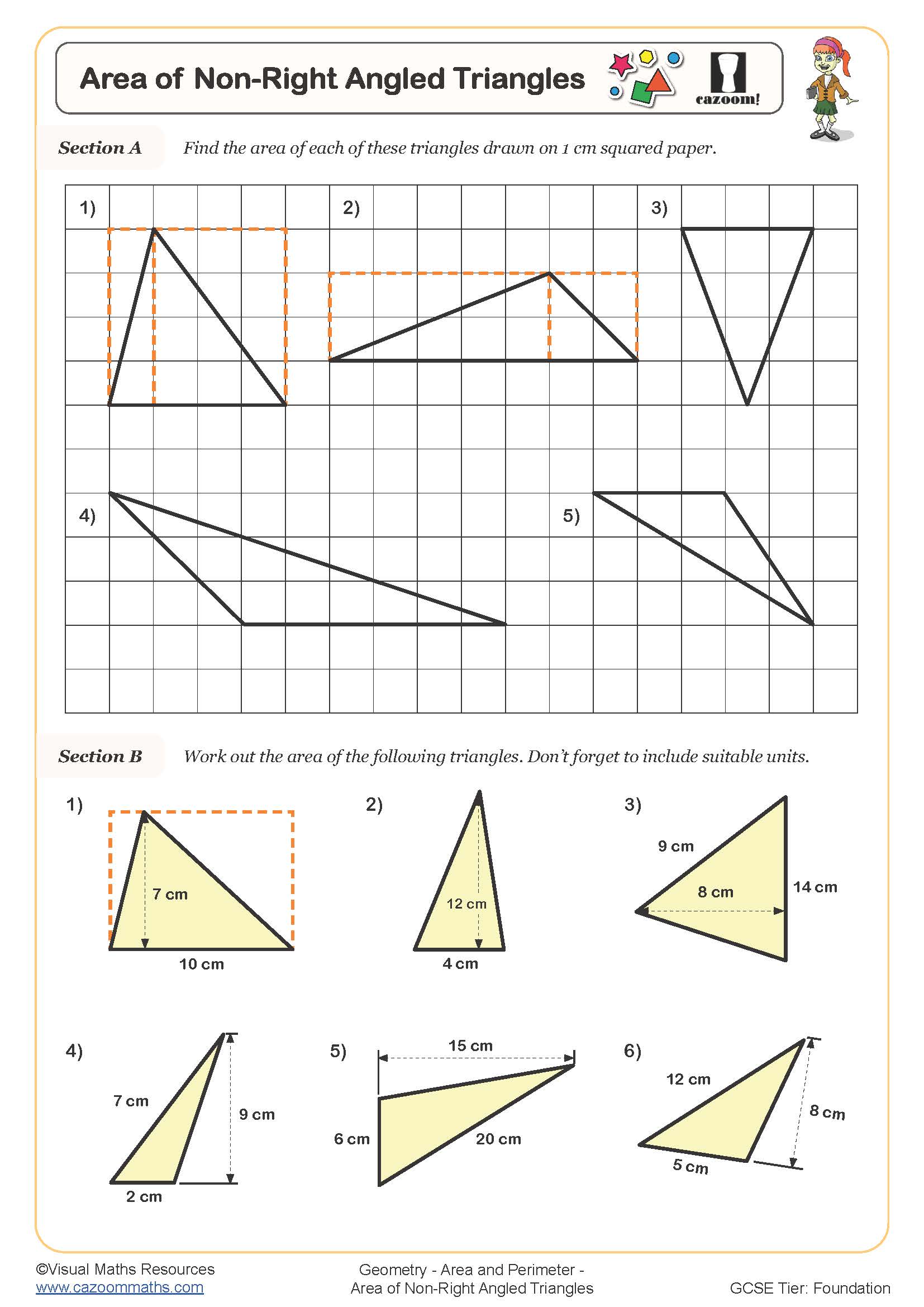
Area of Non-Right Angled Triangles
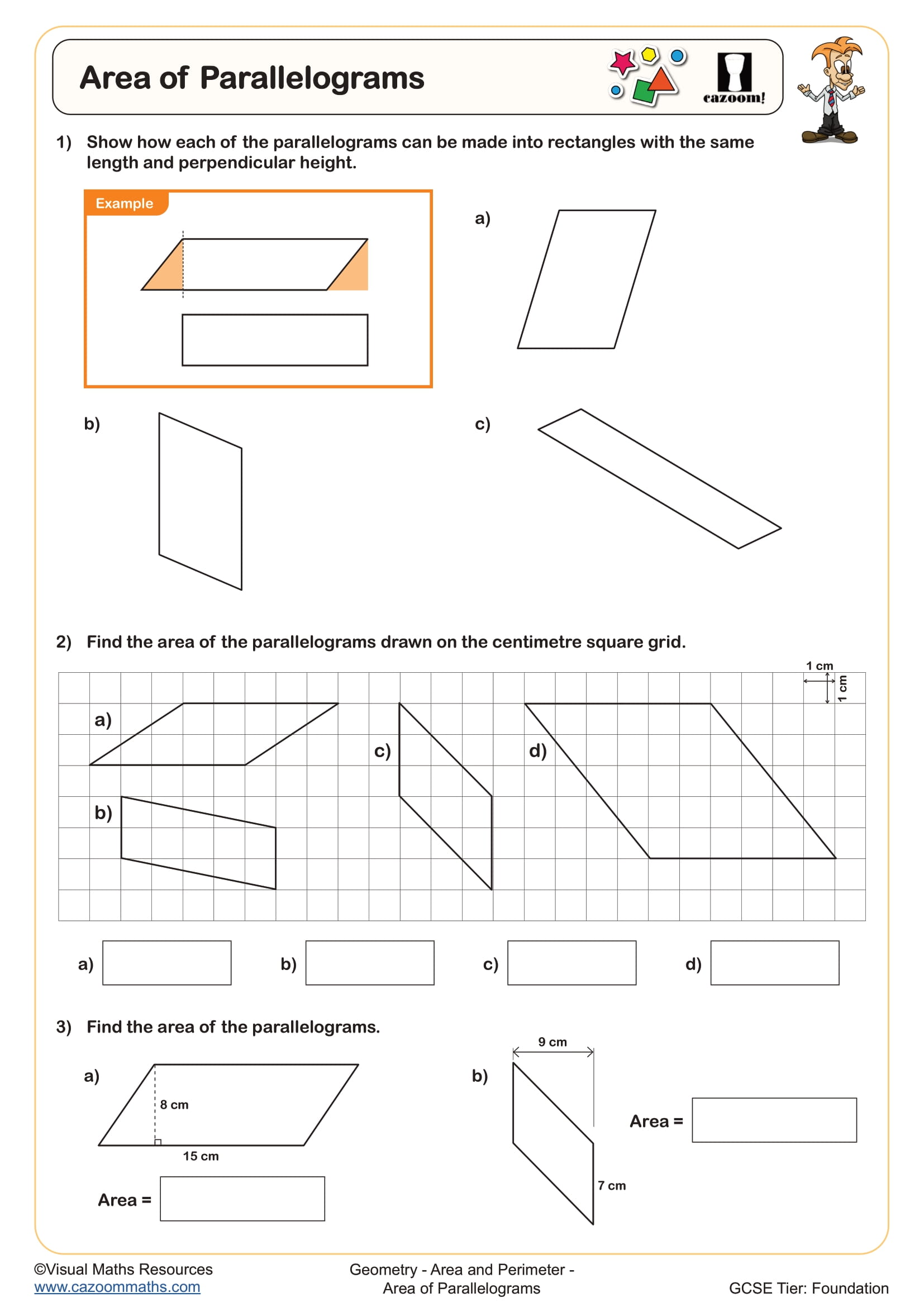
Area of Parallelograms
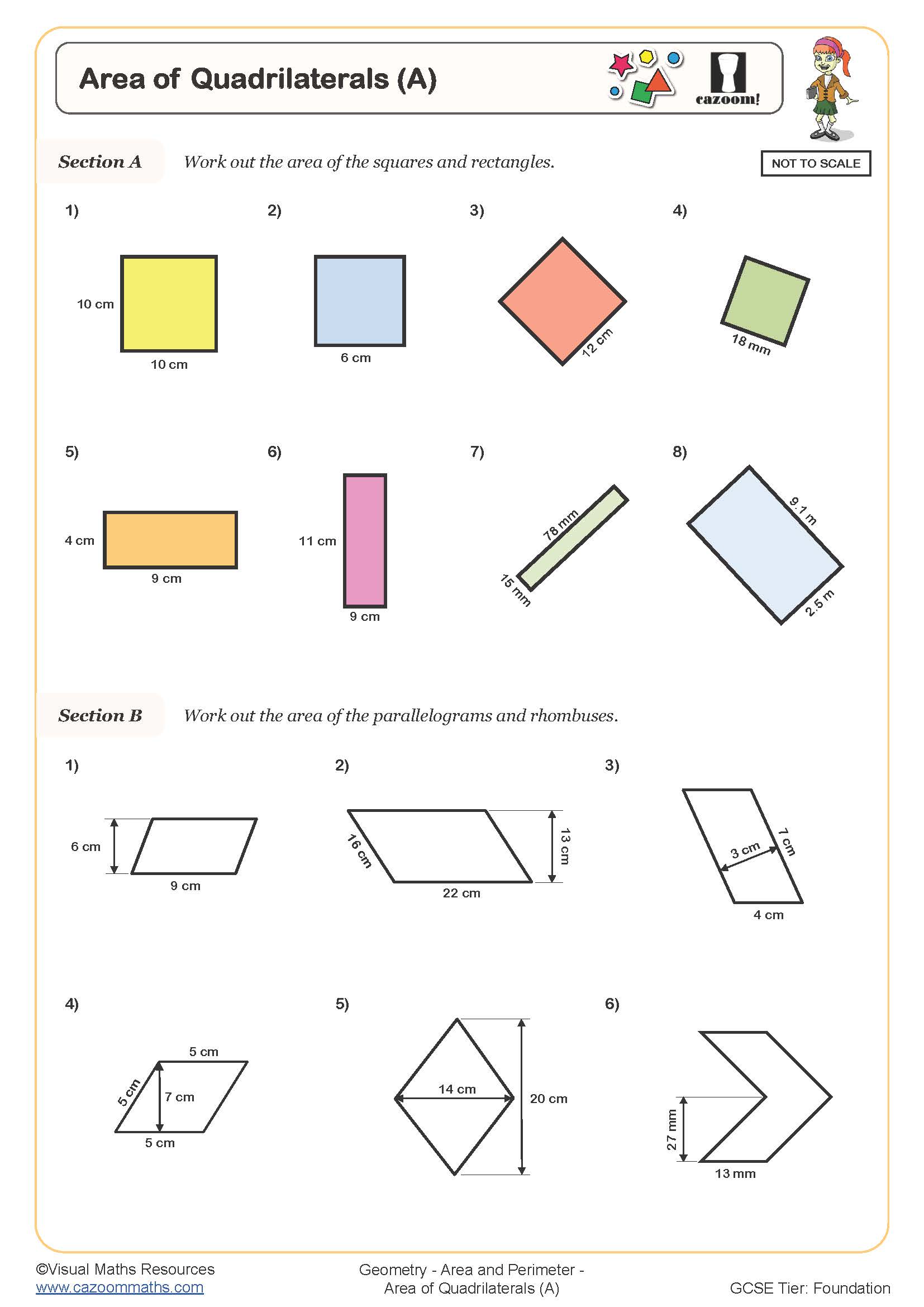
Area of Quadrilaterals (A)
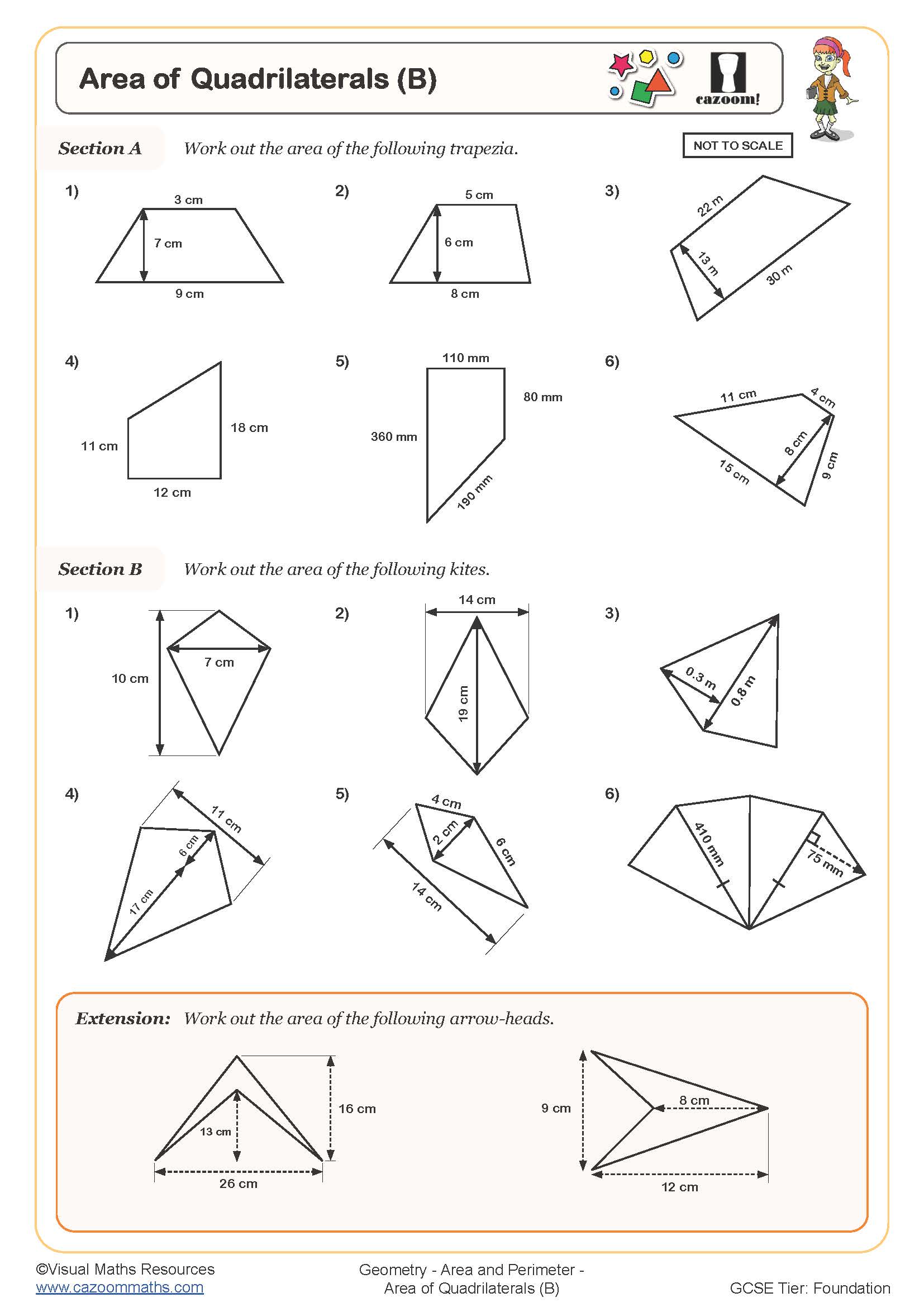
Area of Quadrilaterals (B)
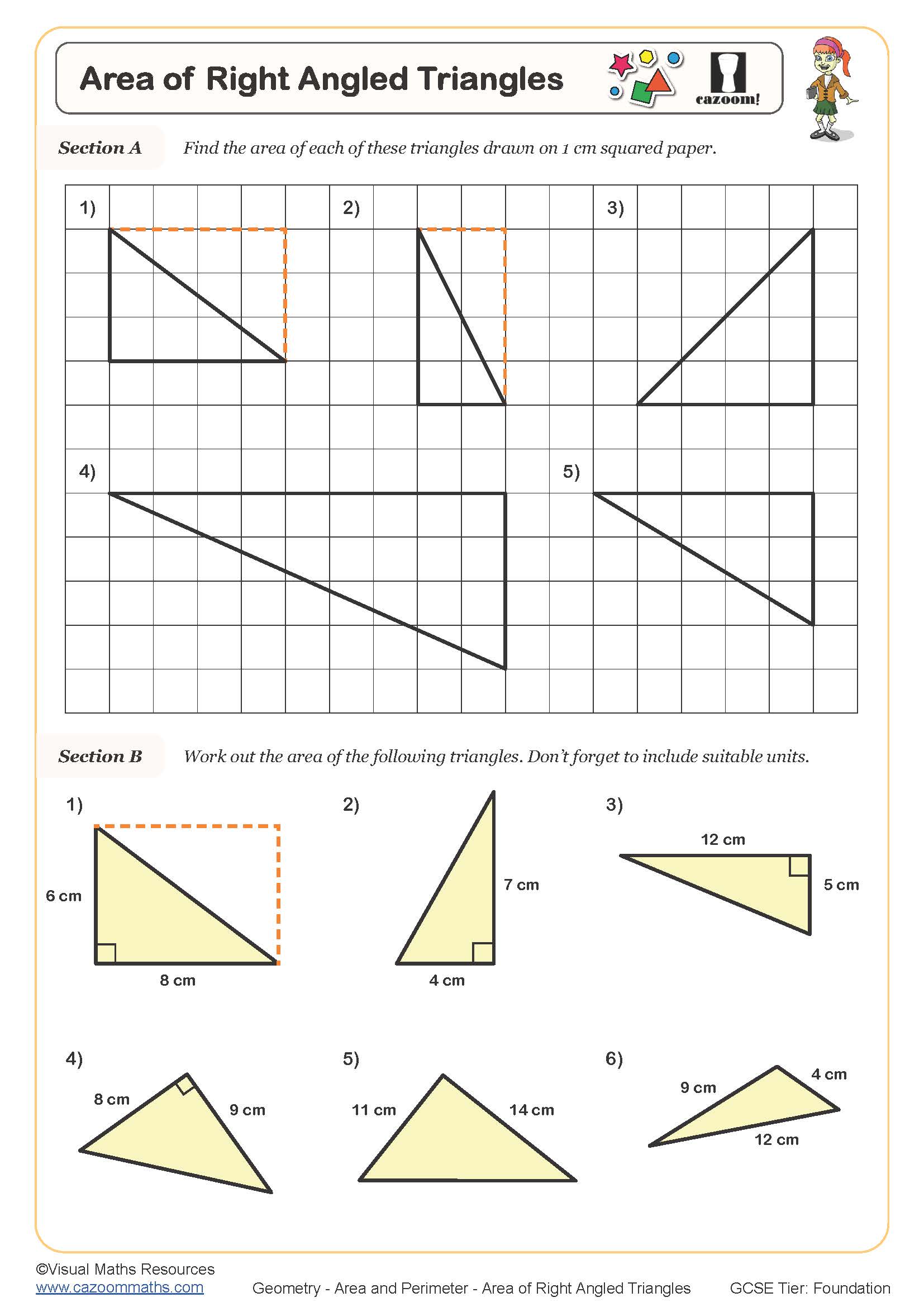
Area of Right Angled Triangles
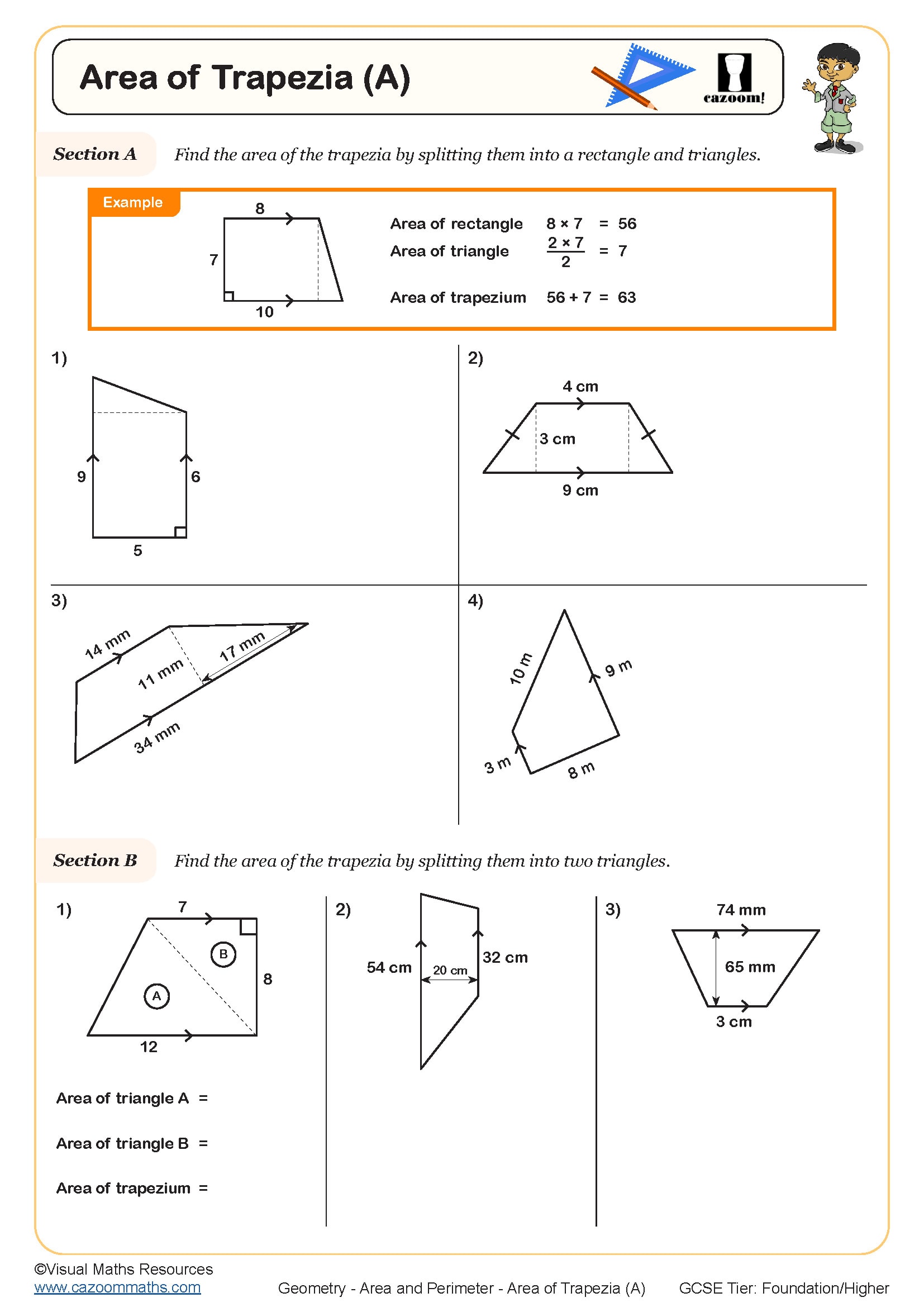
Area of Trapezia (A)
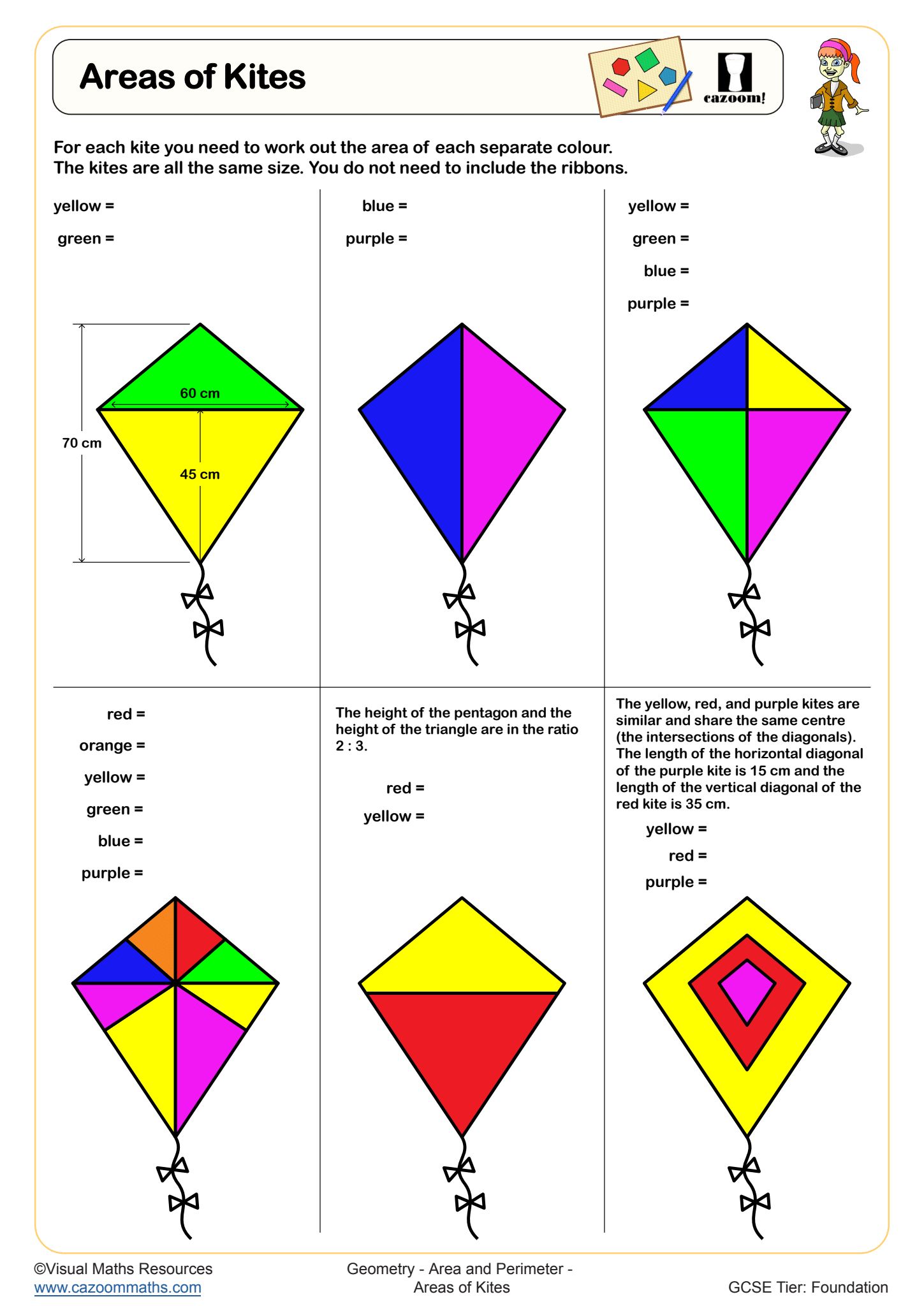
Areas of Kites
Circle Area Problems
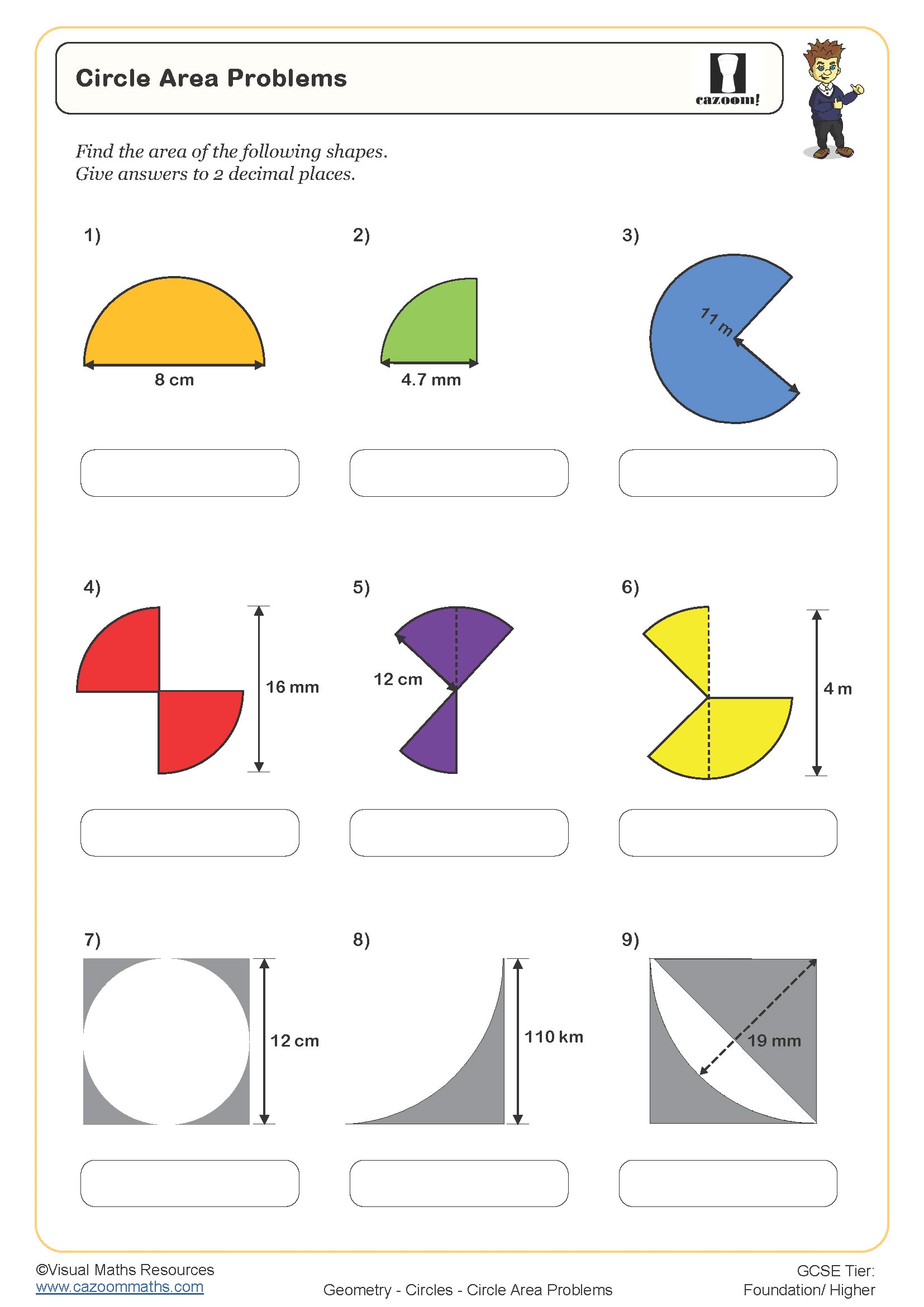
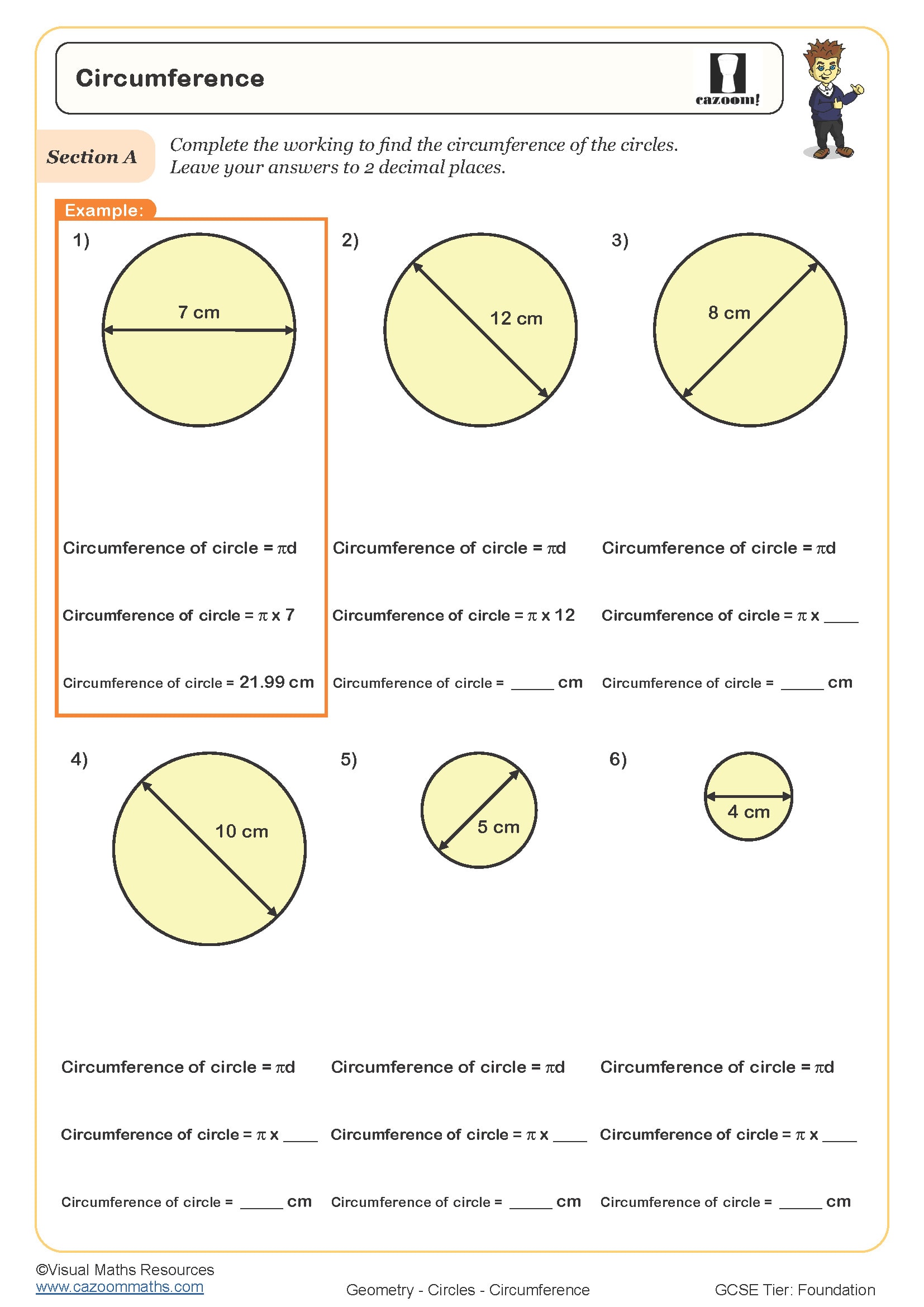
Circumference
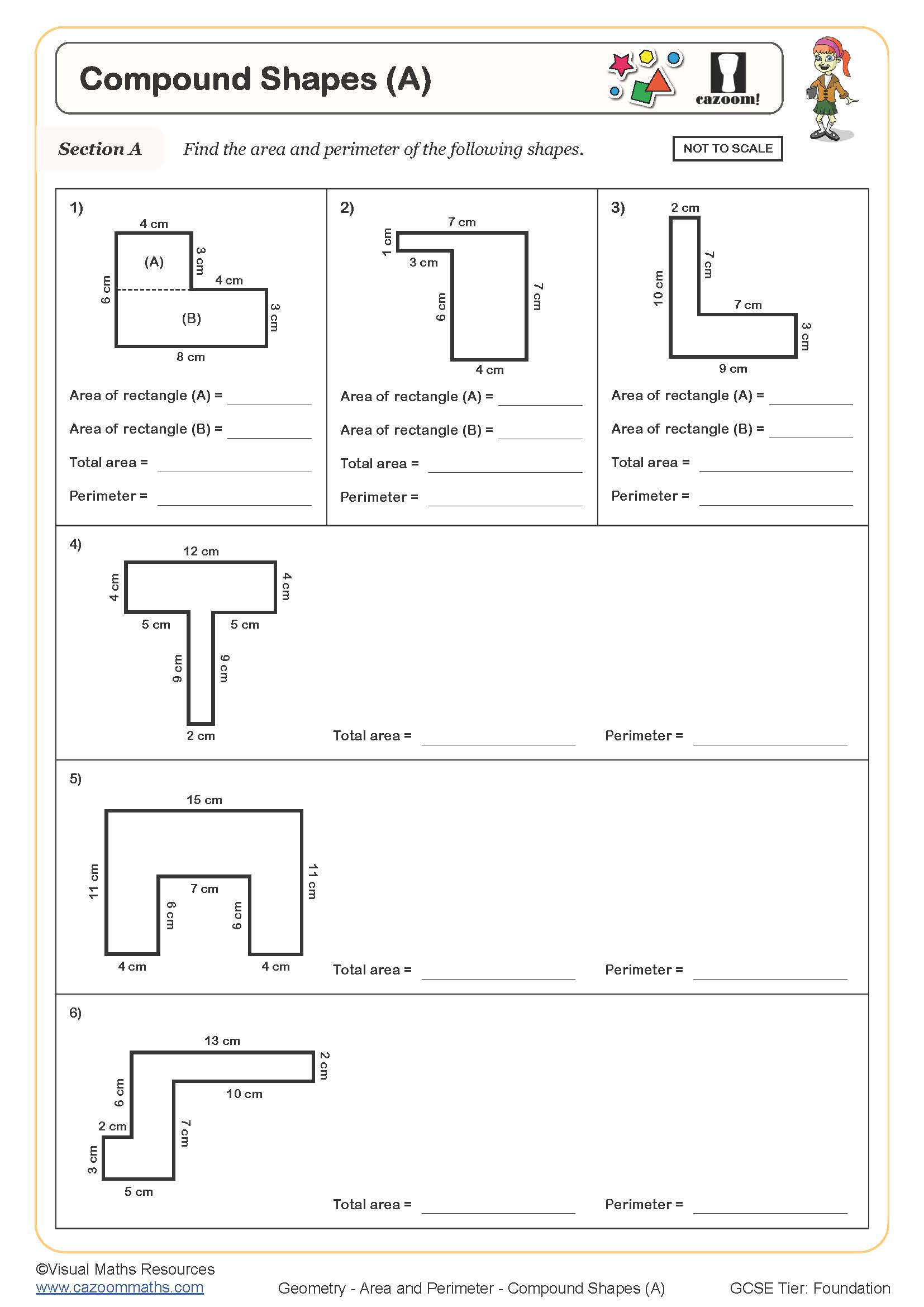
Compound Shapes (A)
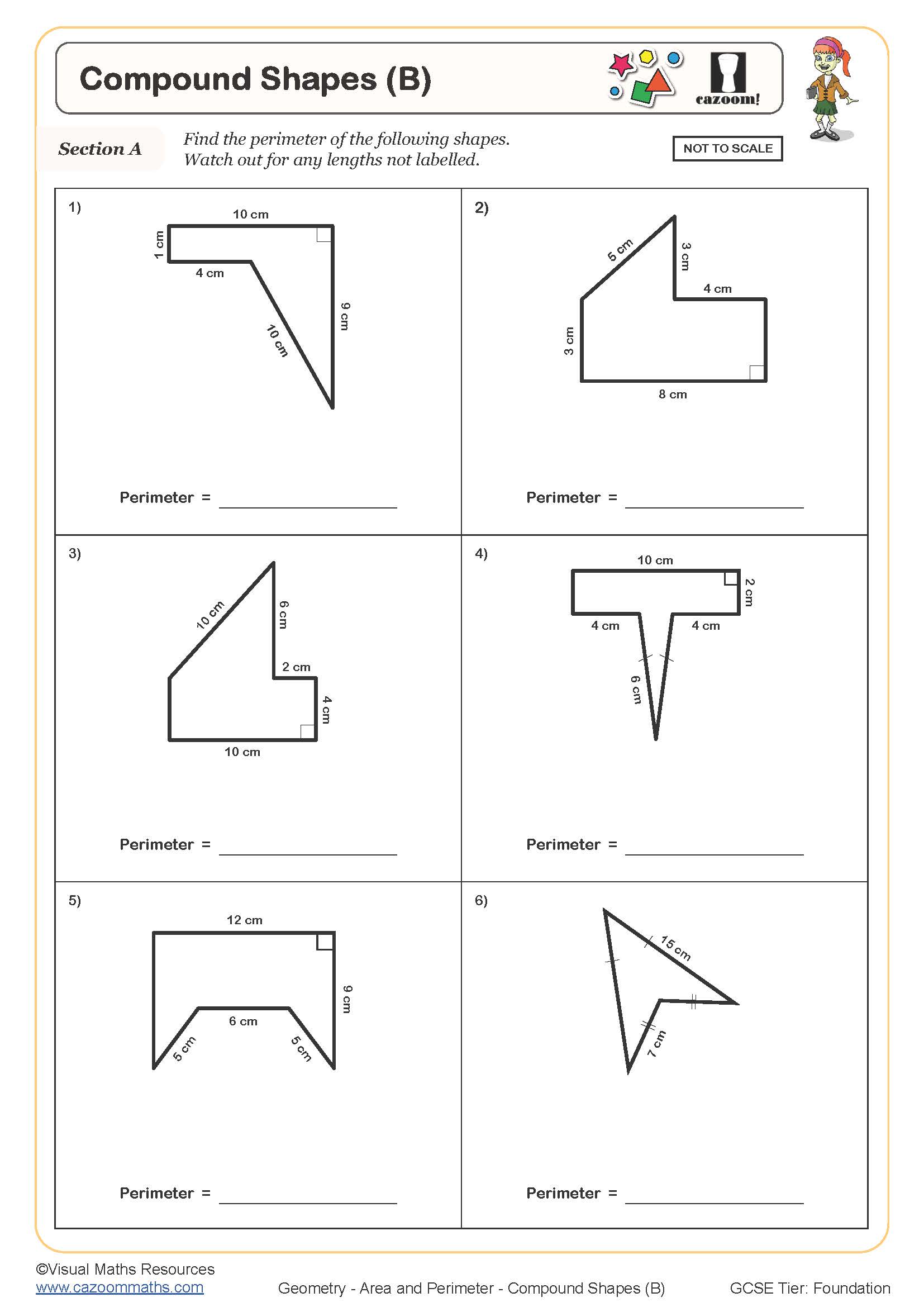
Compound Shapes (B)
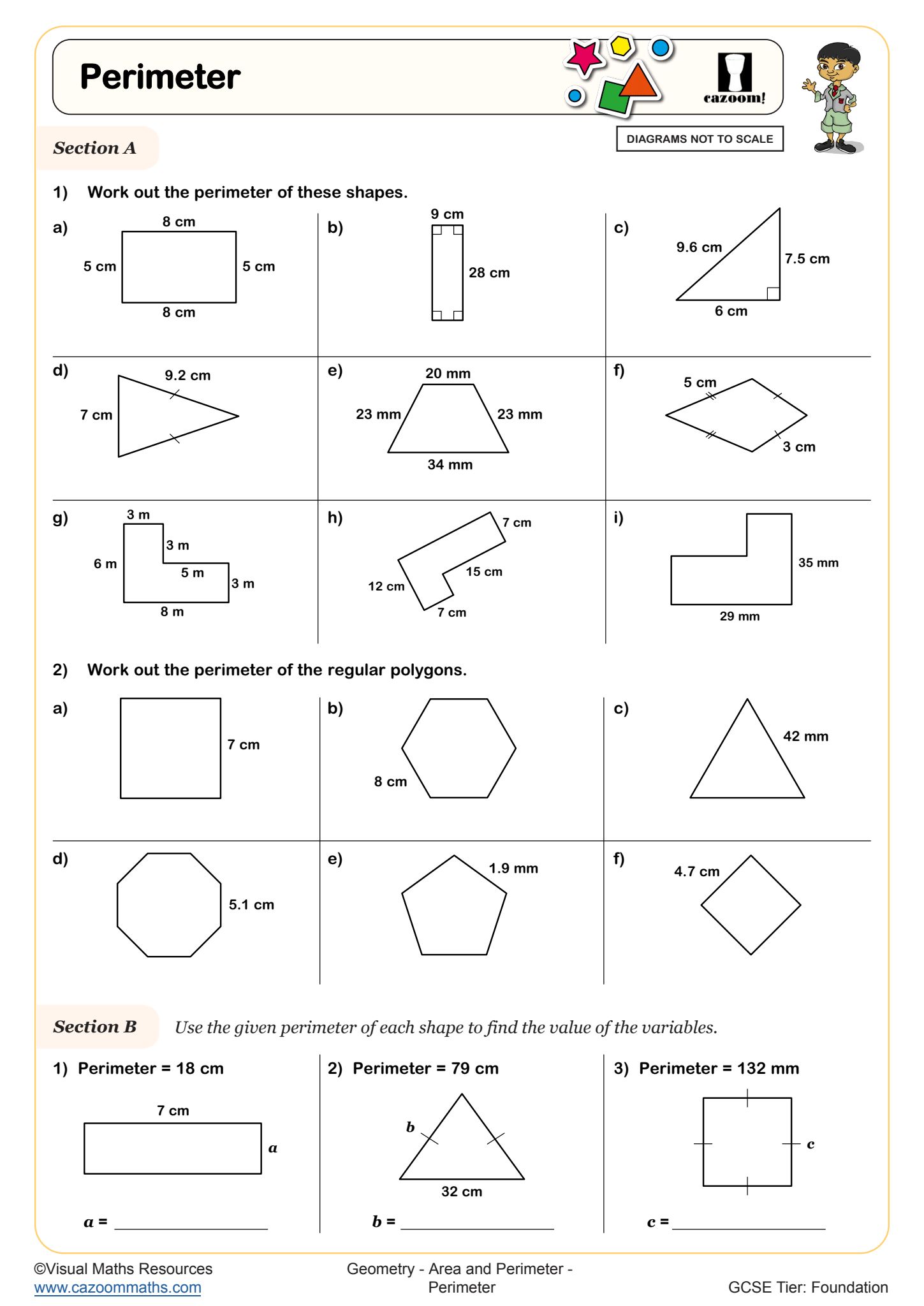
Perimeter
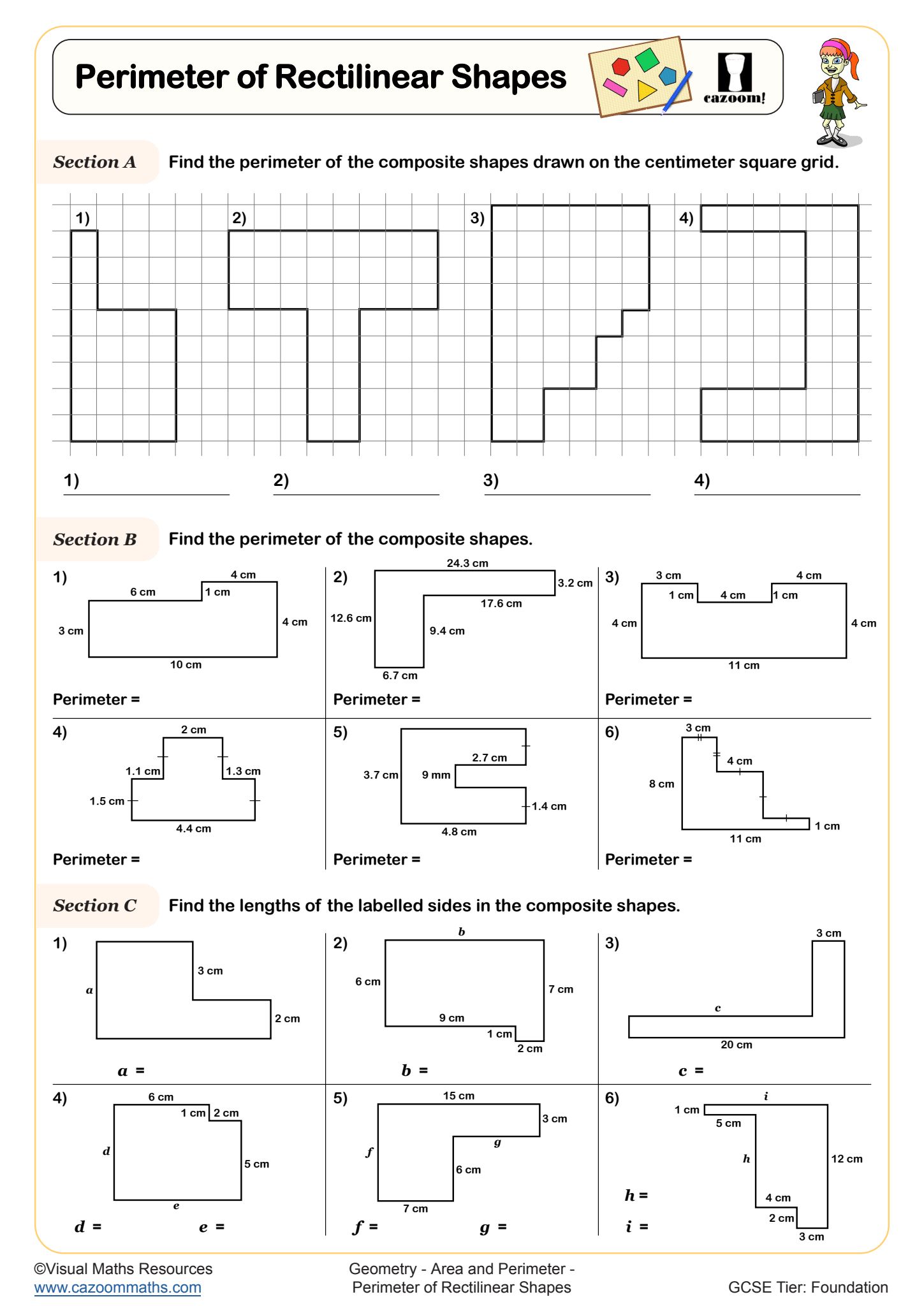
Perimeter of Rectilinear Shapes
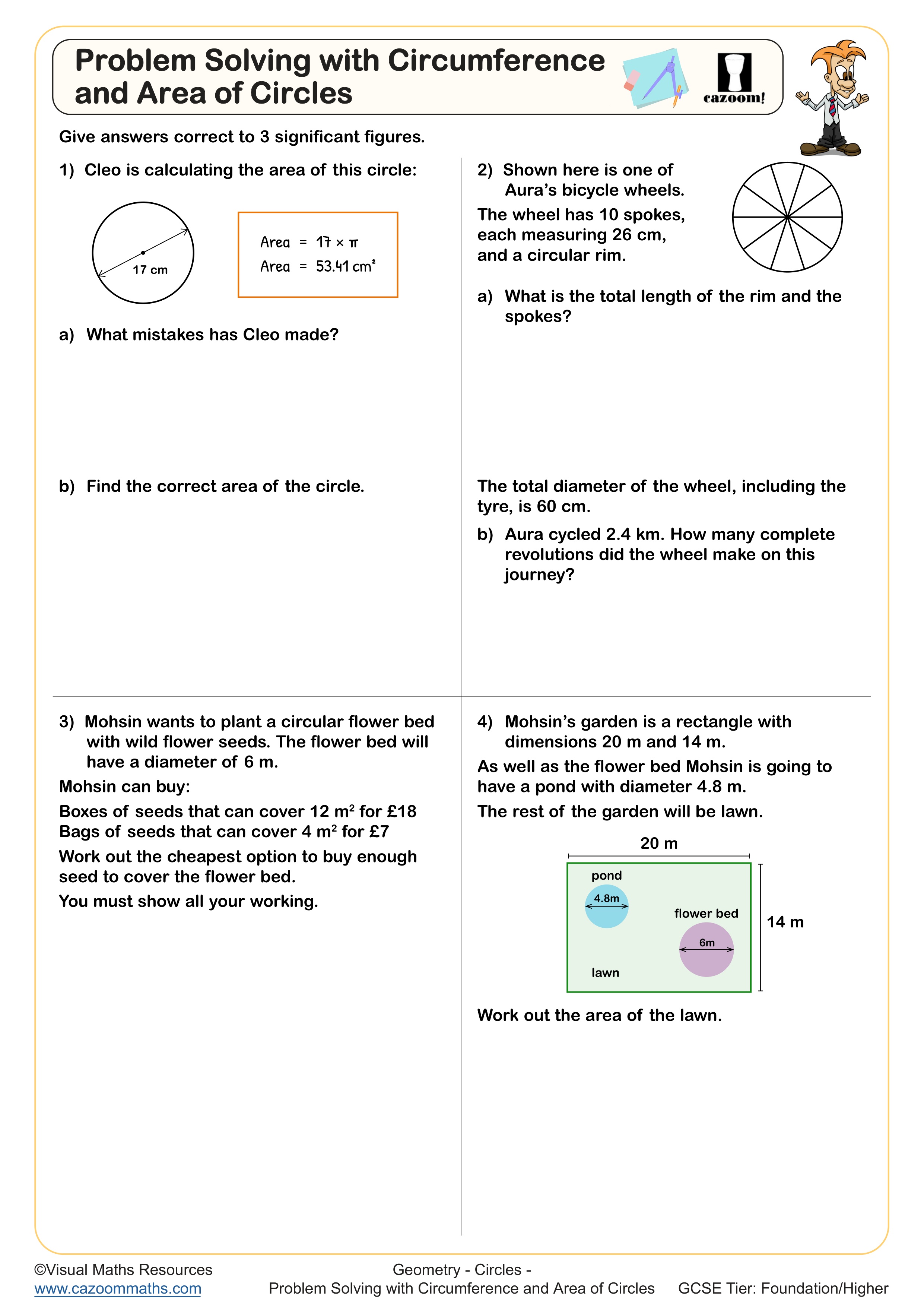
Problem Solving with Circumference and Area of Circle
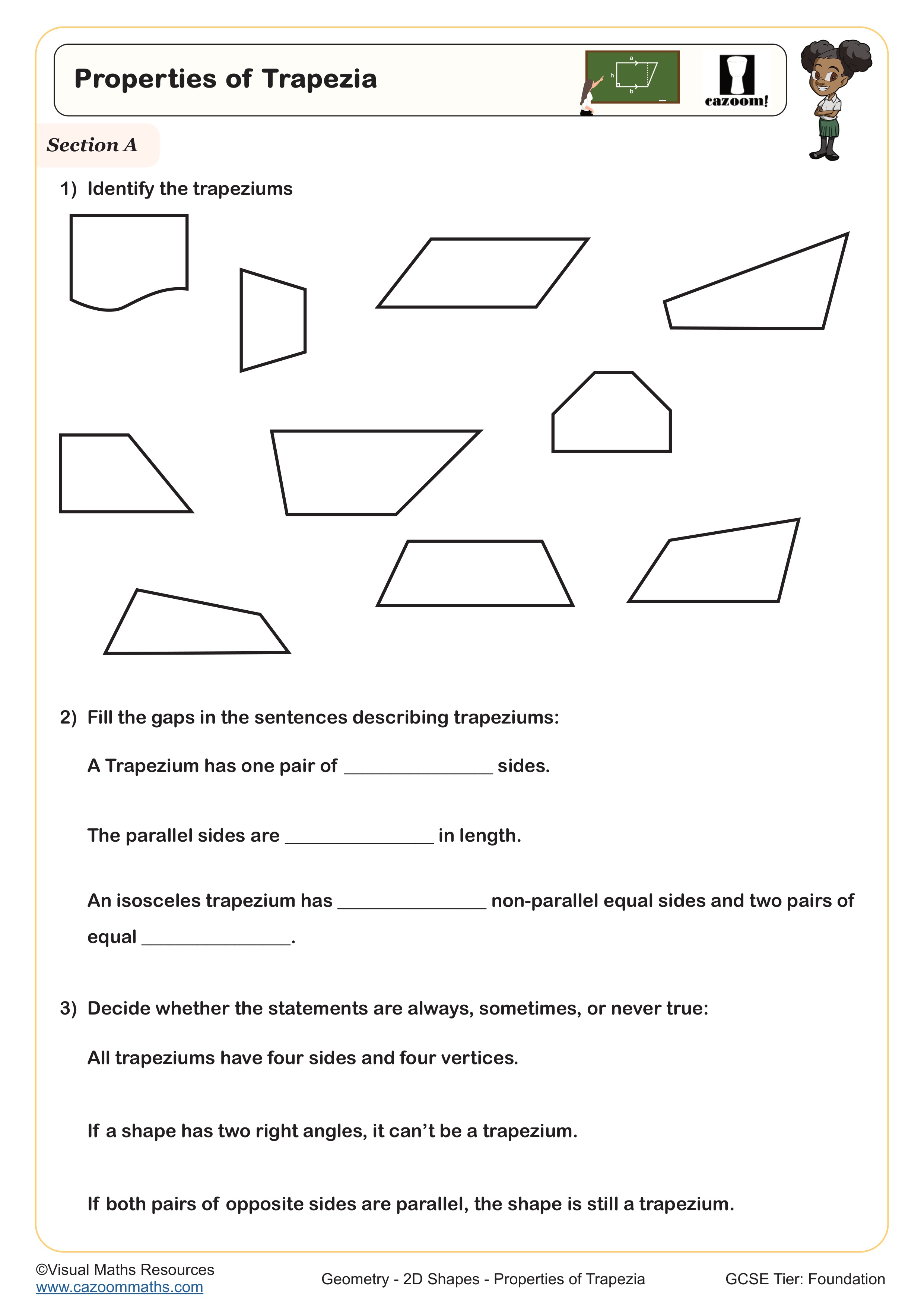
Properties of Trapezia
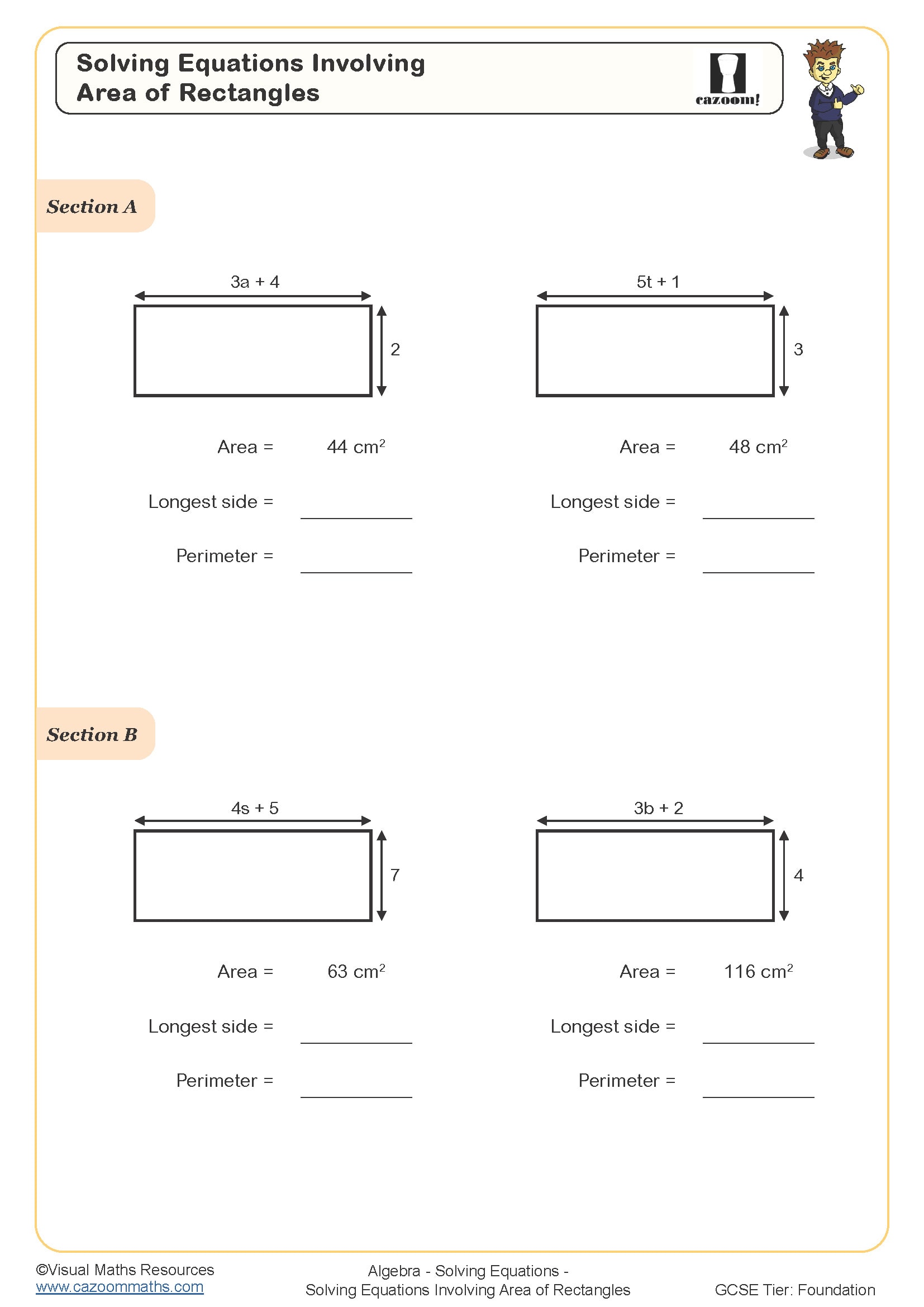
Solving Equations Involving Area of Rectangles
All worksheets are created by the team of experienced teachers at Cazoom Maths.
What makes effective year 8 area and perimeter worksheets pdf resources?
Effective area and perimeter worksheets for Year 8 students balance foundational practice with challenging applications that reflect National Curriculum expectations. The worksheets should progress from basic shapes to composite figures, incorporating both metric and imperial units where appropriate for real-world context.
Teachers frequently observe that students make errors when identifying which measurement represents length versus width, particularly with rectangles drawn in different orientations. Quality worksheets address this by presenting shapes in various positions and including diagrams that clearly label dimensions, helping students develop spatial awareness alongside computational skills.
How do these worksheets support progression from Year 7 to Year 9?
Year 8 area and perimeter work builds on Year 7's introduction to basic shapes by incorporating circles, compound shapes, and problem-solving contexts. Students move beyond simple substitution into formulae towards understanding why different shapes require different approaches, preparing them for Year 9's more complex geometry.
Many teachers notice that Year 8 students struggle most with composite shapes that require breaking figures into manageable parts. The worksheets scaffold this skill by starting with obvious divisions before progressing to shapes where students must decide how to decompose the figure themselves, developing crucial mathematical reasoning skills.
Why do students find circle area and circumference calculations particularly challenging?
Circle calculations present unique difficulties because students must work with π, often switching between exact answers and decimal approximations. Teachers observe that many Year 8 students confuse the formulae for area and circumference, particularly when questions mix both concepts within the same worksheet.
Successful practice materials provide clear visual cues distinguishing between radius and diameter, whilst explicitly stating when to use π or its decimal approximation. The worksheets include stepped examples showing how to substitute values correctly, helping students avoid the common error of confusing 2πr with πr².
How can teachers use these worksheets to address common misconceptions?
Teachers can strategically select questions that target specific misconceptions, such as students adding area and perimeter values or assuming all quadrilaterals use length × width. The answer sheets enable quick identification of where students go wrong, allowing for immediate intervention during lessons.
Many teachers find it effective to use selected questions as starter activities, focusing on one misconception per lesson. This approach works particularly well when combined with peer discussion, as students often explain concepts more clearly to each other than teachers can, helping to embed correct understanding before moving to independent practice.