Year 9 Area and Perimeter Worksheets
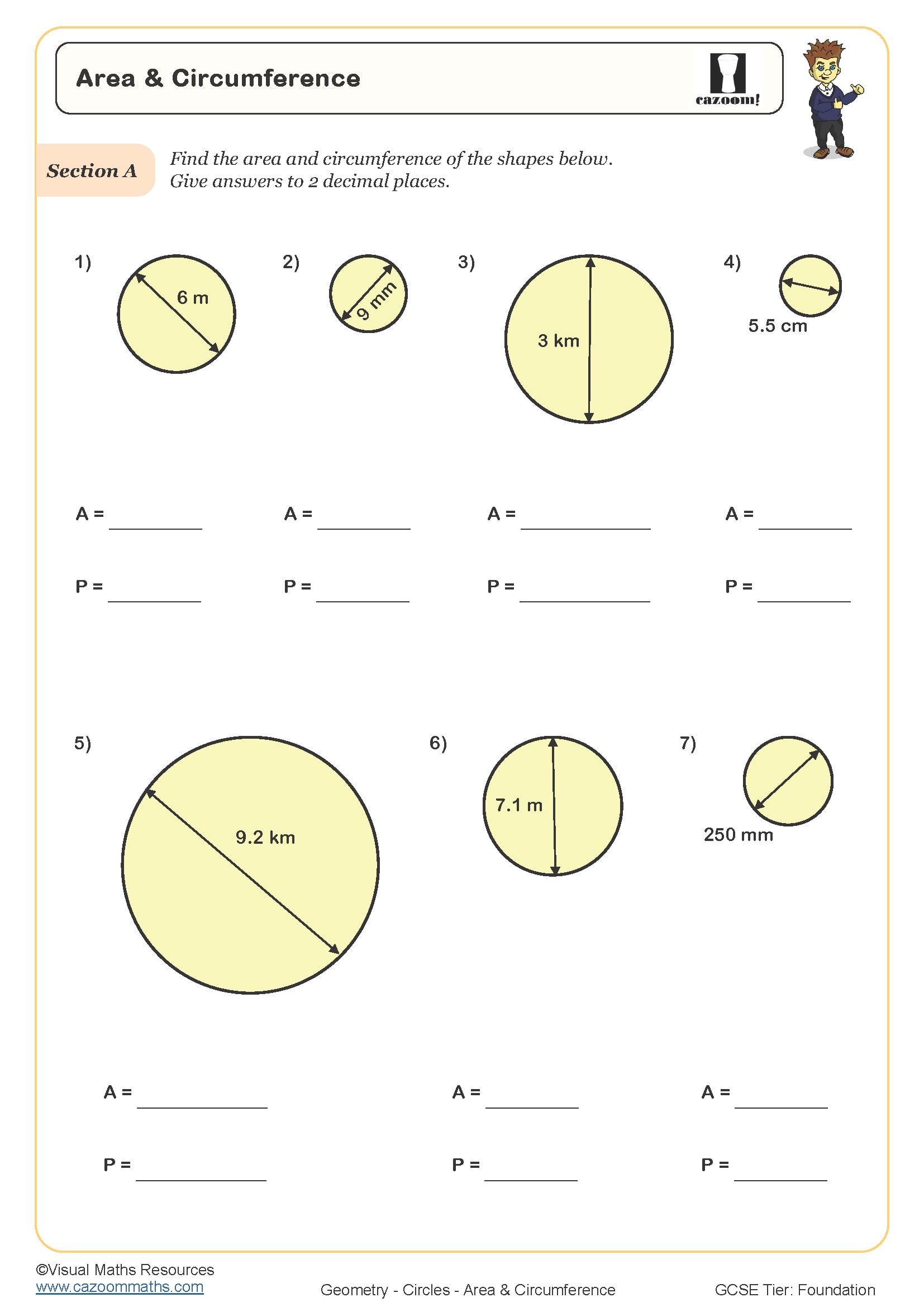
Area and Circumference
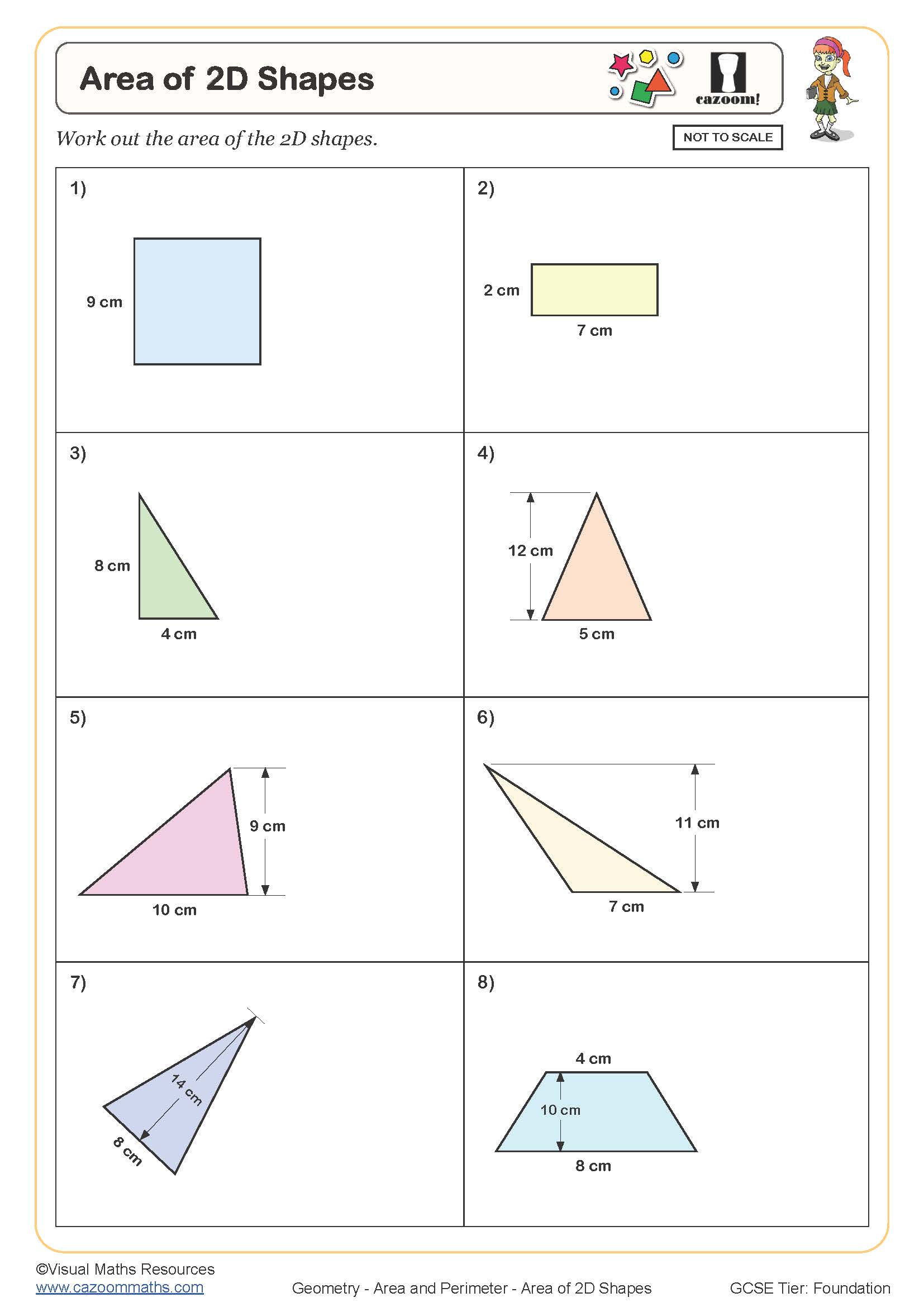
Area of 2D shapes
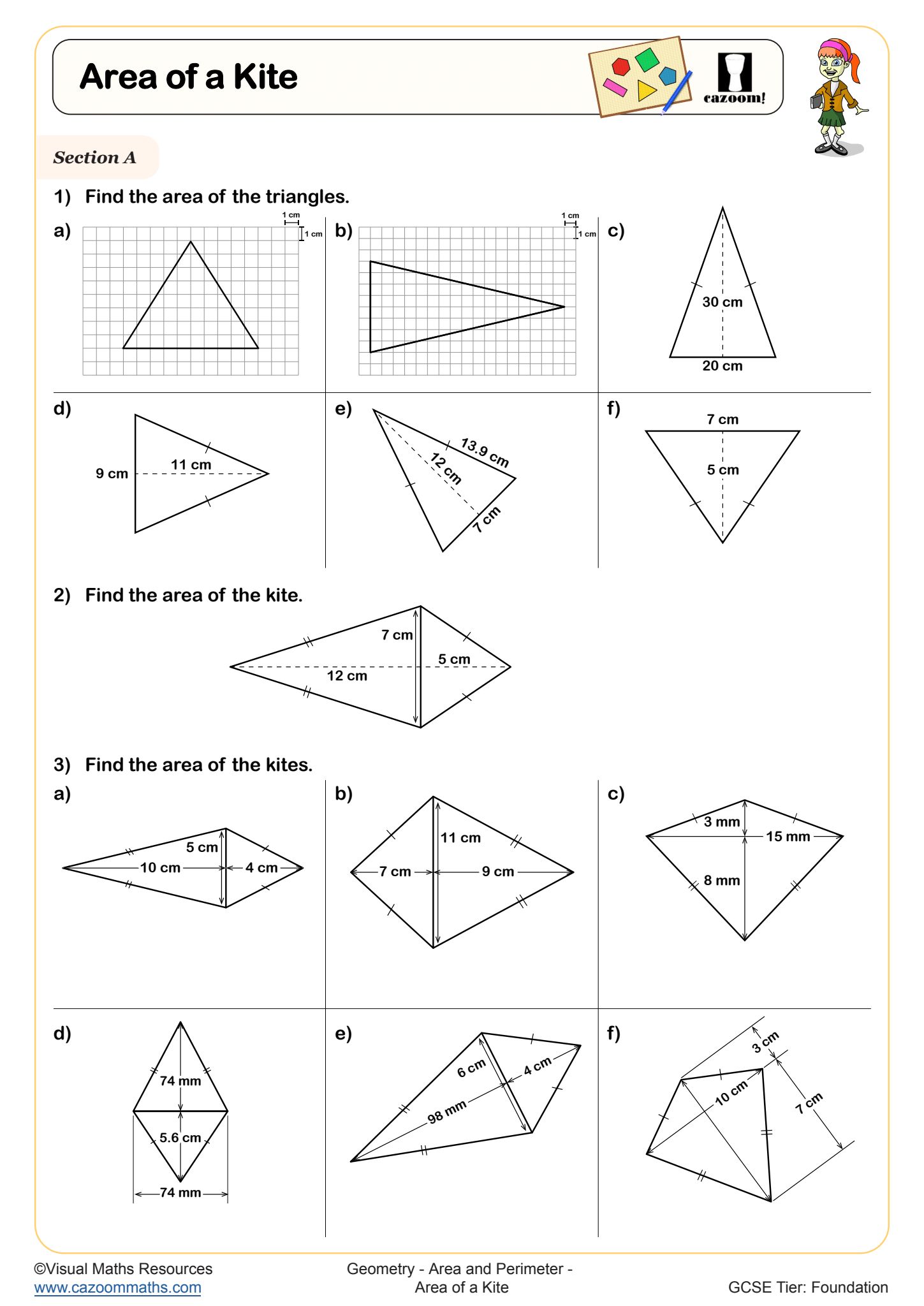
Area of a Kite
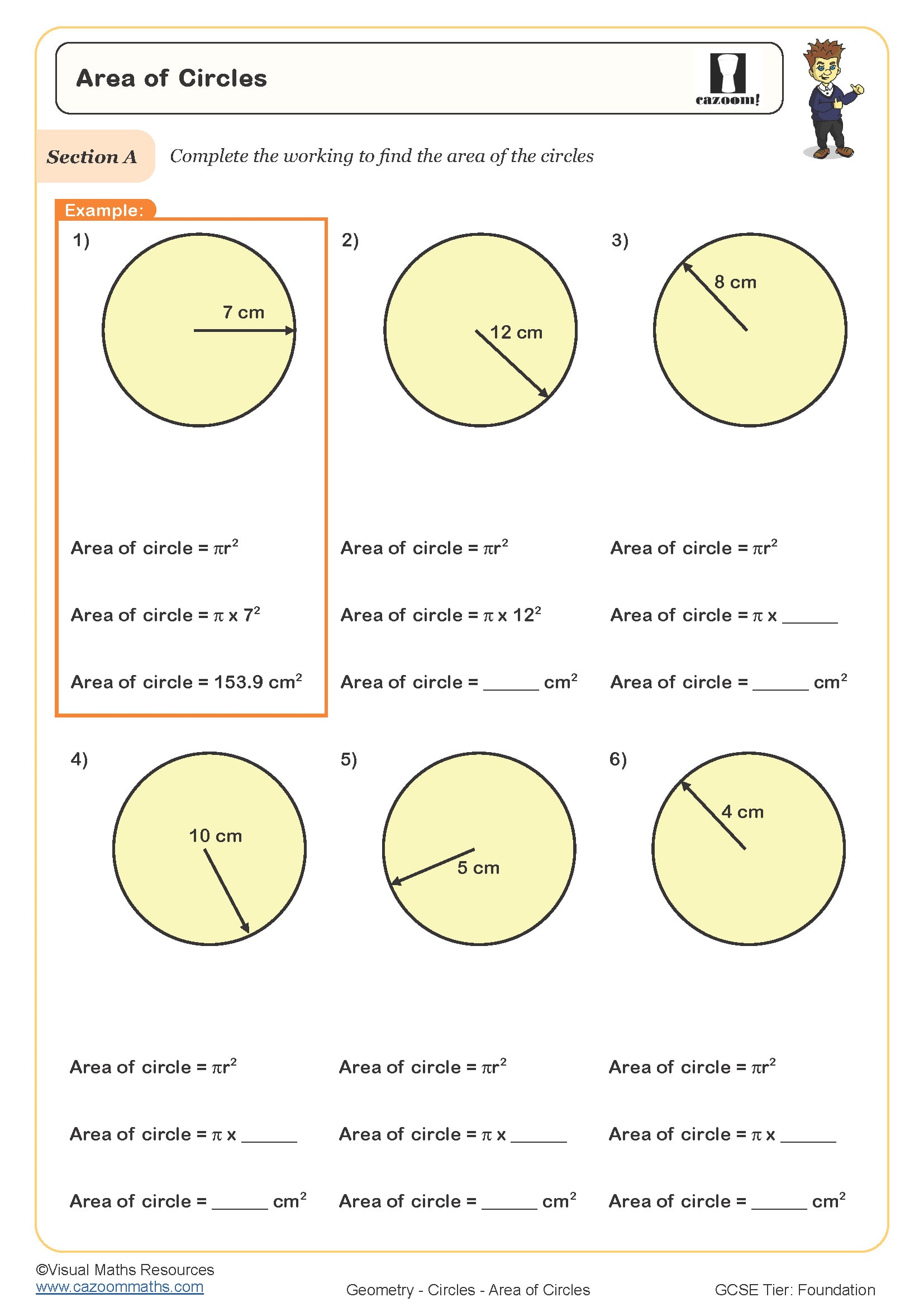
Area of Circles
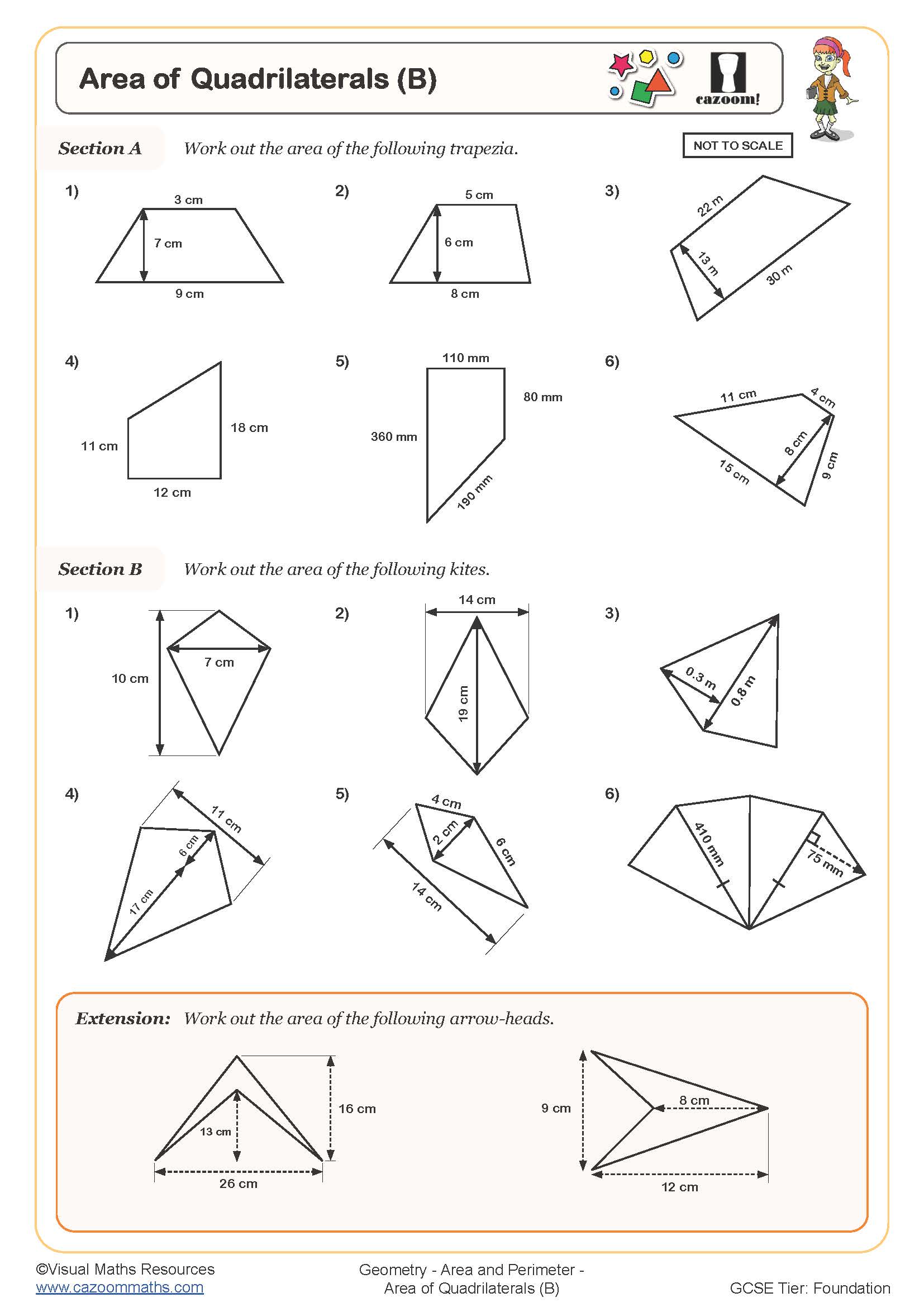
Area of Quadrilaterals (B)
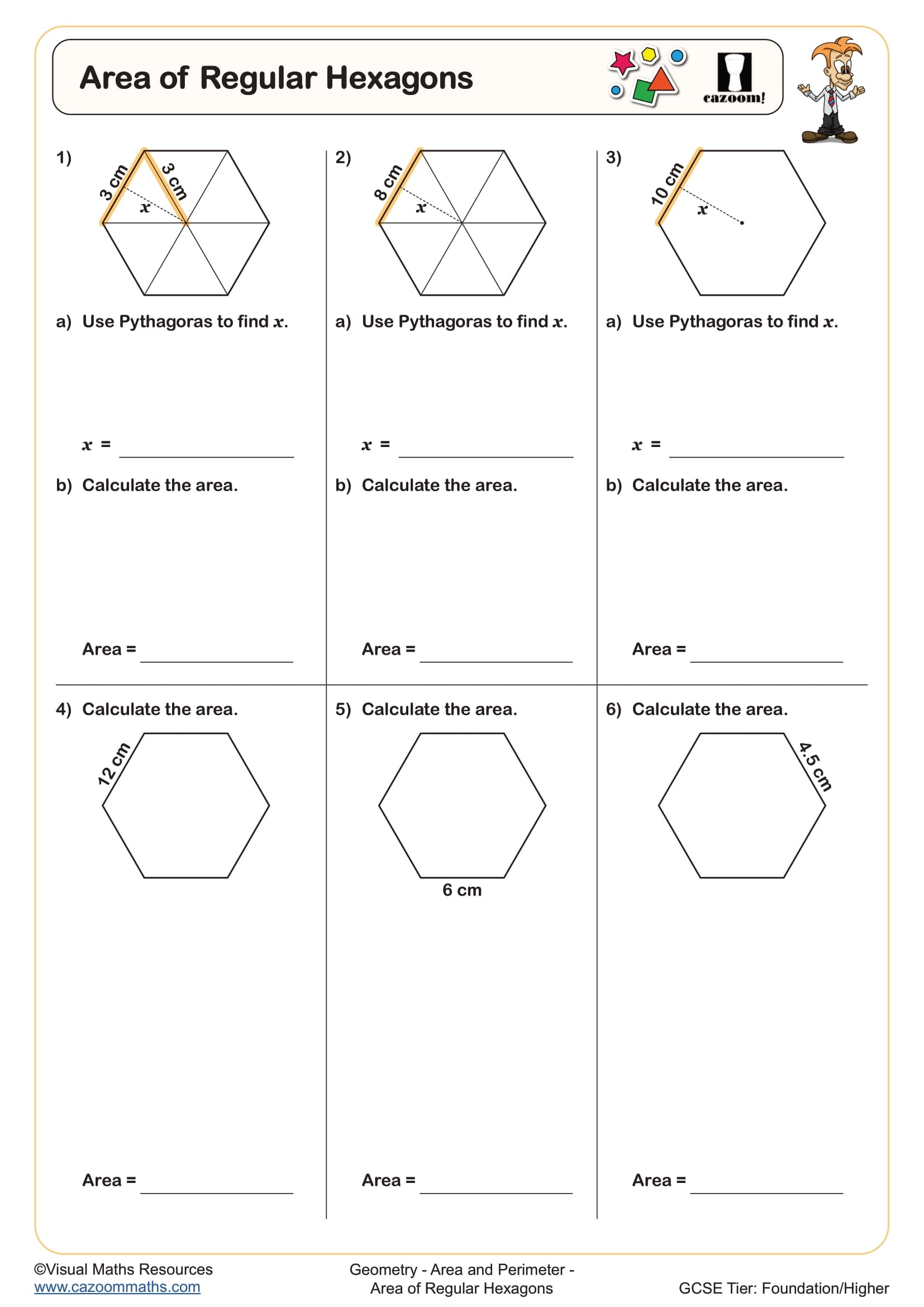
Area of Regular Hexagons
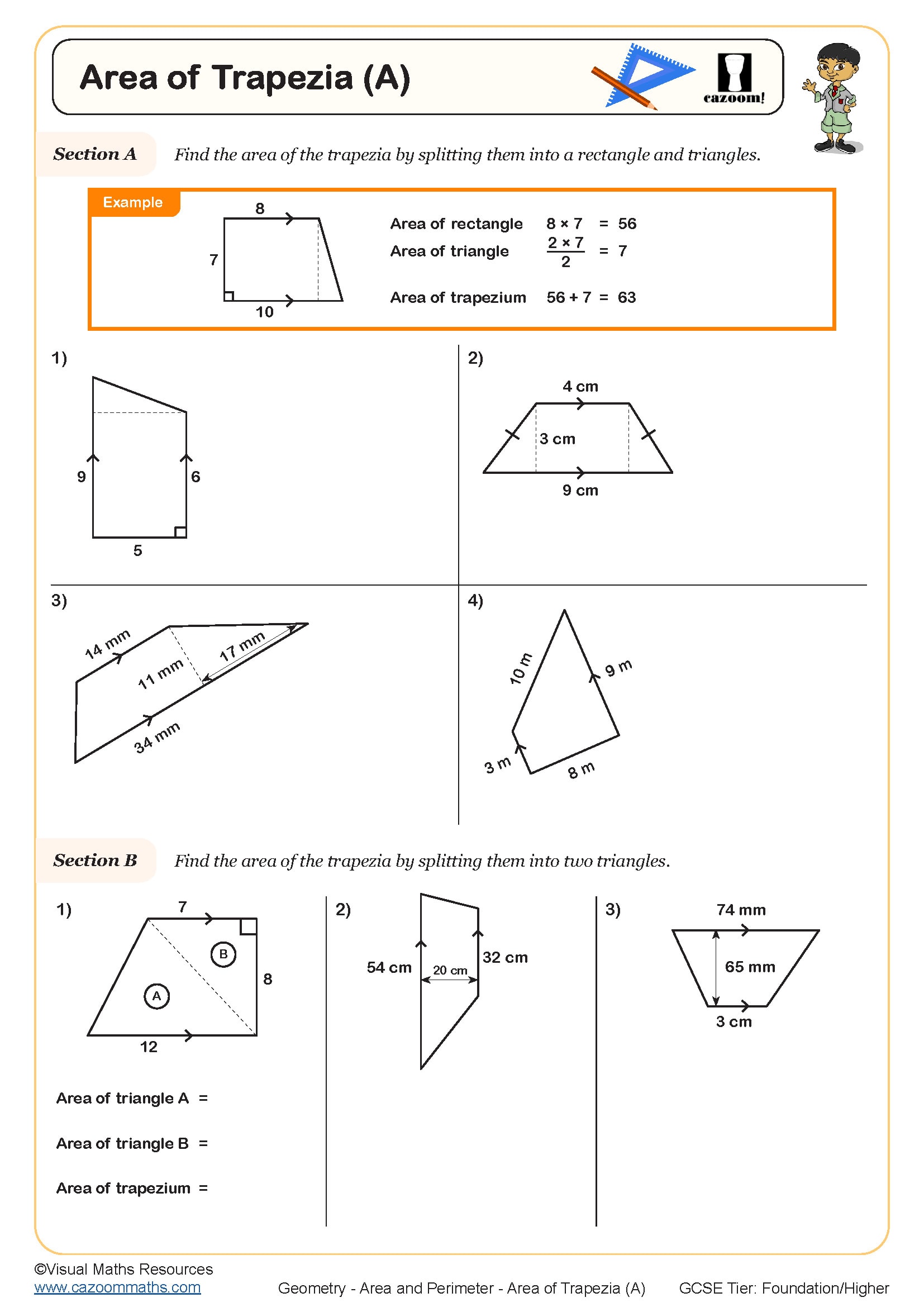
Area of Trapezia (A)
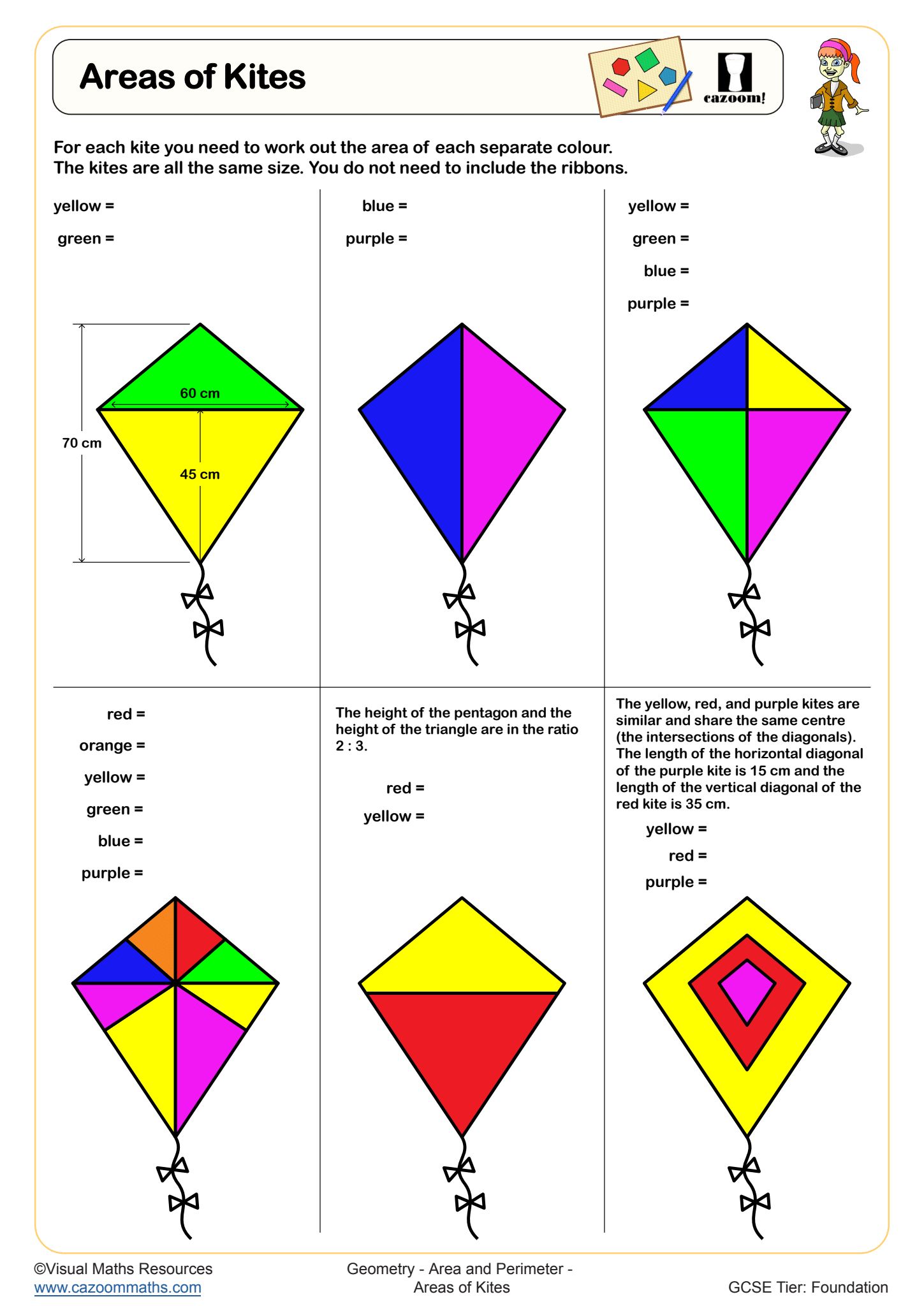
Areas of Kites
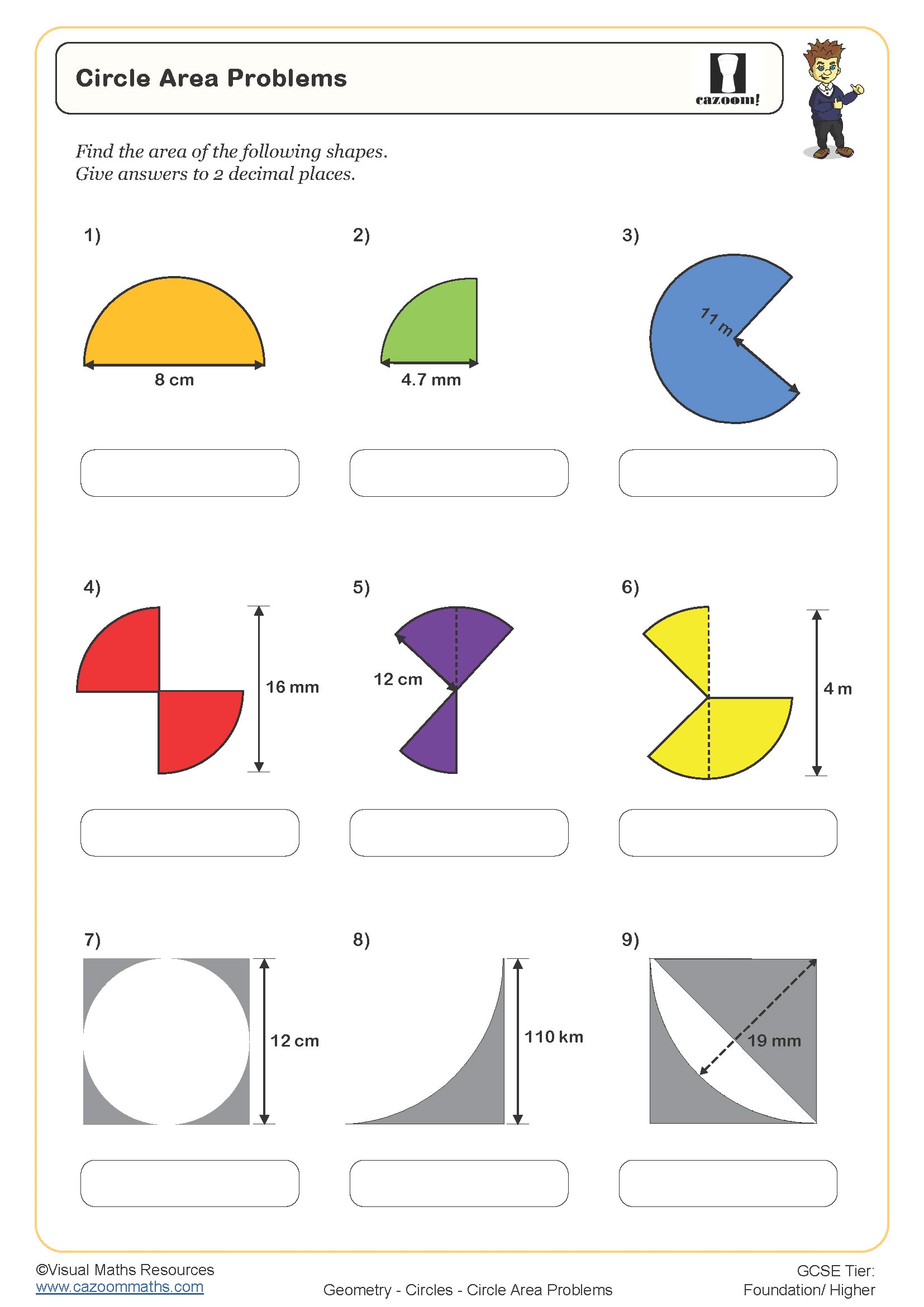
Circle Area Problems
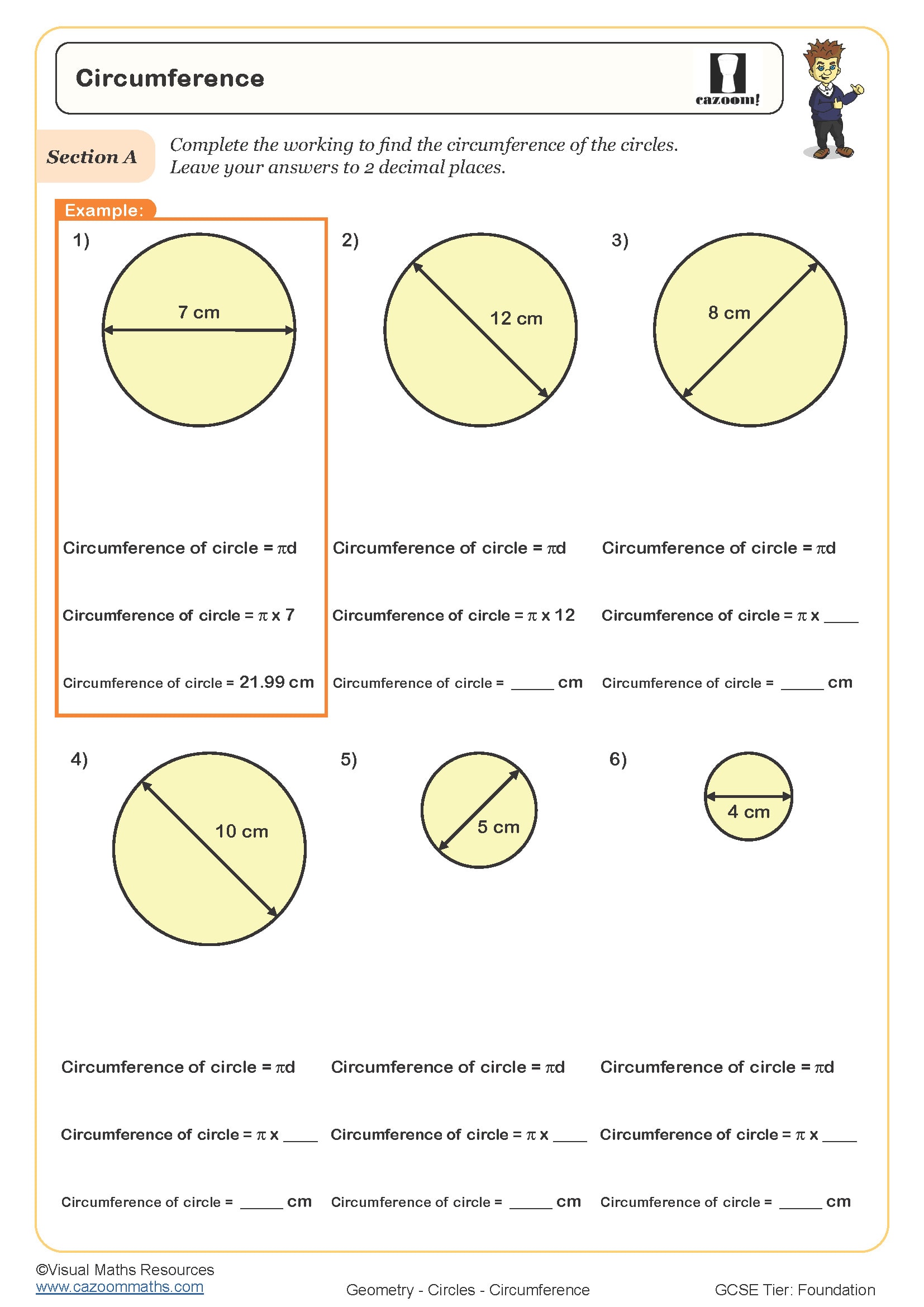
Circumference
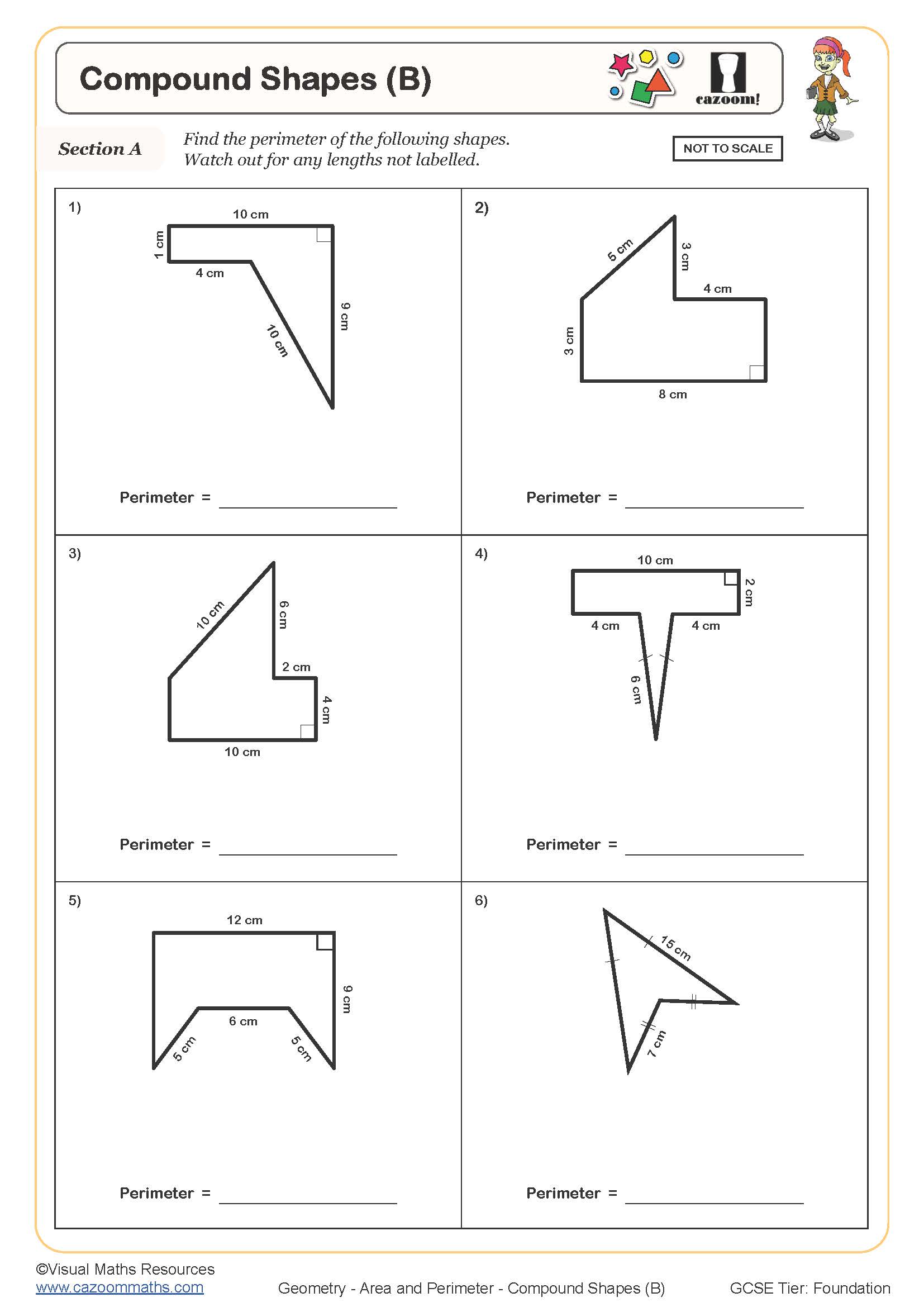
Compound Shapes (B)
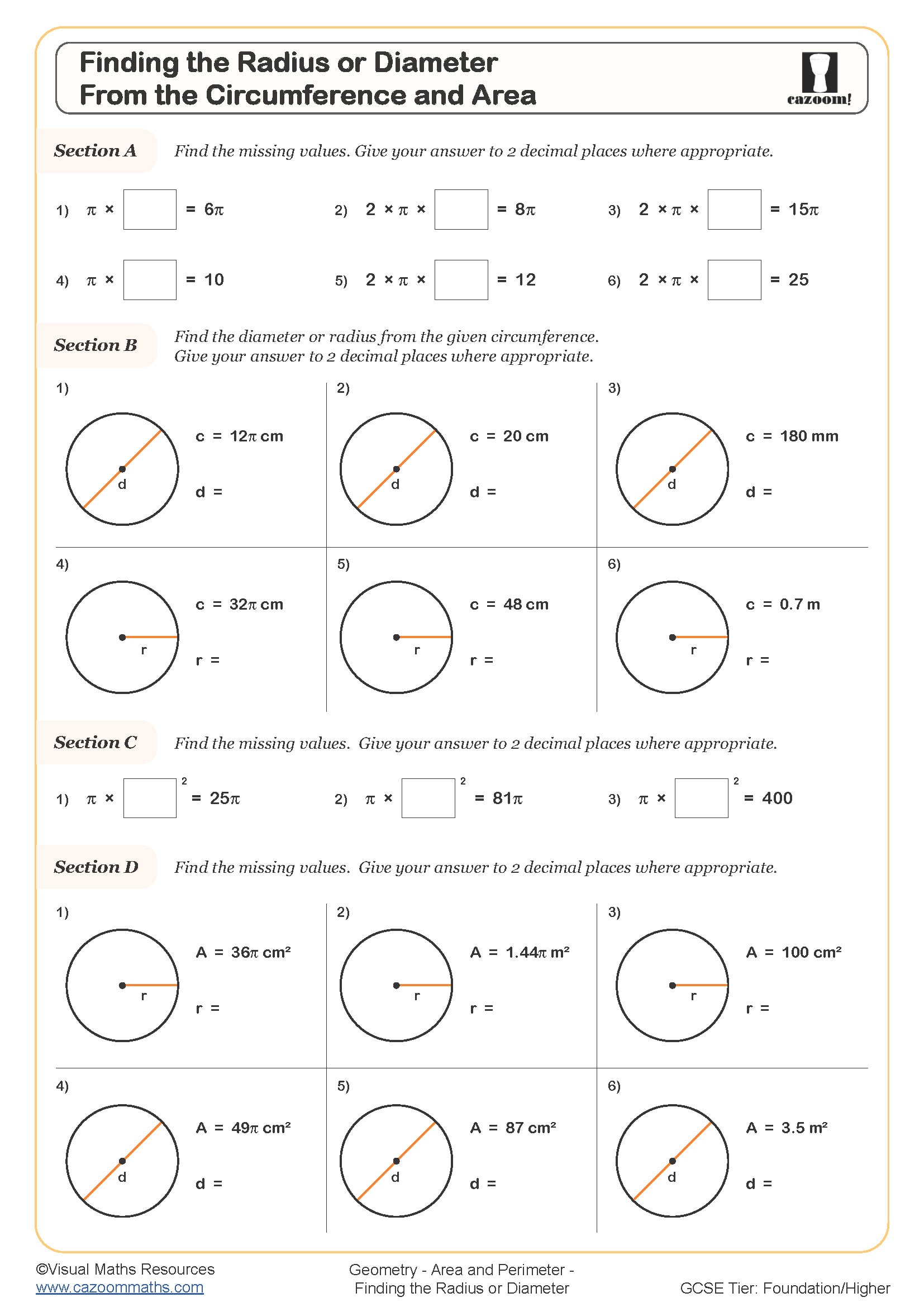
Finding the Radius or Diameter from the Circumference and Area
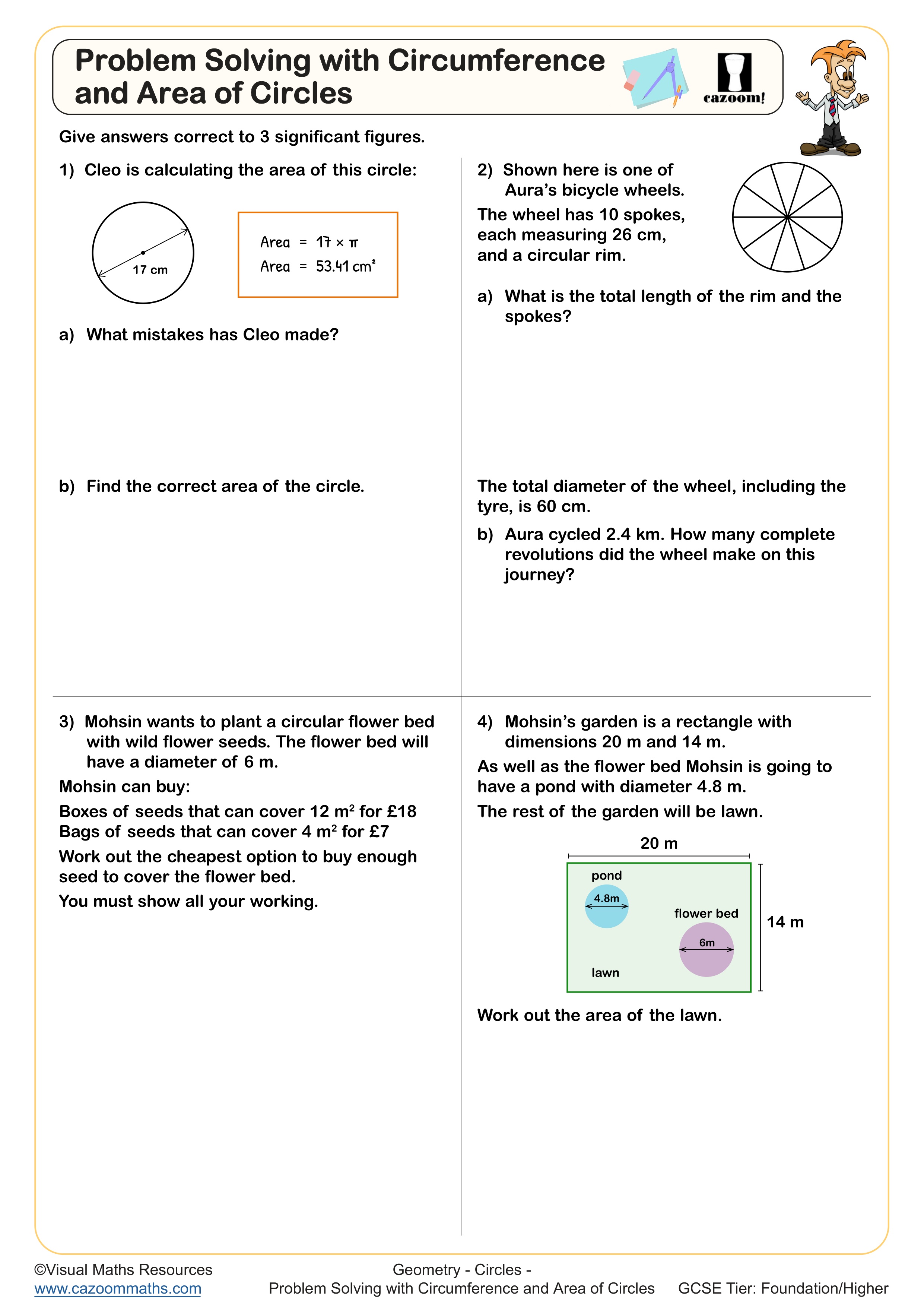
Problem Solving with Circumference and Area of Circle
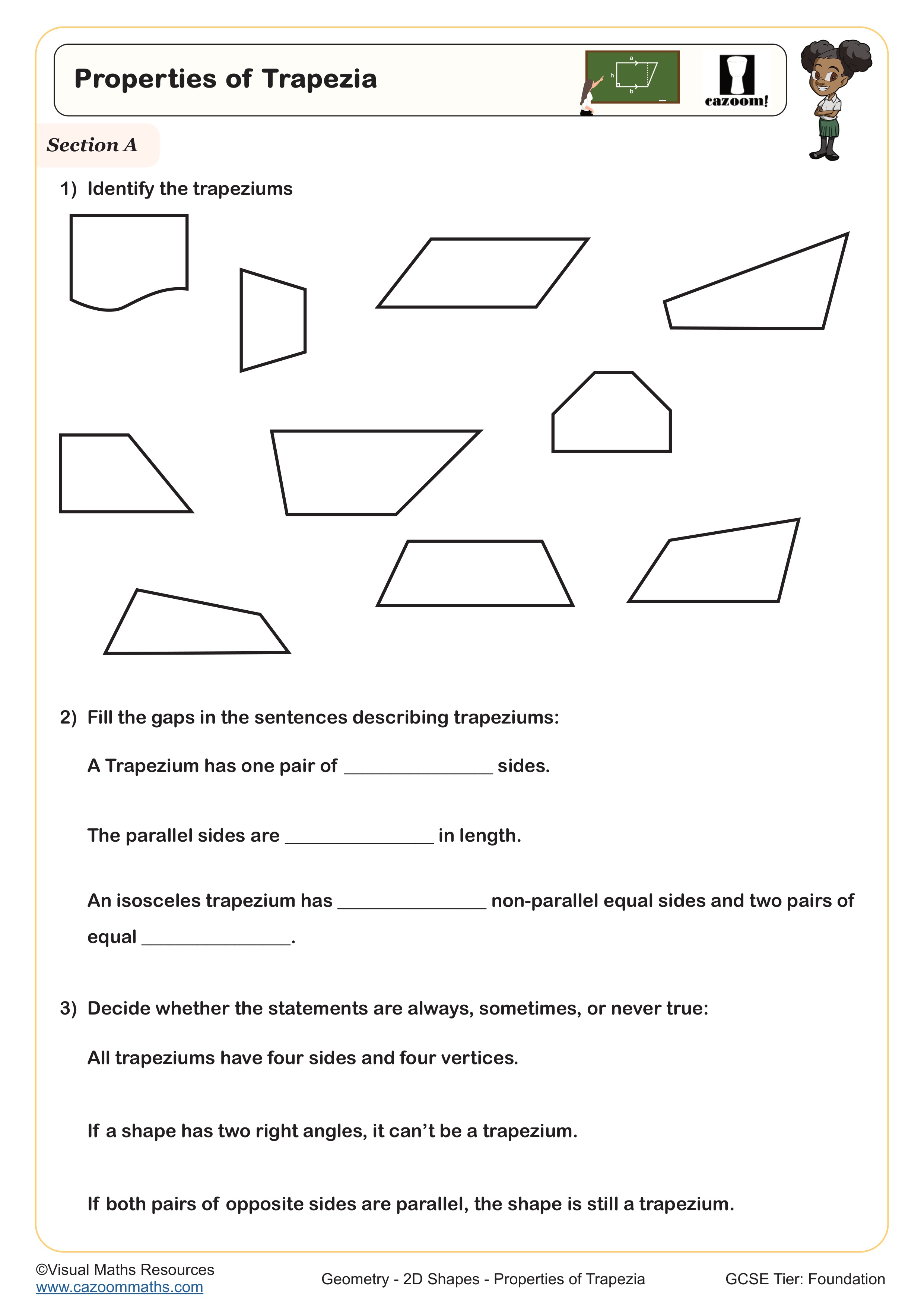
Properties of Trapezia
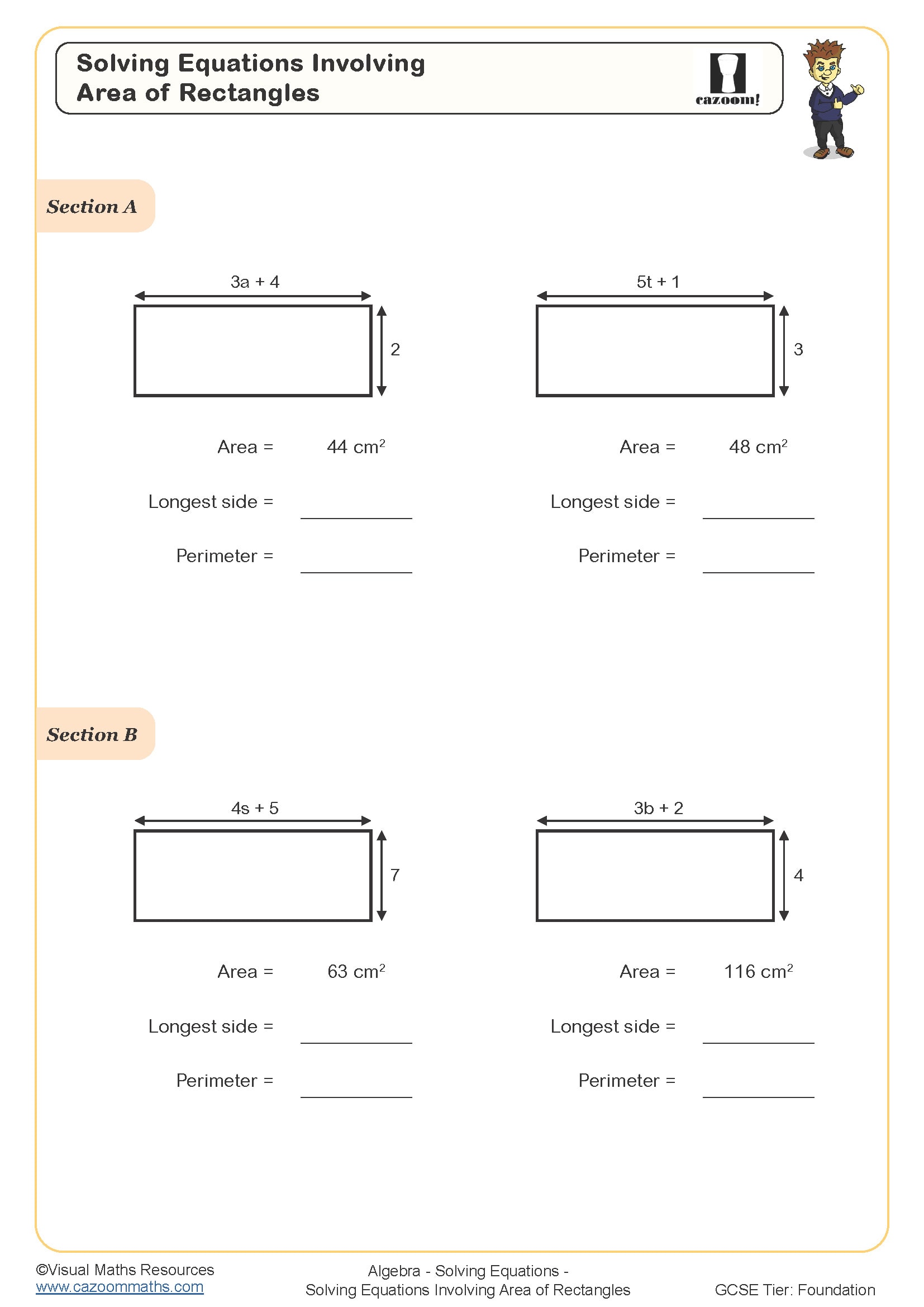
Solving Equations Involving Area of Rectangles
All worksheets are created by the team of experienced teachers at Cazoom Maths.
What makes an effective area of 2d shapes worksheet for Year 9 students?
An effective area of 2d shapes worksheet for Year 9 should bridge the gap between basic KS2 rectangle work and GCSE-level compound shapes. Students at this stage need exposure to parallelograms, trapeziums, and irregular polygons alongside the familiar triangles and rectangles from earlier years.
Teachers frequently notice that students make calculation errors when working with trapeziums, often forgetting to add the parallel sides before multiplying by height. The most successful worksheets include stepped examples that explicitly show this process, followed by questions that require students to identify which measurements they need before attempting calculations.
How do Year 9 area and perimeter skills differ from Year 8 expectations?
Year 9 students move beyond the straightforward rectangles and triangles of Year 8 to tackle compound shapes and shapes with missing dimensions. This progression aligns with the National Curriculum expectation that KS3 students can calculate areas of parallelograms and trapeziums using formulae.
The key difference lies in problem-solving complexity rather than just formula application. Year 9 students encounter shapes where they must work backwards from a given area to find missing lengths, or break down L-shaped figures into component rectangles. These skills directly prepare students for the multi-step reasoning required in GCSE questions.
Why do students struggle with compound shape area problems?
Students often approach compound shapes by attempting to find a single formula rather than recognising them as combinations of familiar shapes. This misconception leads to frustration and incorrect answers, particularly when dealing with L-shapes or shapes with rectangular sections removed.
Teachers report that the most effective approach involves teaching students to sketch and label each component shape separately before calculating. When students can visualise an L-shape as two rectangles or identify a shape with a cut-out section, they apply their existing rectangle knowledge confidently rather than becoming overwhelmed by the unfamiliar outline.
How should teachers use Year 9 area and perimeter worksheets pdf resources most effectively?
Teachers find these Year 9 area and perimeter worksheets pdf resources work best when used as structured practice following explicit teaching of each shape type. Rather than presenting all shapes simultaneously, successful teachers introduce parallelograms and trapeziums separately, allowing students to master each formula before combining them in compound problems.
The answer sheets prove invaluable for peer marking sessions where students can identify and discuss common errors immediately. Teachers report that students learn effectively when they mark each other's work and explain their reasoning, particularly when disagreements arise about which approach to use for compound shapes.