1st Grade Number Bonds Up to 20 Worksheets
Making 10 with three numbers
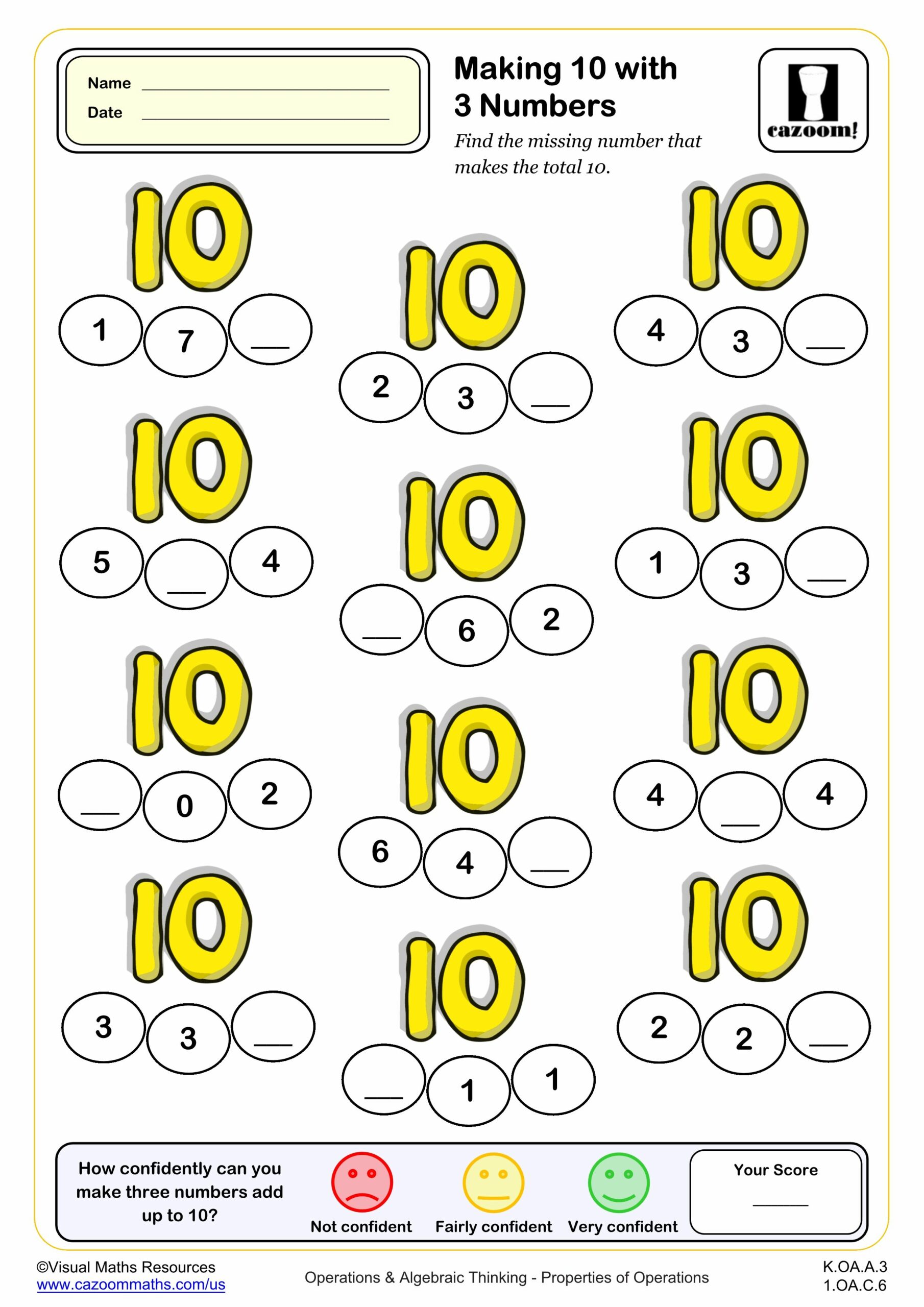
Making 10 with three numbers (Blanks)
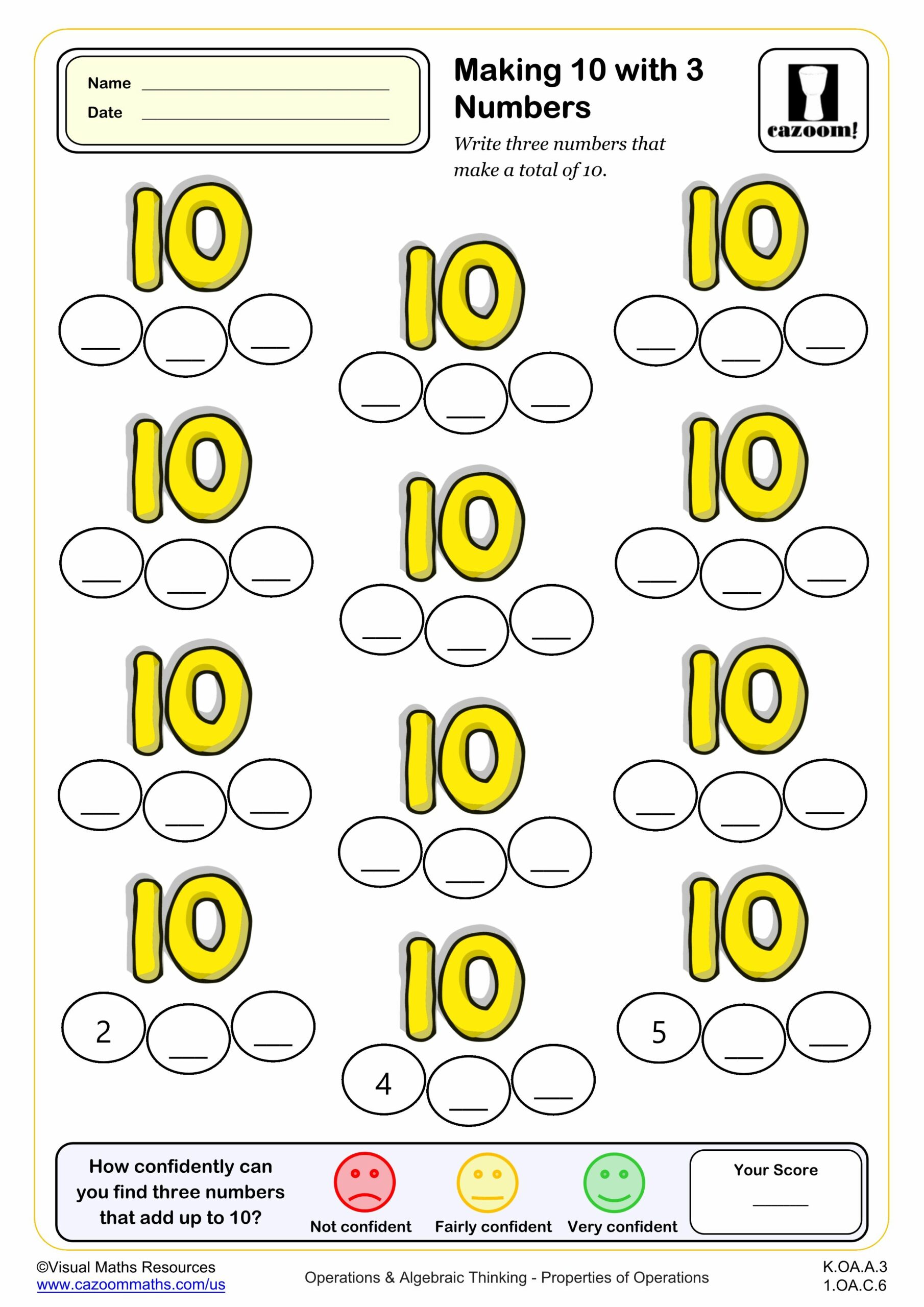
Making 15
Making 15 (BONDS)
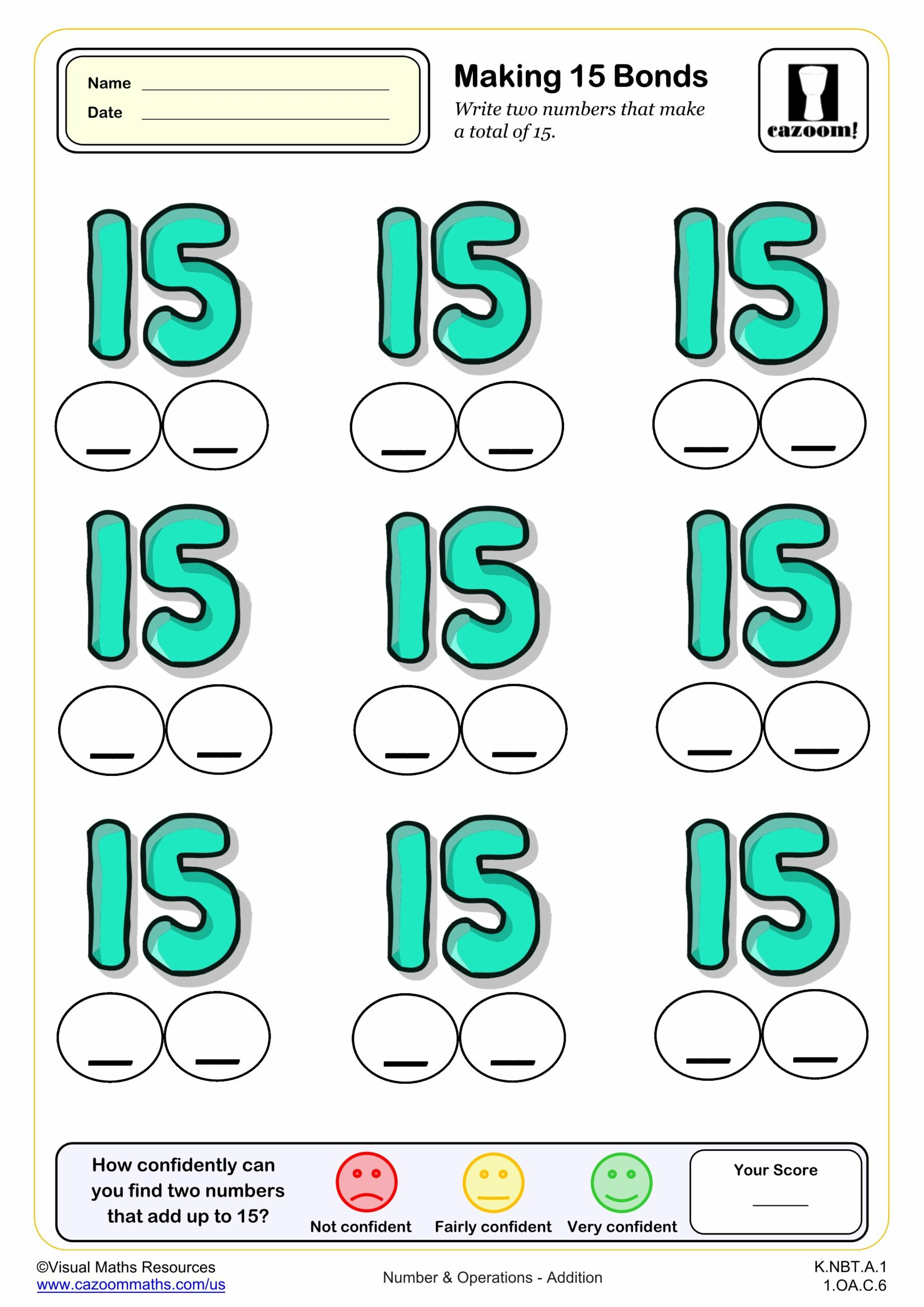
Making 18
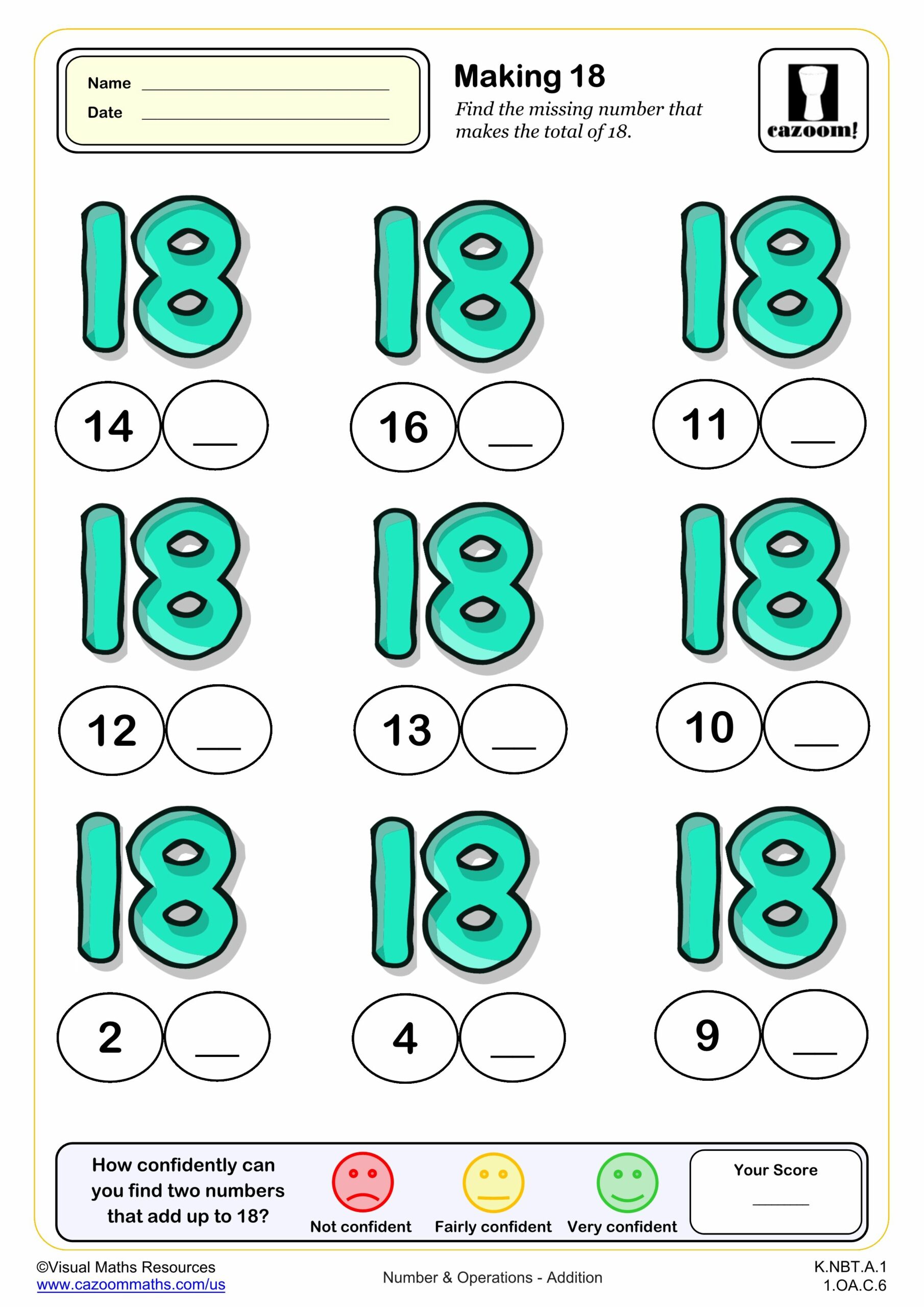
Making 18 (BONDS)
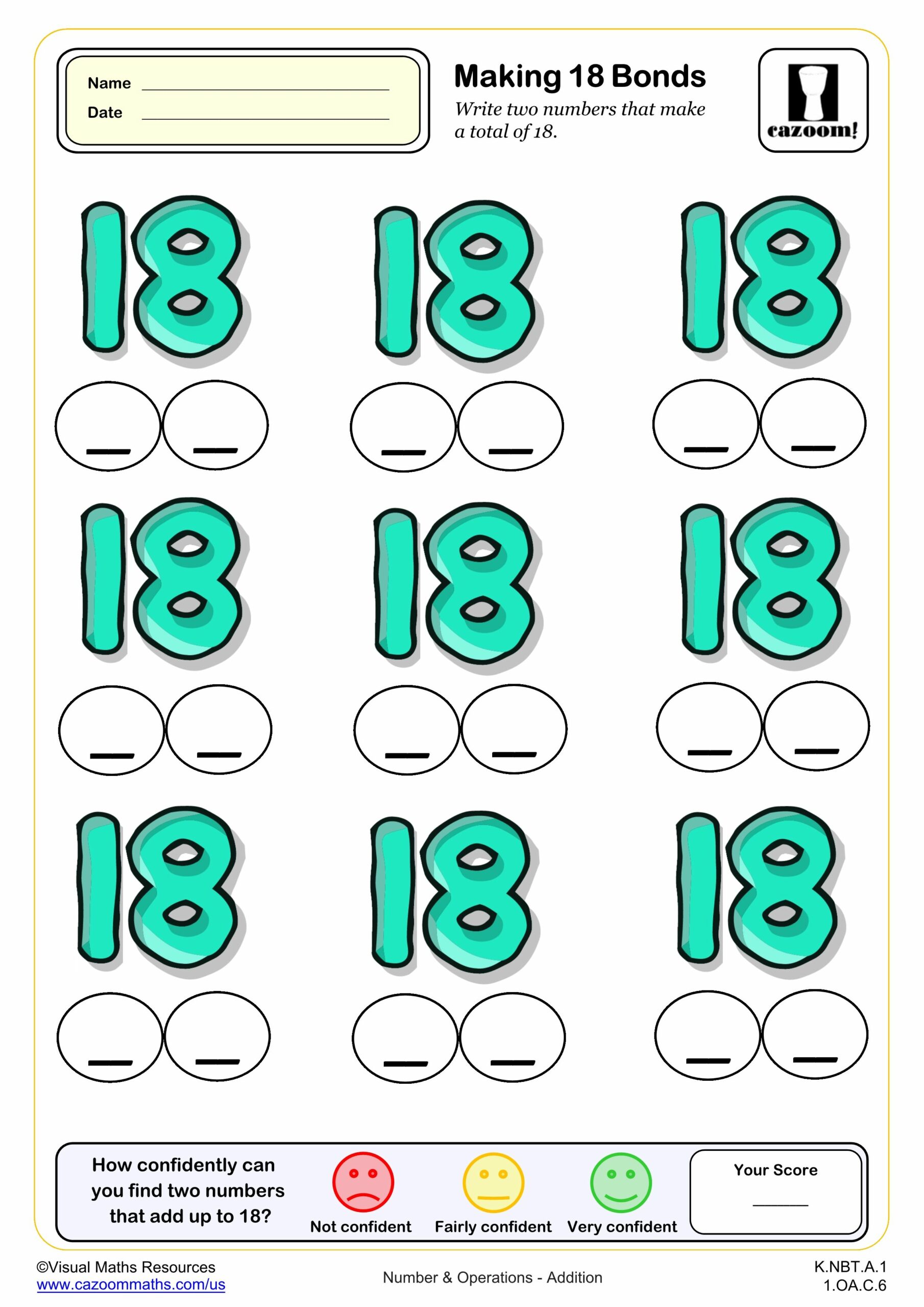
Making 20 (A)
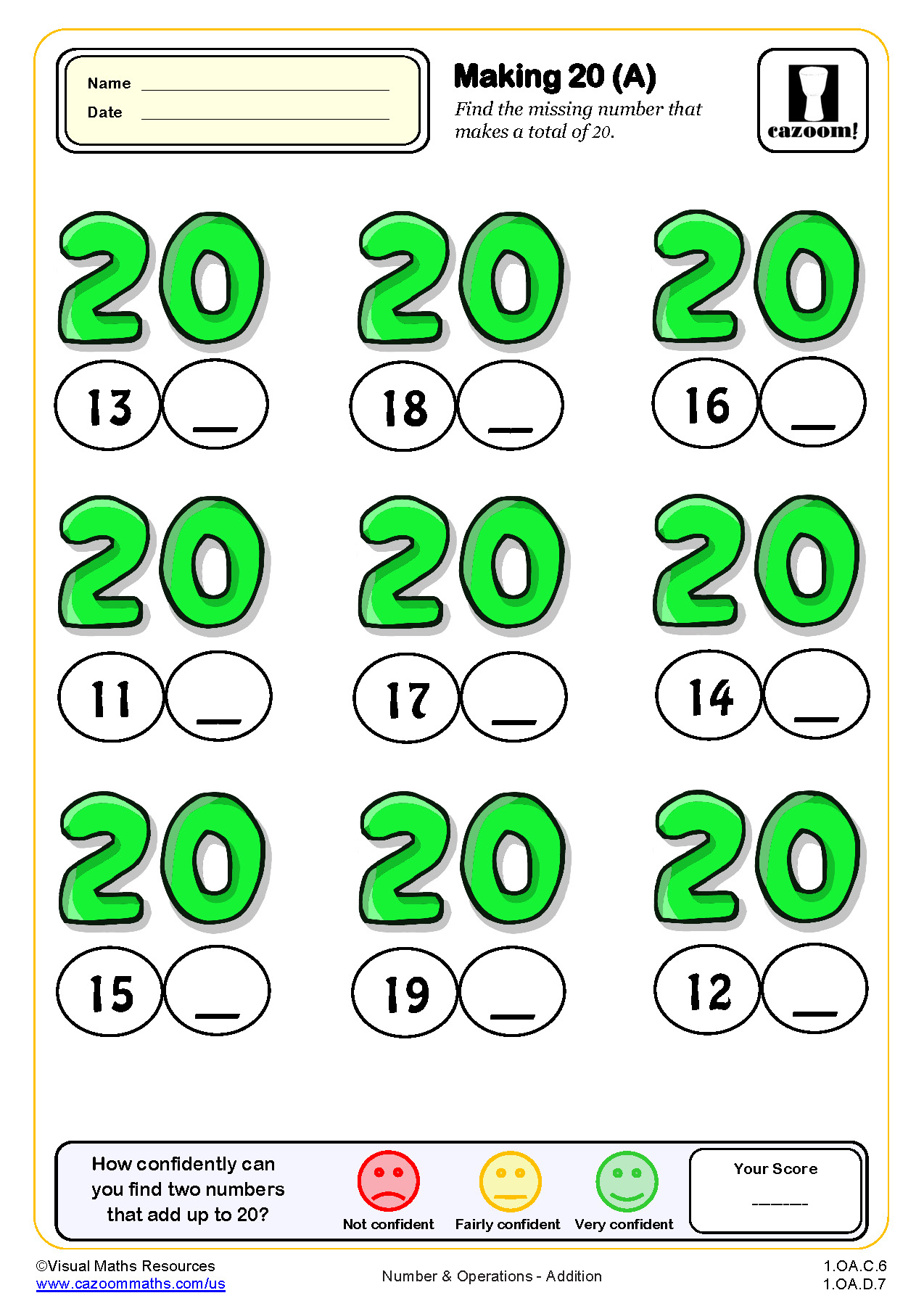
Making 20 (B)
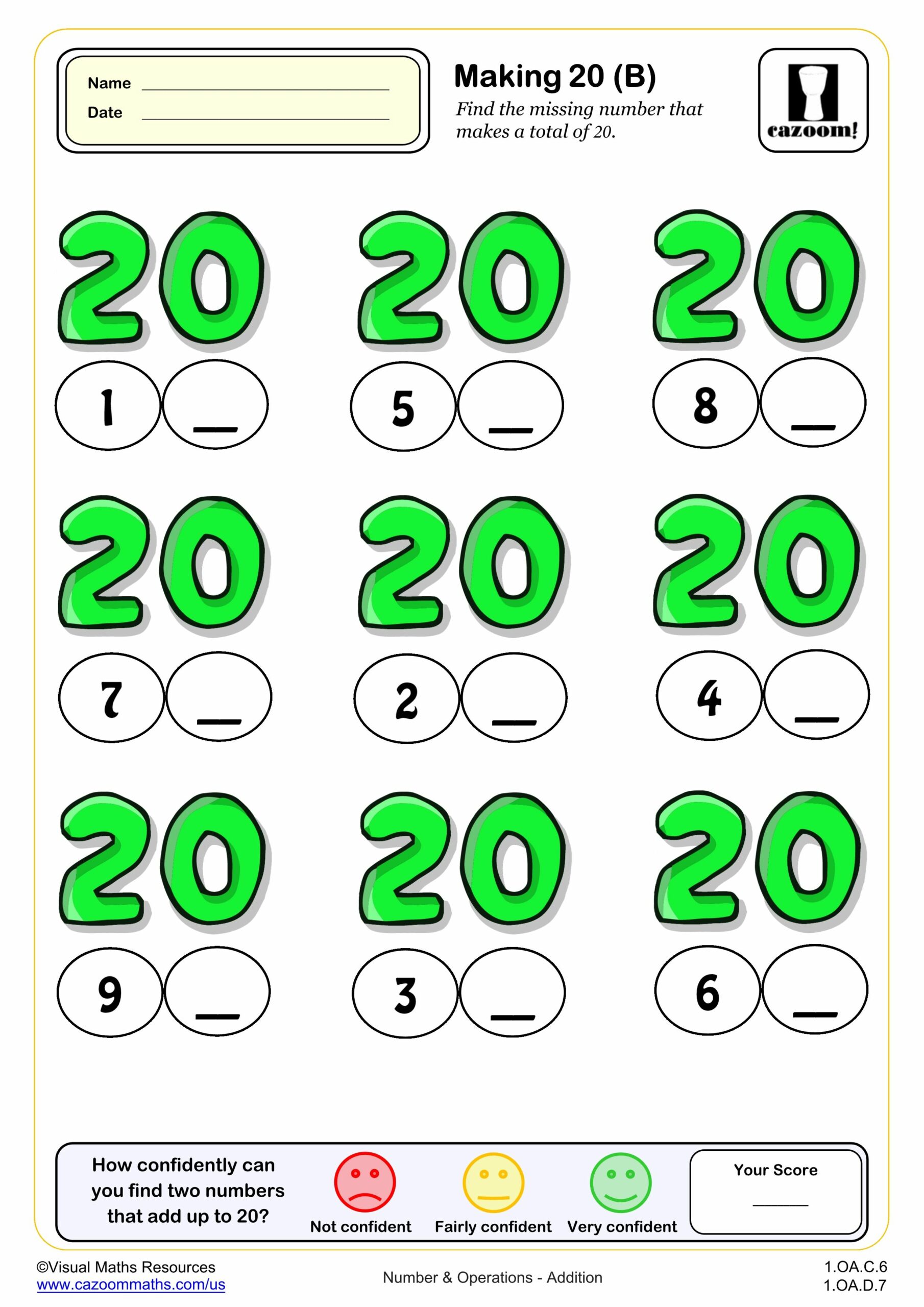
Making 20 (BONDS)
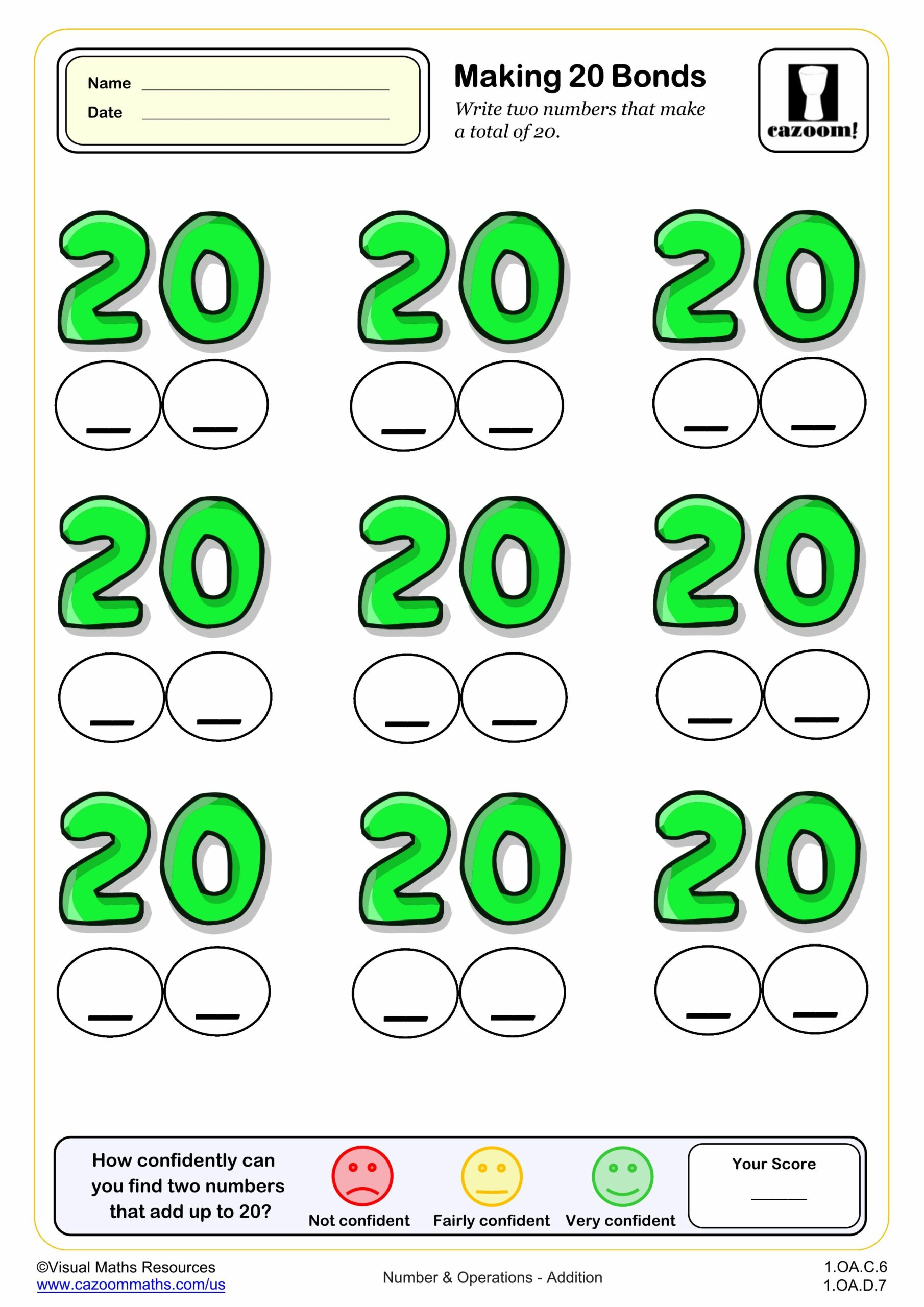
Making 20 (C)
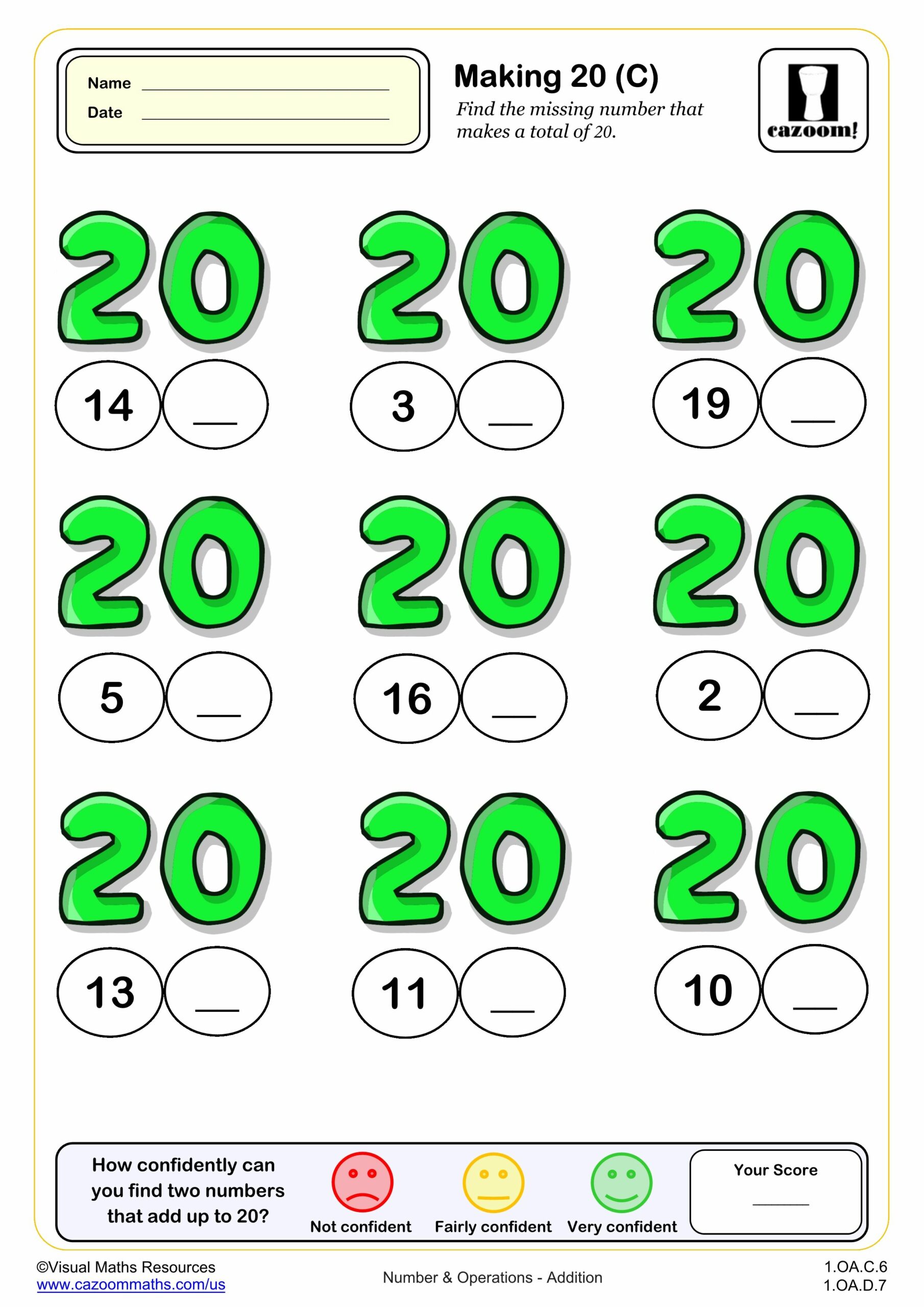
Making 20 with three numbers
Making 20 with three numbers (Blanks)
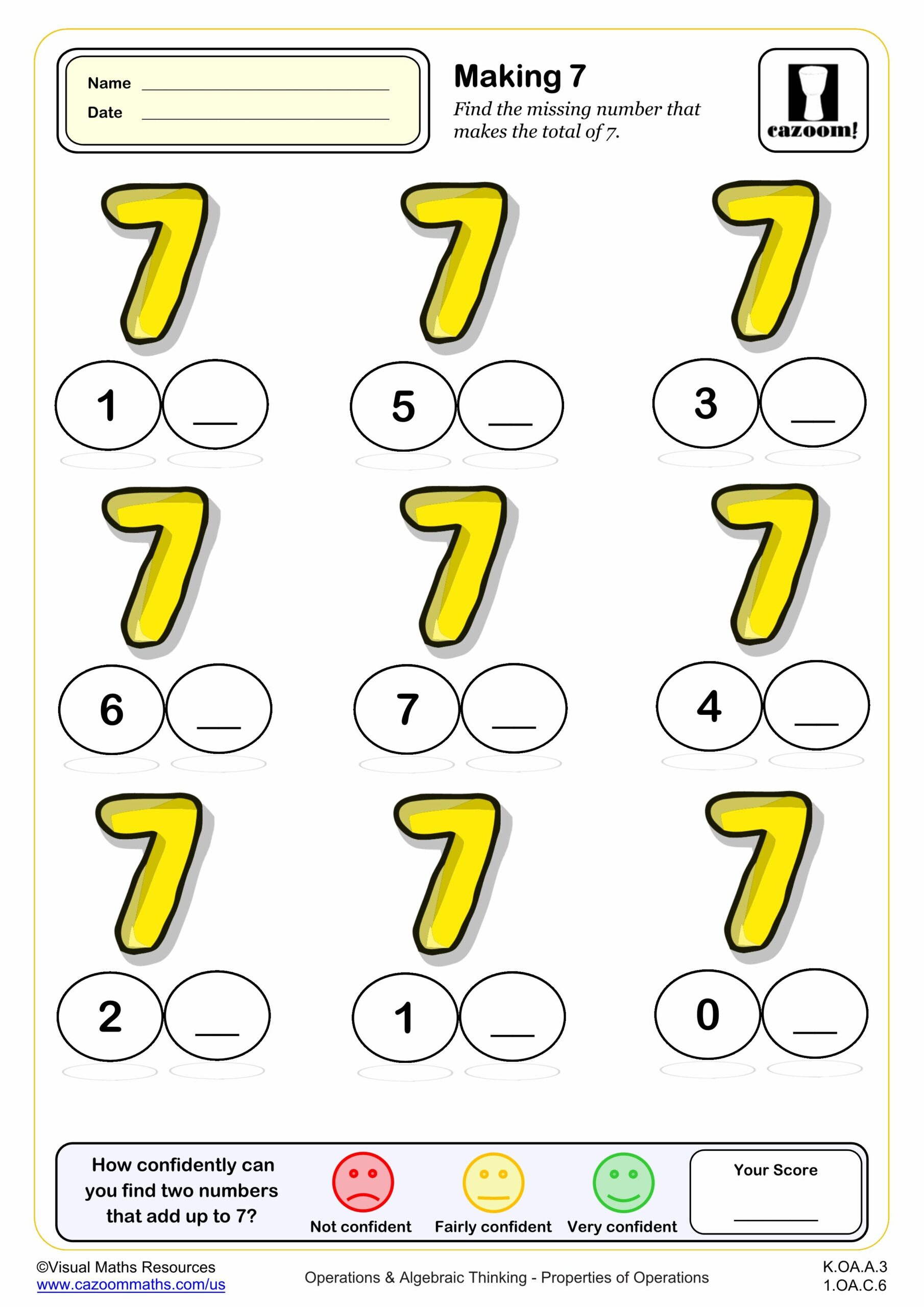
Making 7
Making 7 (Bonds)
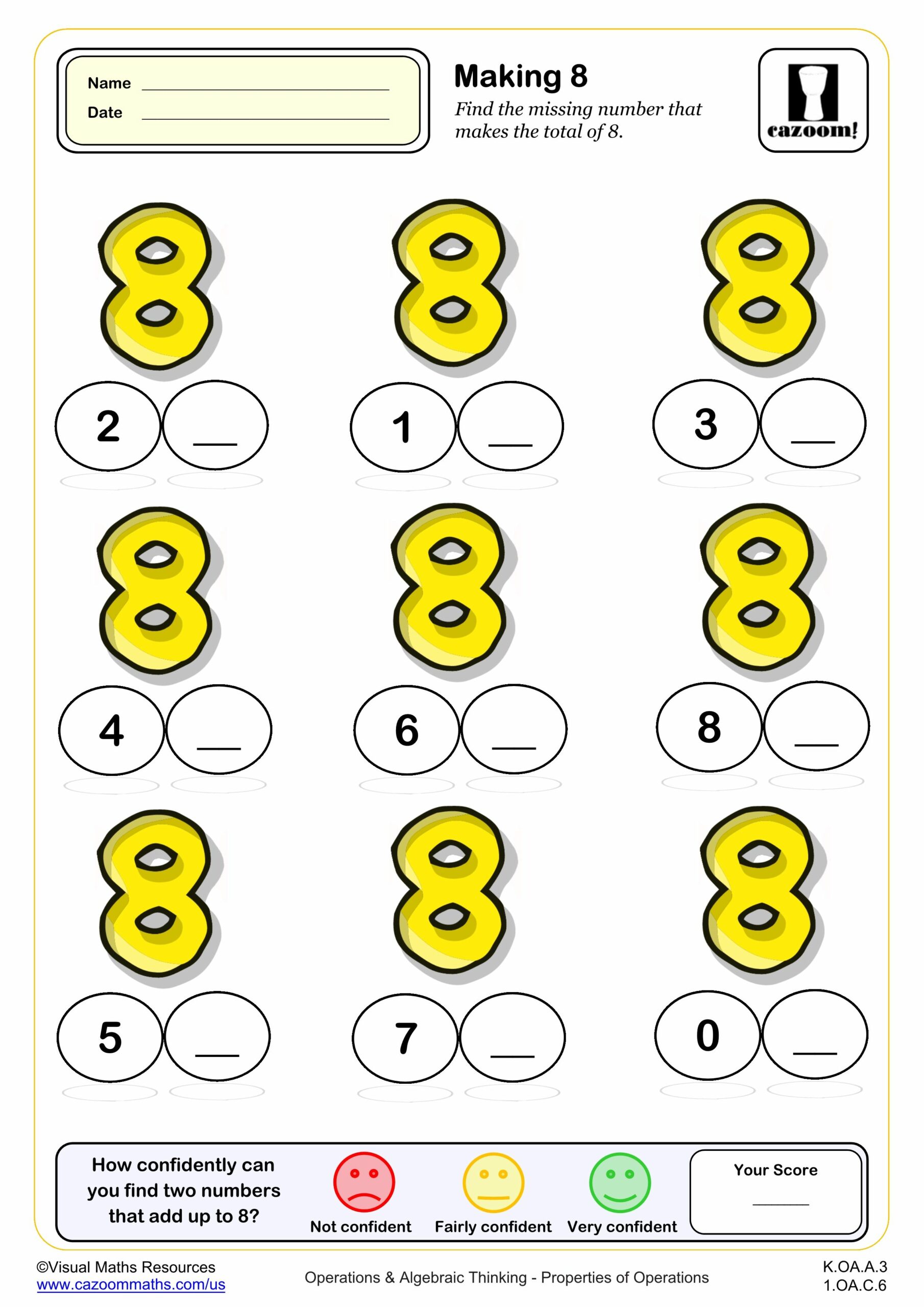
Making 8
Making 8 (BONDS)
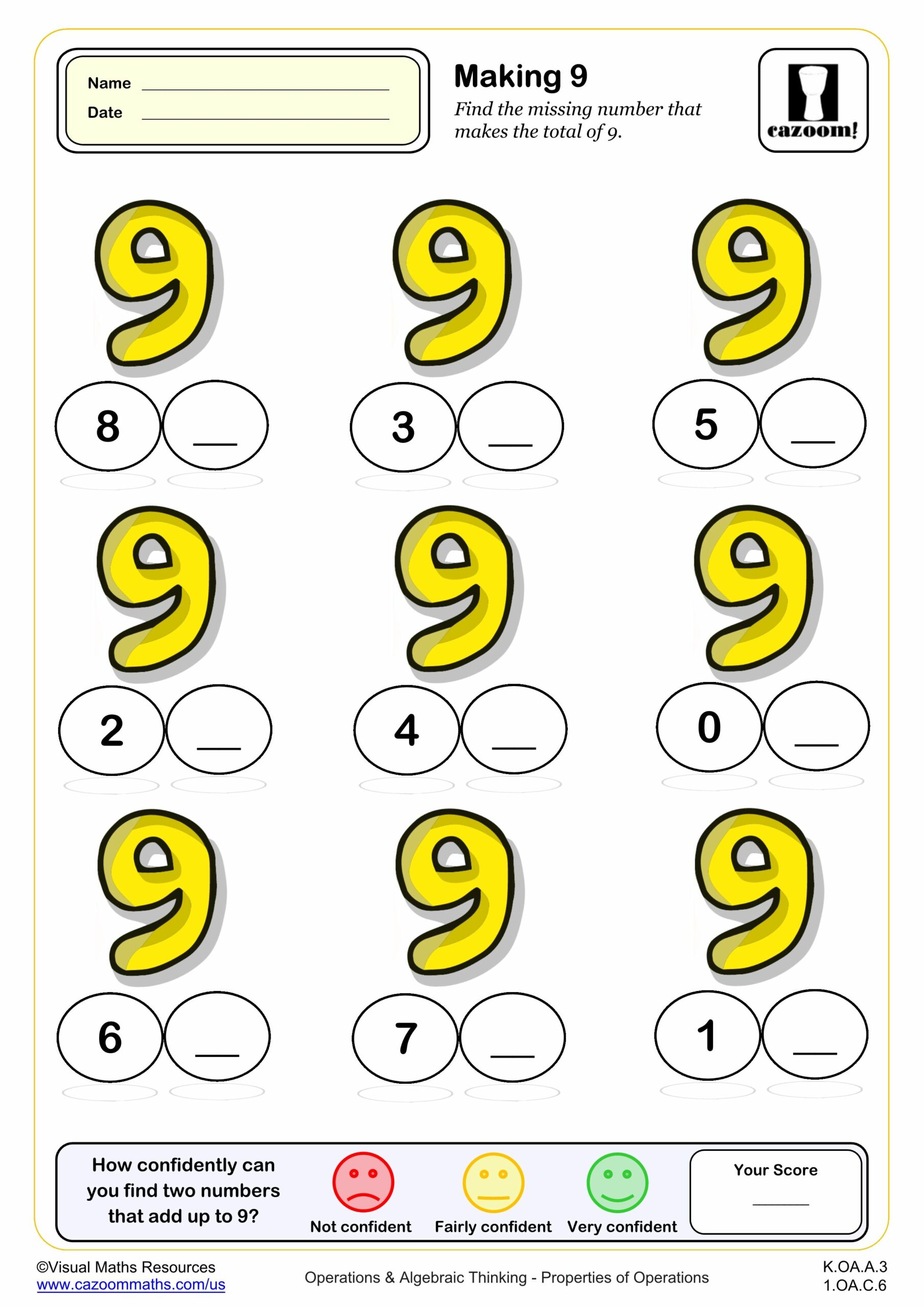
Making 9
Making 9 (BONDS)
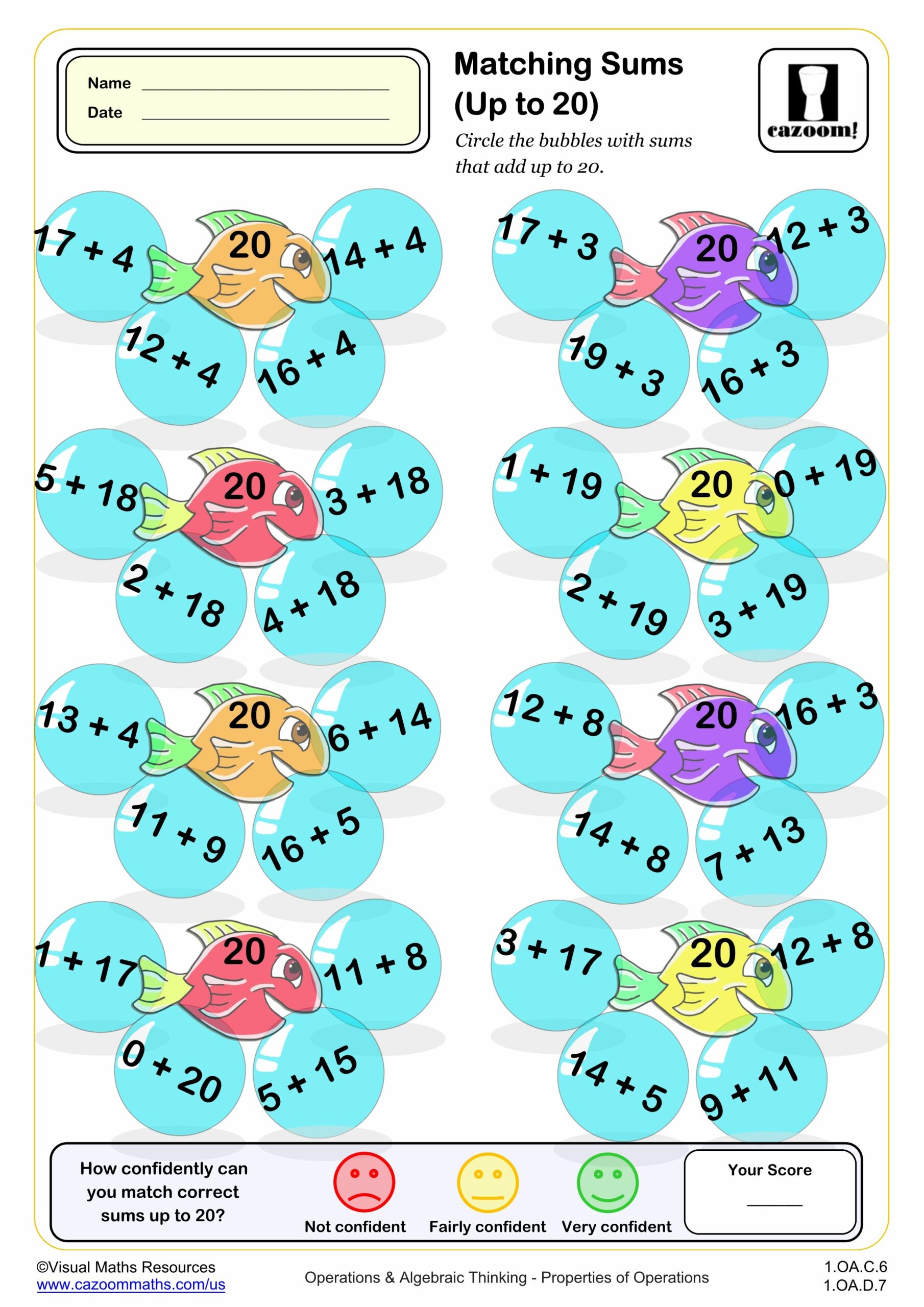
Matching sums (20 only)
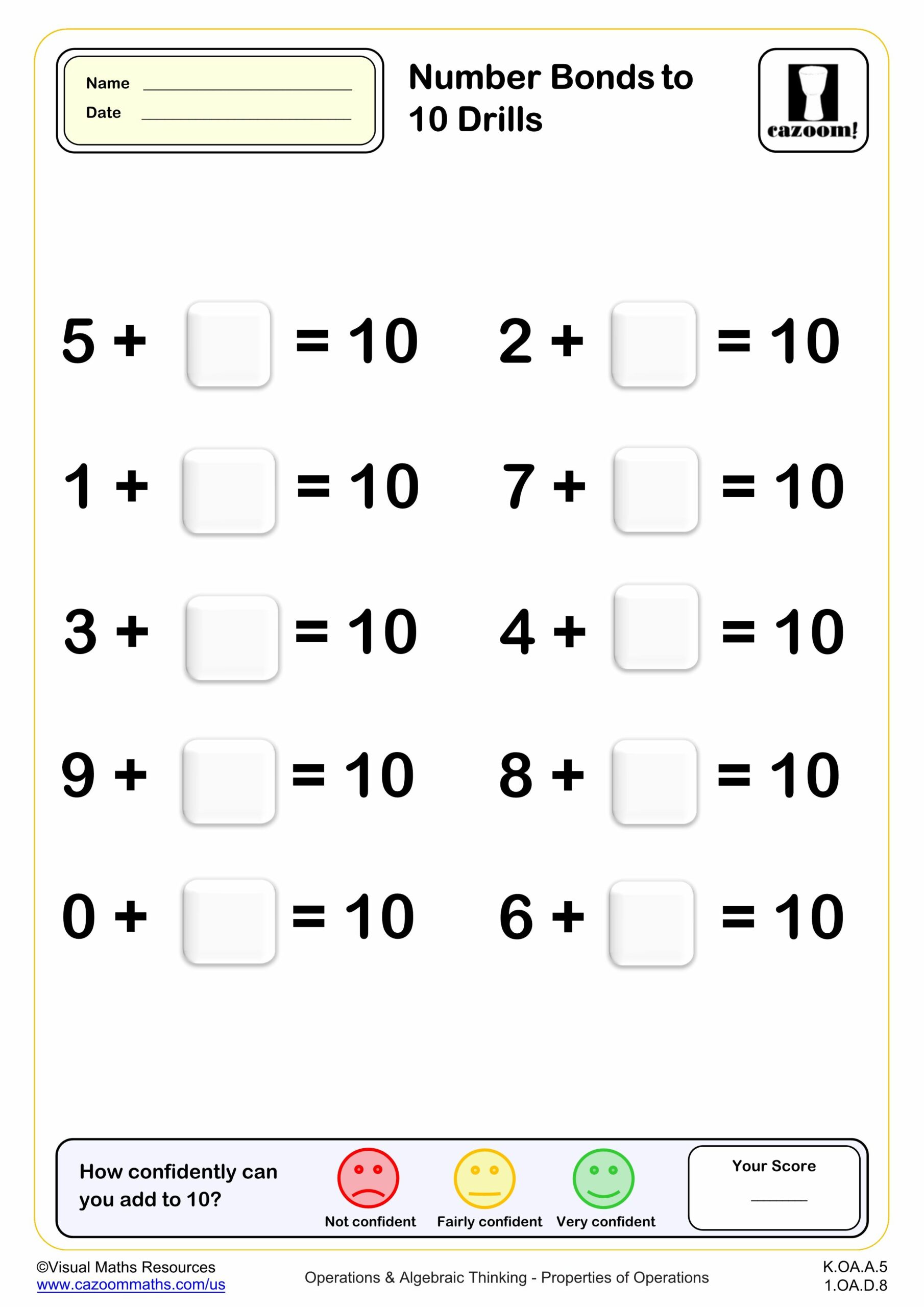
Number Bonds to 10 drills (10 questions)
Number Bonds to 10 drills (20 questions)
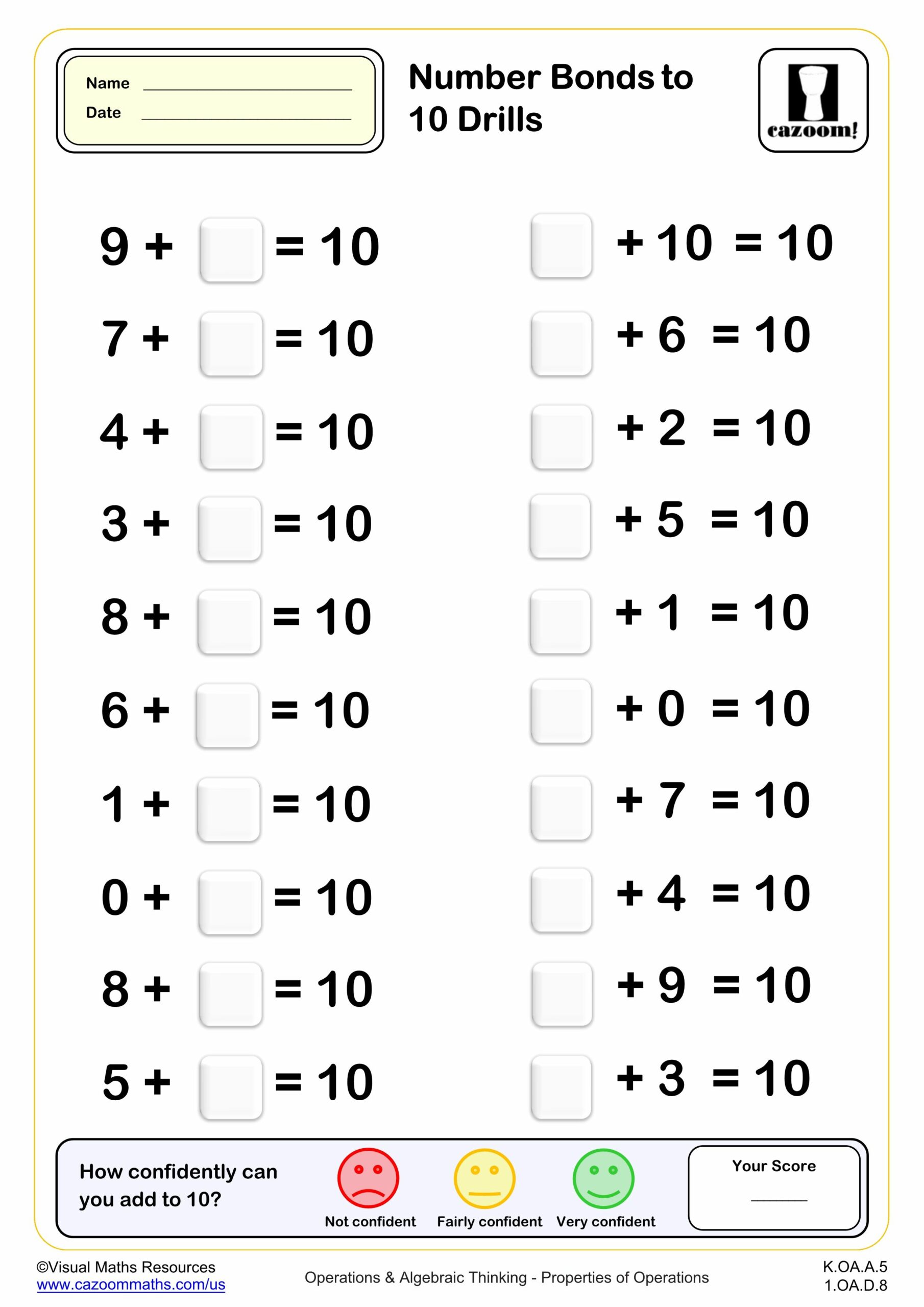
Number Bonds to 10 drills (50 questions)
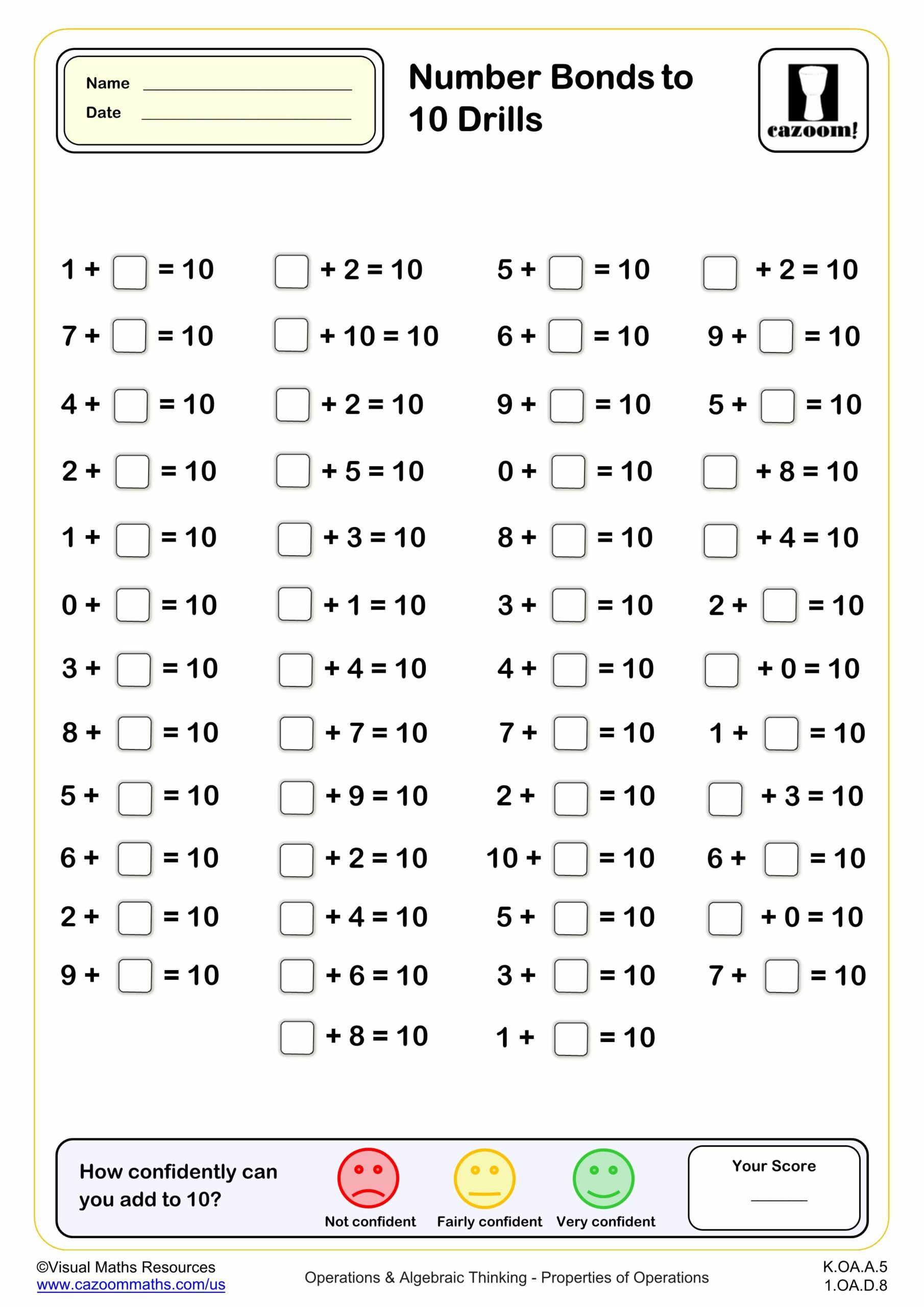
Number Bonds to 10 with Dots
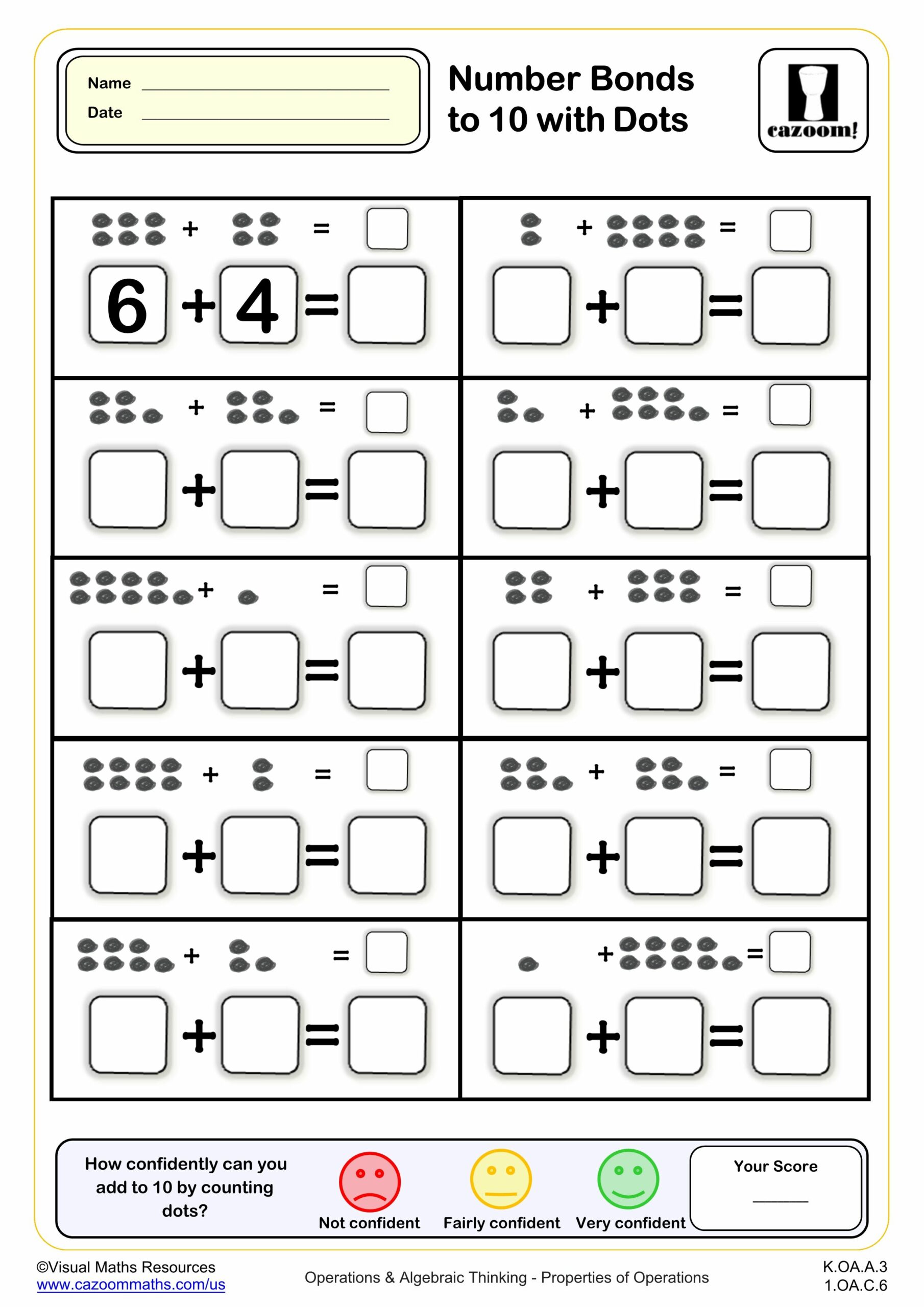
Number bonds to 10 with number lines
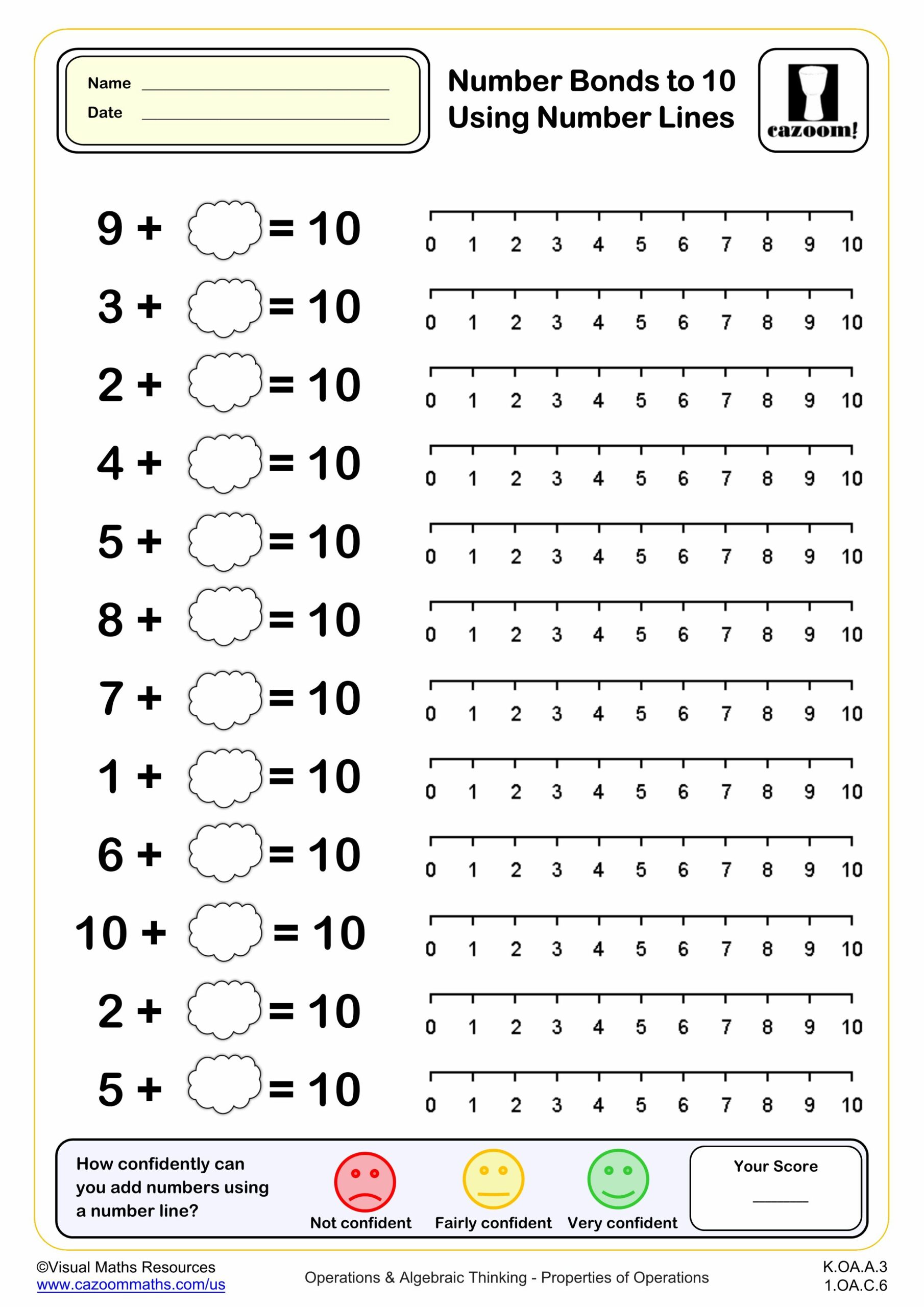
Number Bonds to 20 drills (10 questions)
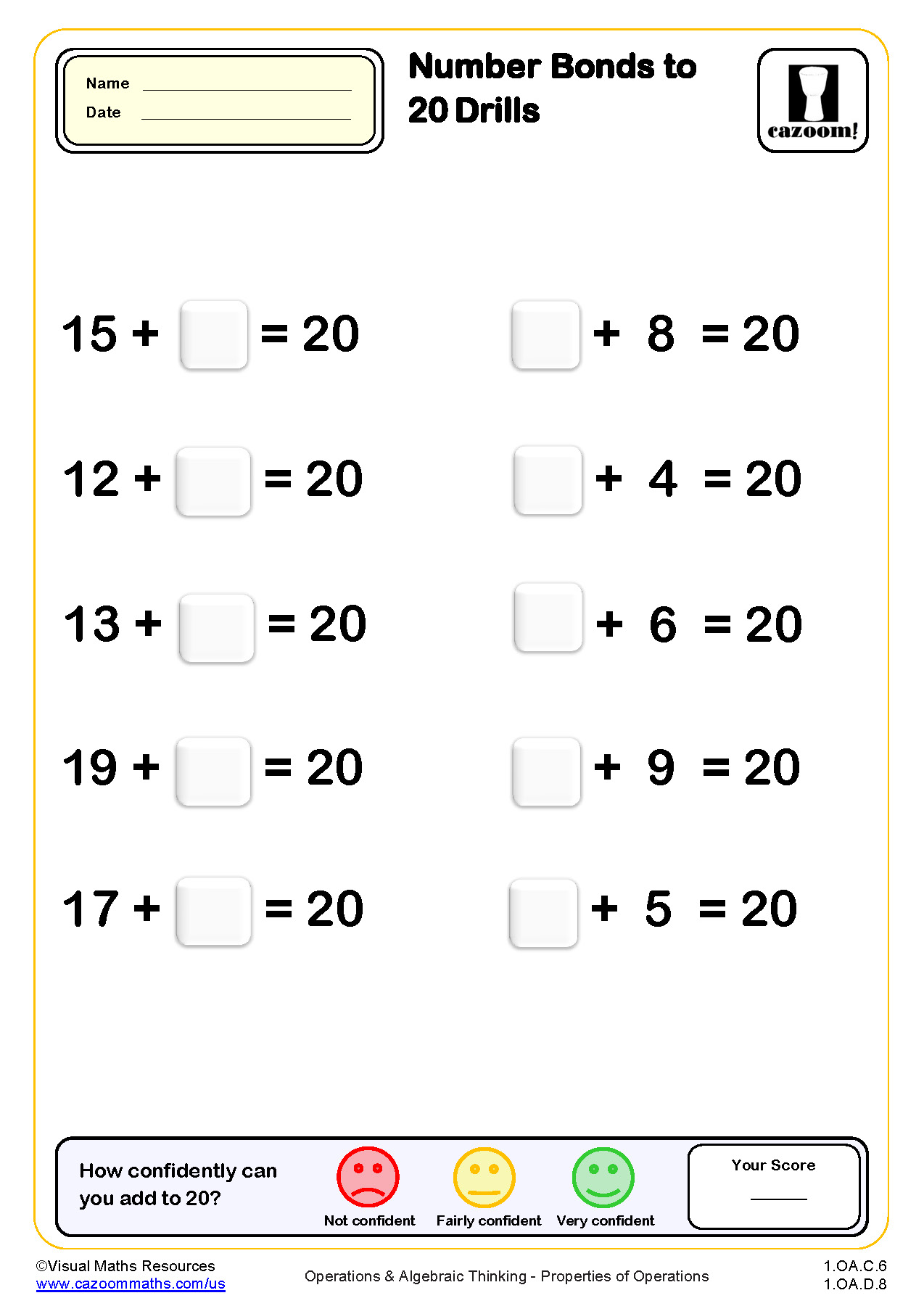
Number Bonds to 20 drills (20 questions)
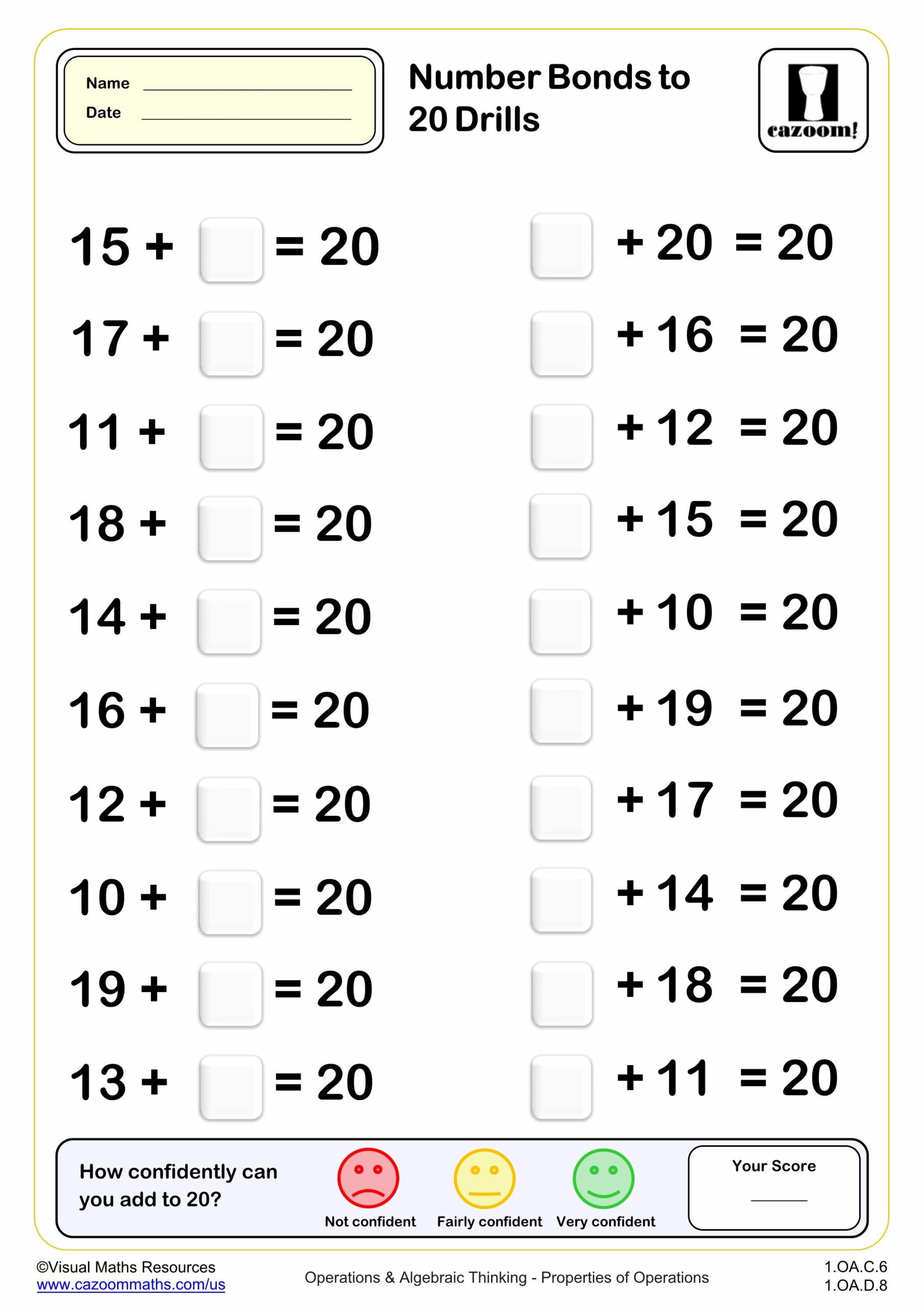
Number Bonds to 20 drills (50 questions)
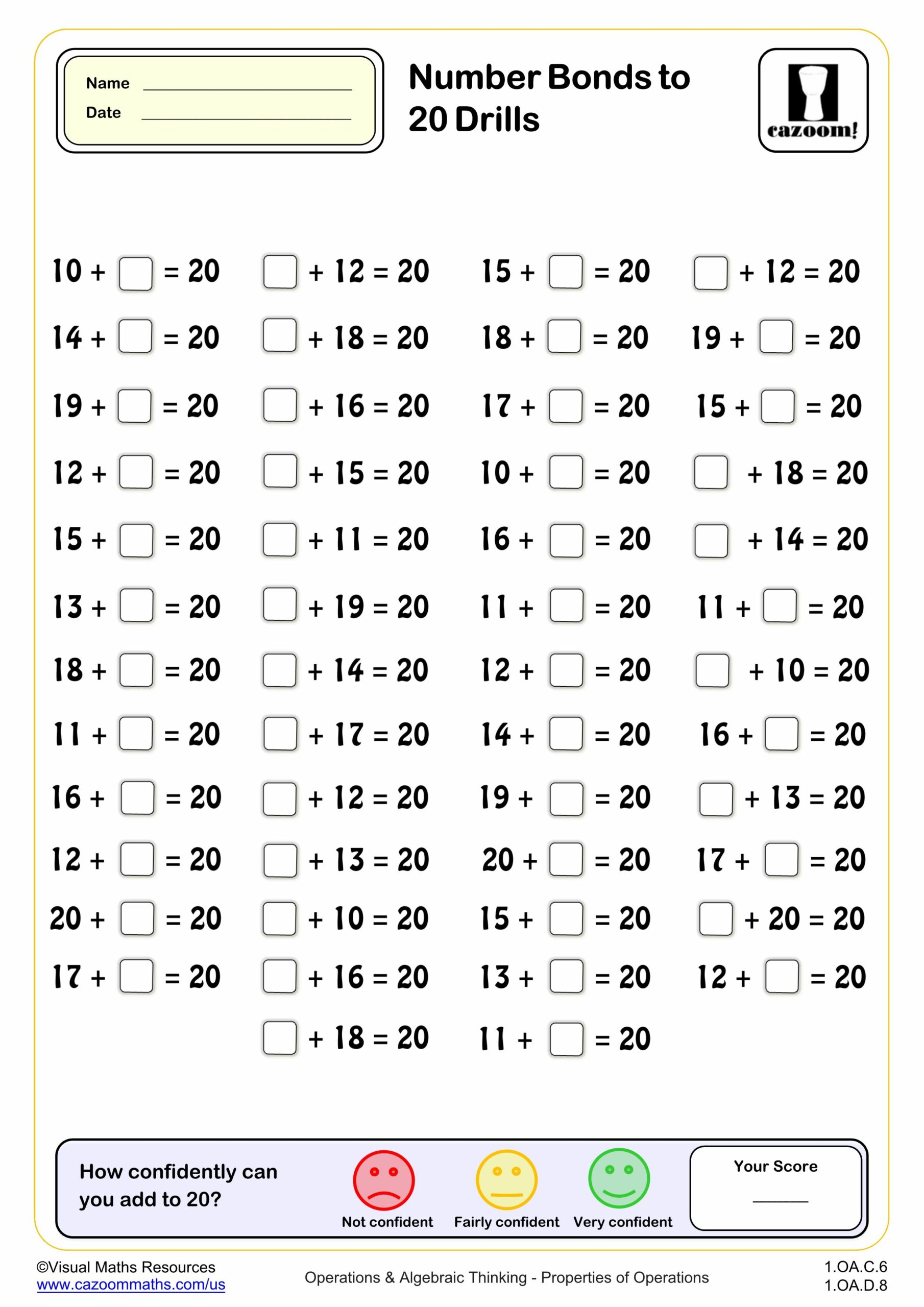
Number Bonds to 20 drills (B) (20 questions)
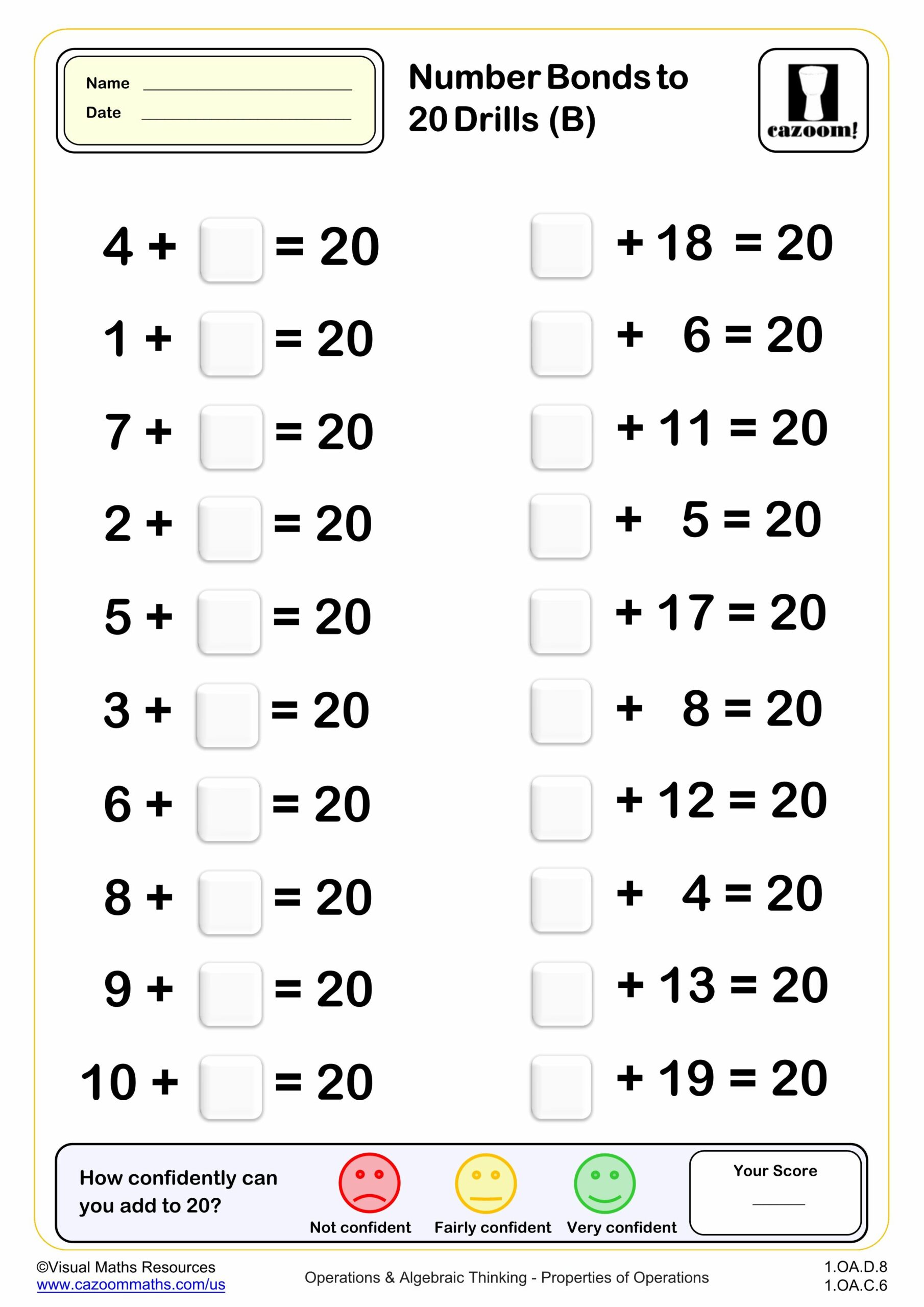
Number Bonds to 20 drills (B) (50 questions)
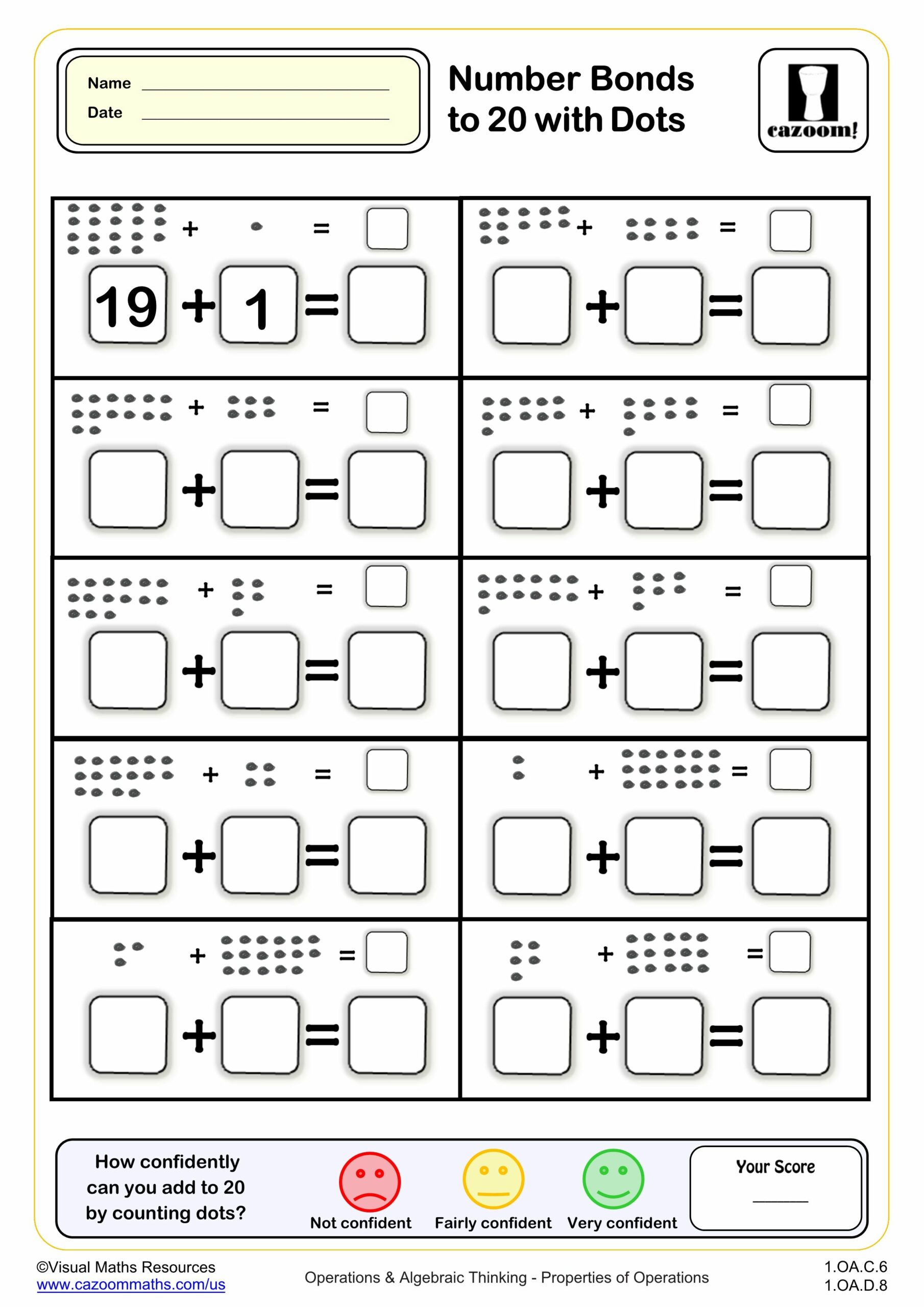
Number bonds to 20 with dots
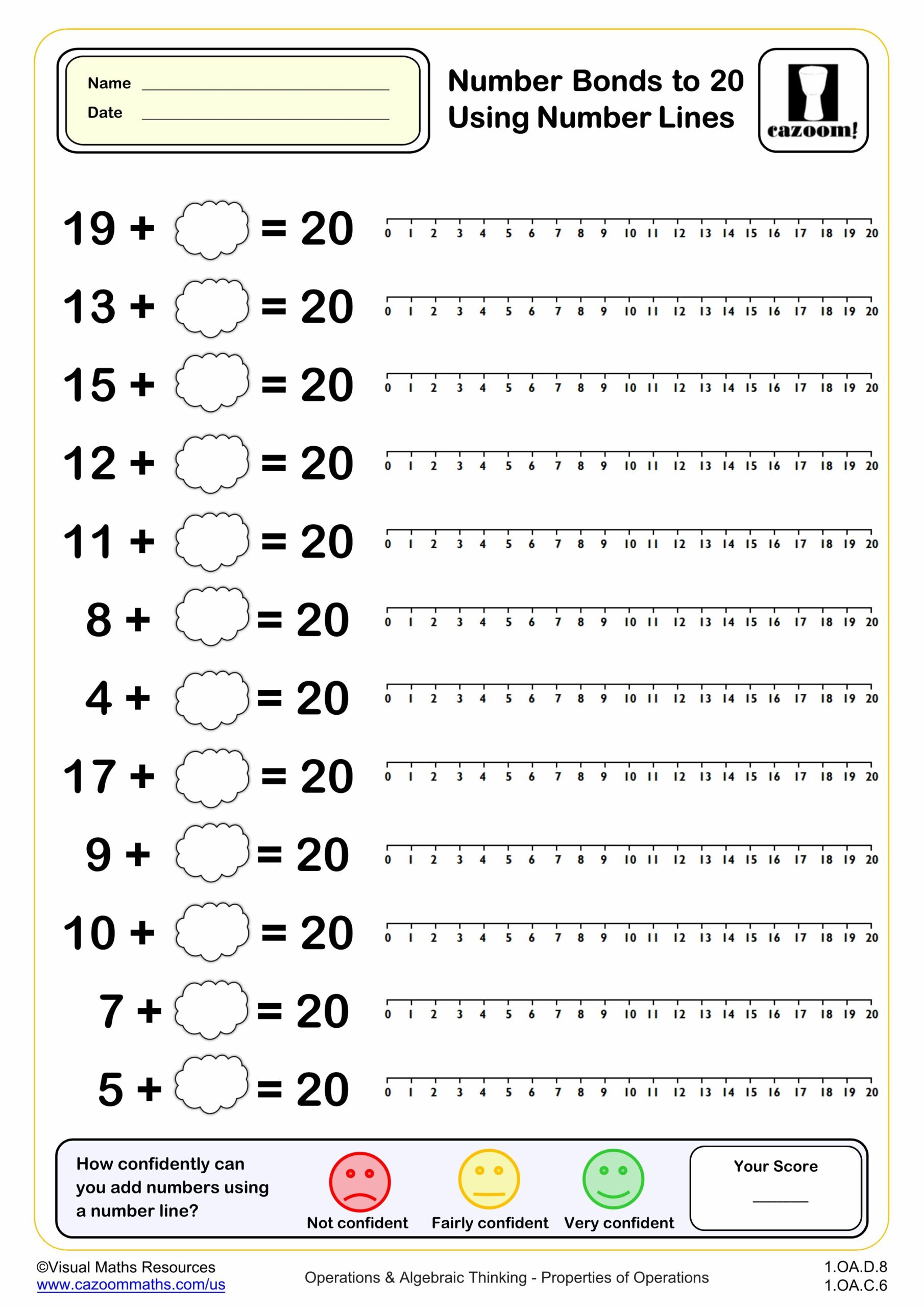
Number bonds to 20 with number lines
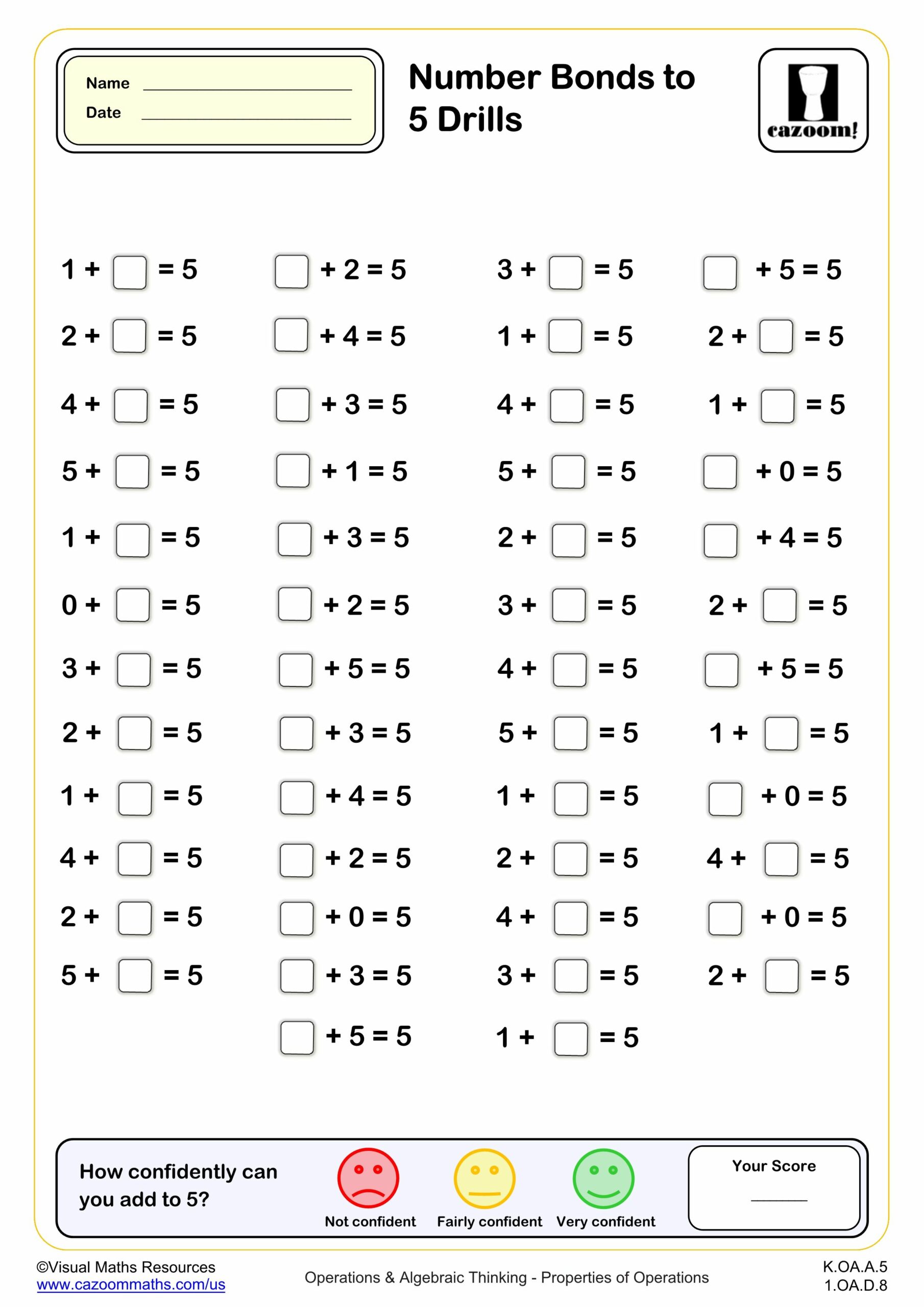
Number Bonds to 5 drills (50 questions)
All worksheets are created by the team of experienced teachers at Cazoom Math.
What Are Number Bonds and Why Do First Graders Need Them?
Number bonds are visual representations showing how numbers break apart and combine, typically displayed as circles connected by lines. For first graders, number bonds up to 20 build the conceptual understanding that every number can be decomposed in multiple ways, which directly supports Common Core standard 1.OA.C.6 for fluently adding and subtracting within 10.
Students often make the mistake of thinking there's only one correct bond for a number, when in fact 8 can be 5+3, 6+2, 4+4, or seven other combinations. Worksheets that show multiple bonds for the same target number help students recognize this flexibility, which becomes critical when they learn mental math strategies and fact families in later grades.
Which Grade Levels Use Number Bonds Up to 20 Worksheets?
These worksheets align with first grade elementary school mathematics, where students transition from counting-based strategies to understanding part-whole relationships. First graders work extensively with number bonds as they develop addition and subtraction fluency within 20, meeting standards that require them to demonstrate understanding of the relationship between addition and subtraction.
The worksheets progress in difficulty throughout first grade, starting with simple bonds to 10 using two numbers, then advancing to three-number combinations, and finally extending to bonds for 15 and 20. This scaffolded approach matches how most first grade curricula introduce composing and decomposing numbers, with making 10 serving as the anchor skill before students tackle larger sums.
How Does Making 10 Help Students with Mental Math?
Making 10 is a foundational strategy where students recognize that any number can be split to create a group of 10 plus some extras. For example, to add 8+5, students learn to break the 5 into 2+3, make 10 with the 8 and 2, then add the remaining 3 to reach 13. This technique reduces cognitive load by converting difficult facts into easier ones using a friendly anchor number.
This skill connects directly to how cashiers make change and how engineers estimate measurements in the field. When someone receives $13 in change from a $20 bill, they're using the making 10 concept: seven dollars makes 20, and that seven is really 10 minus 3. Understanding these bonds helps students see why our base-ten number system makes certain calculations efficient, a concept that extends through place value work and decimal operations in upper elementary grades.
How Should Teachers Use Number Bonds Worksheets in the Classroom?
The worksheets provide structured practice with varied problem types, starting with completed bonds that students analyze, then progressing to filling in missing parts. This scaffolding helps students move from concrete understanding with manipulatives to abstract number sense. The inclusion of both two-number and three-number bonds allows teachers to differentiate based on student readiness while keeping the whole class focused on the same concept.
Many teachers use these worksheets during math centers, pairing students who can check each other's work using the answer keys. They work well as warm-up activities before whole-class instruction on addition strategies, or as homework that reinforces classroom learning without requiring extensive parent support. The worksheets also serve intervention groups effectively, giving struggling students repeated practice with the making 10 foundation that state assessments expect them to apply fluently when solving word problems and multi-step calculations.