1st Grade Subtraction Worksheets
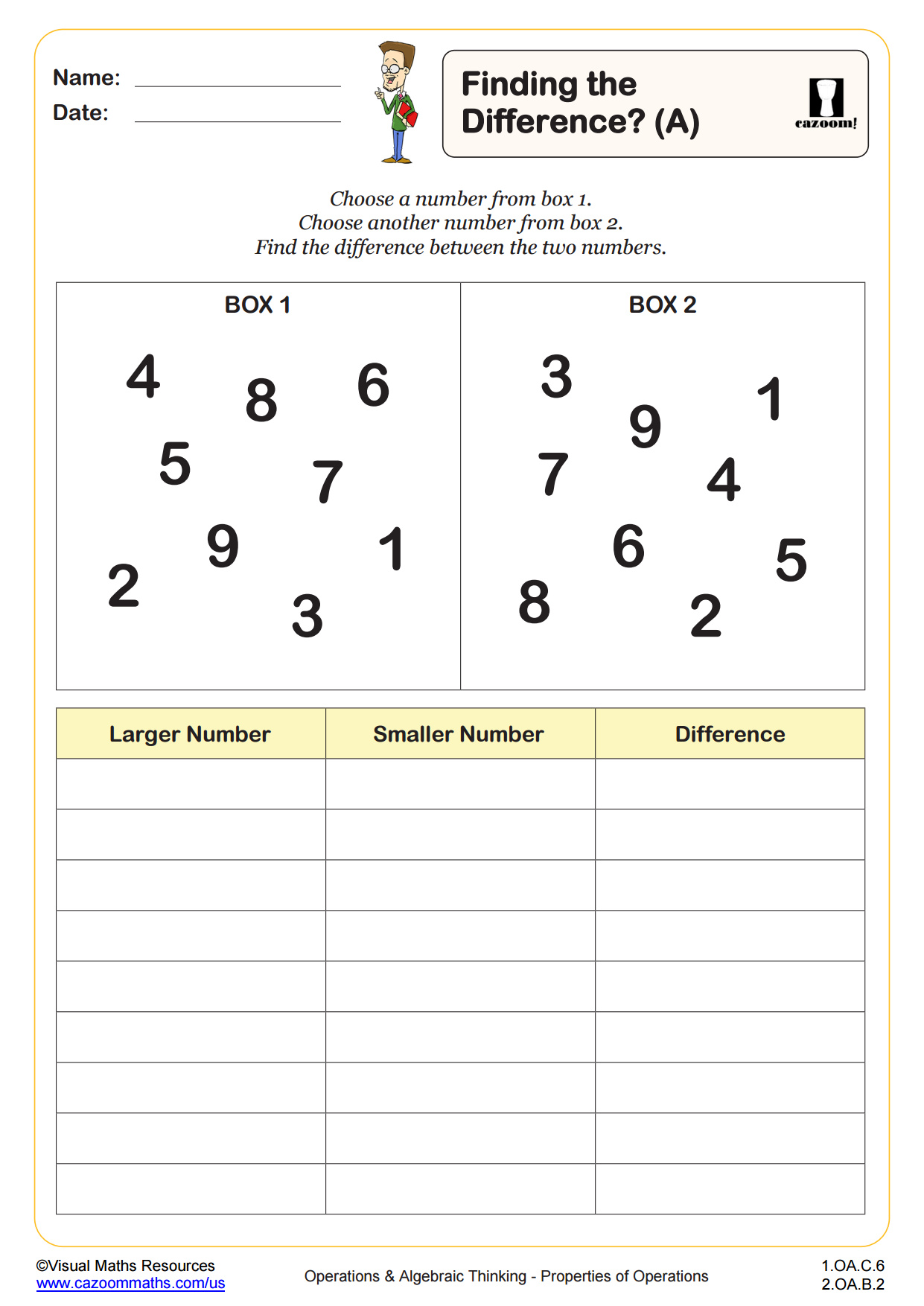
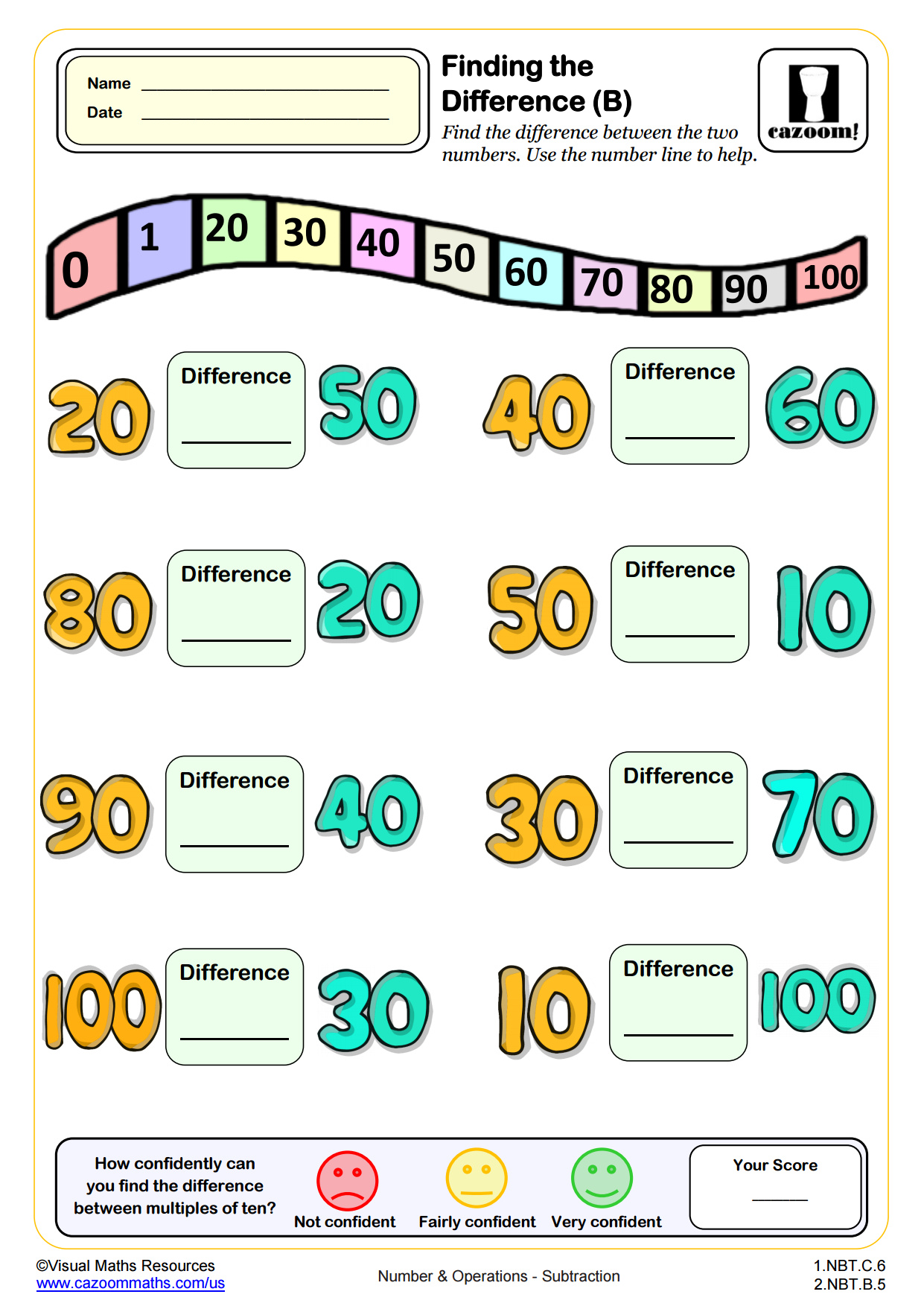
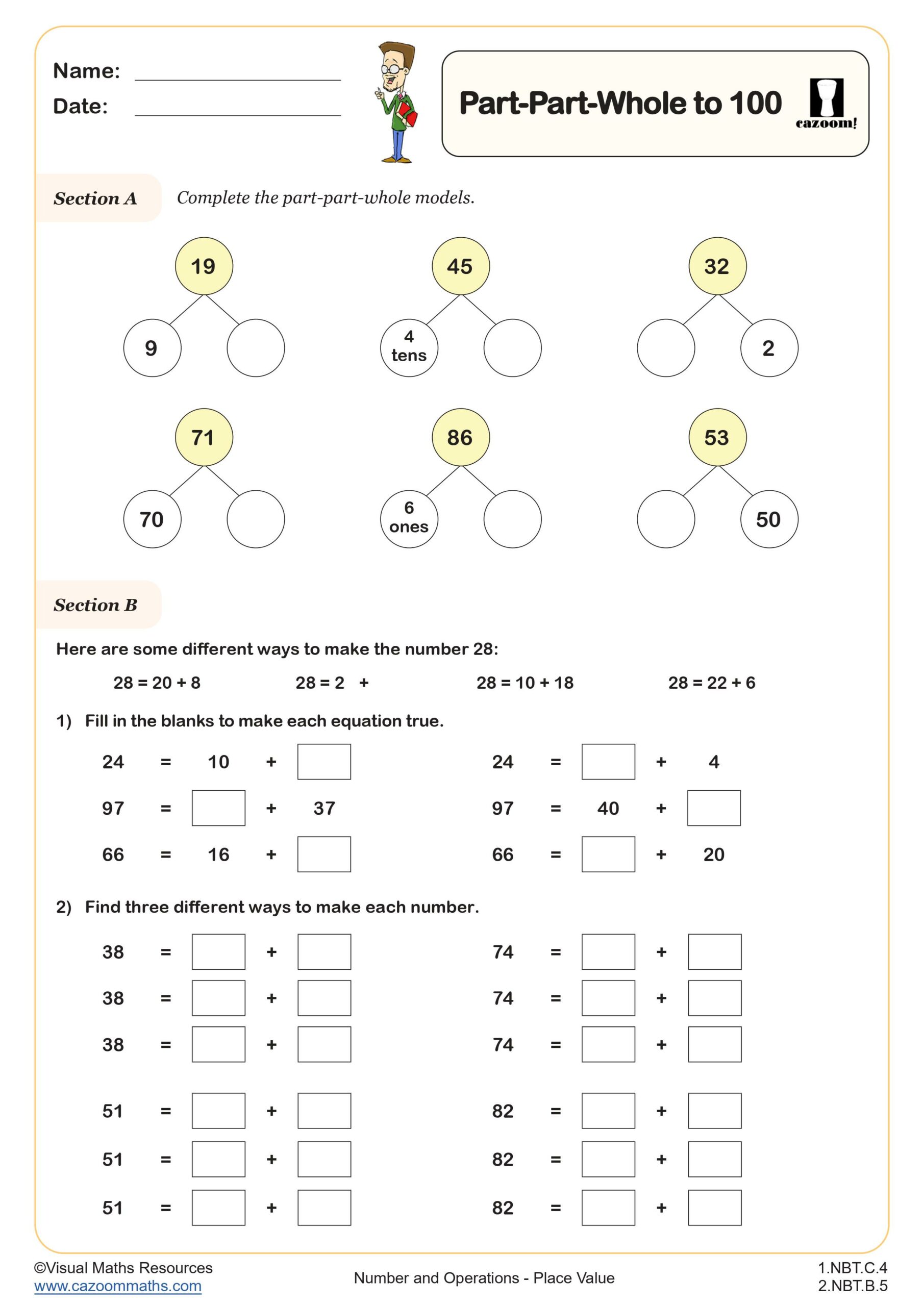
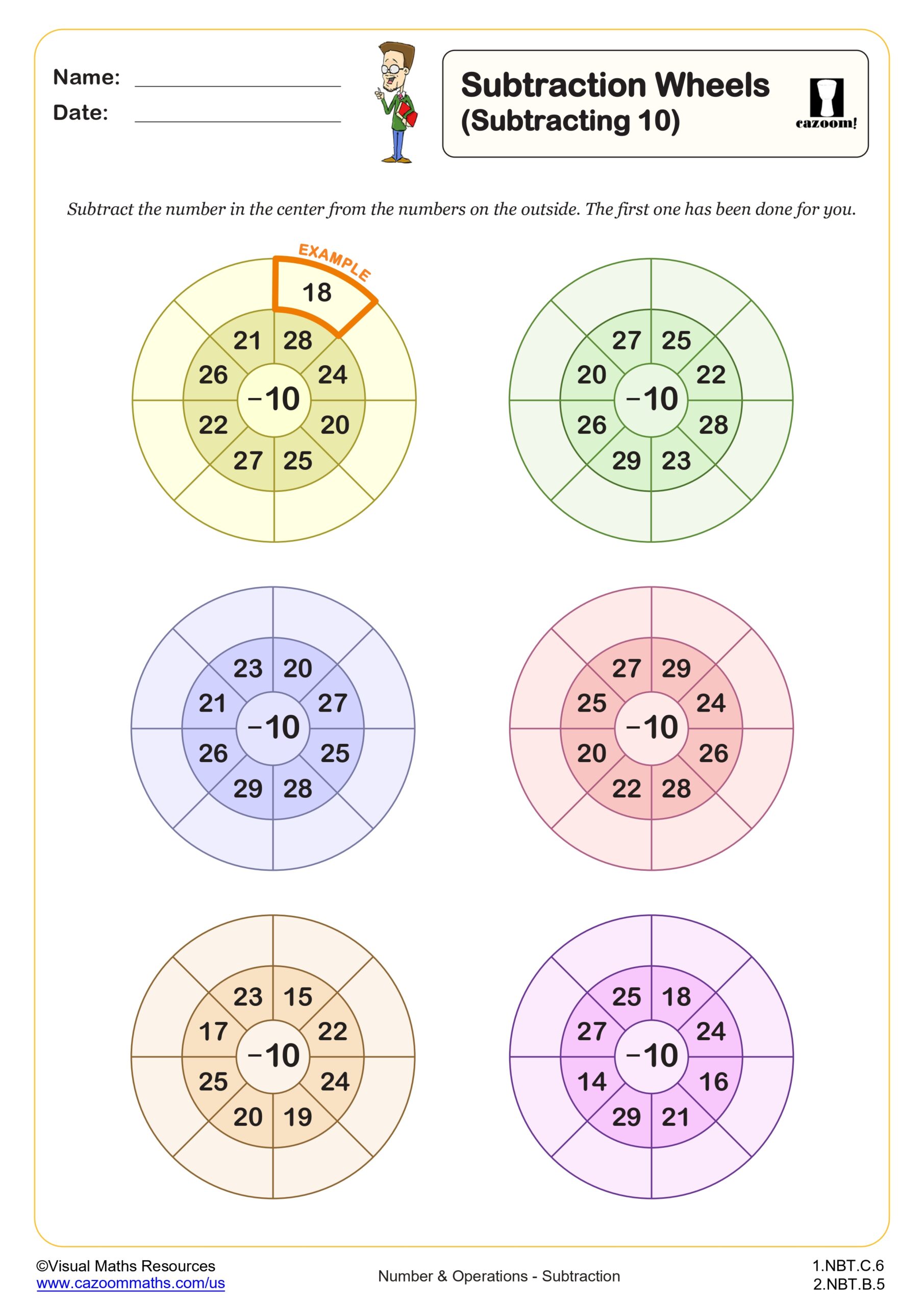
All worksheets are created by the team of experienced teachers at Cazoom Math.
What makes effective subtraction worksheets for grade 1?
Effective subtraction worksheets for grade 1 present problems in a logical sequence, starting with concrete visual models before moving to abstract number sentences. They align with Common Core standard 1.OA.1, which requires students to use addition and subtraction within 20 to solve problems involving situations of taking from, taking apart, and comparing.
Teachers find that worksheets work best when they include picture supports for early learners and gradually reduce visual cues as students gain confidence. Many educators observe that students struggle most with subtraction problems where they need to cross 10, so quality worksheets provide extra practice with these challenging facts while maintaining a balance of easier problems to build confidence.
Are these subtraction worksheets appropriate for different ability levels in 1st grade?
First grade subtraction worksheets should accommodate the wide range of mathematical development typical in elementary classrooms. Early in the year, some students may still need manipulatives and pictures, while others are ready for abstract number problems. The progression typically moves from subtraction within 5, then within 10, and finally within 20 by year's end.
Teachers often differentiate by providing worksheets with varying levels of visual support or problem complexity. Students who finish quickly can tackle word problems or two-step problems, while those needing more support benefit from worksheets that include ten frames, number lines, or counting pictures to help visualize the subtraction process.
How do picture-based subtraction problems help 1st graders?
Subtraction worksheets for grade 1 with pictures provide crucial visual scaffolding that helps students understand the concept of taking away. When students can see objects being crossed out or removed, they develop a concrete understanding of subtraction before moving to abstract number sentences. This visual approach aligns with how young children naturally think about mathematical concepts.
Many teachers notice that students who struggle with number-only problems show immediate improvement when pictures are included. The visual element helps bridge the gap between manipulative work done in small groups and independent paper-and-pencil practice. Students can literally see what 7 take away 3 means, making the transition to memorizing subtraction facts much more meaningful and lasting.
How should teachers use these subtraction worksheets most effectively?
Subtraction worksheets work best when integrated with hands-on activities and used as reinforcement rather than initial instruction. Teachers typically introduce subtraction concepts through manipulatives, games, and group activities before assigning independent worksheet practice. The worksheets serve to consolidate learning and provide opportunities for students to demonstrate their understanding.
Effective implementation involves using worksheets as formative assessment tools to identify students who need additional support or are ready for more challenging problems. Teachers often have students explain their thinking for a few problems rather than completing entire worksheets silently, which reveals misconceptions and helps build mathematical communication skills practical for later grade levels.