1st Grade Two Digit Subtraction 0-100 Worksheets
All worksheets are created by the team of experienced teachers at Cazoom Math.
What strategies do first graders use for two-digit subtraction?
First graders typically start with concrete strategies like counting backward on a number line or using base-ten blocks before transitioning to more abstract methods. The standard algorithm with regrouping remains challenging at this level, so many students rely on counting back by tens and ones, or breaking numbers apart using place value understanding (for example, solving 54 - 23 by thinking 54 - 20 = 34, then 34 - 3 = 31).
Teachers frequently notice that students who master the relationship between addition and subtraction can check their work more effectively and catch errors independently. When students understand that 54 - 23 = 31 means 31 + 23 should equal 54, they develop both computational accuracy and algebraic thinking patterns that transfer to equation solving in later grades.
Which grade levels practice two-digit subtraction within 100?
These worksheets align with first grade standards in elementary school, where students develop foundational subtraction skills with two-digit numbers. First graders work extensively with subtraction problems within 100, building the computational fluency and number sense that Common Core State Standards emphasize for this grade level.
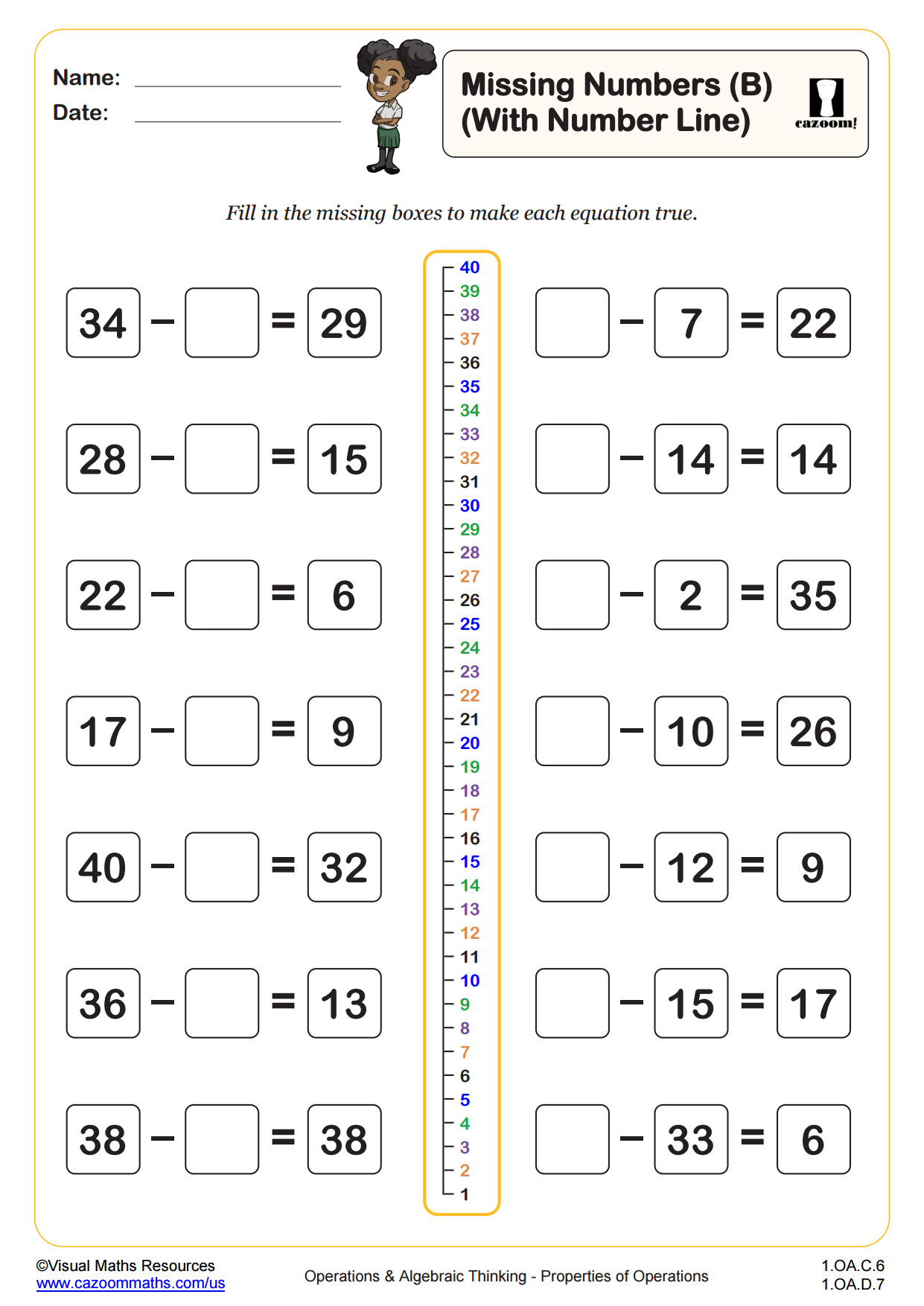
The progression within first grade moves from concrete number line support to more abstract representations. Students typically begin with visual scaffolds that show the counting-back process, then advance to missing number problems that require deeper understanding of the relationship between parts and wholes. This gradual release builds confidence before students encounter regrouping challenges in second grade.
How do number lines support two-digit subtraction learning?
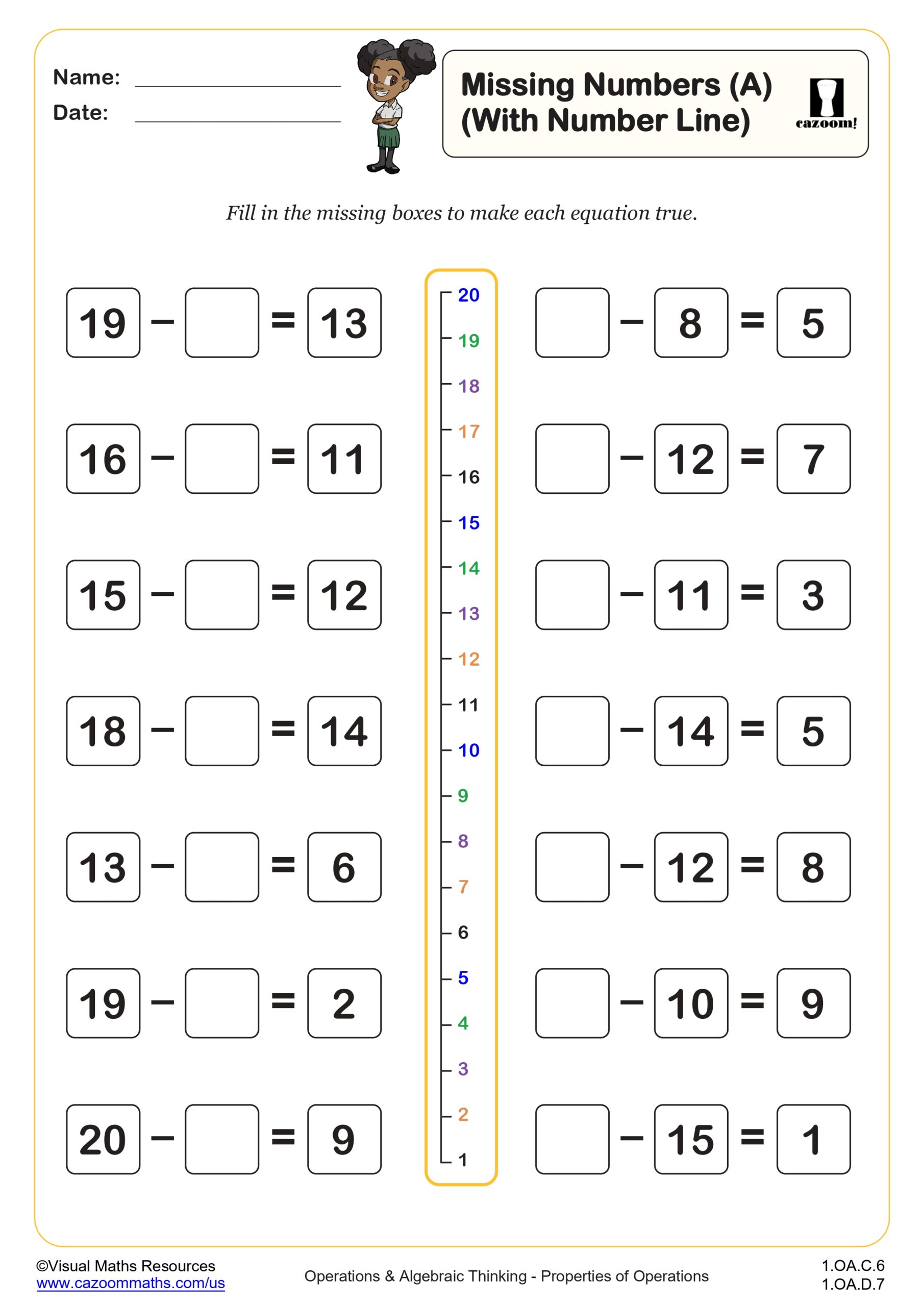
Number lines provide a visual model that helps students conceptualize subtraction as movement along a sequence of numbers rather than just memorized procedures. When solving 62 - 35 on a number line, students can see themselves jumping back by tens (62 to 52 to 42 to 32) and then by ones, making the abstract concept of "taking away" more concrete and manageable.
This visual representation connects directly to measurement concepts students encounter in science and everyday life. When students understand subtraction as distance on a number line, they can more easily grasp measuring temperature drops (from 68°F to 45°F), calculating remaining lengths when cutting materials, or determining time intervals. These real-world applications make the number line strategy valuable beyond just computation practice.
How can teachers use these subtraction worksheets effectively?
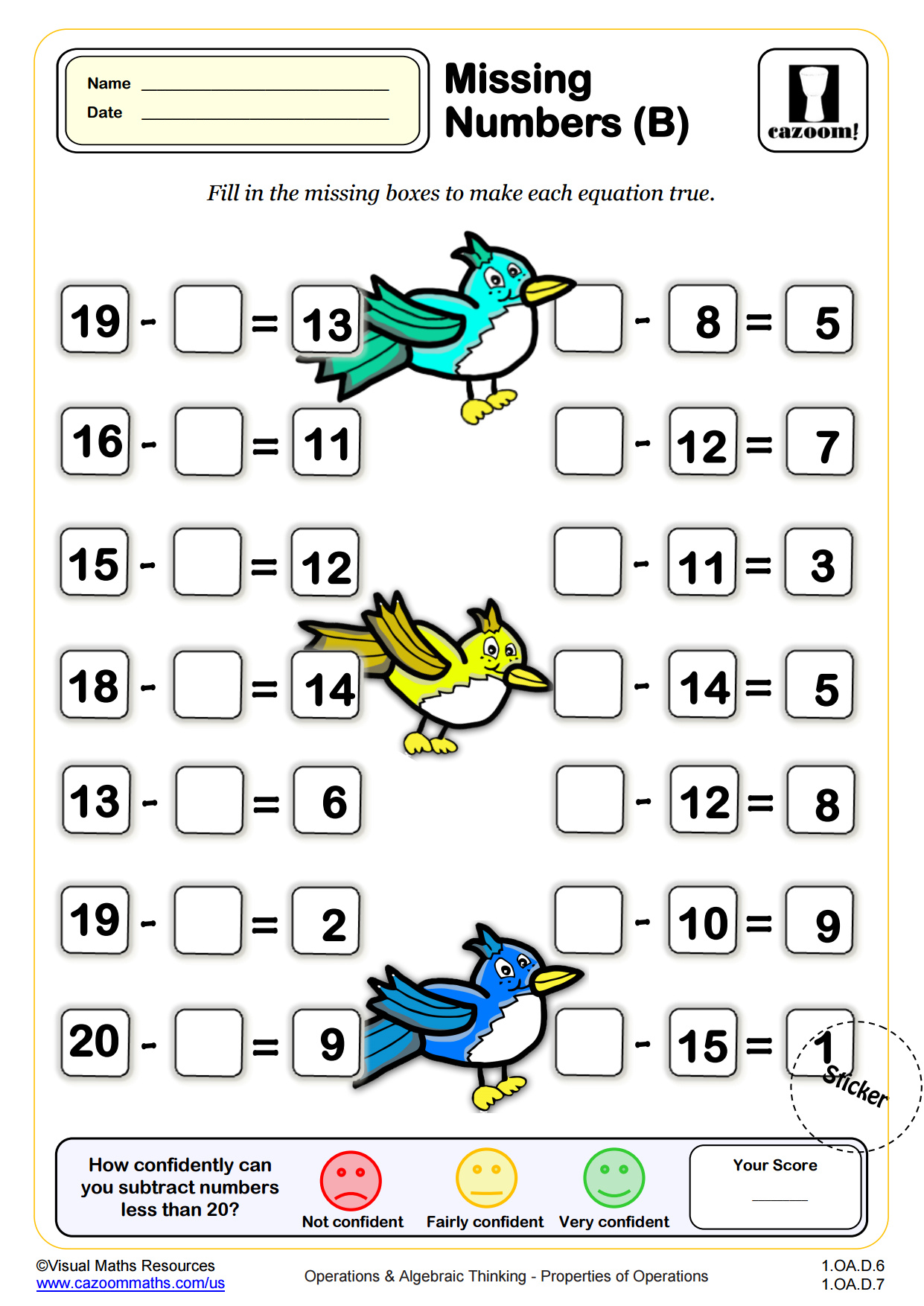
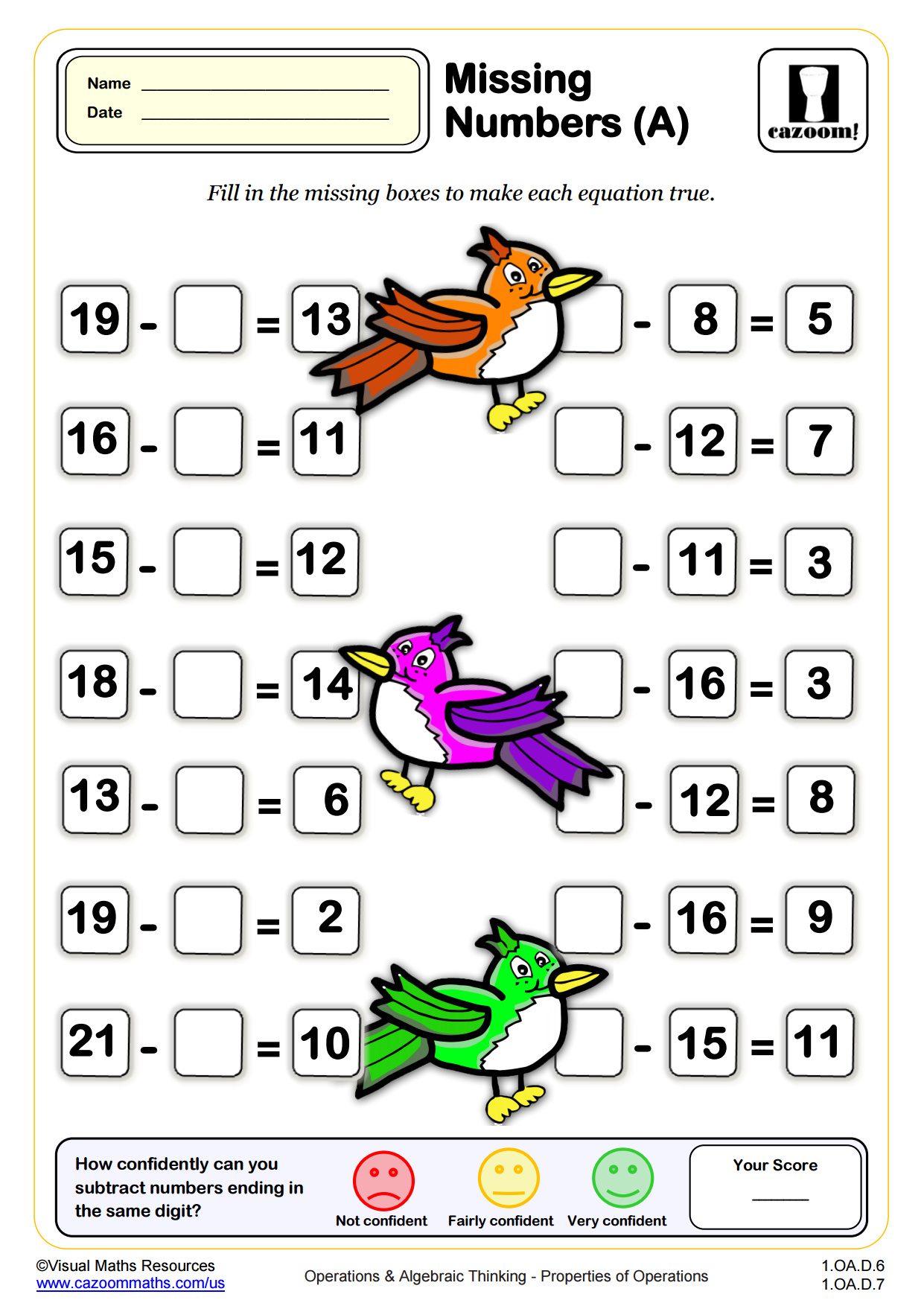
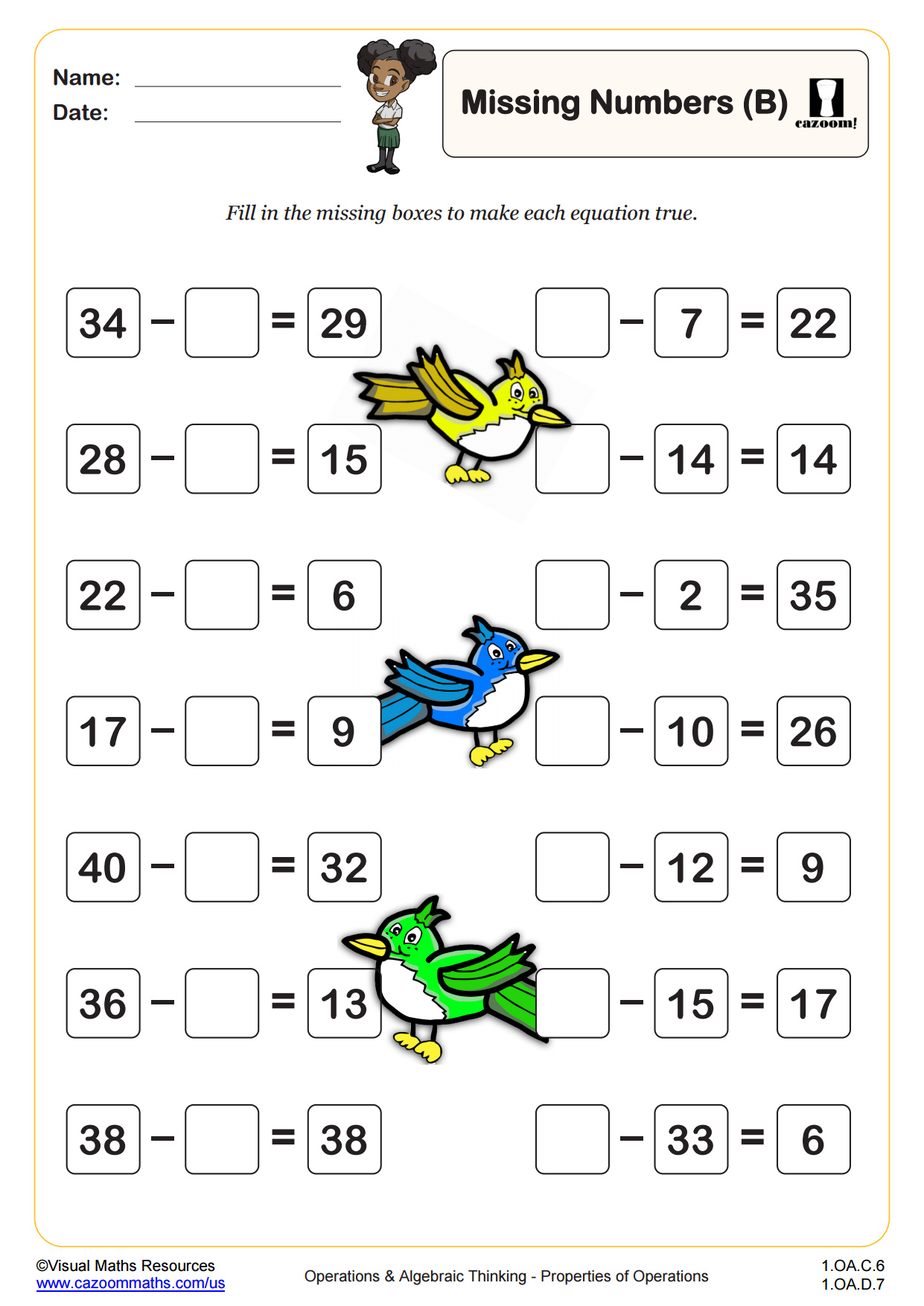
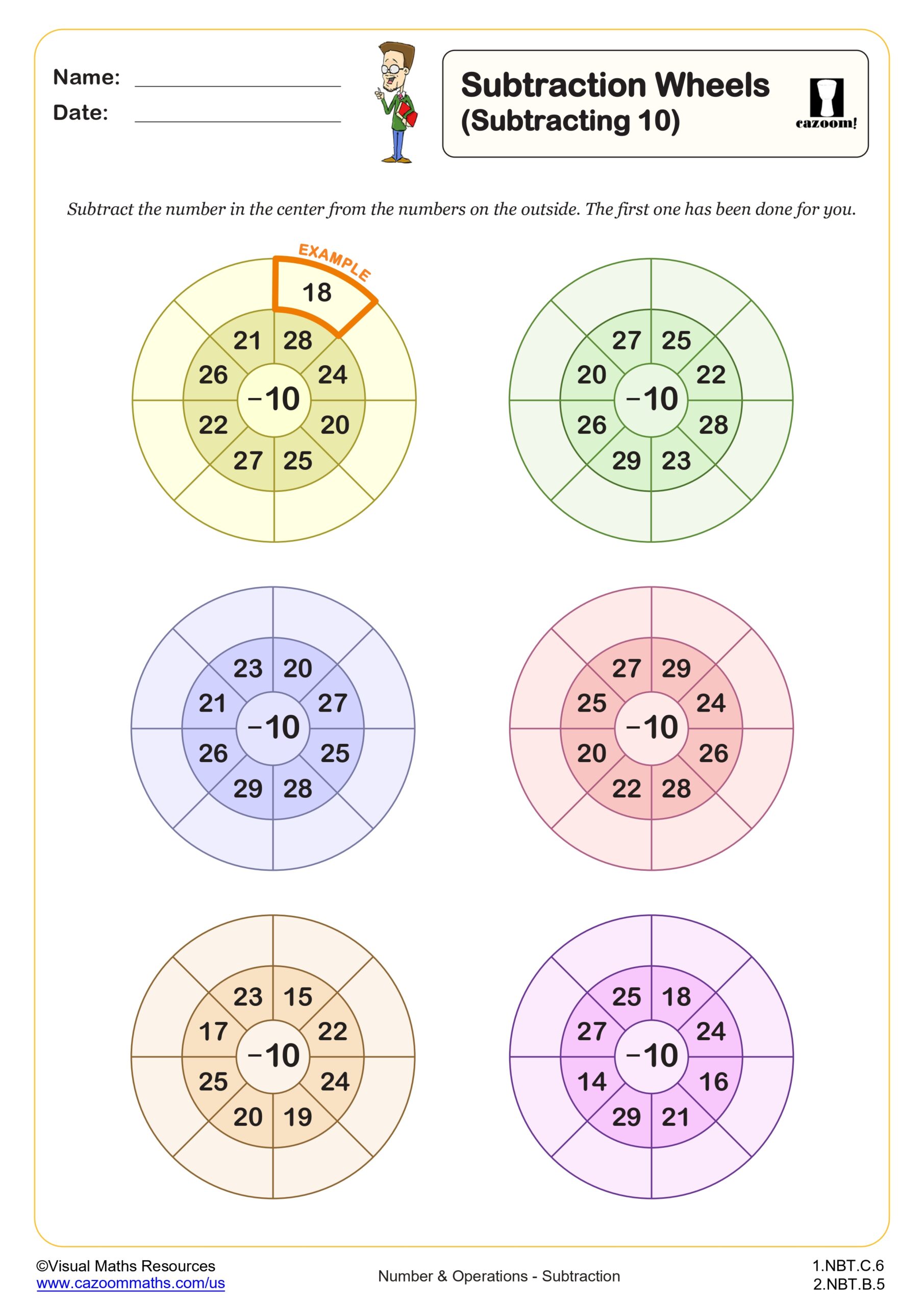
The worksheets scaffold learning by offering different formats that address various aspects of subtraction fluency. Problems with number lines support students who need visual guidance, while missing number formats (where students find the minuend, subtrahend, or difference) deepen conceptual understanding by requiring flexible thinking. Match-the-answer activities provide self-checking opportunities that build independence.
Many teachers use these worksheets for differentiated math centers, allowing students working above grade level to tackle problems without number lines while providing extra visual support for struggling learners. The answer keys make them practical for homework assignments where parents can help, morning work while teachers conduct assessments, or paired practice where students check each other's work and discuss different solution strategies.