2nd Grade Adding 0-20 Worksheets
Adding 1 (10 questions)
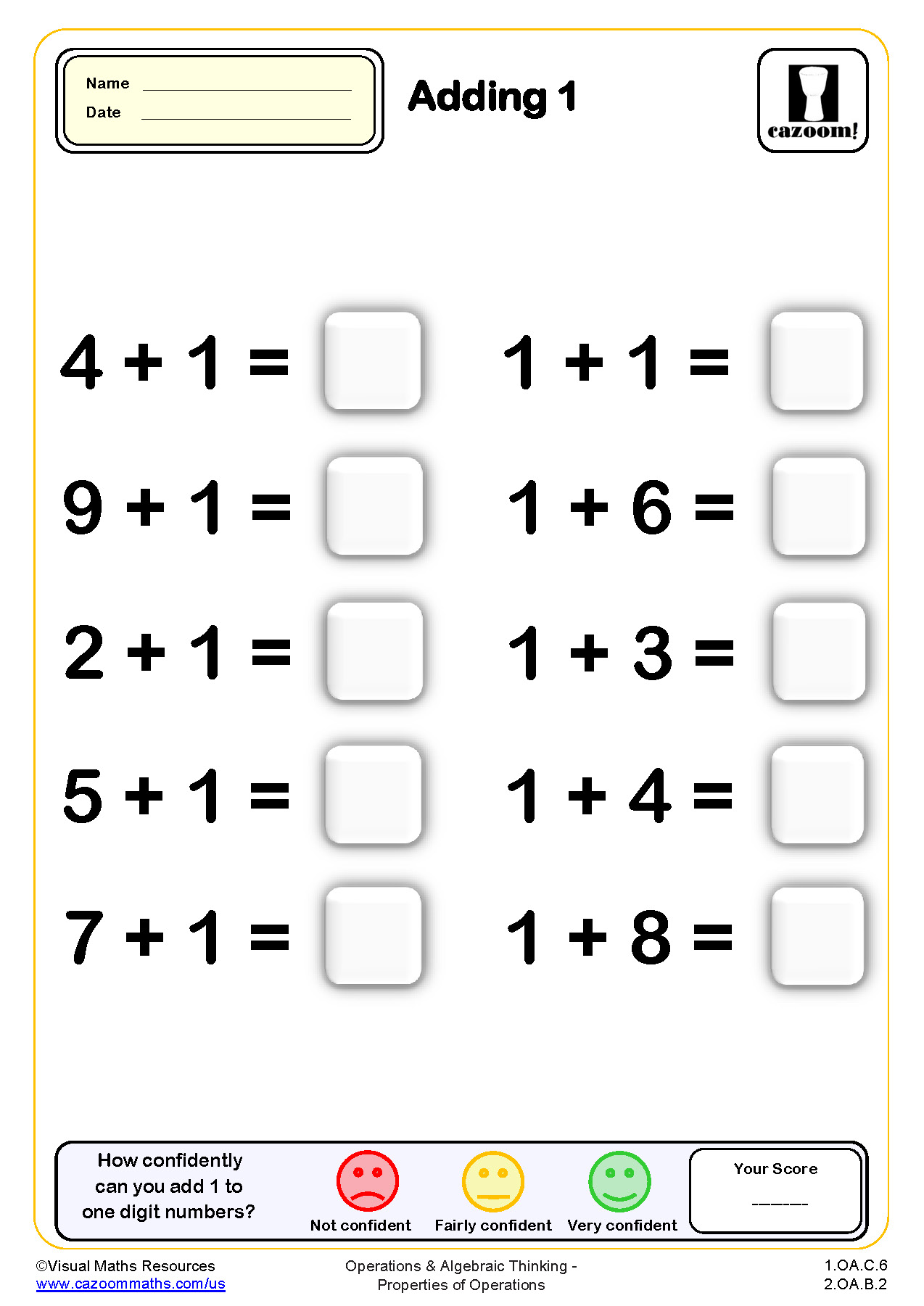
Adding 1 (20 questions)
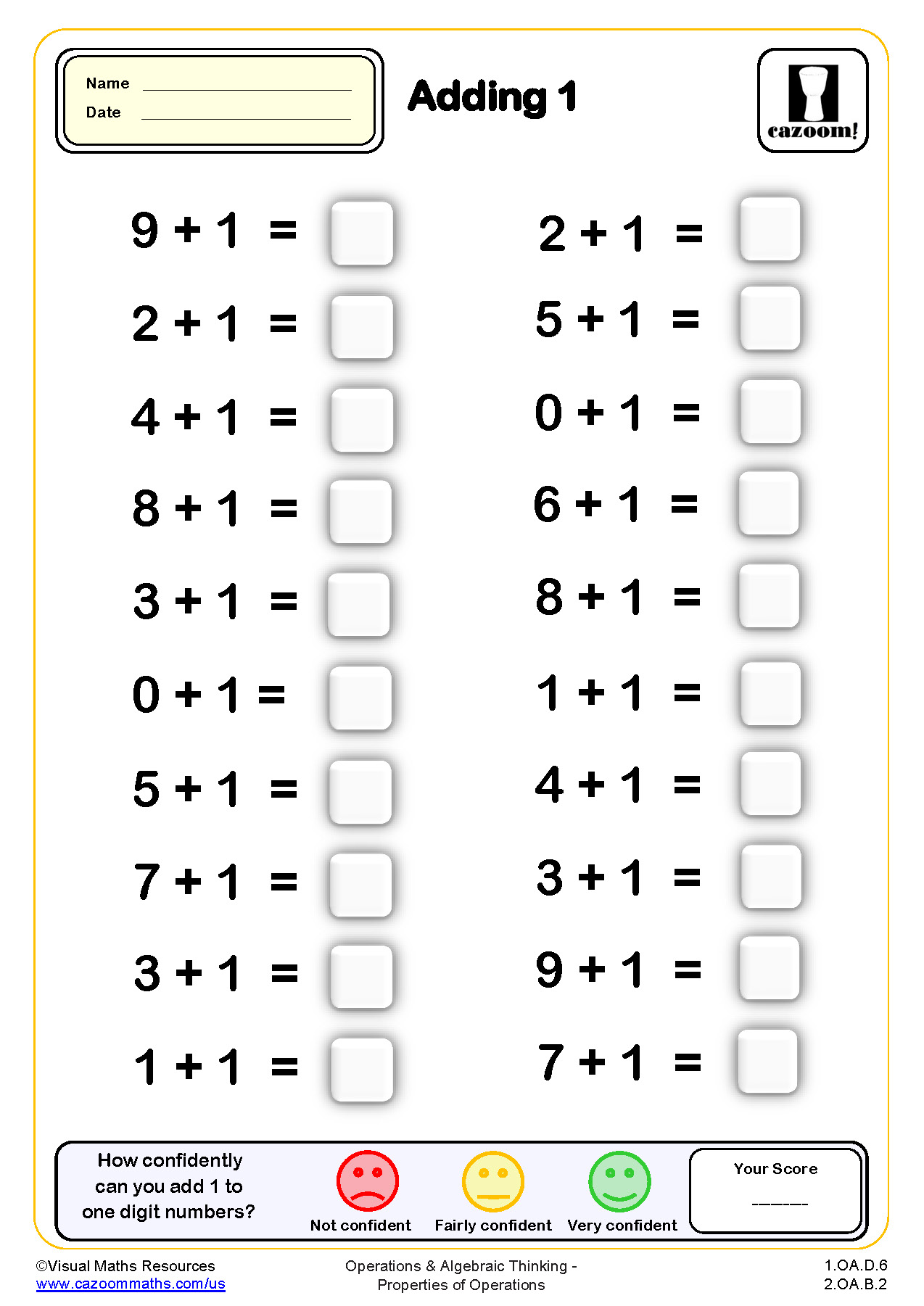
Adding 1 (50 questions)
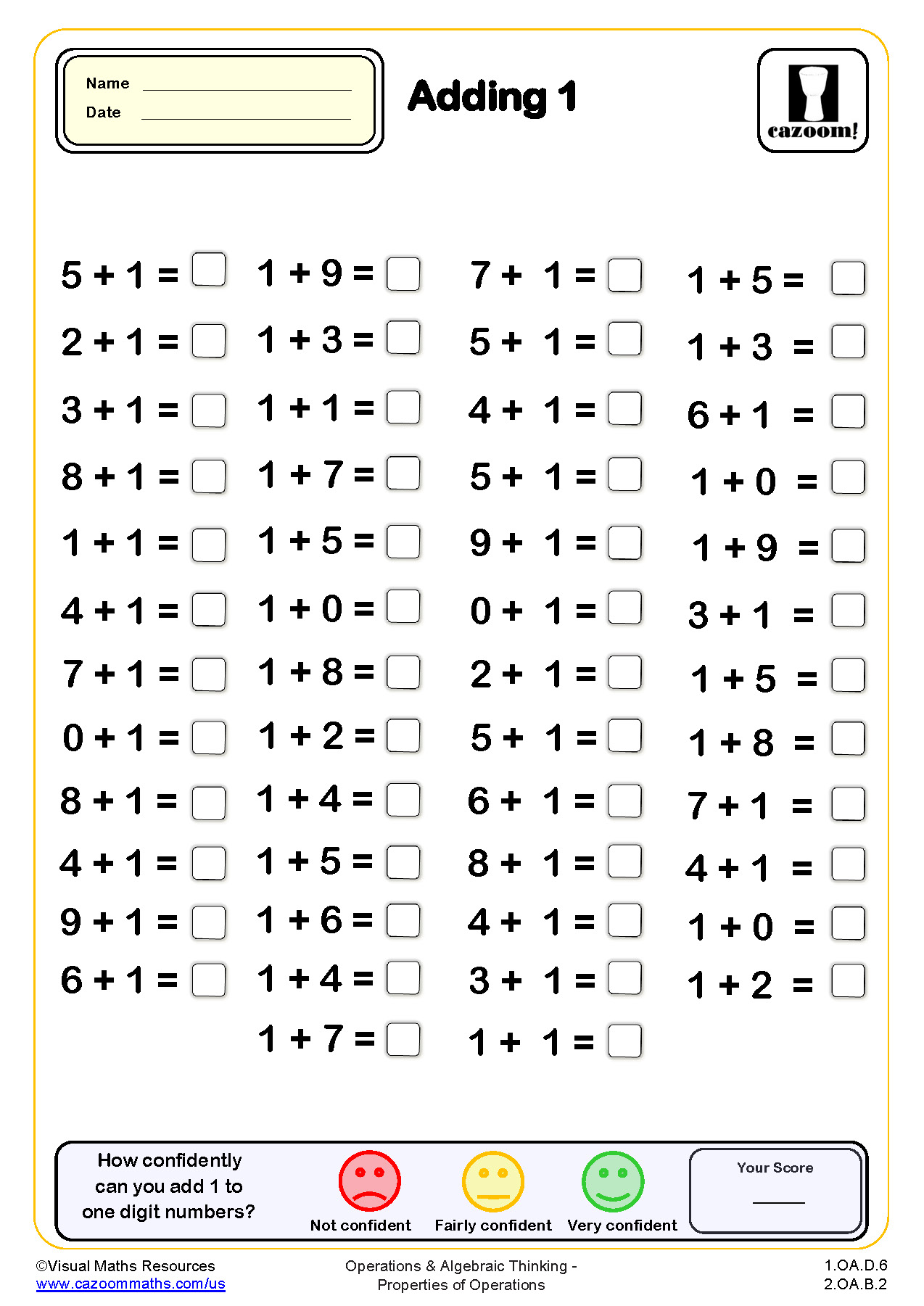
Adding 2 (10 questions)
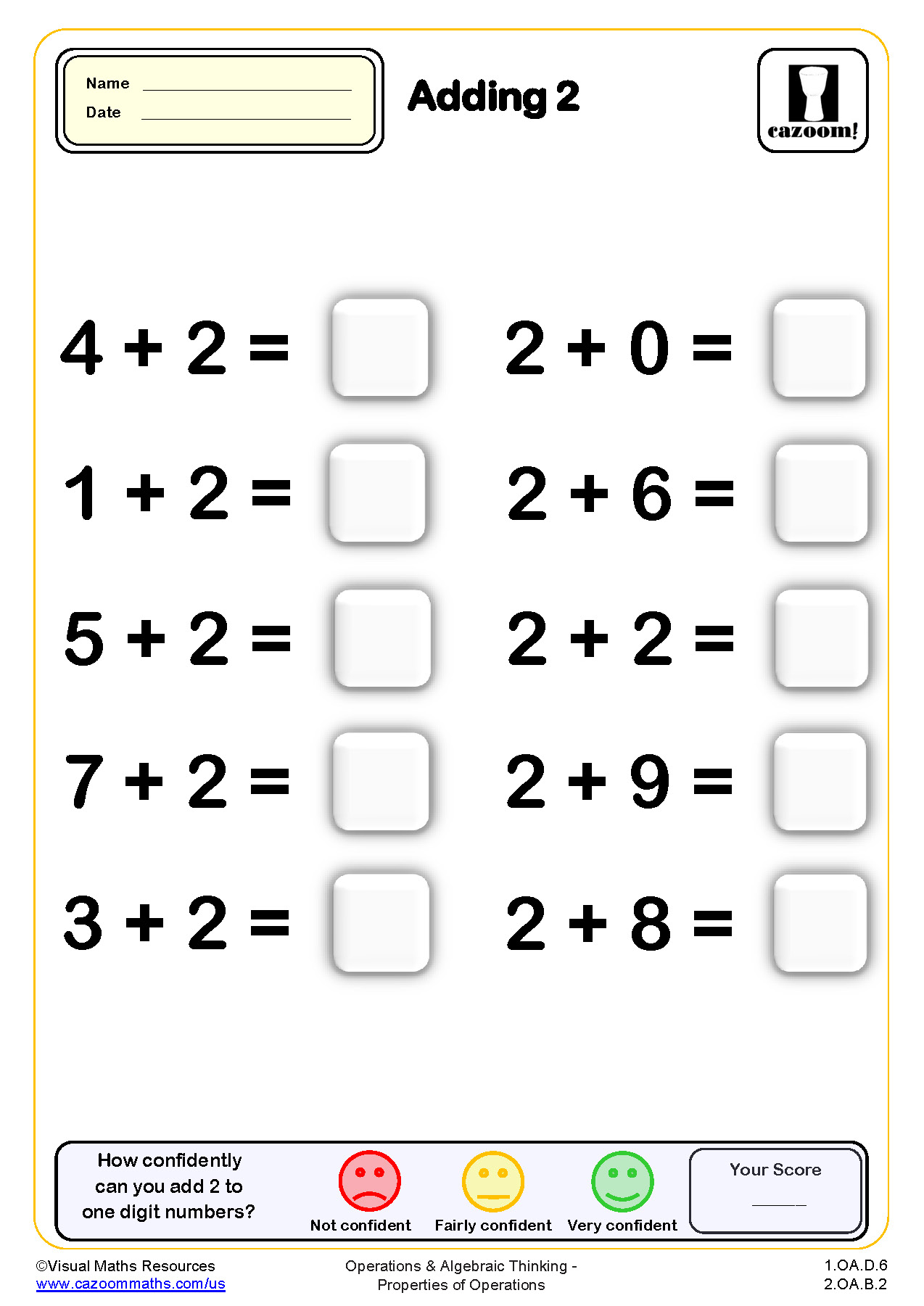
Adding 2 (20 questions)
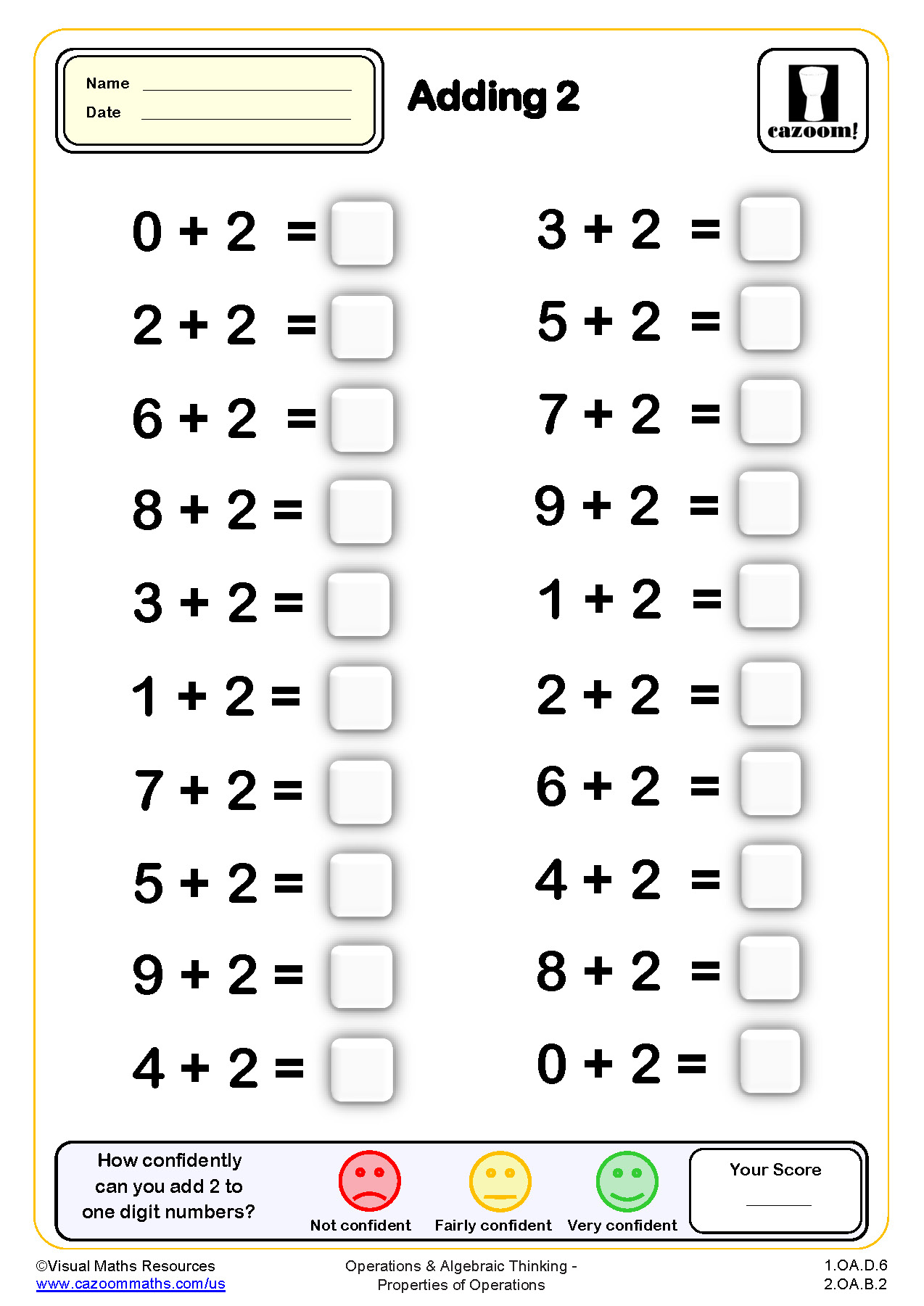
Adding 2 (50 questions)
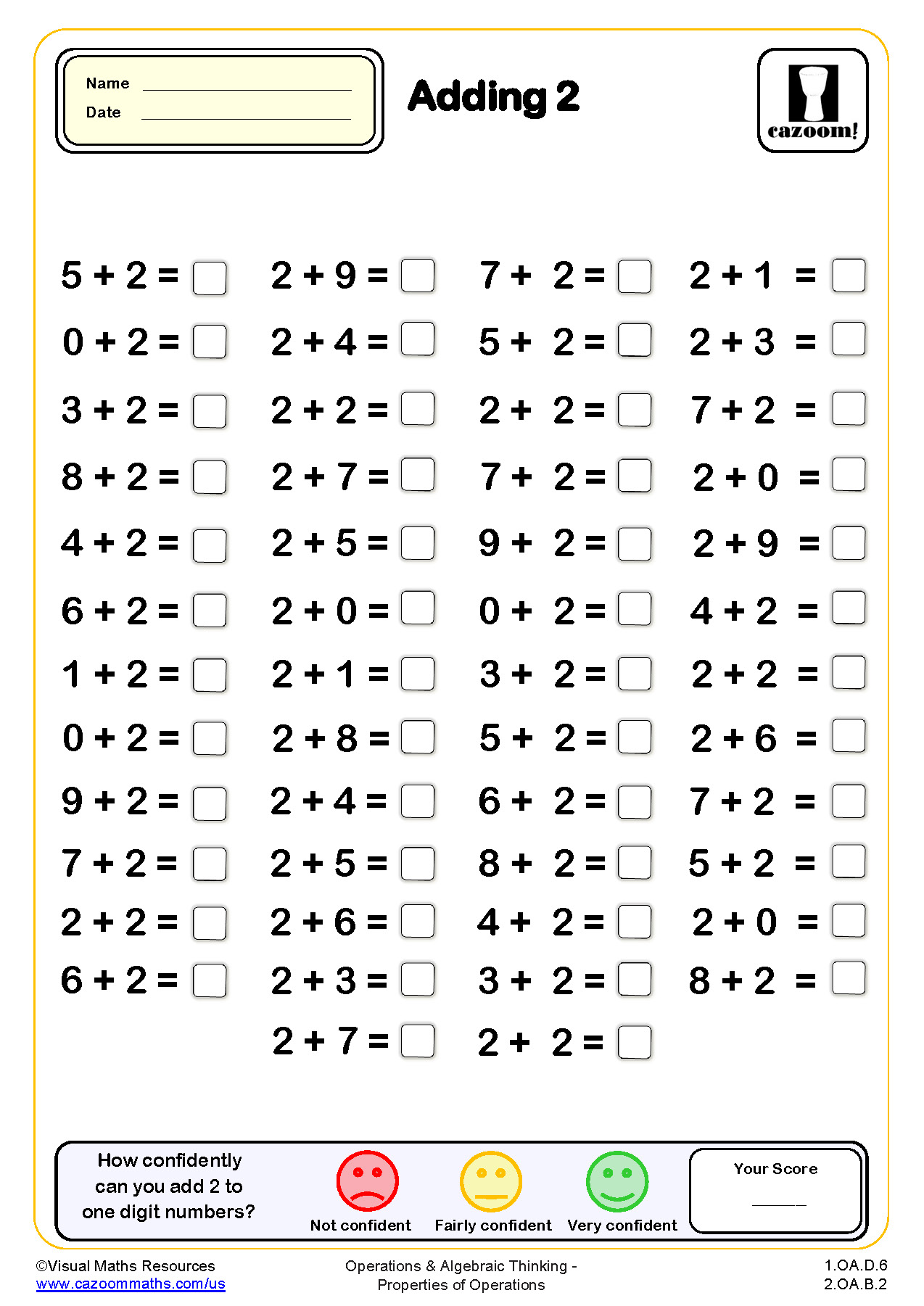
Adding 3 (10 questions)
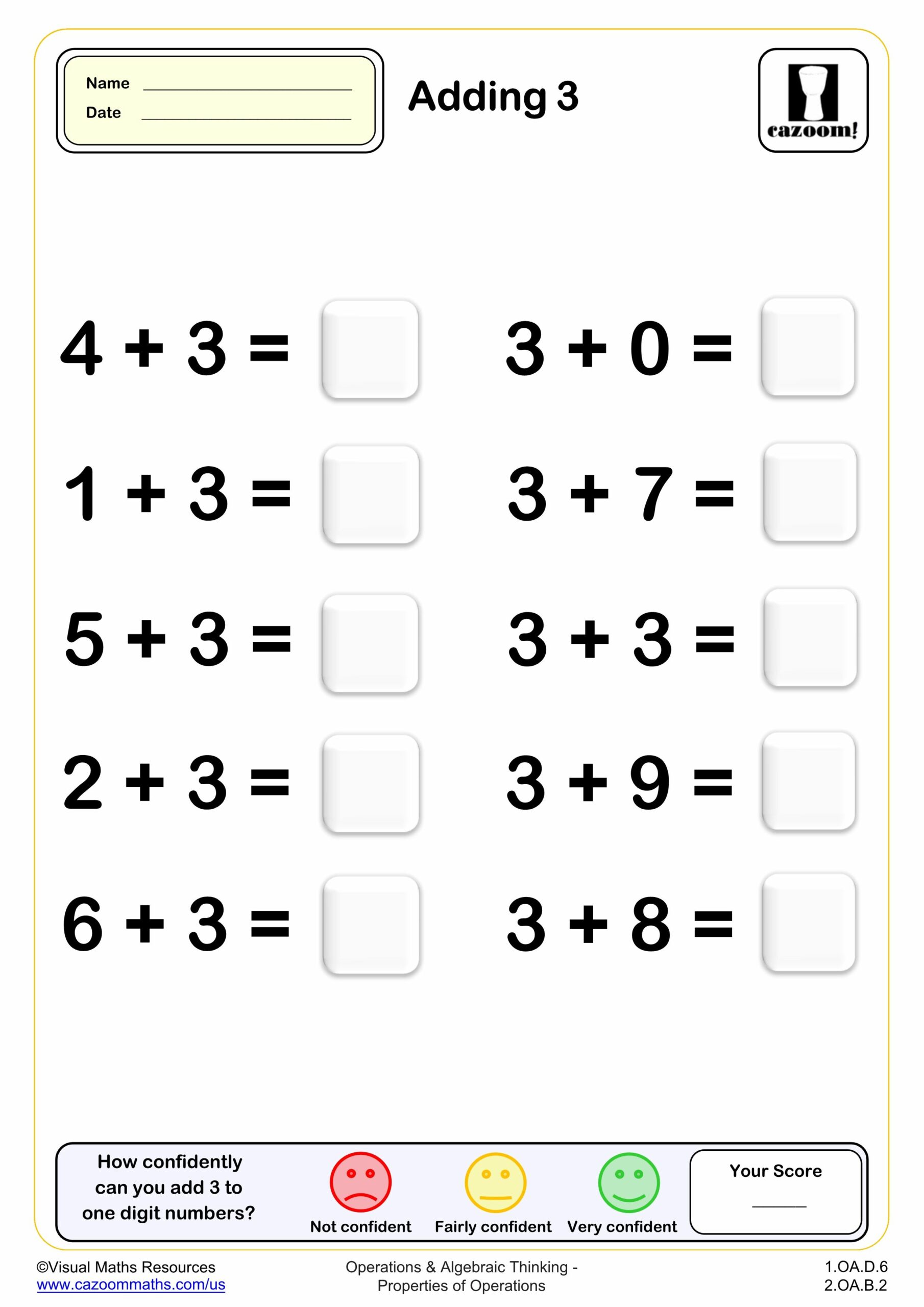
Adding 3 (20 questions)
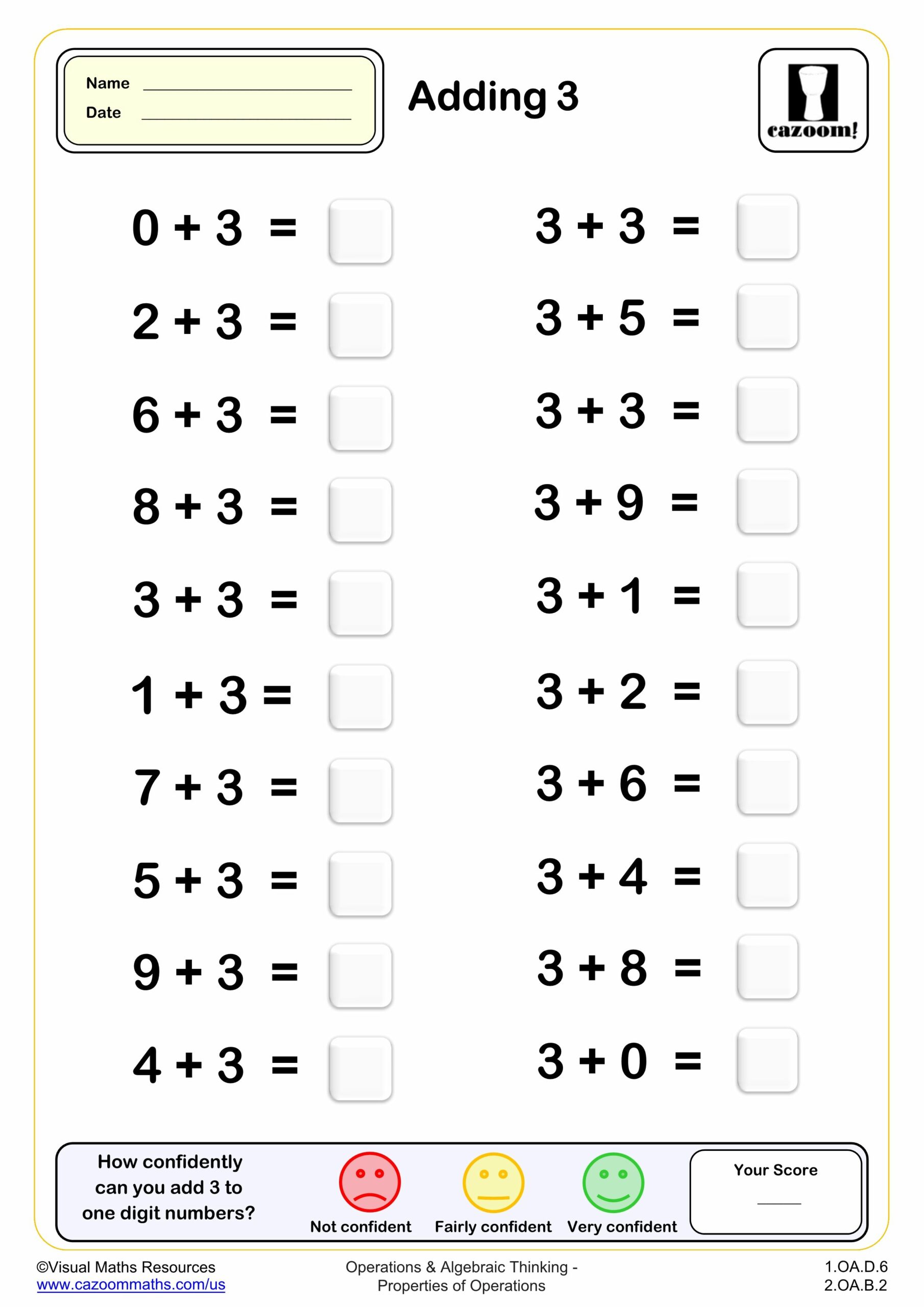
Adding 3 (50 questions)
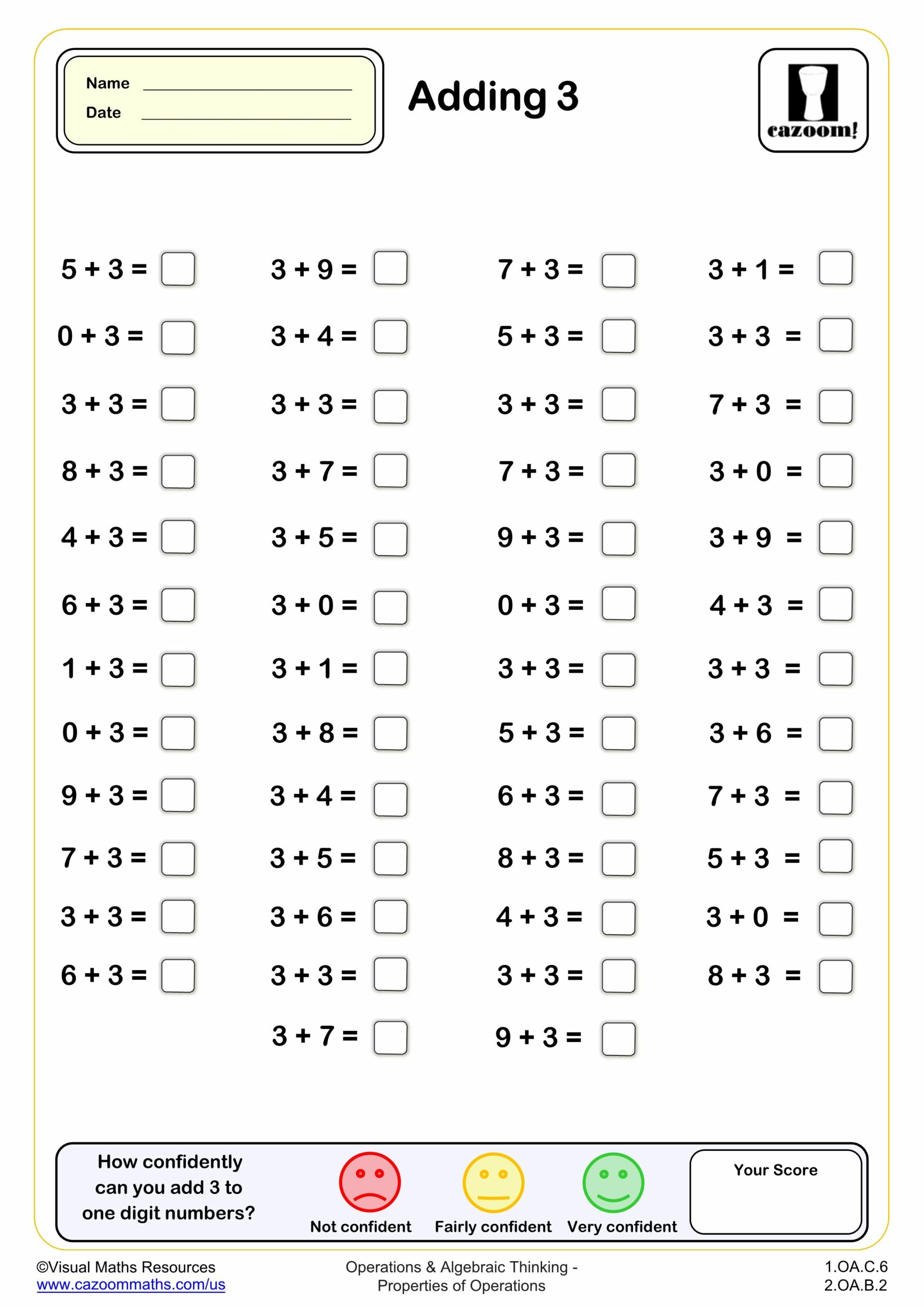
Adding 4 (10 questions)
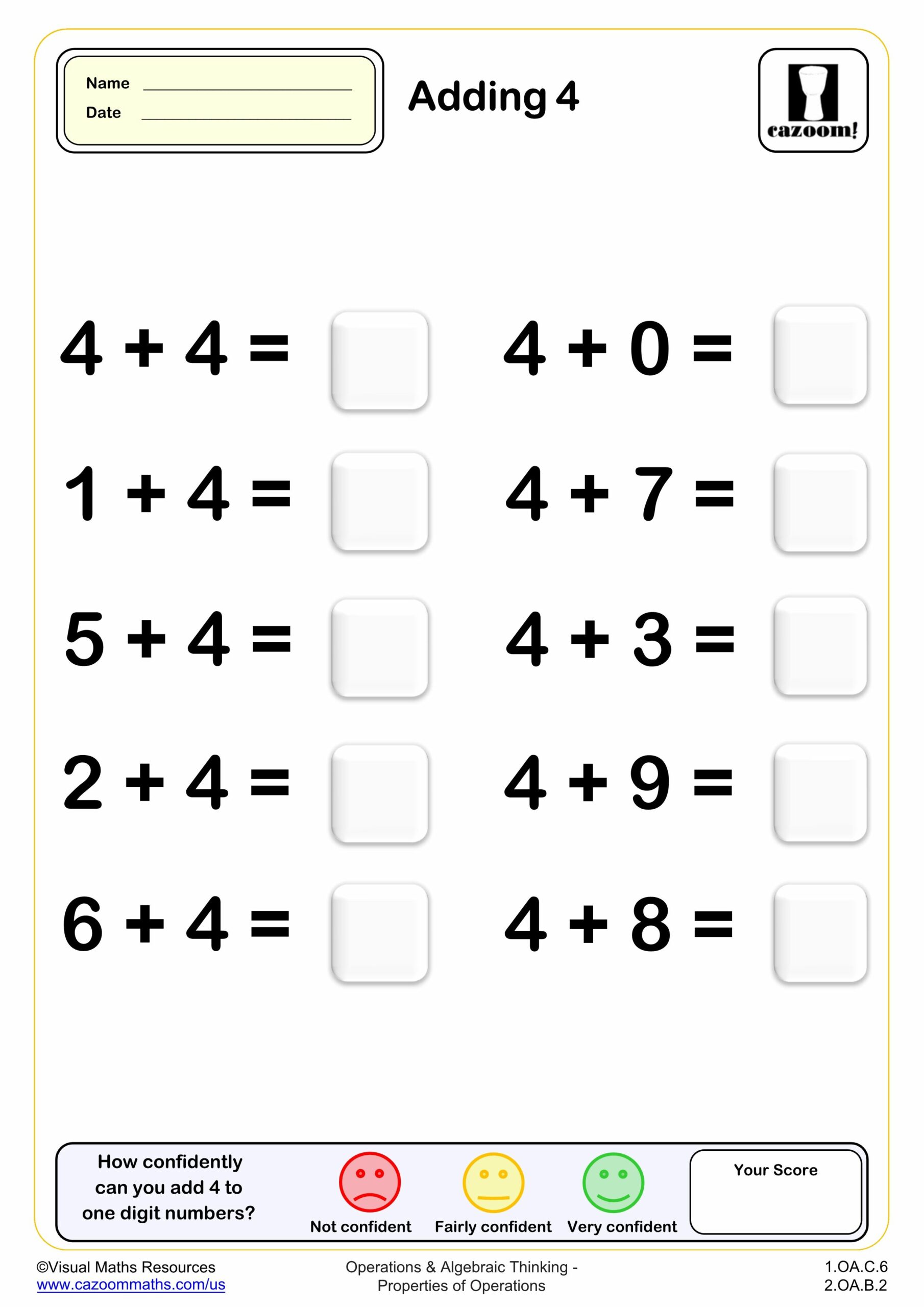
Adding 4 (20 questions)
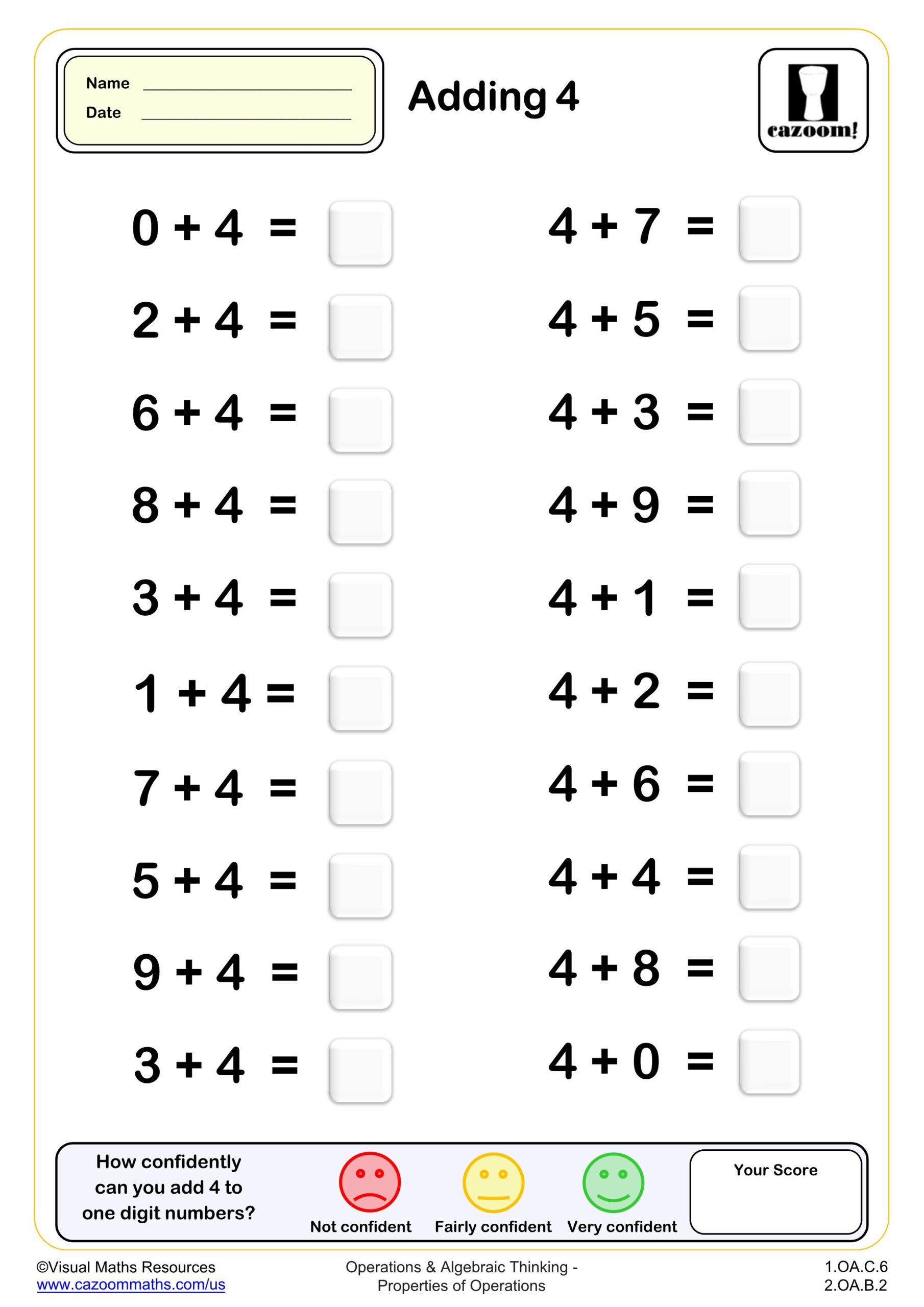
Adding 4 (50 questions)
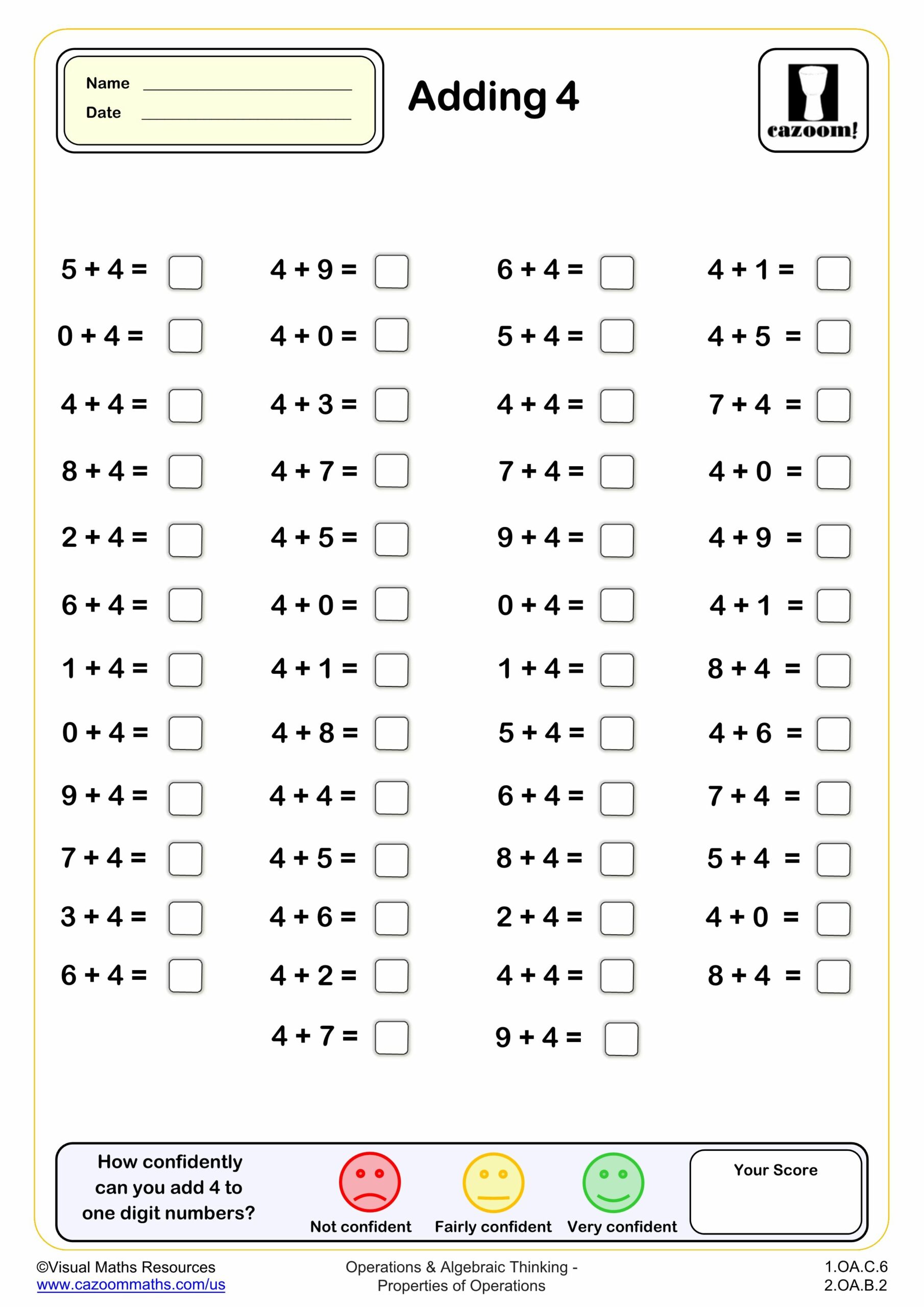
Adding 5 (10 questions)
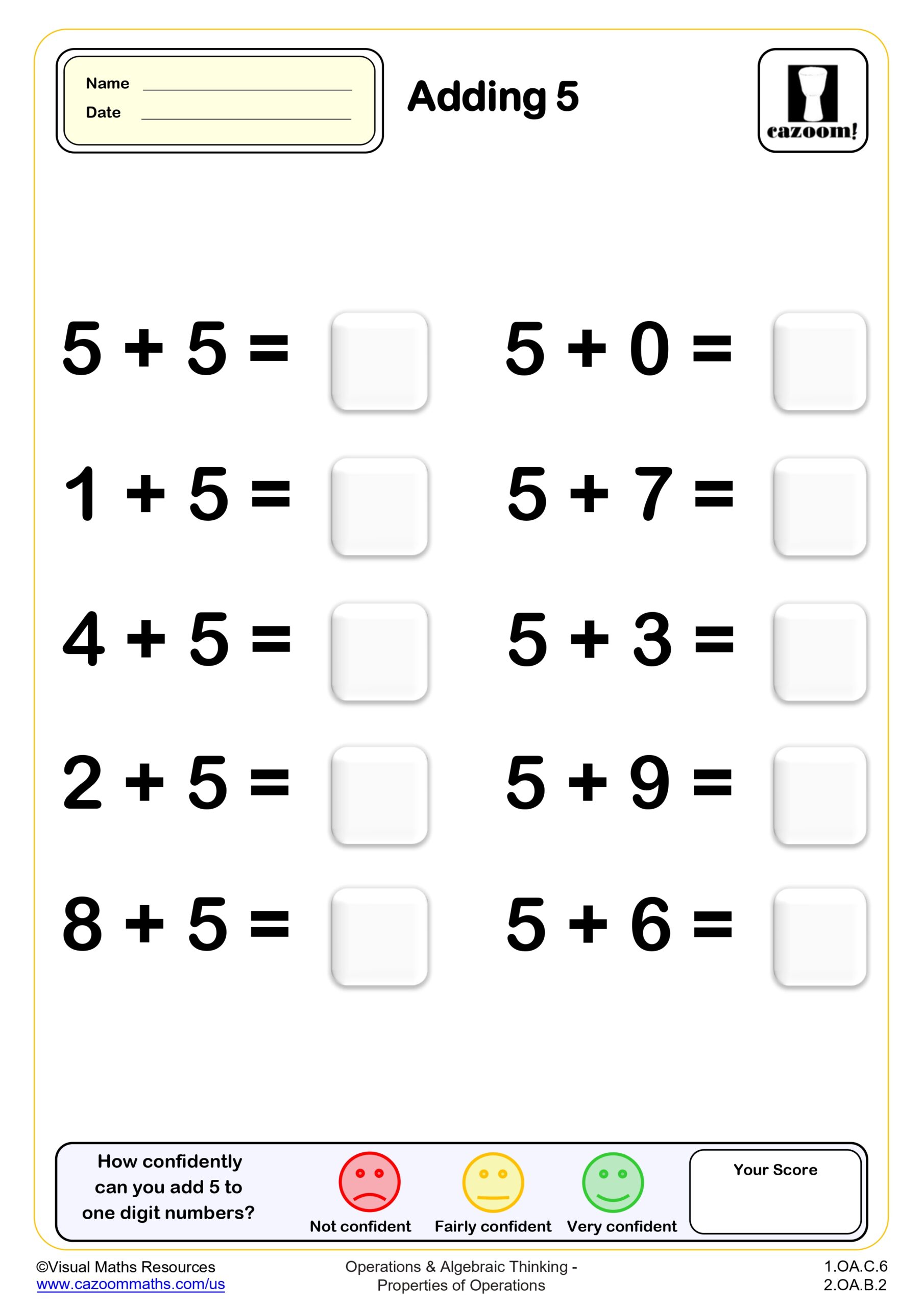
Adding 5 (20 questions)
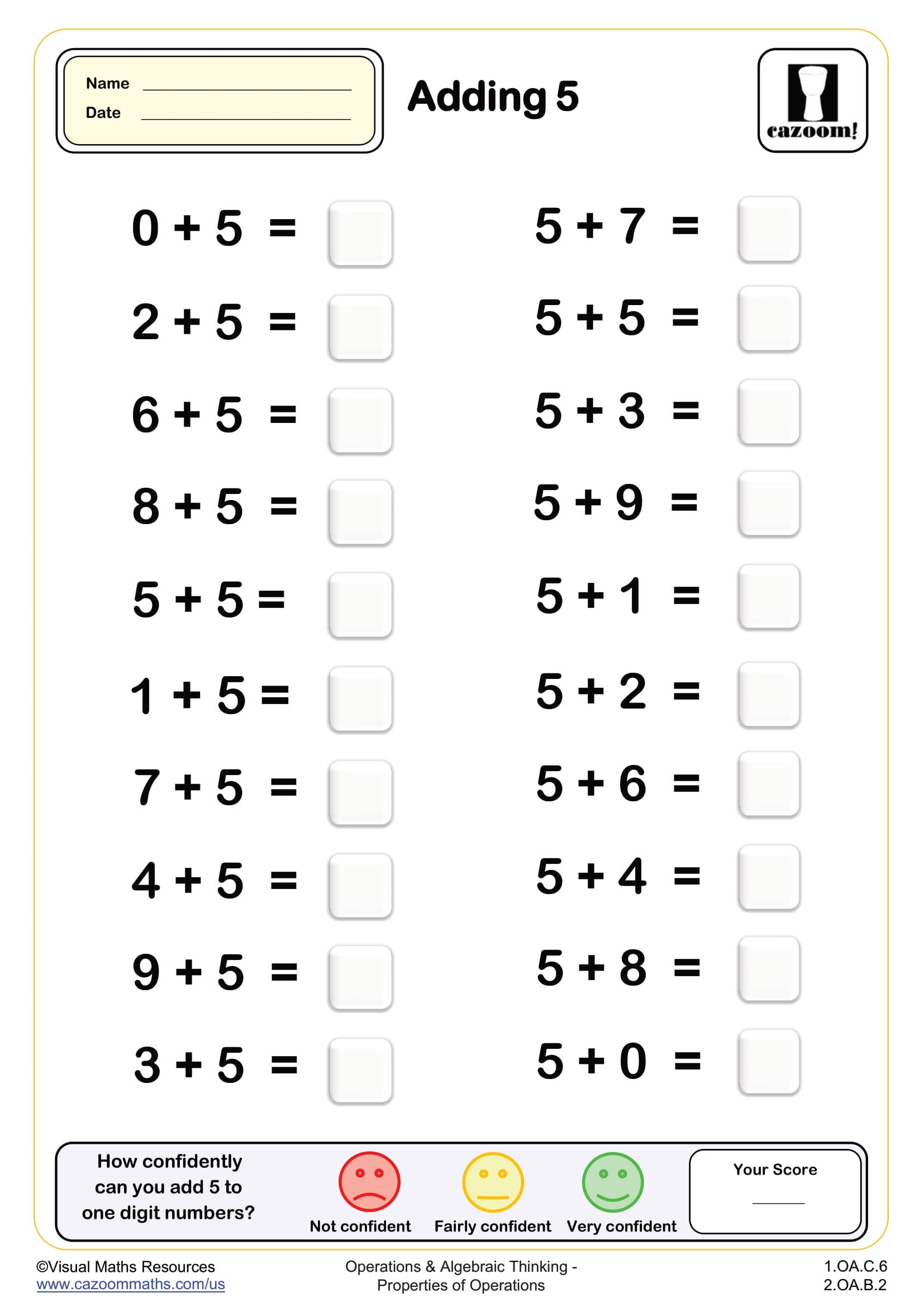
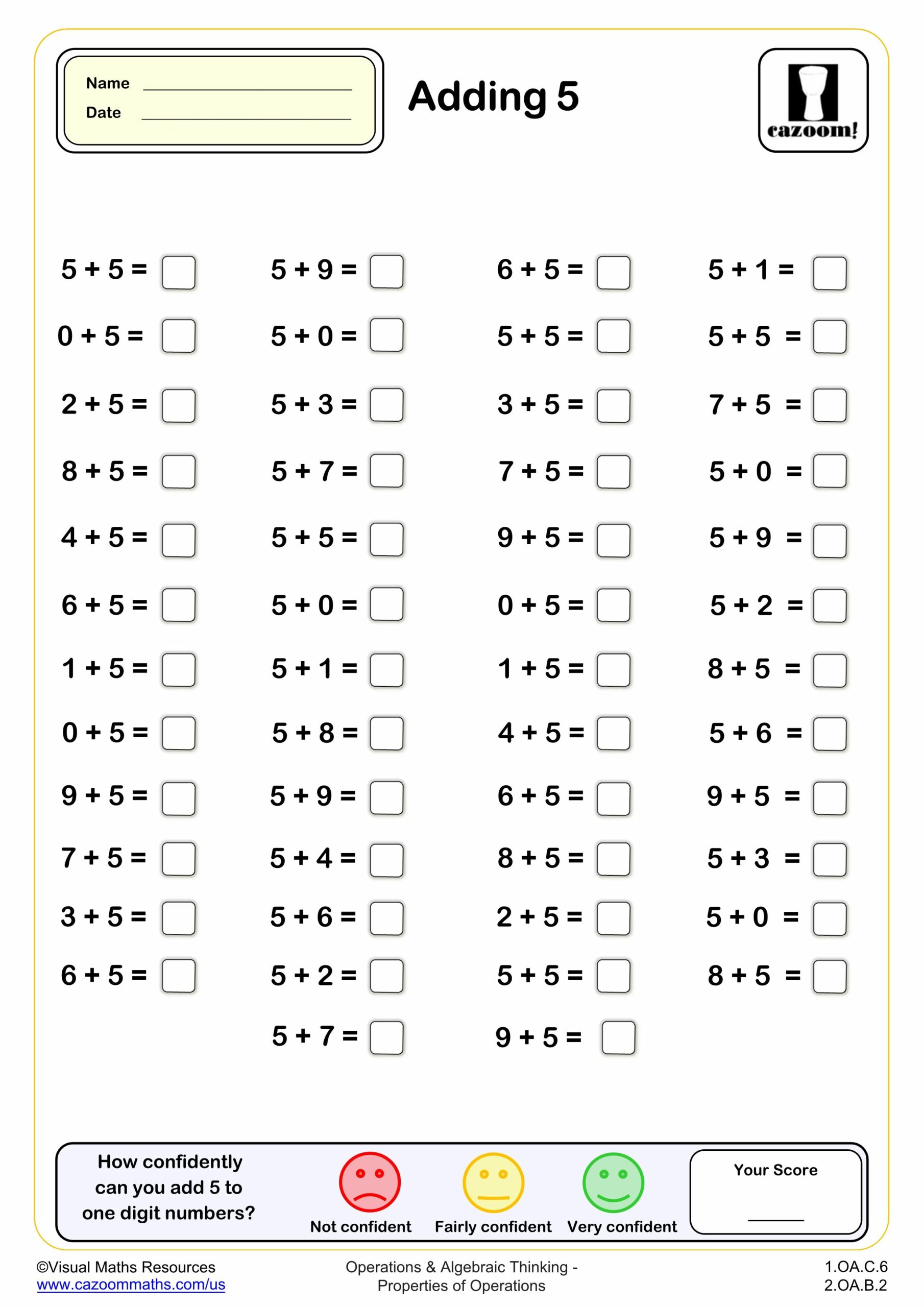
Adding 5 (50 questions)
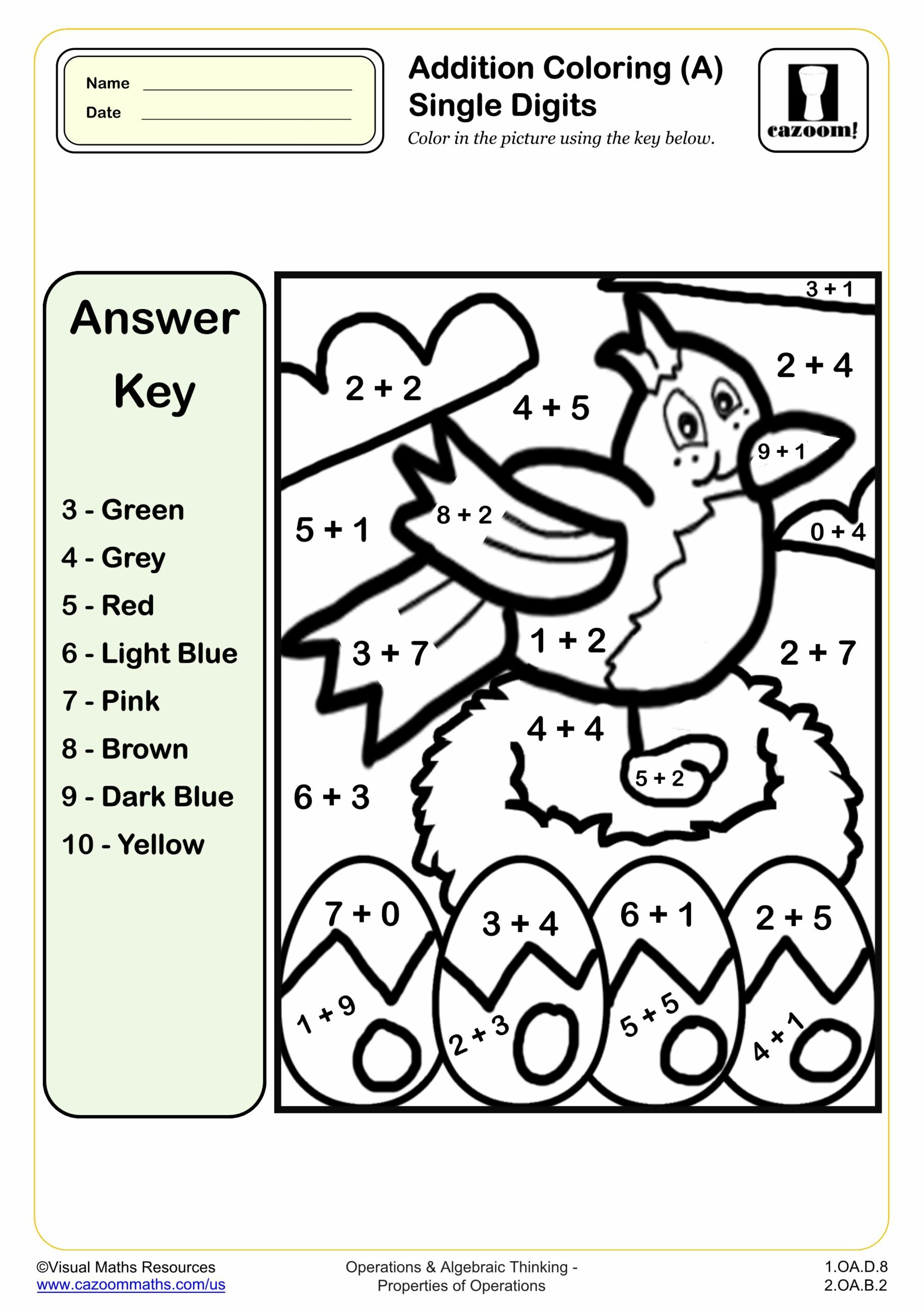
Addition Coloring (A) Single Digits
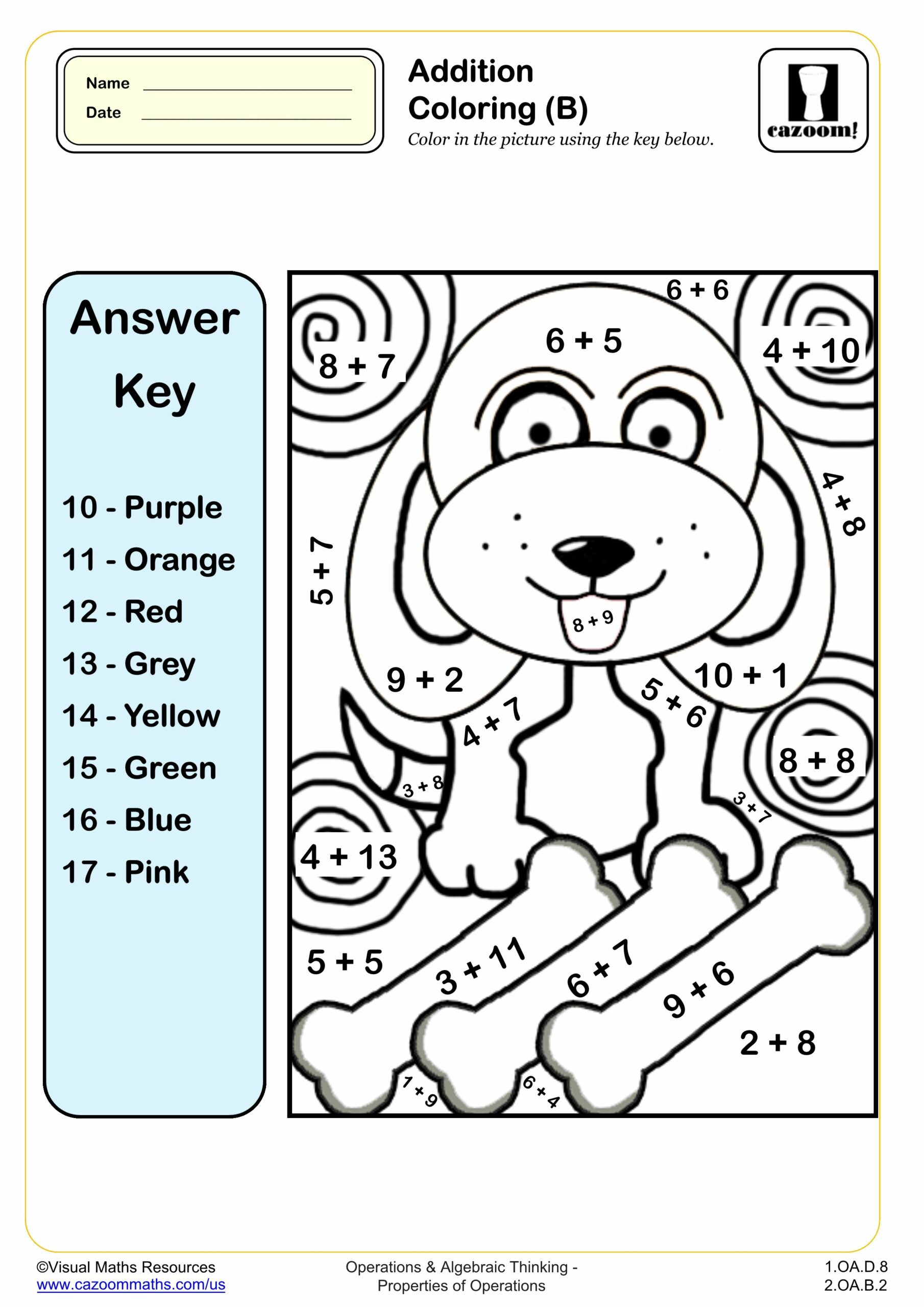
Addition Coloring (B)
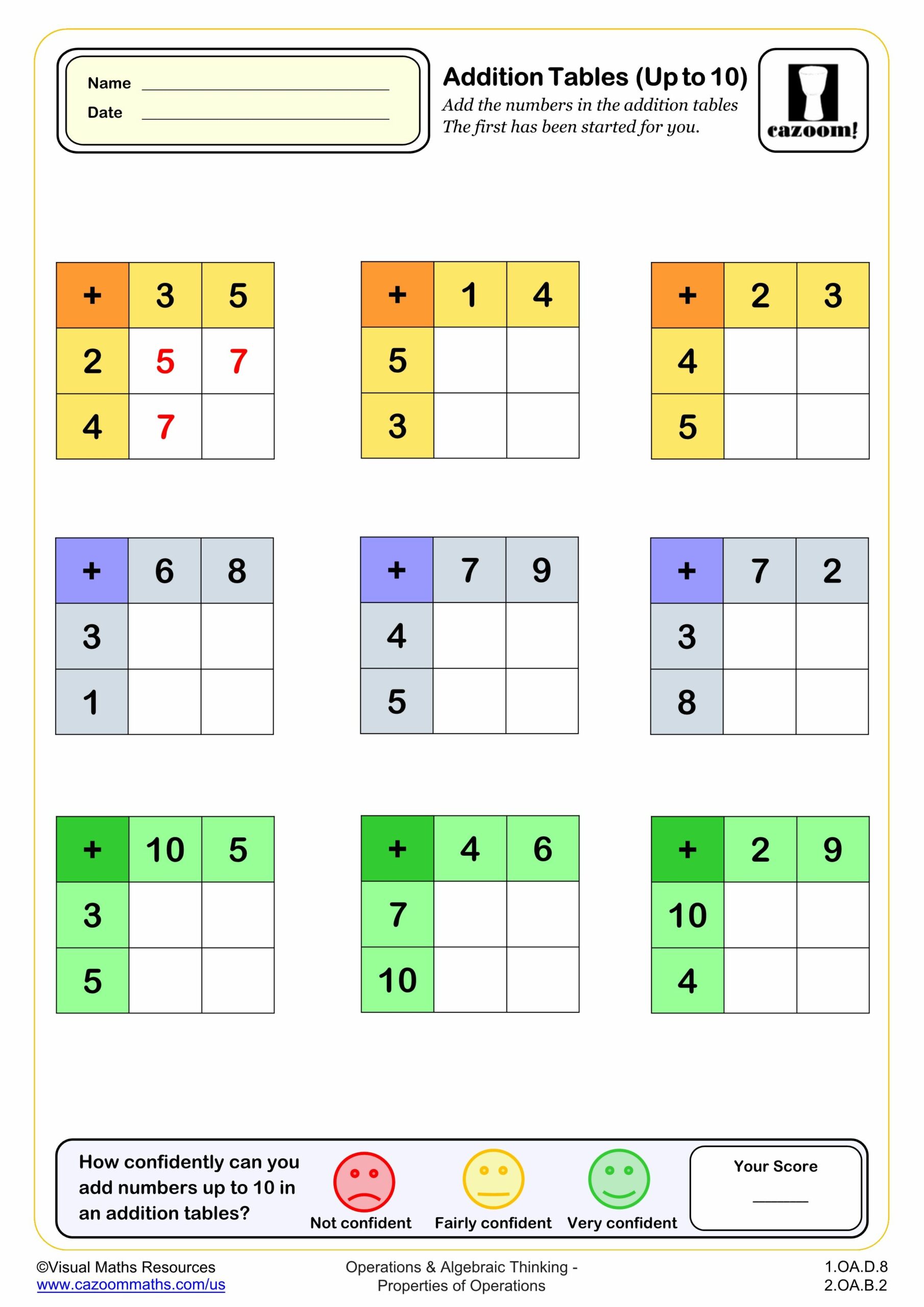
Addition Tables up to 10
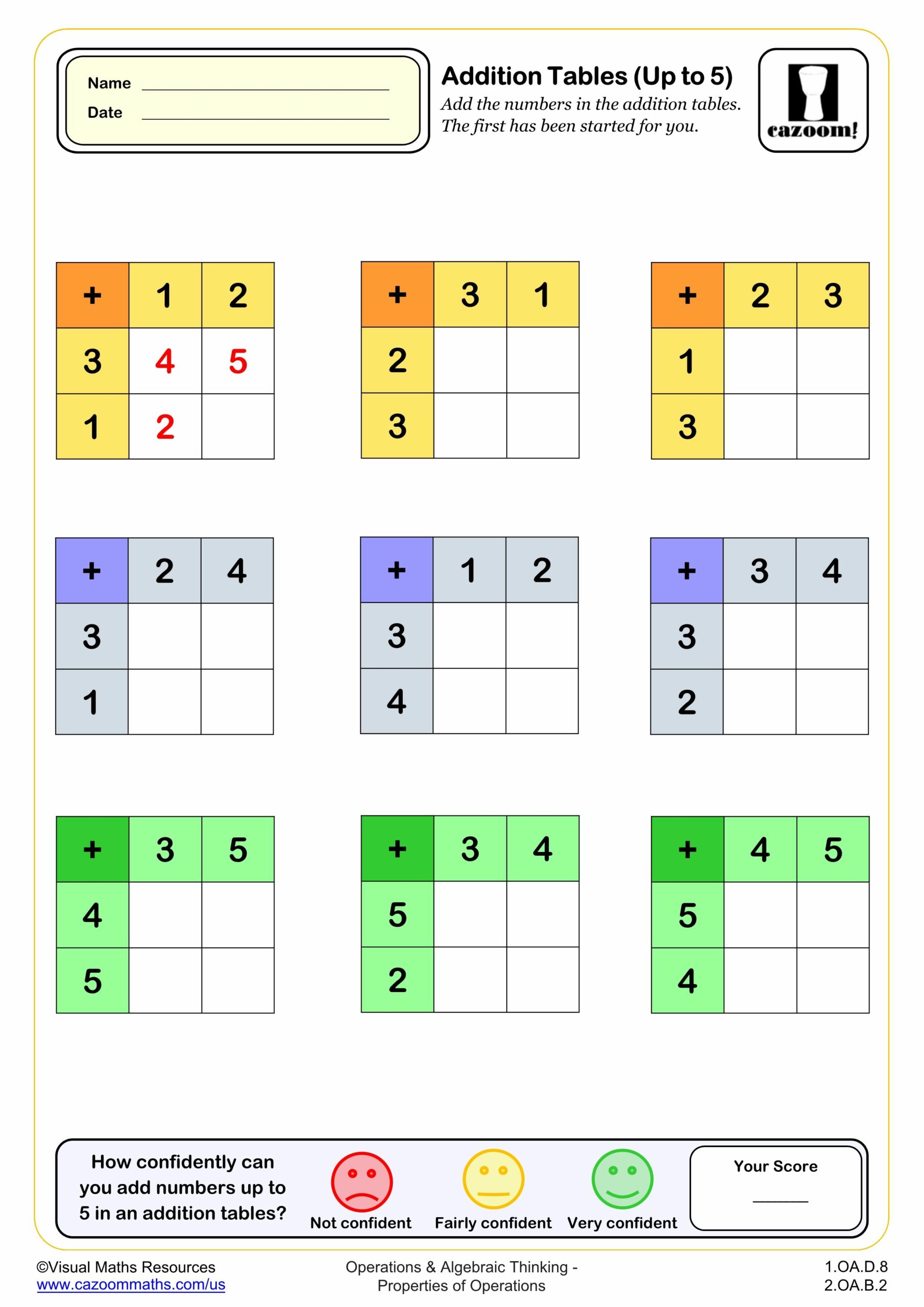
Addition Tables up to 5
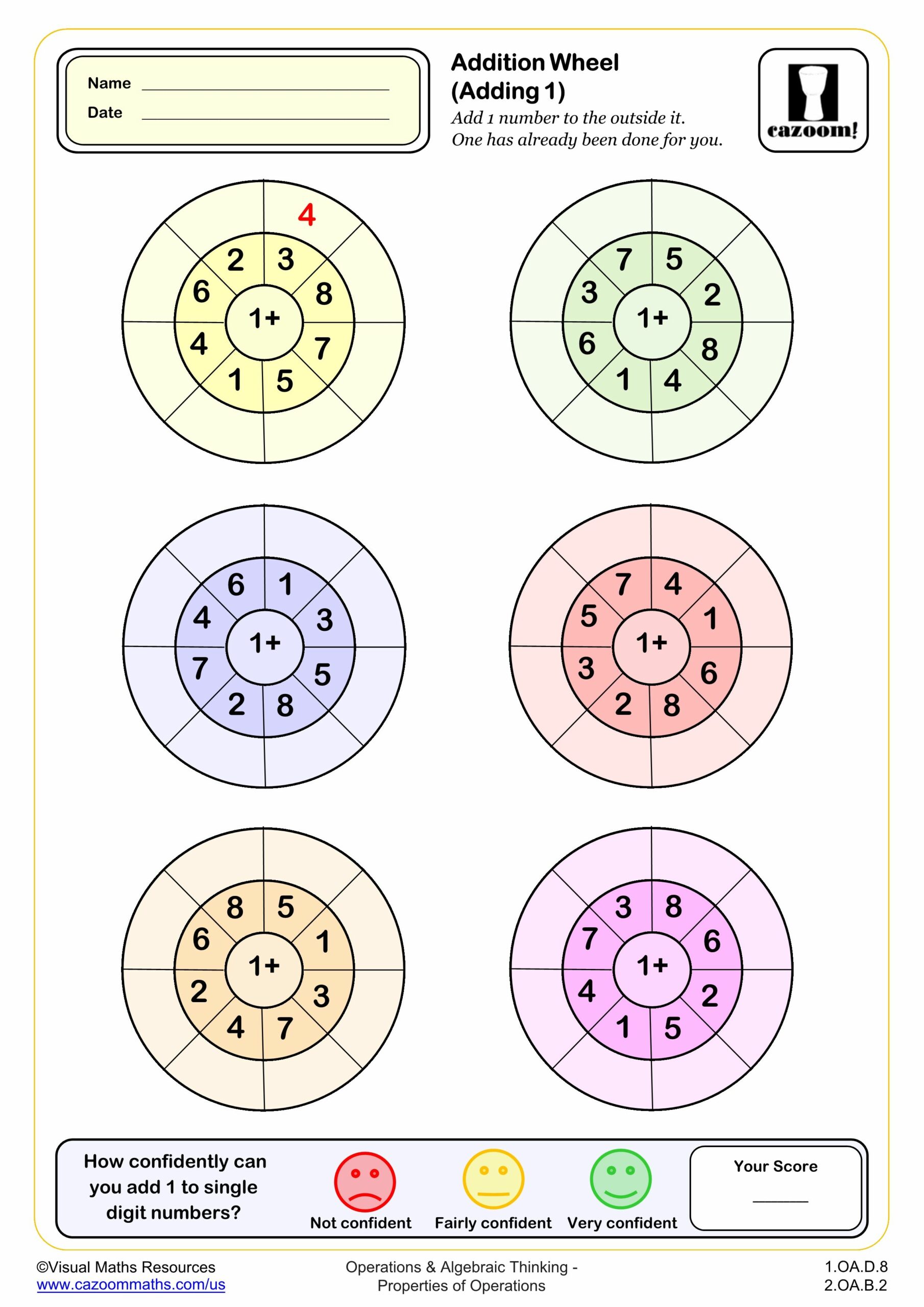
Addition Wheels (adding 1)
Addition Wheels (adding 2)
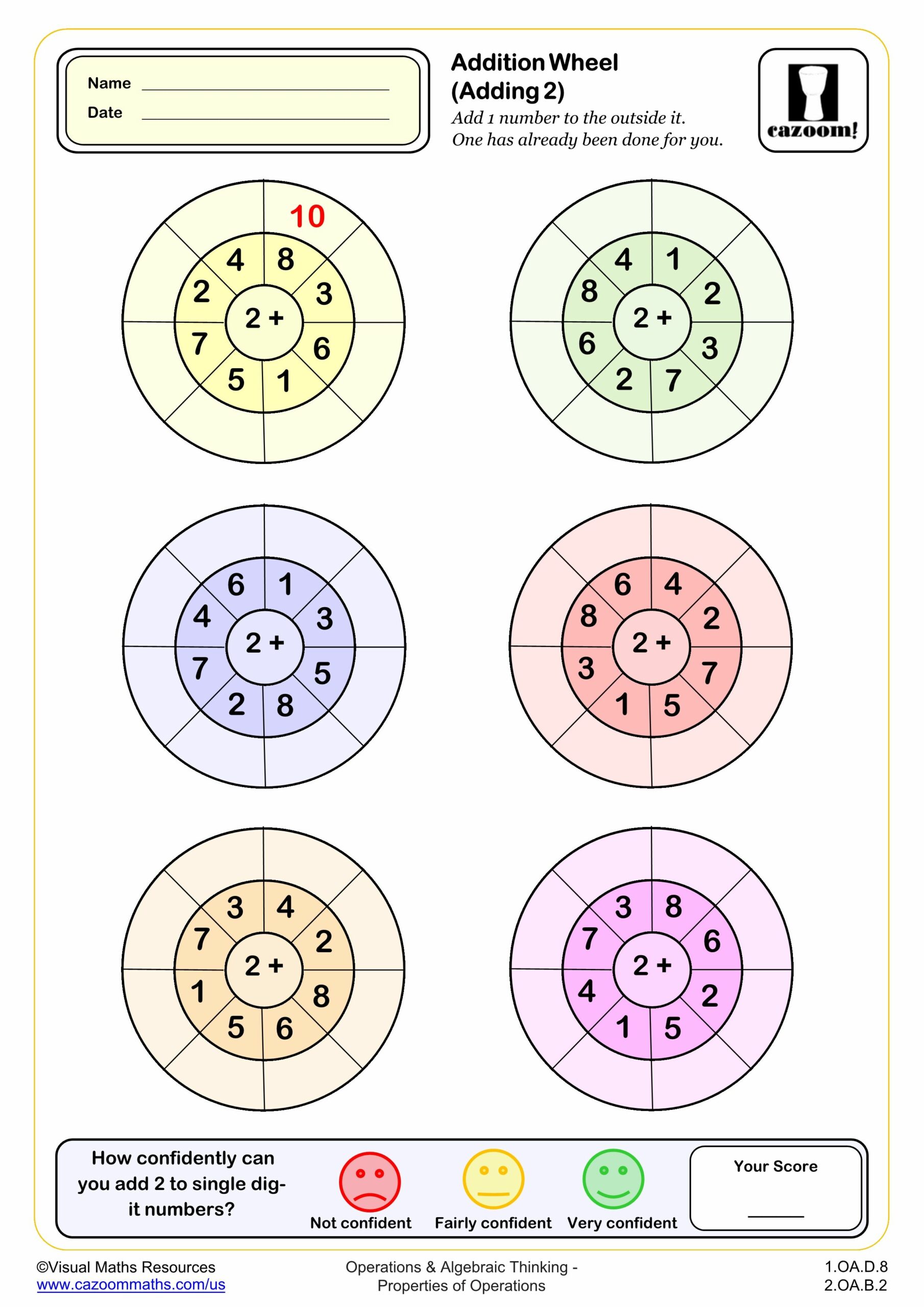
Addition Wheels (Up to 10)
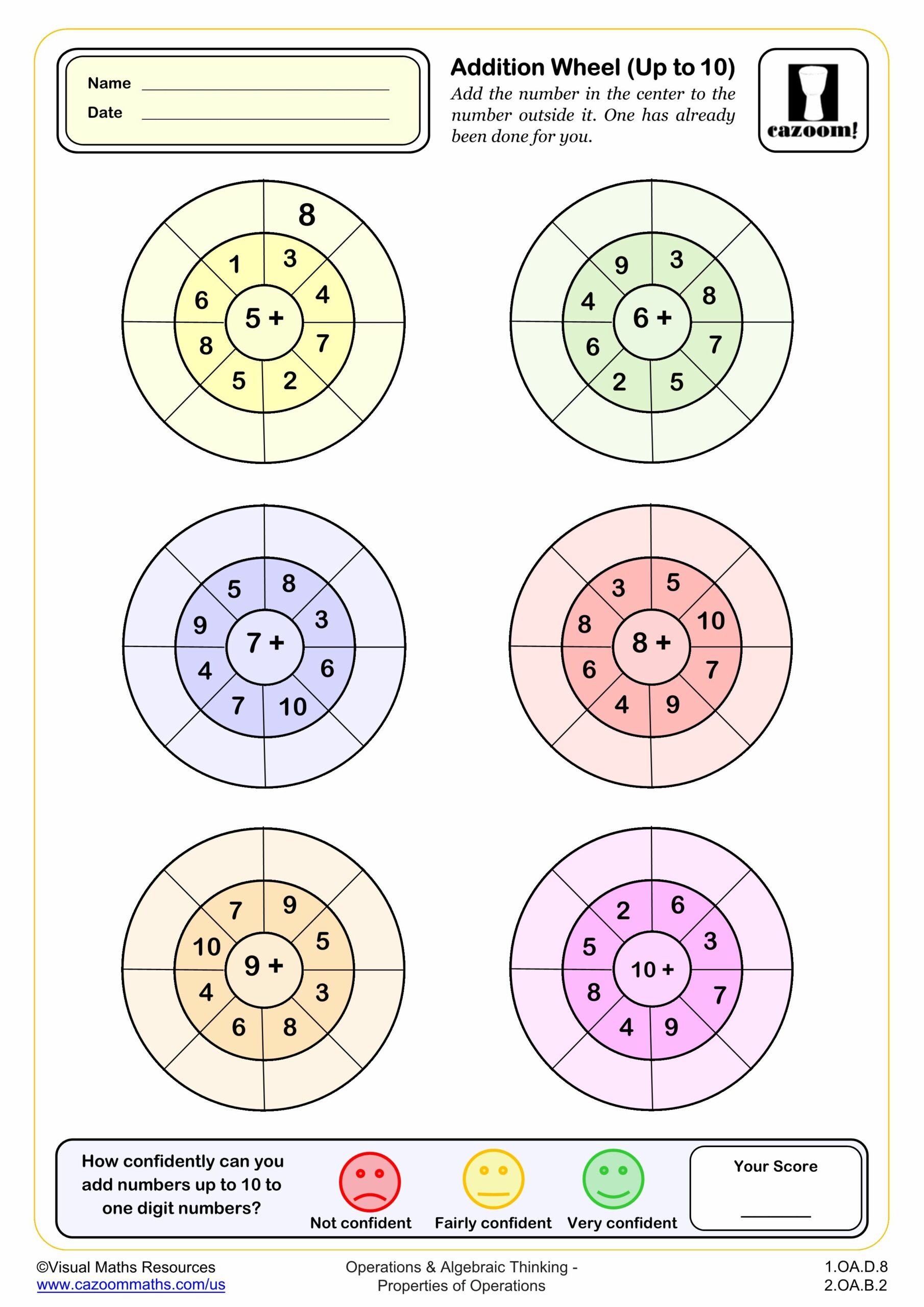
Addition Wheels (Up to 17)
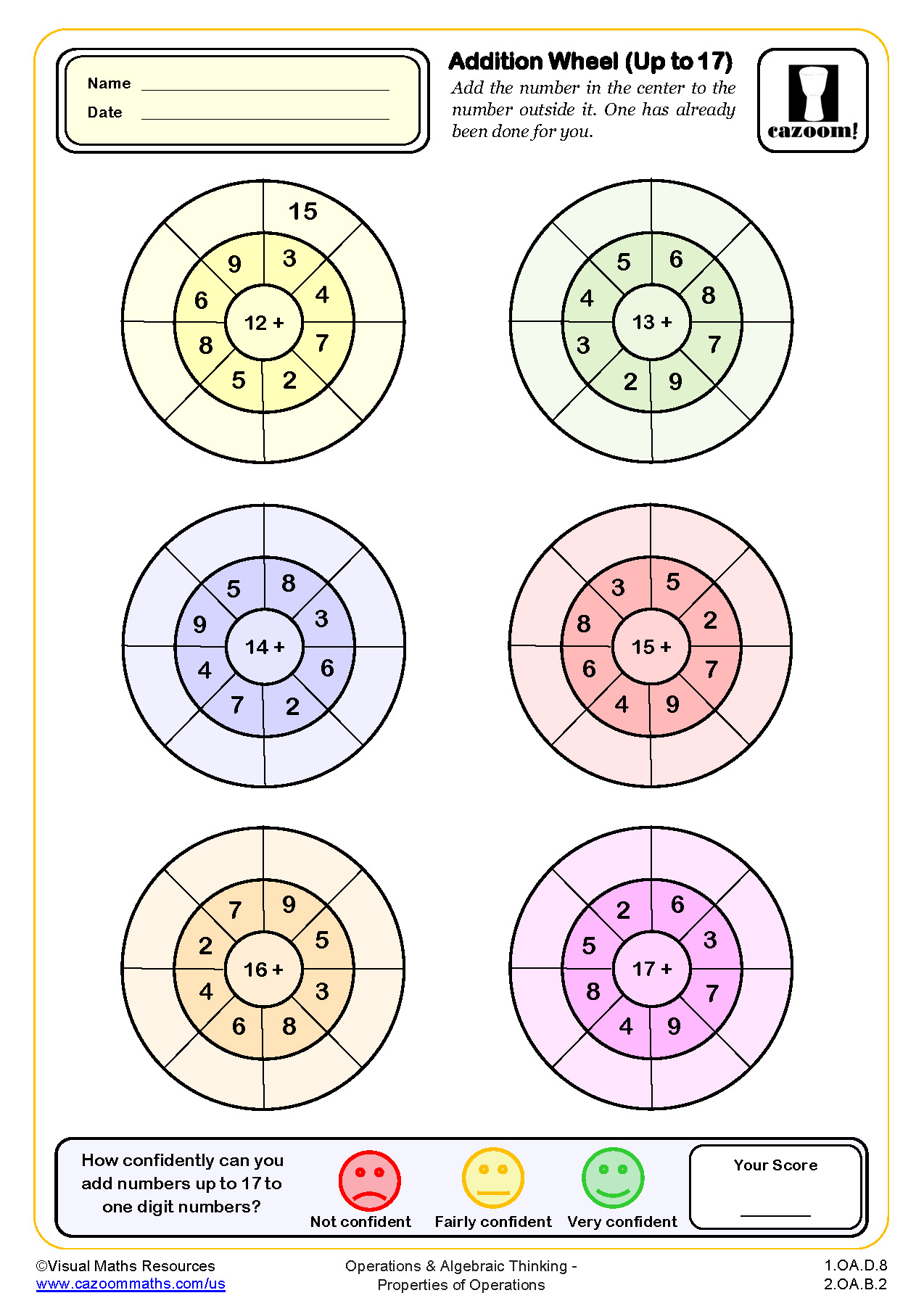
Addition Wheels (Up to 3)
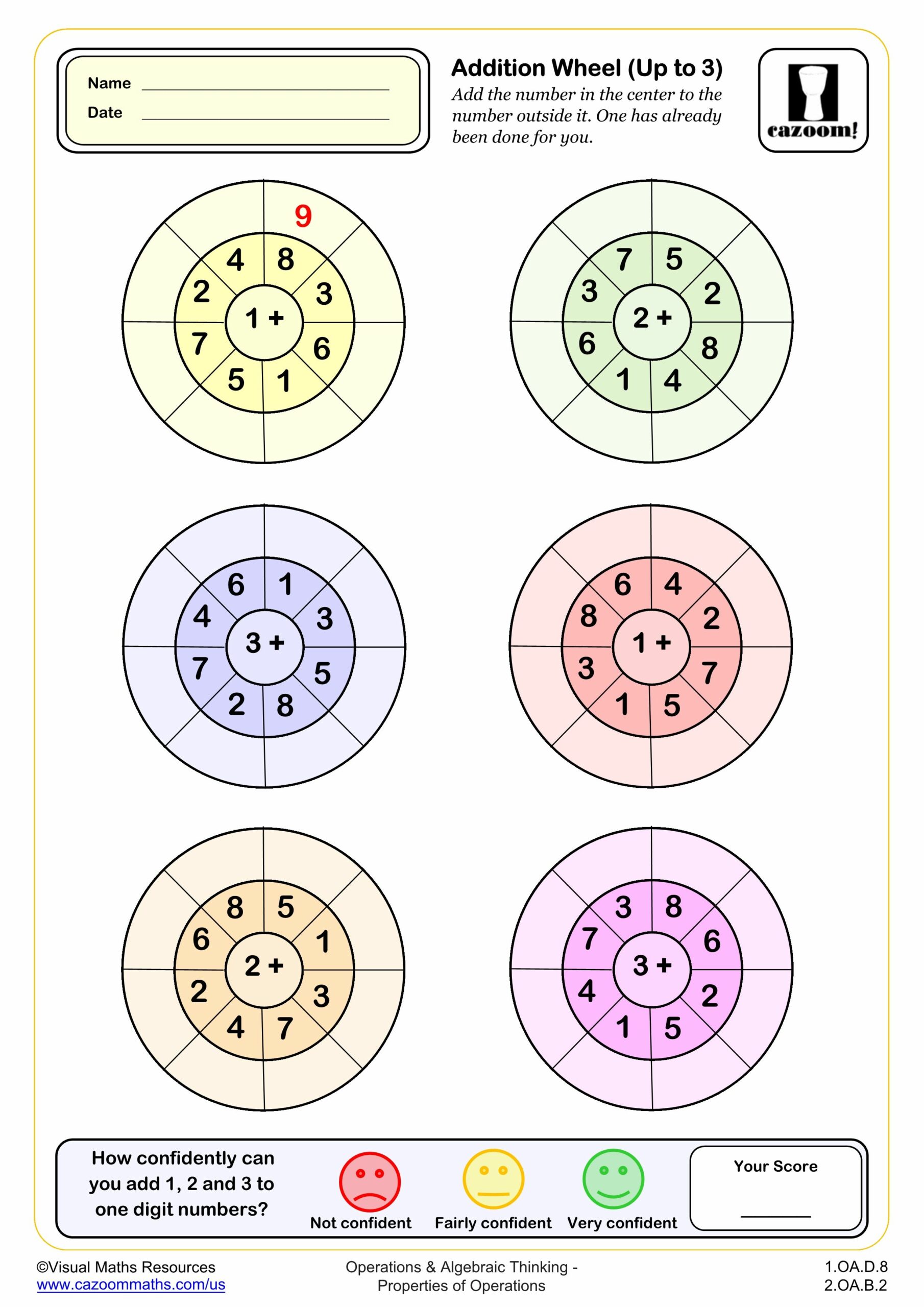
Addition Wheels (Up to 7)
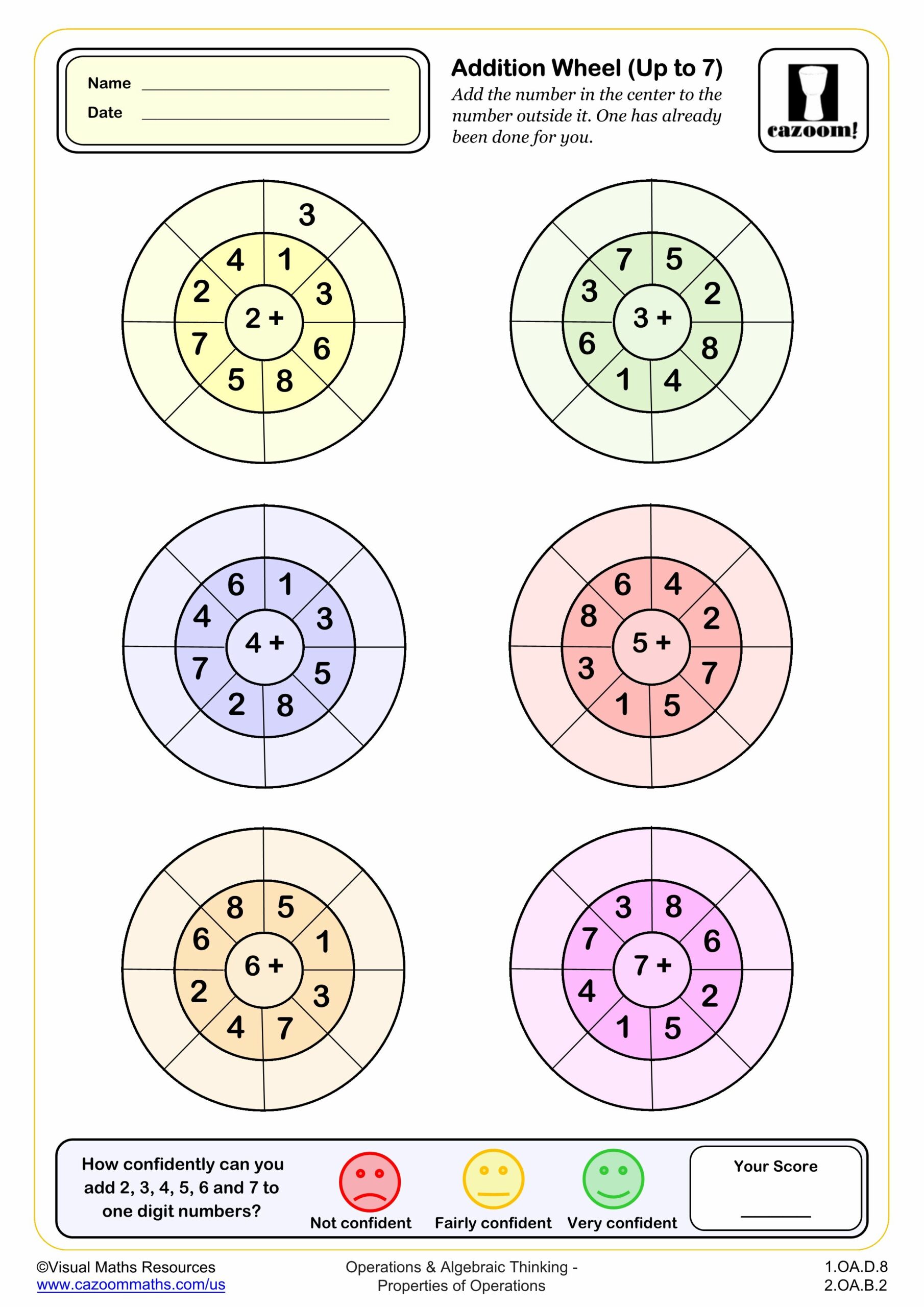
Addition Wheels (Up to 9)
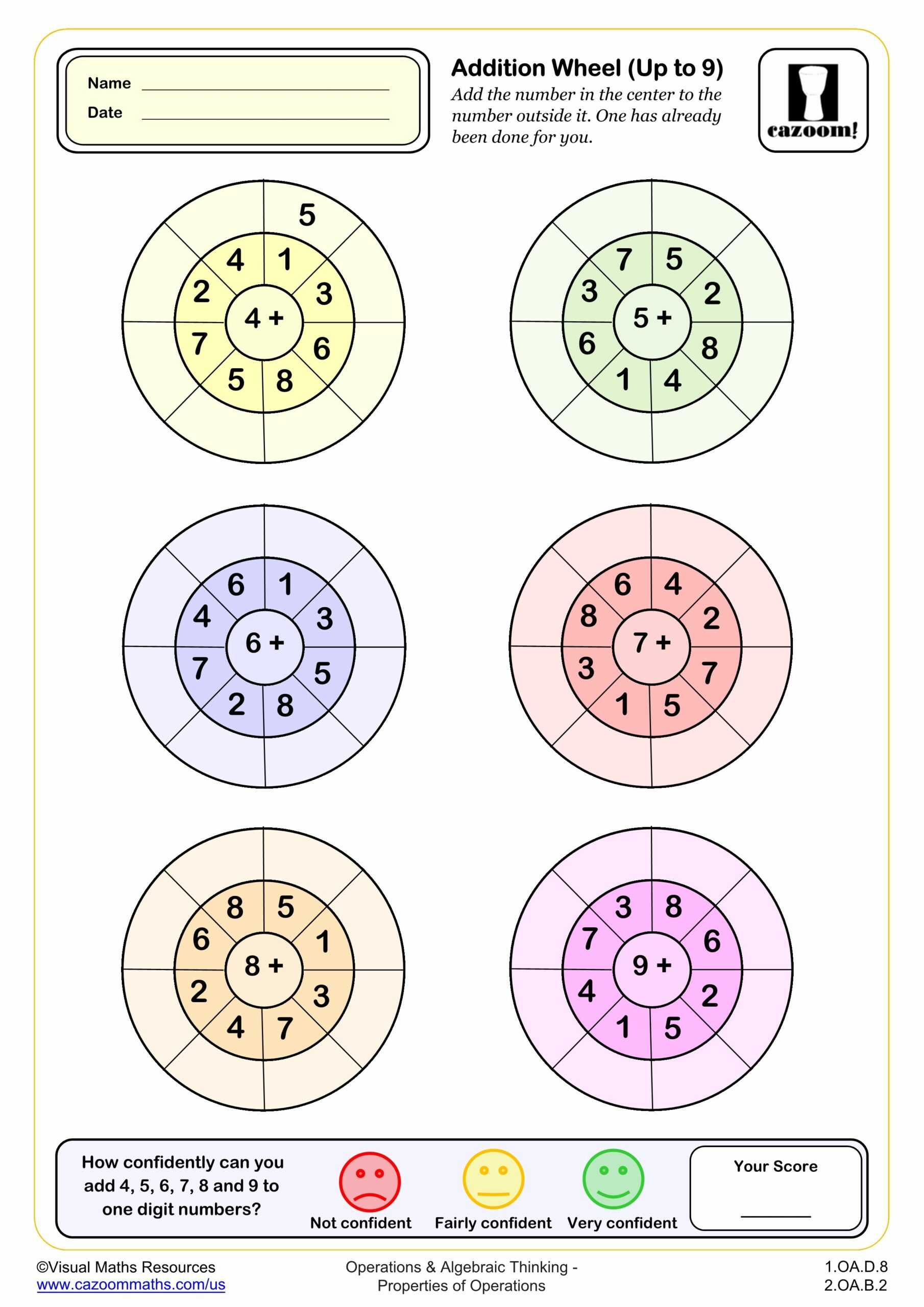
Matching Answers (A)
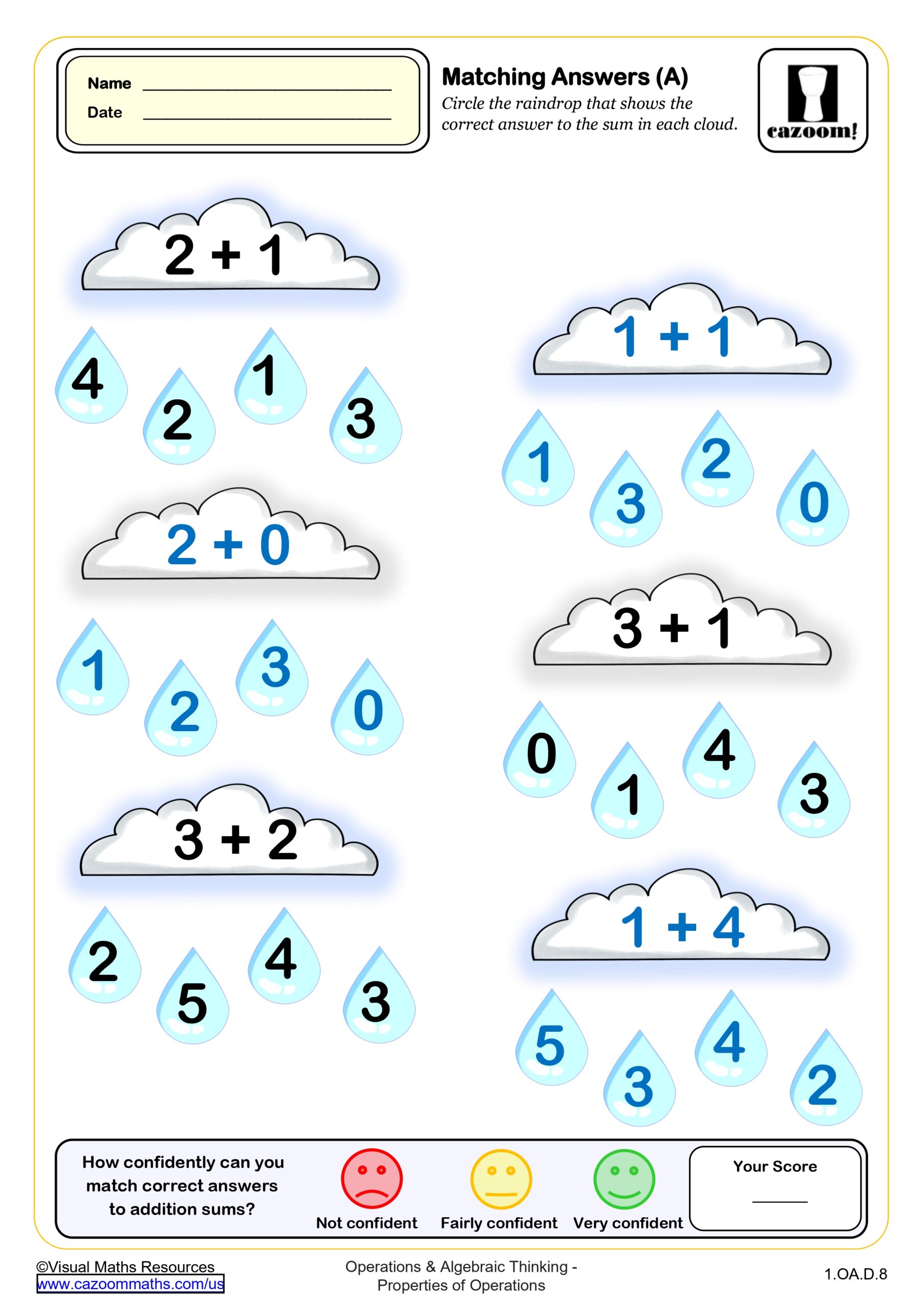
Matching Answers (B)
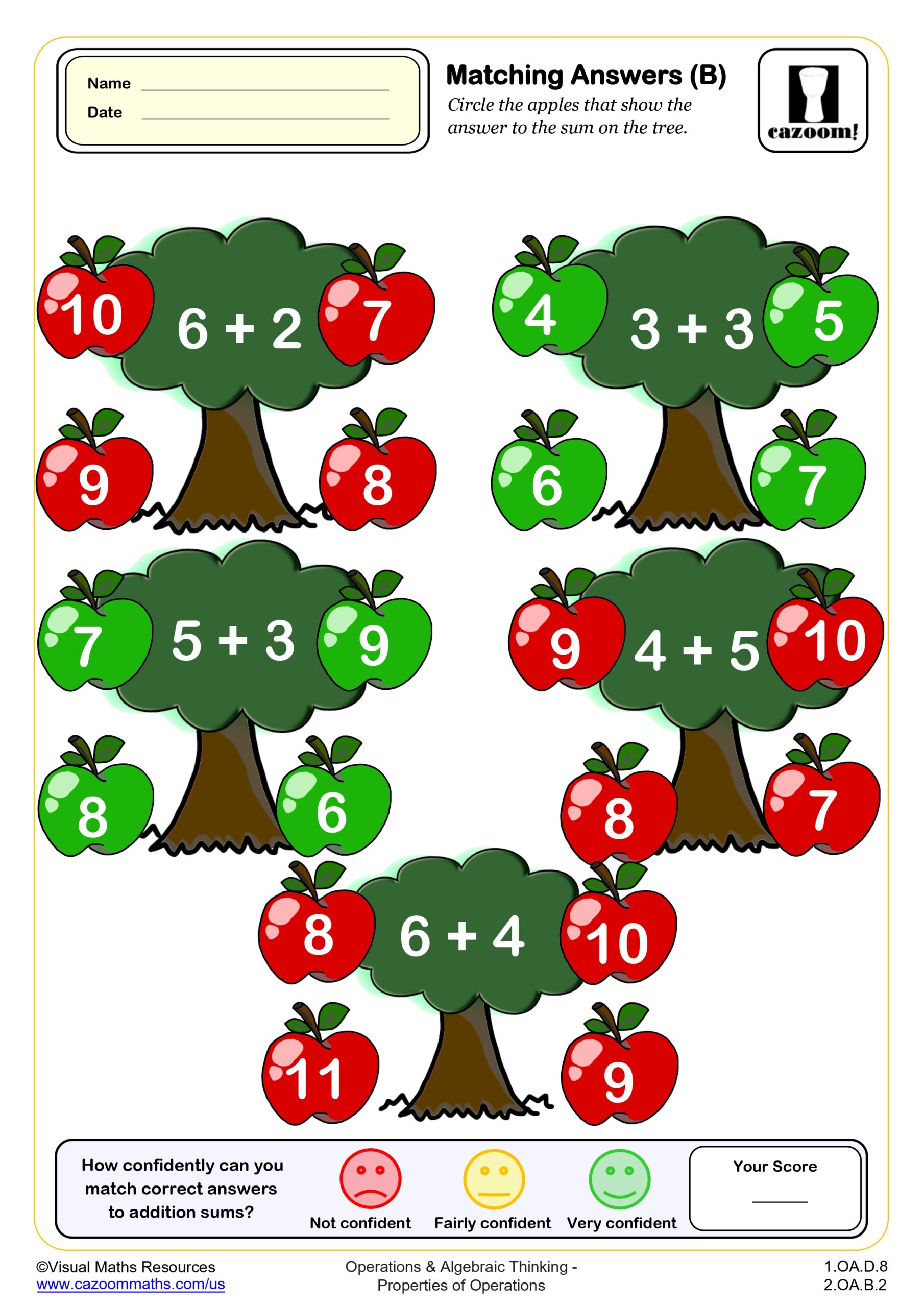
All worksheets are created by the team of experienced teachers at Cazoom Math.
What Skills Do Students Practice When Adding Numbers 0-20?
Students develop number sense, fact fluency, and mental math strategies when working with addition within 20. This range covers all the basic addition facts students need to memorize for automatic recall, which Common Core State Standards expect students to demonstrate by the end of 2nd grade. Mastering these combinations builds the foundation for understanding place value and regrouping in larger addition problems.
A common mistake students make is counting on their fingers for every problem rather than recognizing patterns like doubles (7+7=14) or near-doubles (7+8=15). Teachers frequently notice that students who learn to identify these patterns complete problems faster and make fewer calculation errors on timed assessments. Recognizing that 8+6 relates to the known fact 8+8 through subtraction helps students move beyond one-by-one counting strategies.
Which Grade Levels Use Adding 0-20 Worksheets?
These worksheets are designed for 2nd grade students in elementary school, aligning with the grade level where addition fact fluency within 20 becomes a key learning standard. Second graders are expected to add and subtract fluently within 20 using mental strategies by the end of the school year, making regular practice with these combinations essential throughout the grade.
The subtopics within this collection allow teachers to differentiate based on student readiness. Students might begin with adding 1 to develop confidence before progressing to adding 2, then advancing to adding 4 as they demonstrate mastery. This scaffolded approach helps students build on success rather than feeling overwhelmed by all possible combinations at once. State assessments in 2nd grade regularly include addition within 20, often within word problems that require both calculation and comprehension skills.
How Does Adding Within 20 Connect to Real-World Math?
Addition within 20 forms the basis for everyday calculations students encounter outside the classroom, from combining amounts of money to determining total quantities when shopping or cooking. When students understand that 12+5 equals 17, they can figure out how many pencils they have when combining two boxes or how many players total show up when two teams arrive at recess. These foundational facts directly support financial literacy as students begin working with coins and dollars.
In STEM contexts, this skill underpins data collection and basic measurement. Scientists frequently add small quantities when recording observations, and young students conducting simple experiments need to combine trial results or count total observations. Engineers use these same mental math strategies when estimating measurements and checking calculations, making fluency with addition within 20 more than just a school requirement but a practical life skill that supports logical thinking and problem-solving across disciplines.
How Can Teachers Use These Addition Worksheets Effectively?
The worksheets support systematic skill-building through focused practice on specific addition facts, allowing teachers to target exactly which combinations students need to strengthen. The variety of question counts—from 10-question quick checks to 50-question fluency builders—gives teachers flexibility to match practice length to instructional goals and student attention spans. Answer keys make it simple to provide immediate feedback, which research shows significantly improves retention of math facts.
Teachers use these worksheets for morning warm-ups, math centers, intervention groups, and homework assignments. The focused subtopics work well for small group instruction where students need concentrated practice with specific addends. Some teachers implement timed fluency practice where students complete a 10-question worksheet and track their progress over several weeks, celebrating improvements in both accuracy and speed. The sheets also serve well for paired work, where one student solves while their partner checks against the answer key, promoting peer learning and accountability.