3rd Grade Adding 2 Digit Numbers to 100 Worksheets
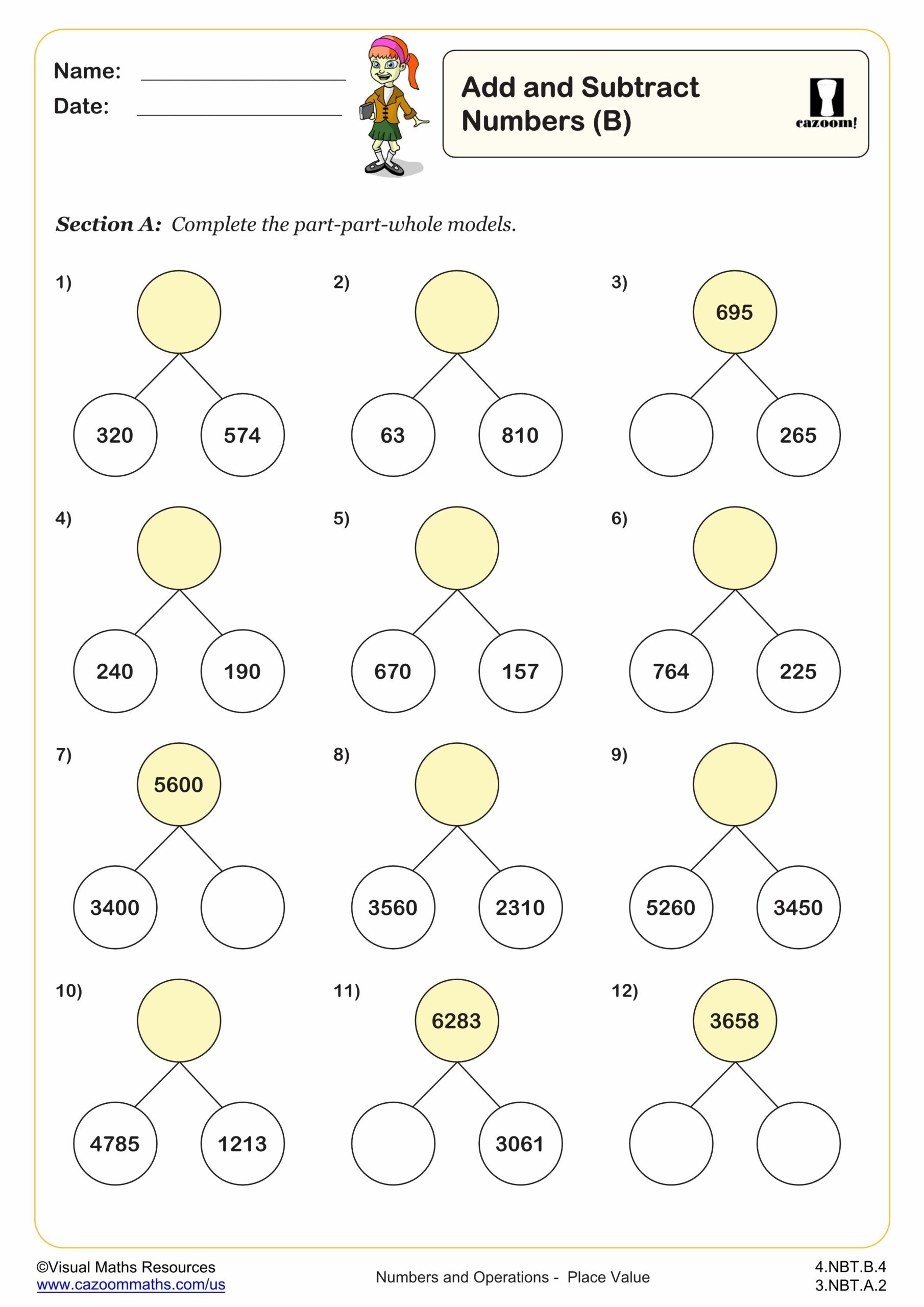
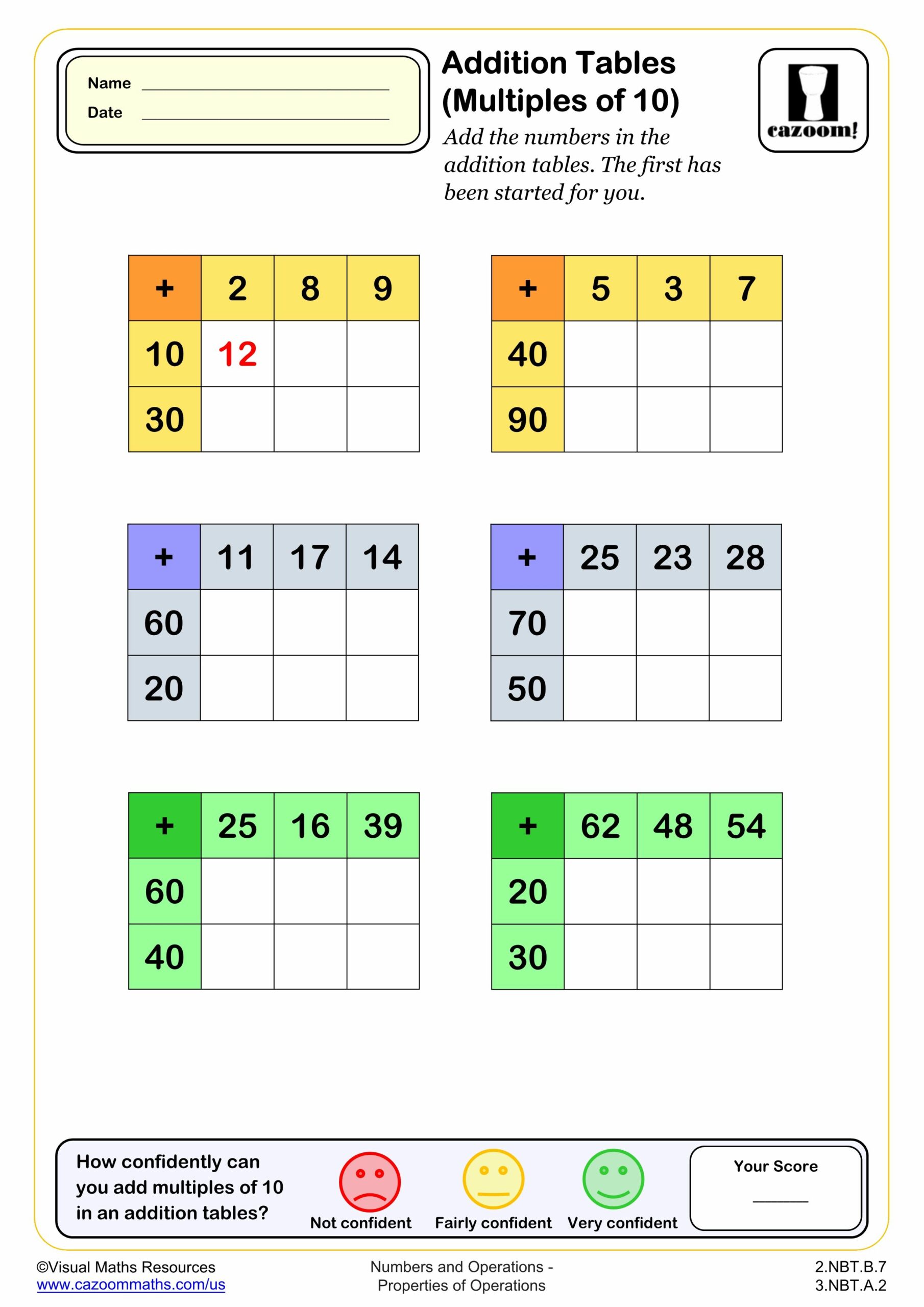
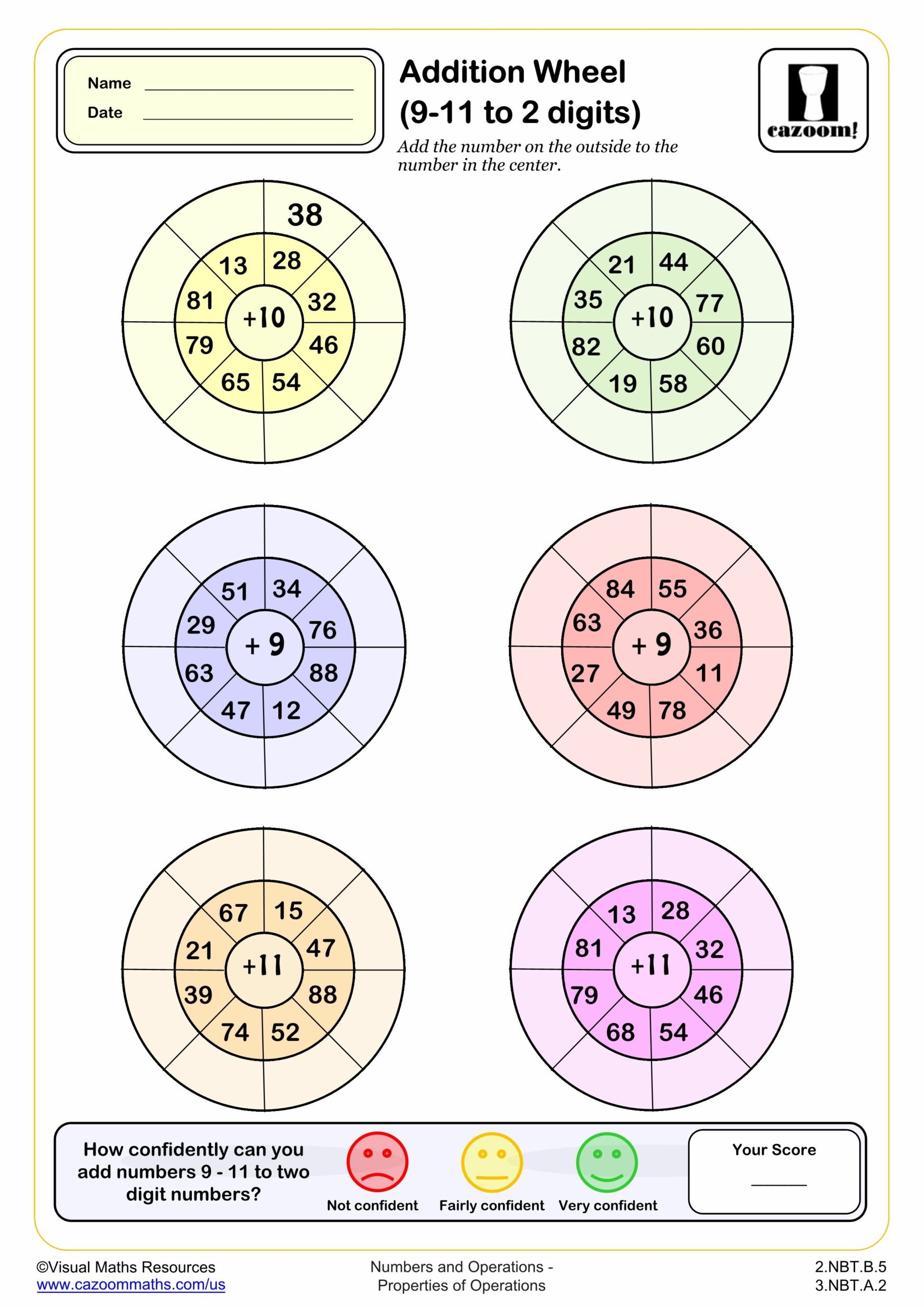
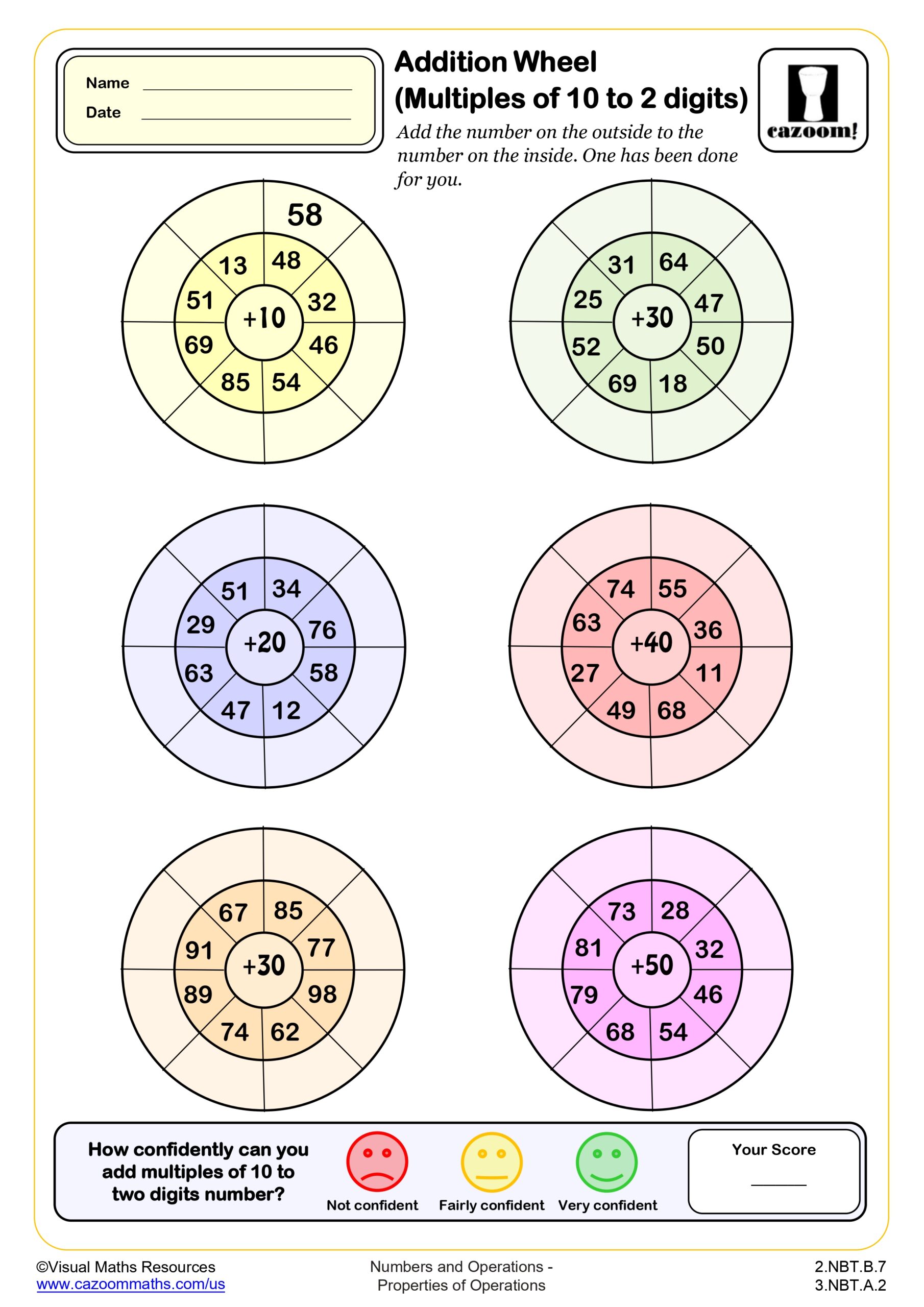
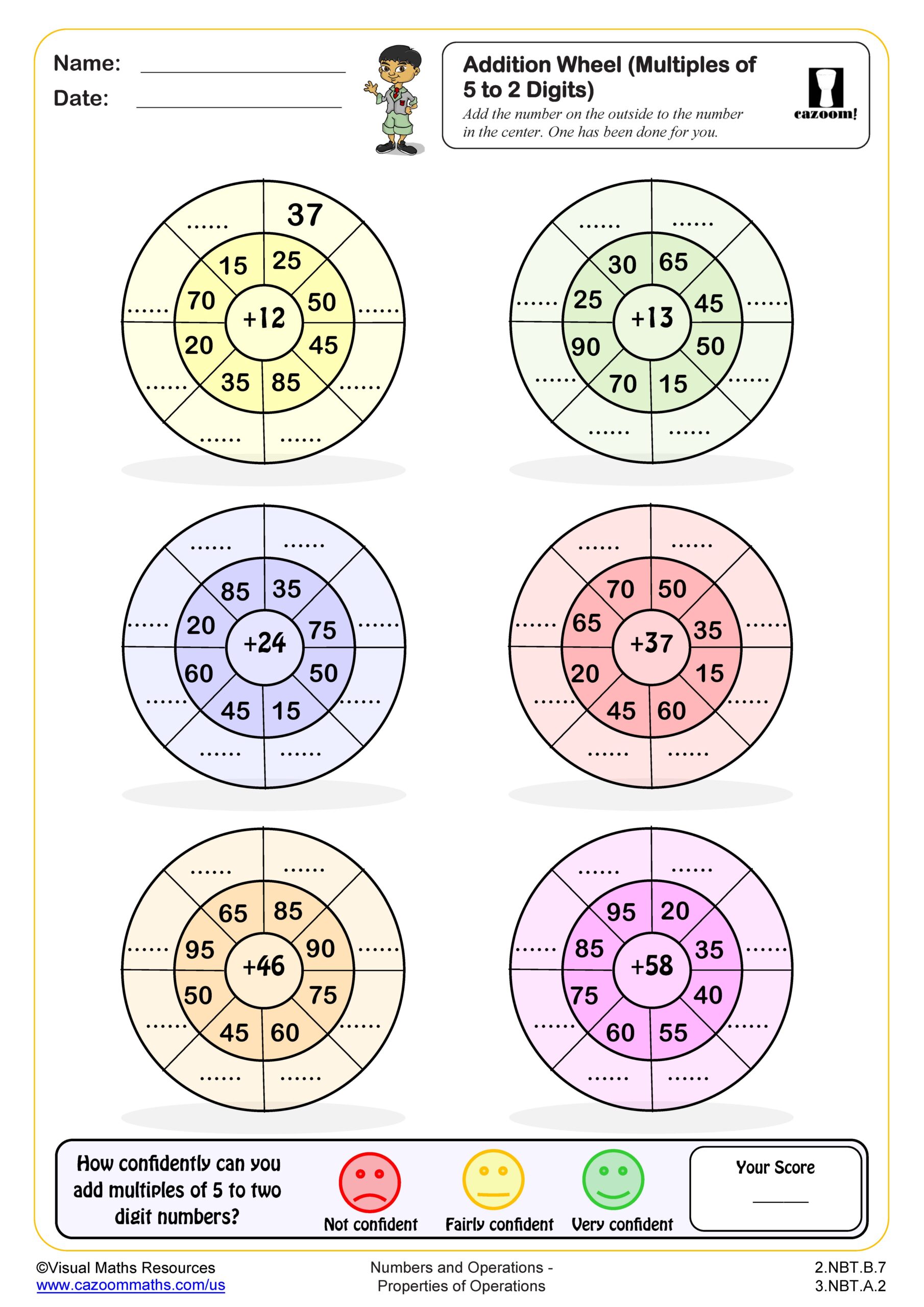
All worksheets are created by the team of experienced teachers at Cazoom Math.
What skills do students practice when adding 2 digit numbers to 100?
Adding 2 digit numbers to 100 develops place value understanding, mental math strategies, and computational accuracy that students need throughout elementary school. This skill set aligns with Common Core Standard 3.NBT.A.2, which requires students to fluently add and subtract within 1000 using strategies based on place value. Students practice combining tens and ones, recognizing when sums stay within 100, and applying number sense to check if their answers make sense.
A common mistake appears when students add digits in the wrong columns, writing 23 + 45 = 515 instead of 68. Teachers notice this happens most frequently when students work too quickly or haven't internalized that the tens place represents groups of ten. Worksheets that keep sums under 100 allow students to focus on accurate computation without the added complexity of regrouping into the hundreds place, building confidence before advancing to larger numbers.
Which grade levels use adding 2 digit numbers to 100 worksheets?
These worksheets are designed for 3rd grade students in elementary school, aligning with the developmental stage when students transition from basic addition facts to multi-digit computation. Third graders typically master two-digit addition during the fall and winter months, applying these skills in word problems and more complex math contexts throughout the year. State assessments and standardized tests expect 3rd graders to demonstrate fluency with two-digit addition by spring testing periods.
The difficulty progression within the collection moves from problems without regrouping to strategic practice adding specific single-digit numbers to two-digit values. Starting with worksheets that contain 10 questions allows teachers to assess understanding quickly, while sets with 20 or 50 questions provide extended practice for students who need additional repetition. This scaffolded approach helps teachers target instruction precisely where students need it, whether for initial learning, review, or intervention support.
How does adding without regrouping build math skills?
Adding 2 digit numbers without regrouping teaches students to work systematically through place value while keeping computations manageable. When the ones and tens don't exceed their place value limits (keeping sums in each column under 10 for ones and under 10 tens for the tens place), students can focus entirely on the addition process itself. This foundational work prepares students for regrouping by establishing reliable computation habits: aligning columns, adding ones first, then tens, and writing answers clearly.
This skill connects directly to real-world money contexts that third graders encounter regularly. When students calculate 23 cents + 45 cents or combine $12 + $37 for lunch money, they're using two-digit addition without regrouping. These financial literacy applications appear throughout STEM contexts too—scientists recording measurements, engineers tracking materials, or computer programmers debugging code all rely on accurate mental math with two-digit numbers. Building automaticity now supports problem-solving efficiency later.
How should teachers use these addition worksheets in the classroom?
The worksheets support differentiated instruction through varied problem counts and strategic number selection. Teachers can assign the 10-question sets as quick formative assessments to check understanding, use 20-question versions for regular practice during math centers, or reserve 50-question worksheets for students who need extensive repetition to build fluency. The targeted practice adding 5 or 6 to two-digit numbers helps students recognize patterns and develop mental math shortcuts, such as adding 6 by adding 10 and subtracting 4.
Many teachers use these worksheets during intervention blocks with small groups, assigning different problem sets based on student readiness levels. The complete answer keys make them practical for homework assignments where family members can support learning, and for paired work where students check each other's calculations. During test preparation periods, the worksheets serve as low-stakes review that builds confidence. Teachers also notice these work well as warm-up activities, giving students focused practice before introducing new concepts like regrouping or three-digit addition.