4th Grade Measurement Worksheets
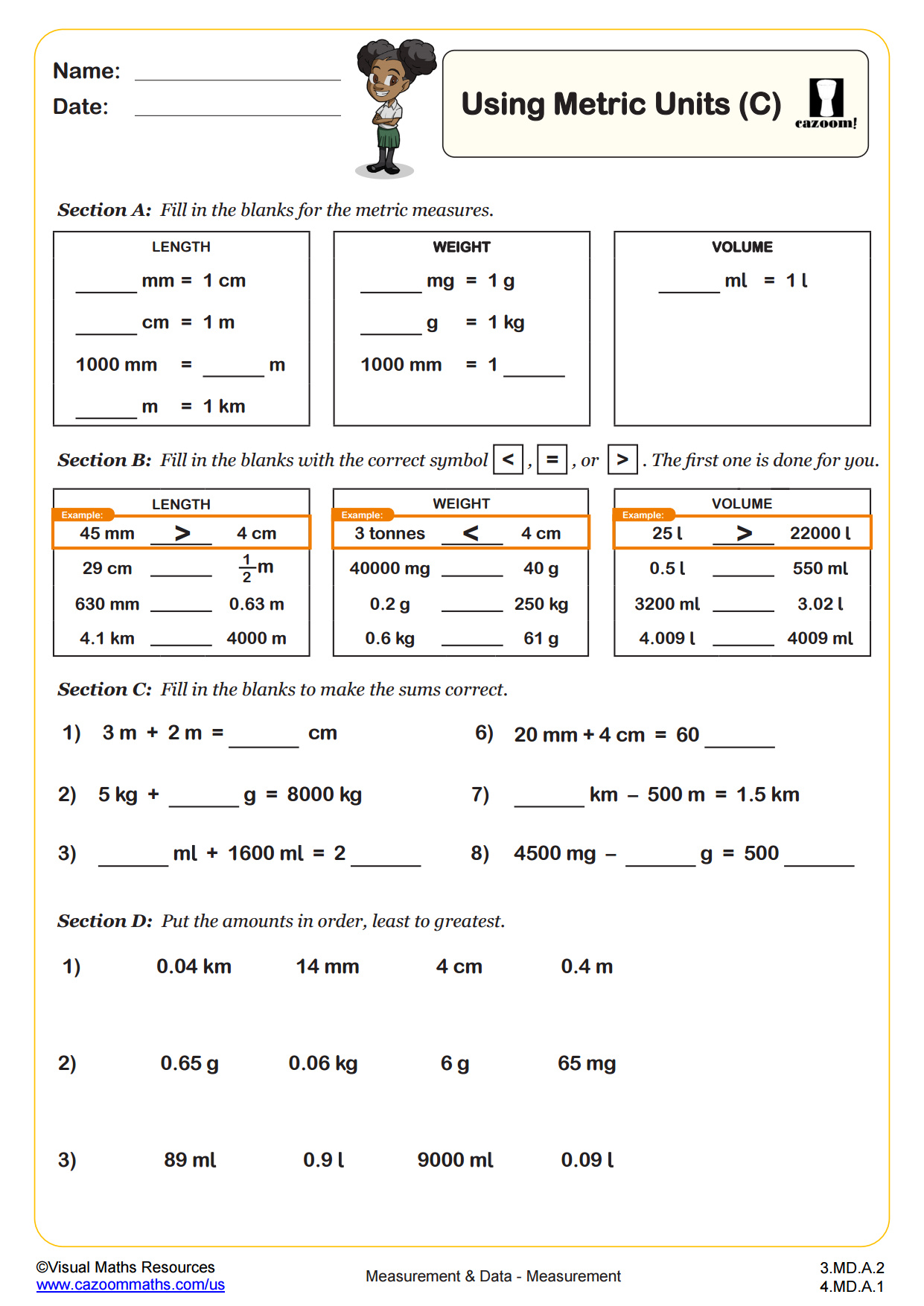
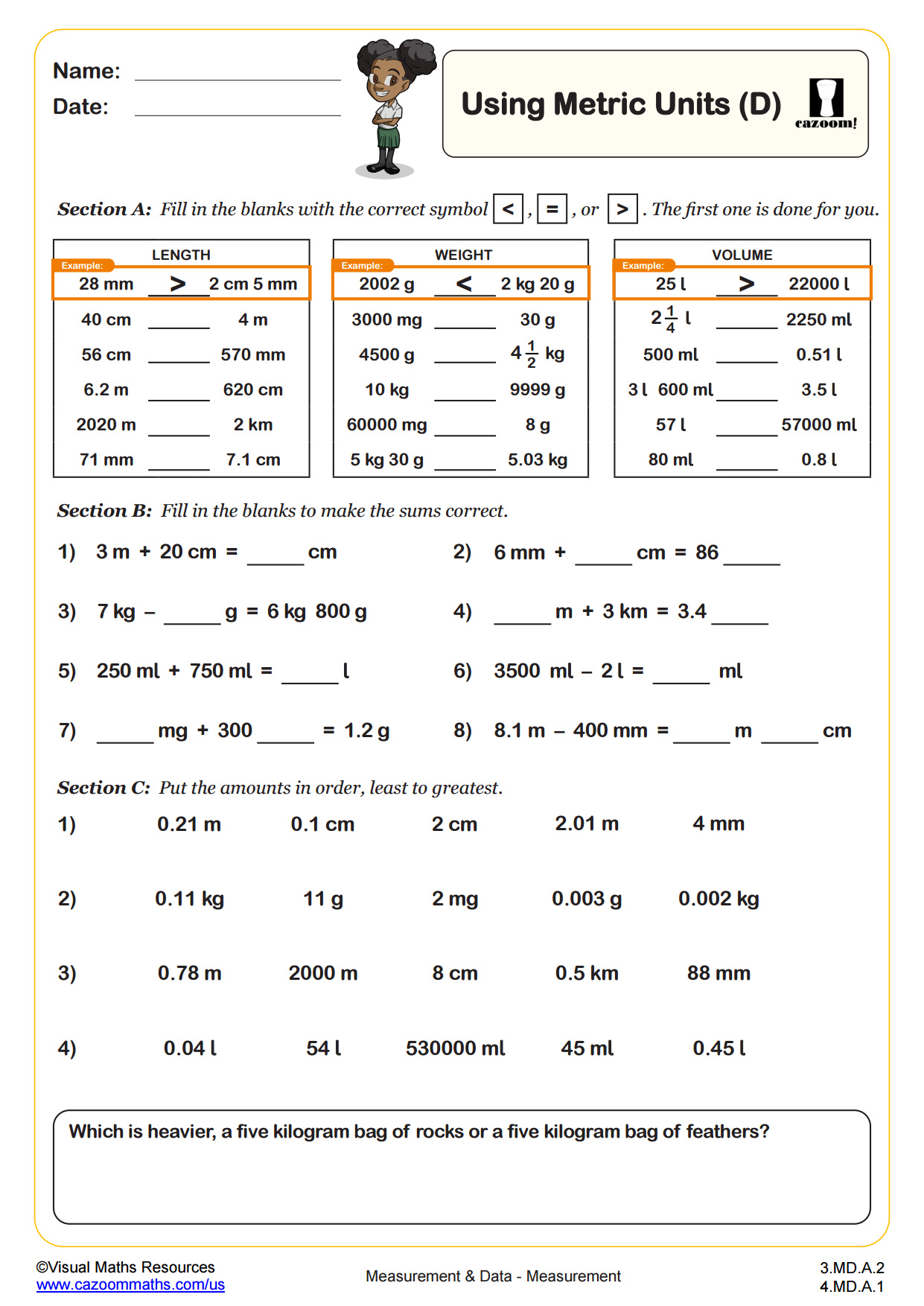
All worksheets are created by the team of experienced teachers at Cazoom Math.
What measurement skills do 4th graders need to master?
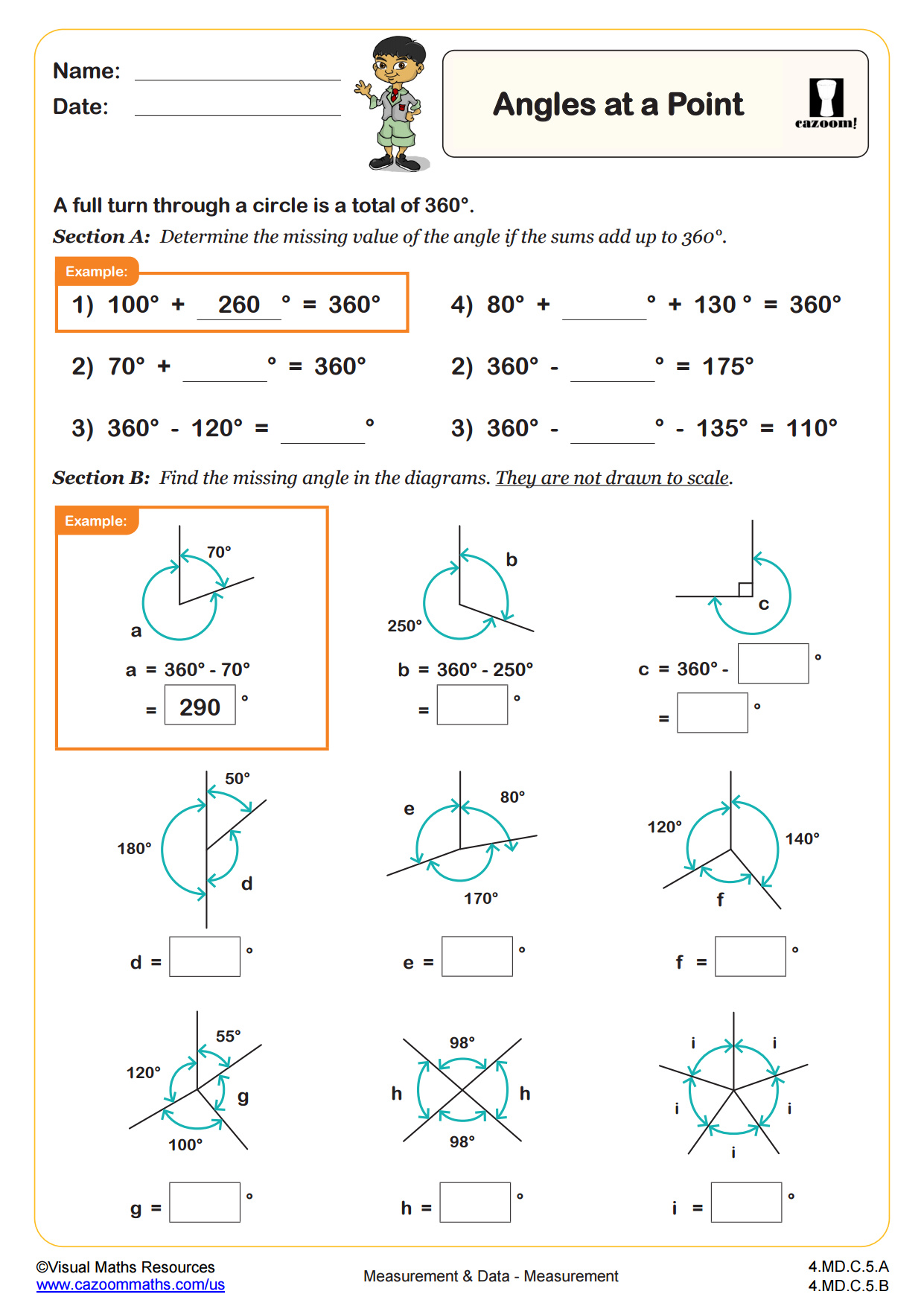
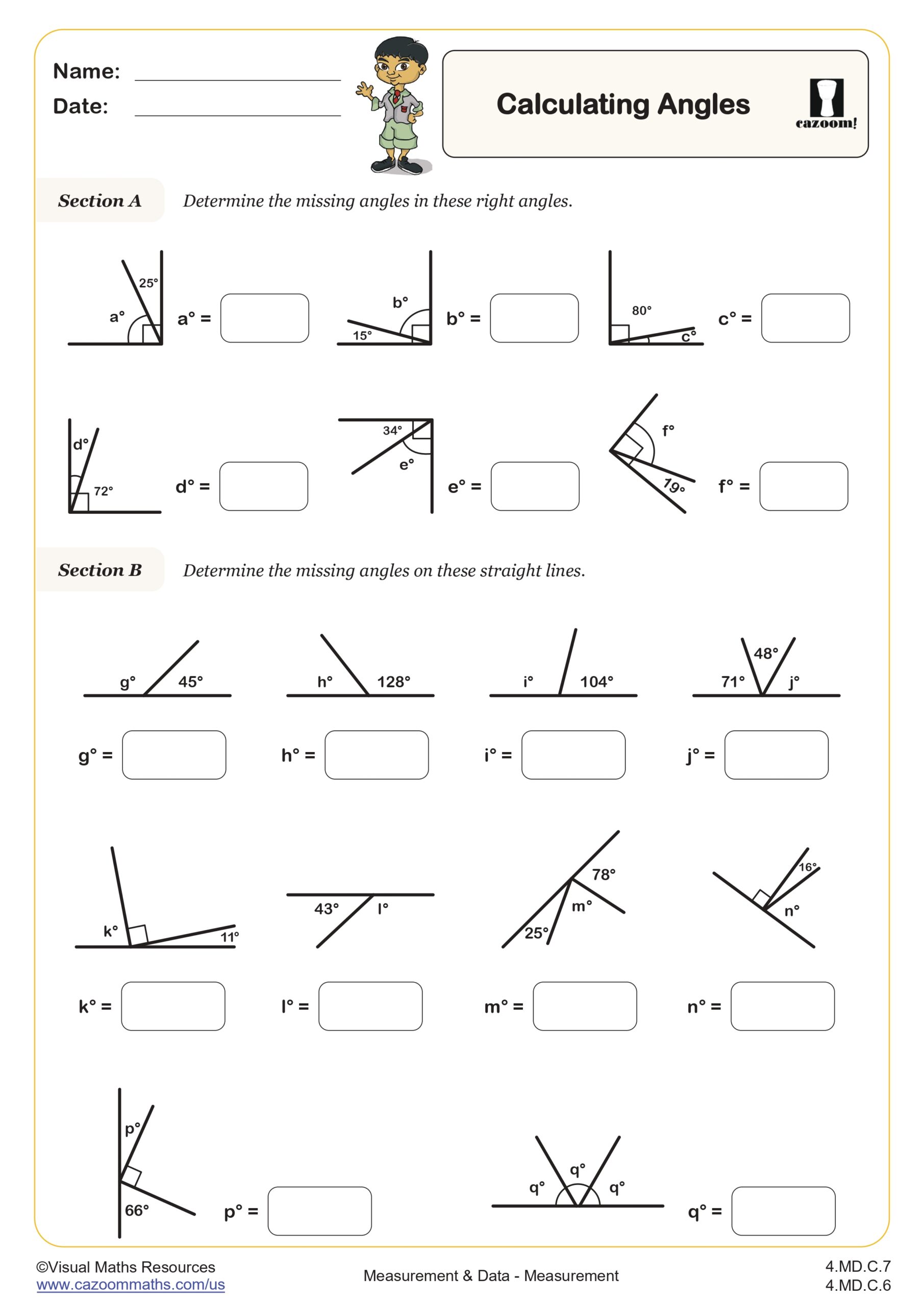
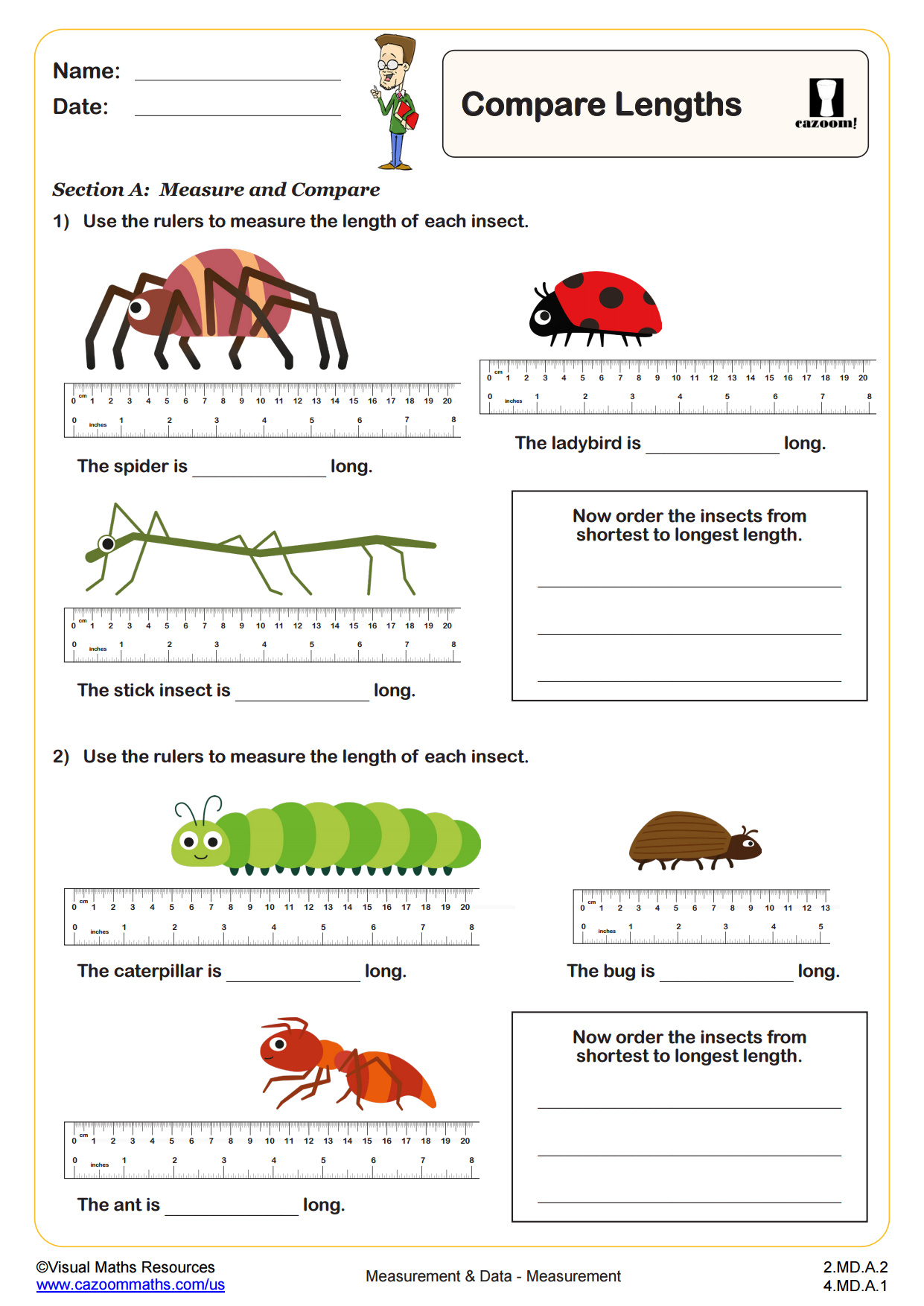
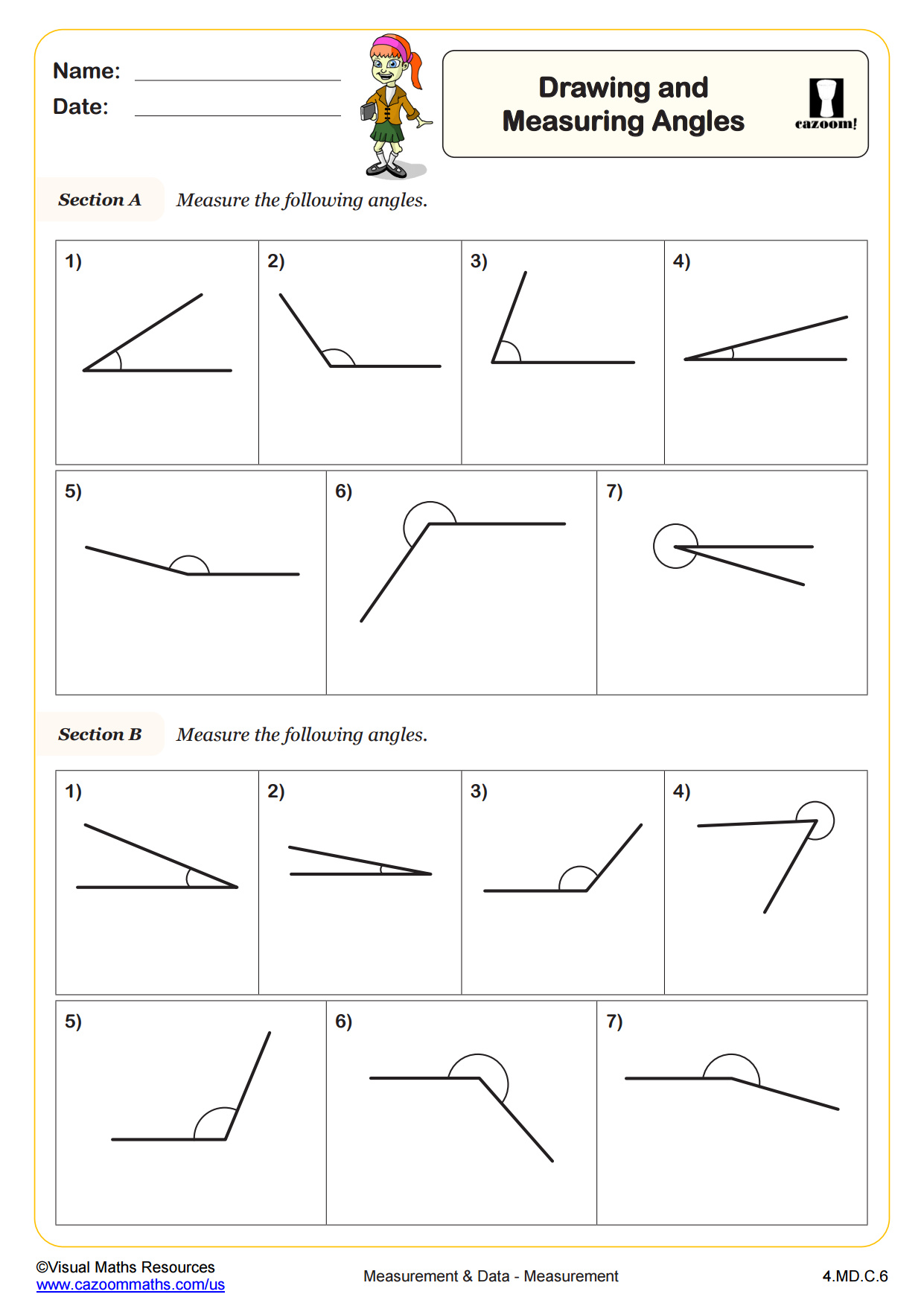
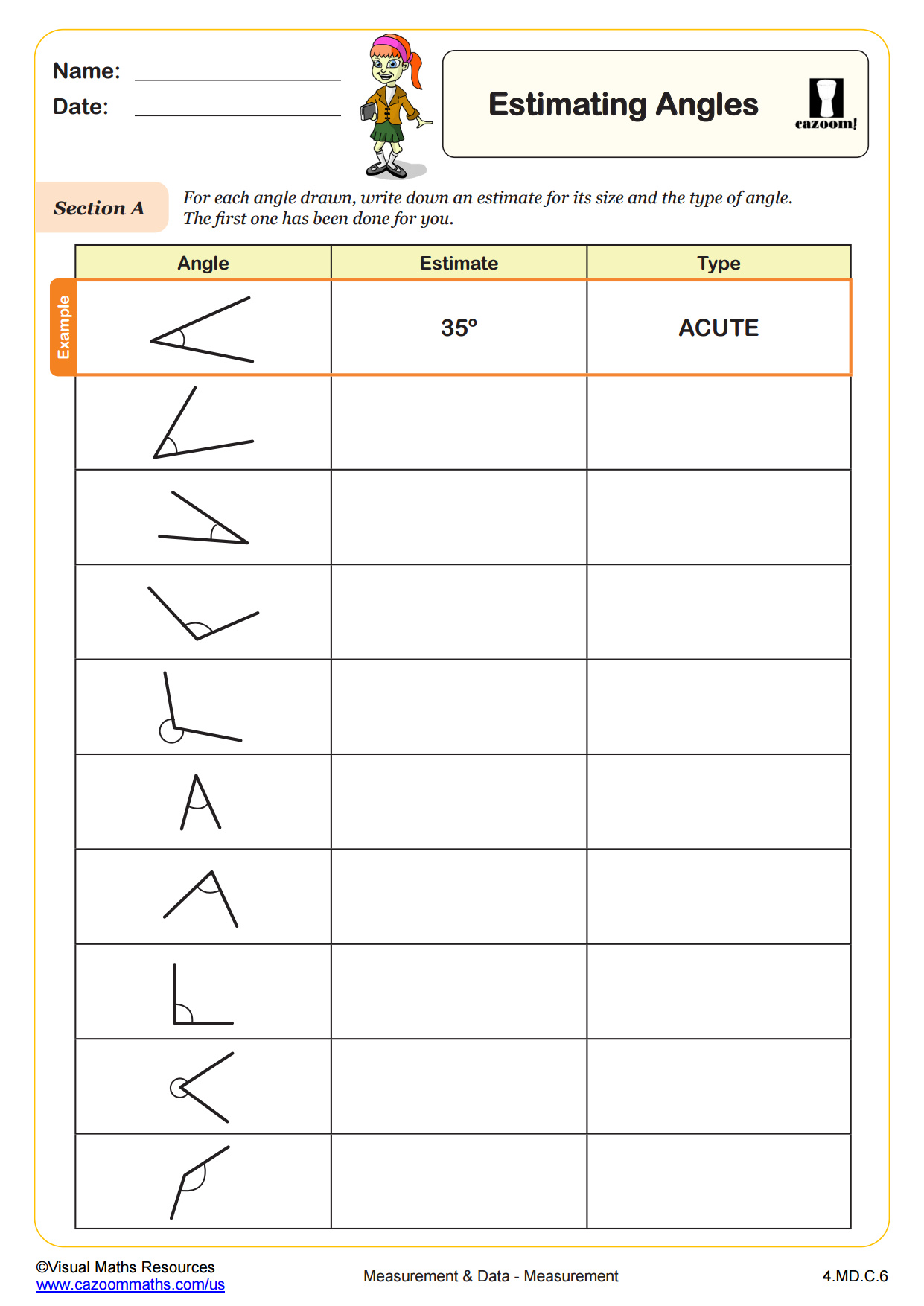
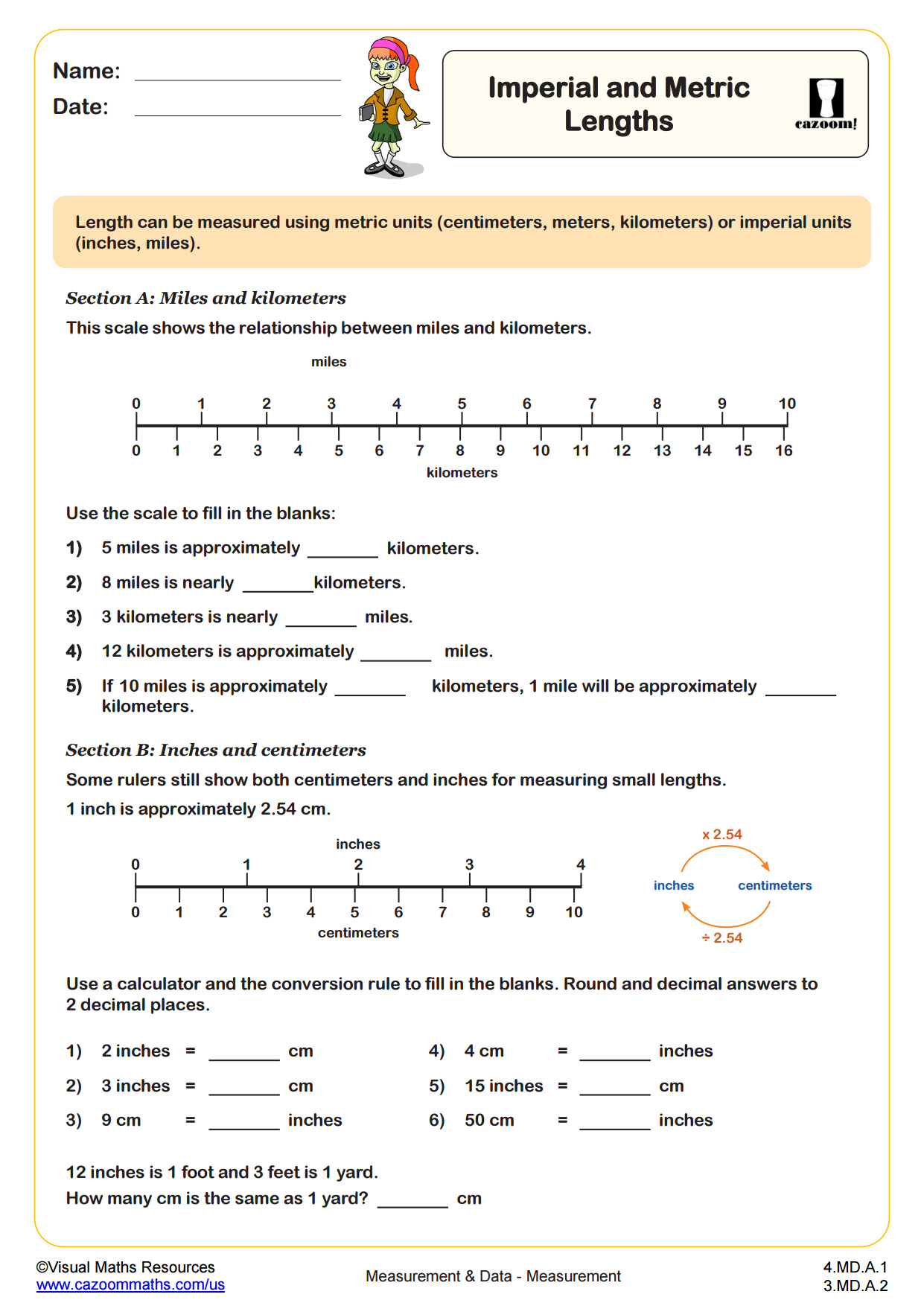
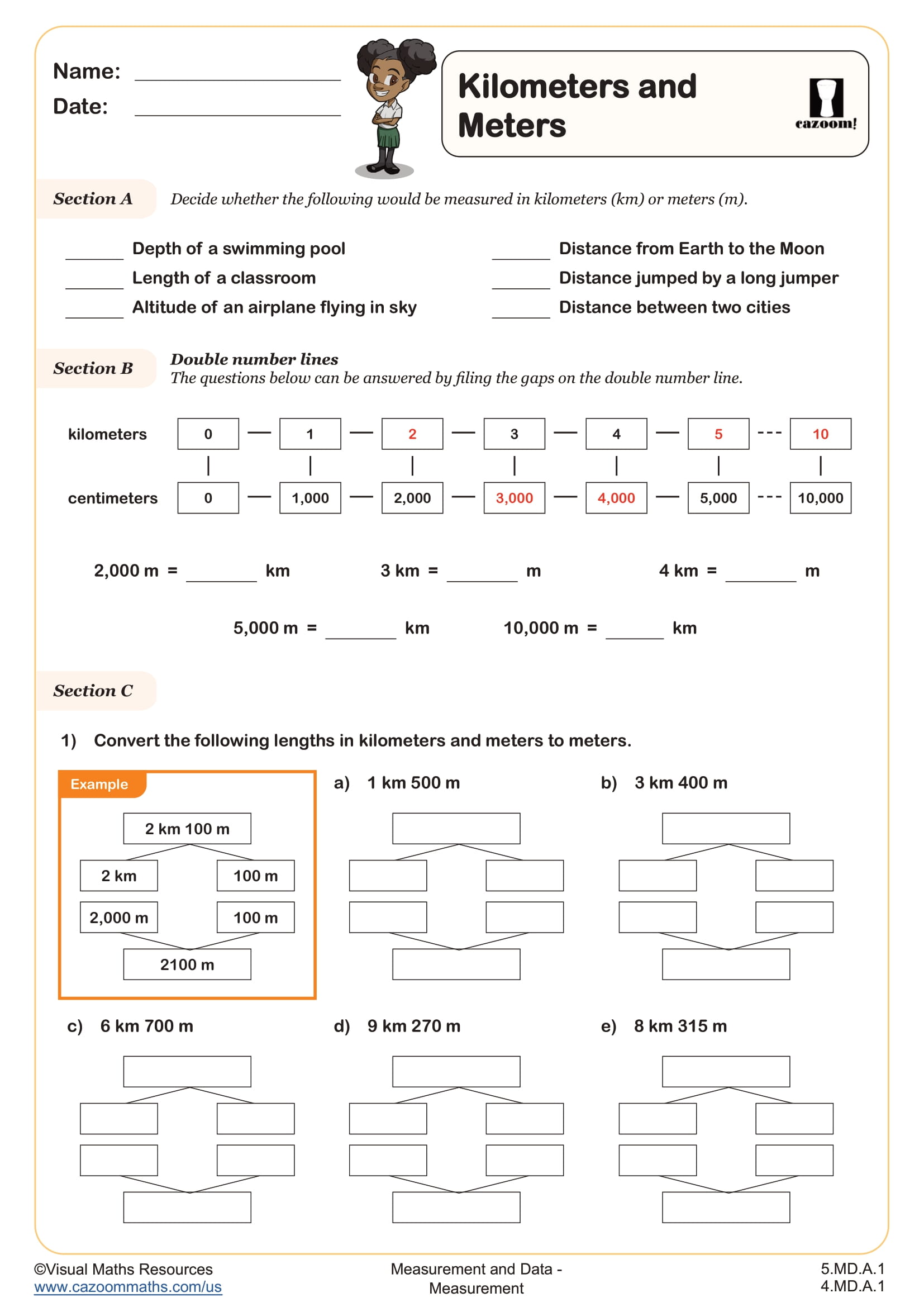
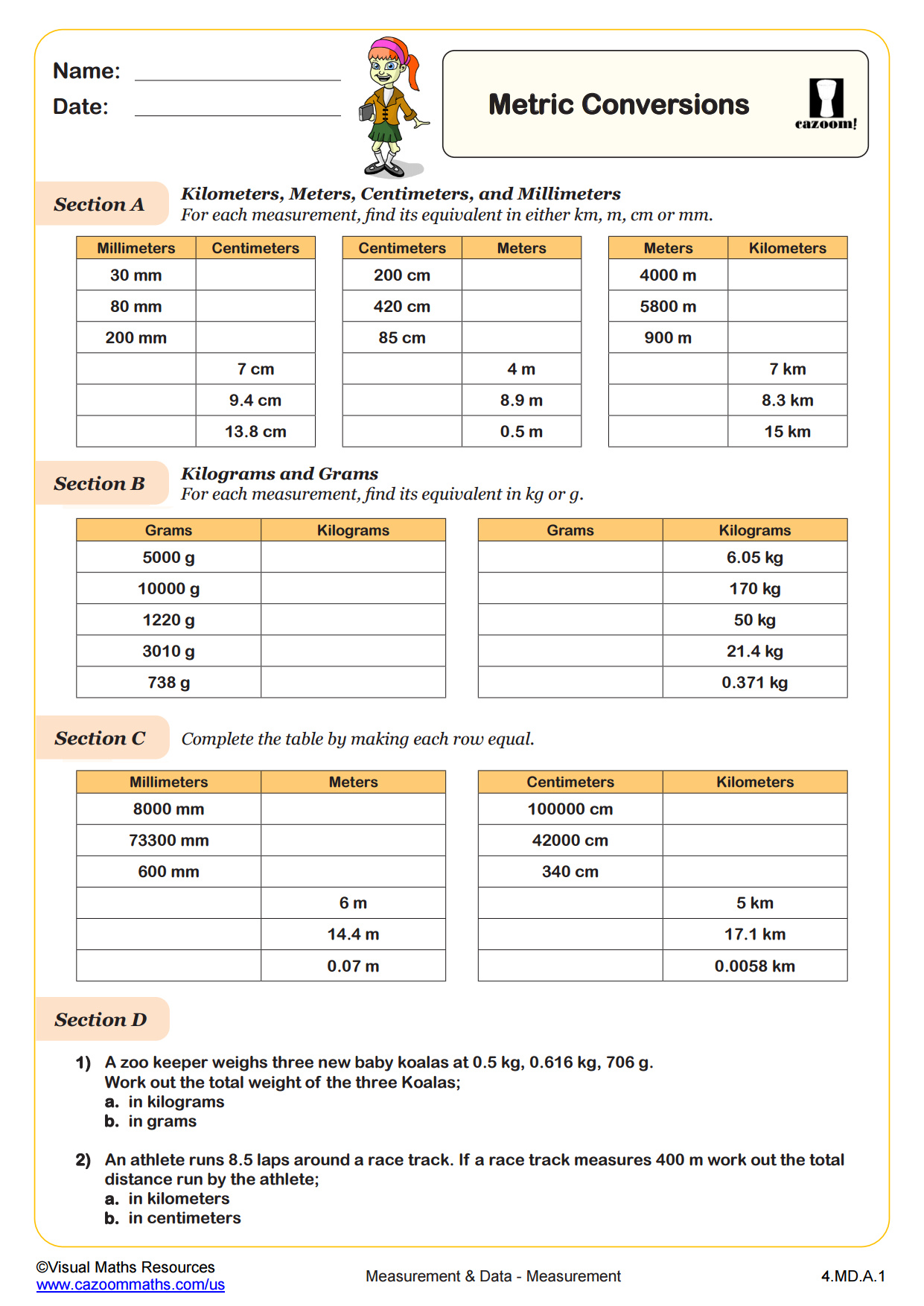
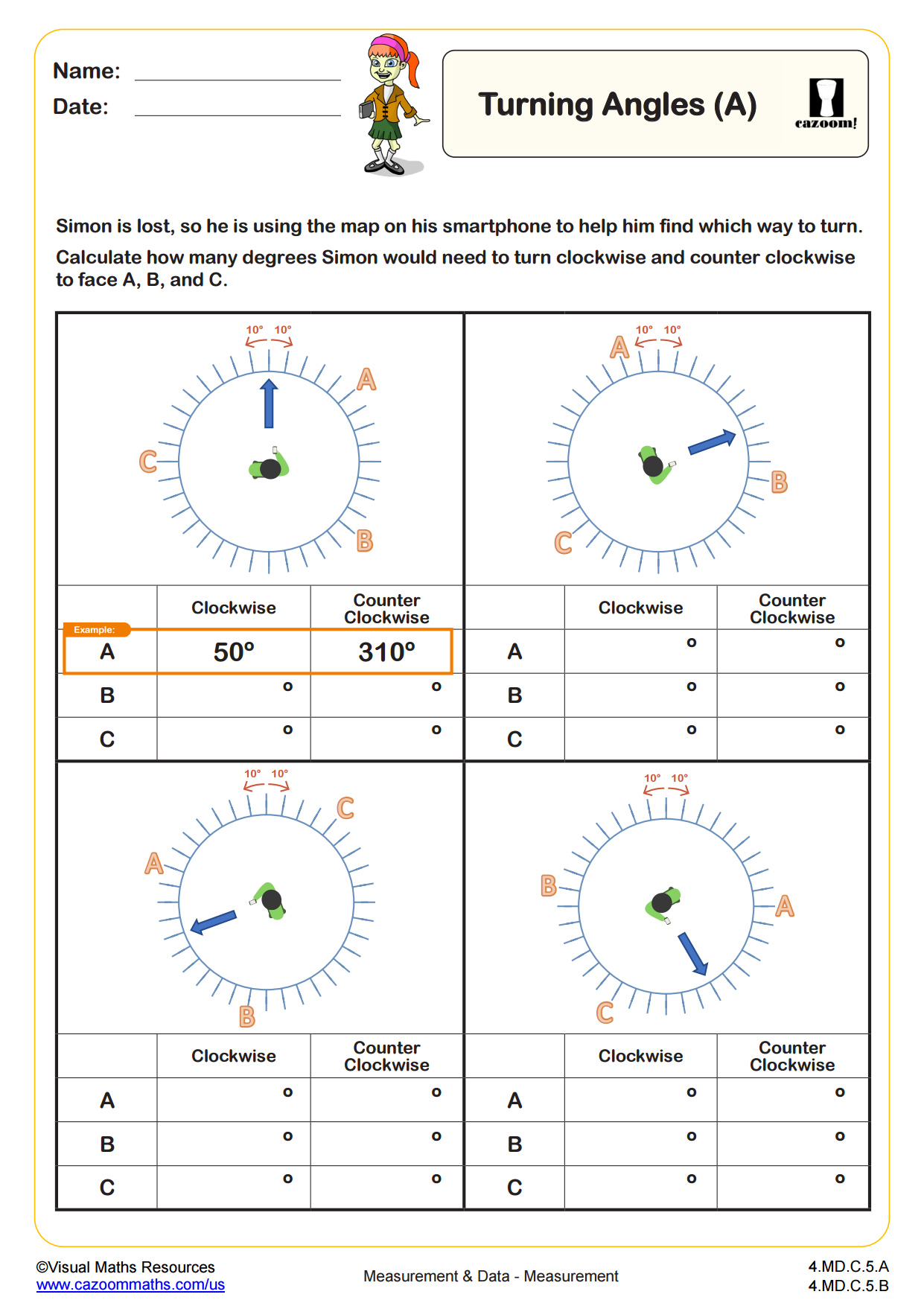
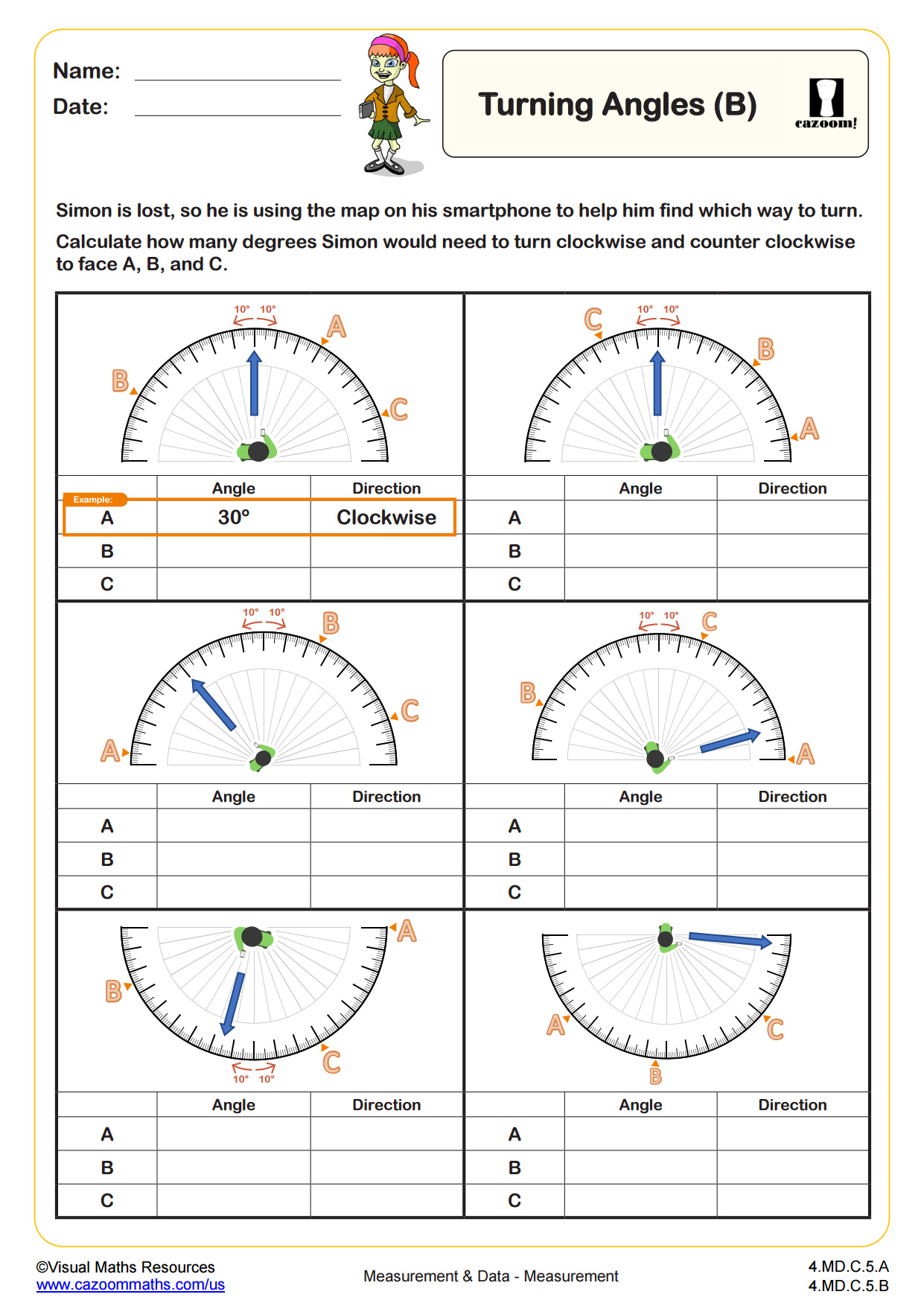
Fourth graders transition from basic length and time measurements to more sophisticated concepts including angle measurement and weight comparisons using customary units. Students learn to select appropriate units (ounces versus pounds, inches versus feet), use protractors to measure and draw angles, and apply estimation strategies before calculating precise measurements. This aligns with Common Core standard 4.MD.C.5, which expects students to recognize angles as geometric shapes and measure them with protractors.
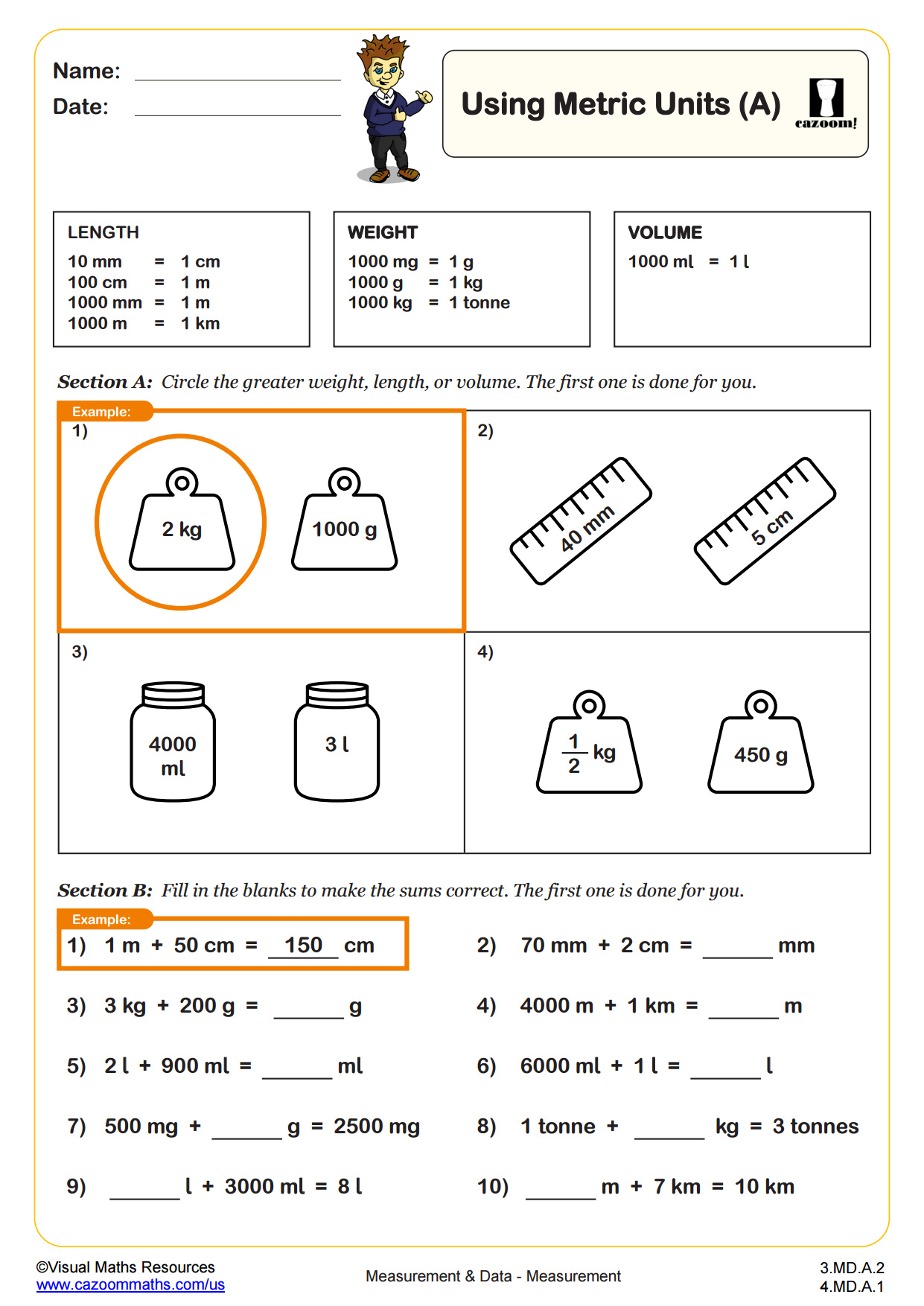
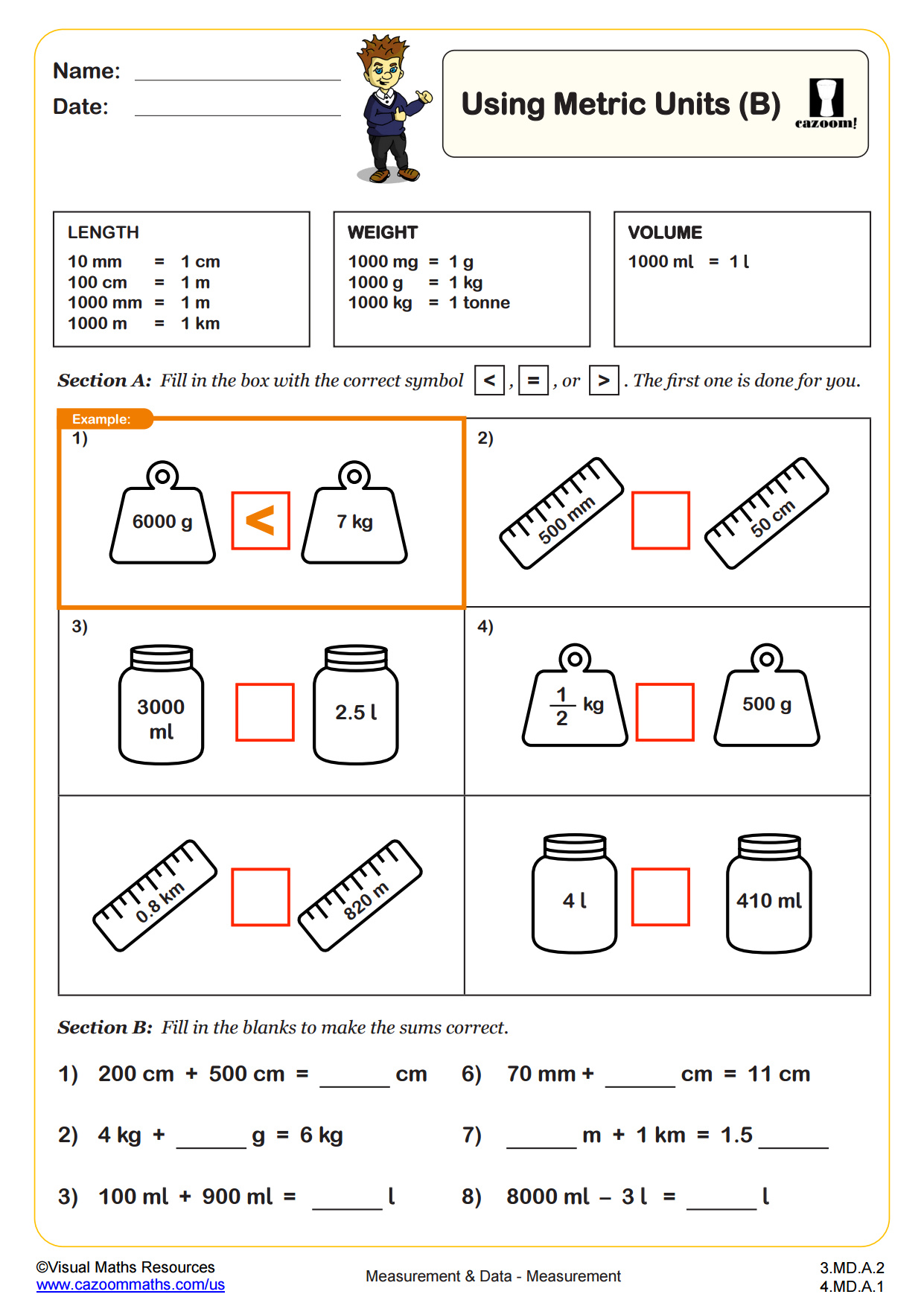
A common error pattern emerges when students confuse weight and capacity, selecting fluid ounces when measuring solid objects or choosing pounds to describe liquid volume. Teachers notice this confusion especially on state assessments where word problems require students to identify whether a scenario involves weight, length, or capacity before selecting the correct unit.
Which grade levels are these measurement worksheets designed for?
This collection targets 4th grade students in elementary school, addressing the measurement standards specific to this grade level. The worksheets cover angle measurement and customary unit selection, which are hallmark concepts introduced in fourth grade mathematics curricula across most states.
The difficulty progression within 4th grade measurement moves from concrete comparisons (which object weighs more?) to abstract angle concepts, starting with estimation and advancing to precise measurement and calculation. Students typically begin by comparing familiar weights, then transition to angle work by first estimating before using protractors. Teachers find that students who master estimation first develop better number sense about angle size, making the jump to calculating missing angles in geometric figures more intuitive.
How do students learn to measure and draw angles accurately?
Angle measurement requires students to align a protractor's center point with the angle's vertex and the baseline with one ray, then read the appropriate scale (0-180° clockwise or counterclockwise). Drawing angles reverses this process: students mark the vertex, draw one ray along the baseline, locate the desired degree measure on the protractor, and draw the second ray through that point. Many students lose points on assessments when they read the wrong scale or fail to extend their rays long enough to make the angle clear.
This skill directly supports STEM applications in engineering and architecture, where precise angle measurements determine structural integrity. Construction workers use angle measurements to cut roof rafters, while robotics engineers program turning angles for autonomous vehicles. Students who understand that a 45° angle creates equal horizontal and vertical distances can better visualize how satellite dishes align or how solar panels maximize sun exposure throughout the day.
How can teachers use these measurement worksheets effectively?
The worksheets provide scaffolded practice that moves from foundational skills like unit selection and weight comparison toward more complex protractor work and angle calculations. Each worksheet includes enough varied problems for students to recognize patterns without becoming repetitive, and the answer keys allow for immediate feedback during independent work or homework review. Teachers can identify specific misconceptions by reviewing which problems students miss consistently.
These worksheets work well for differentiated math stations where students rotate through measurement activities, for targeted intervention with small groups struggling with protractor alignment, or as formative assessments before state testing. Some teachers assign angle estimation worksheets as warm-ups before hands-on protractor lessons, while others use the imperial unit selection pages during science class when students measure materials for experiments. Paired work often proves effective for protractor practice, with one student measuring while the partner checks alignment and scale reading.