5th Grade Units and Dimensions Worksheets
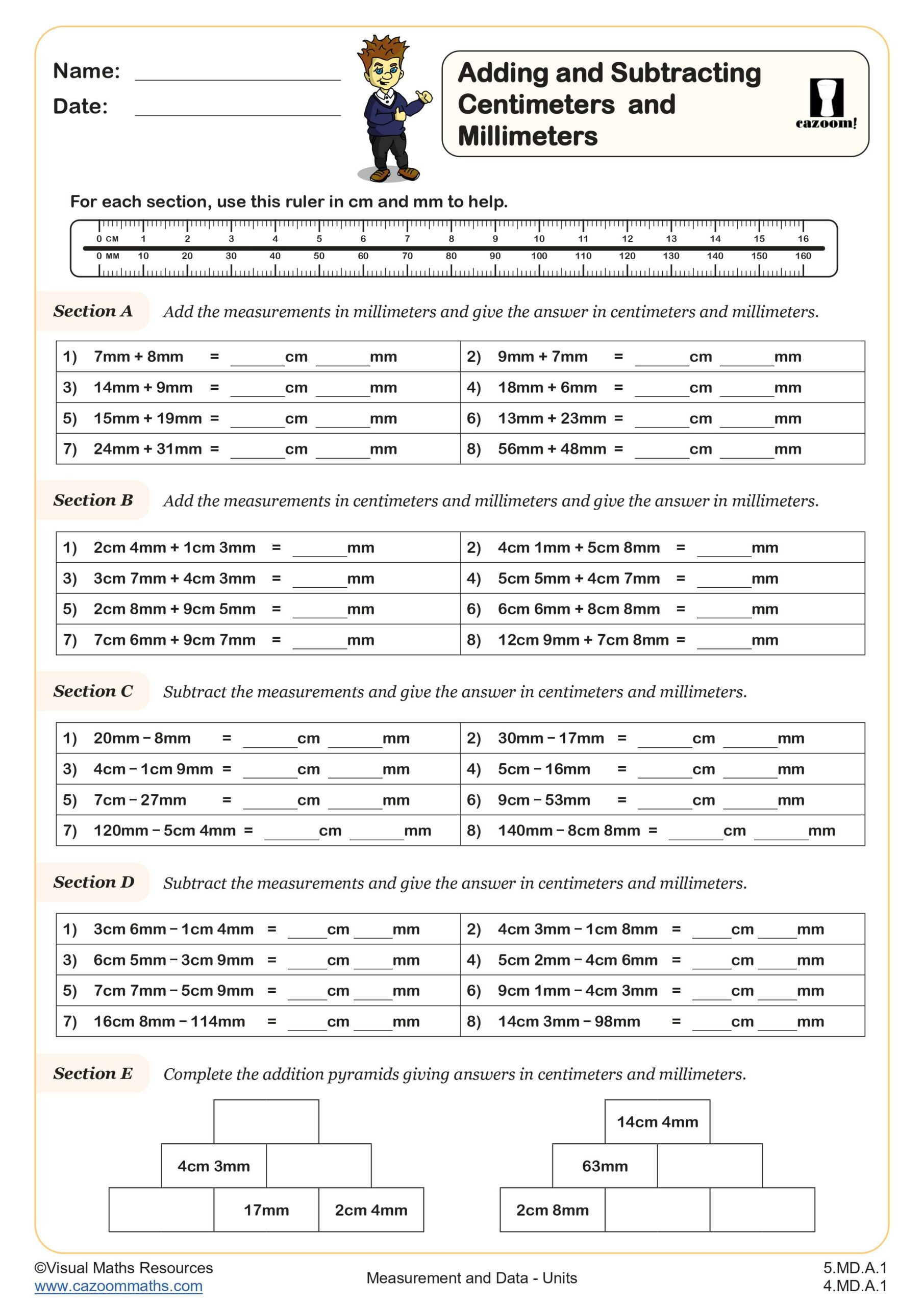
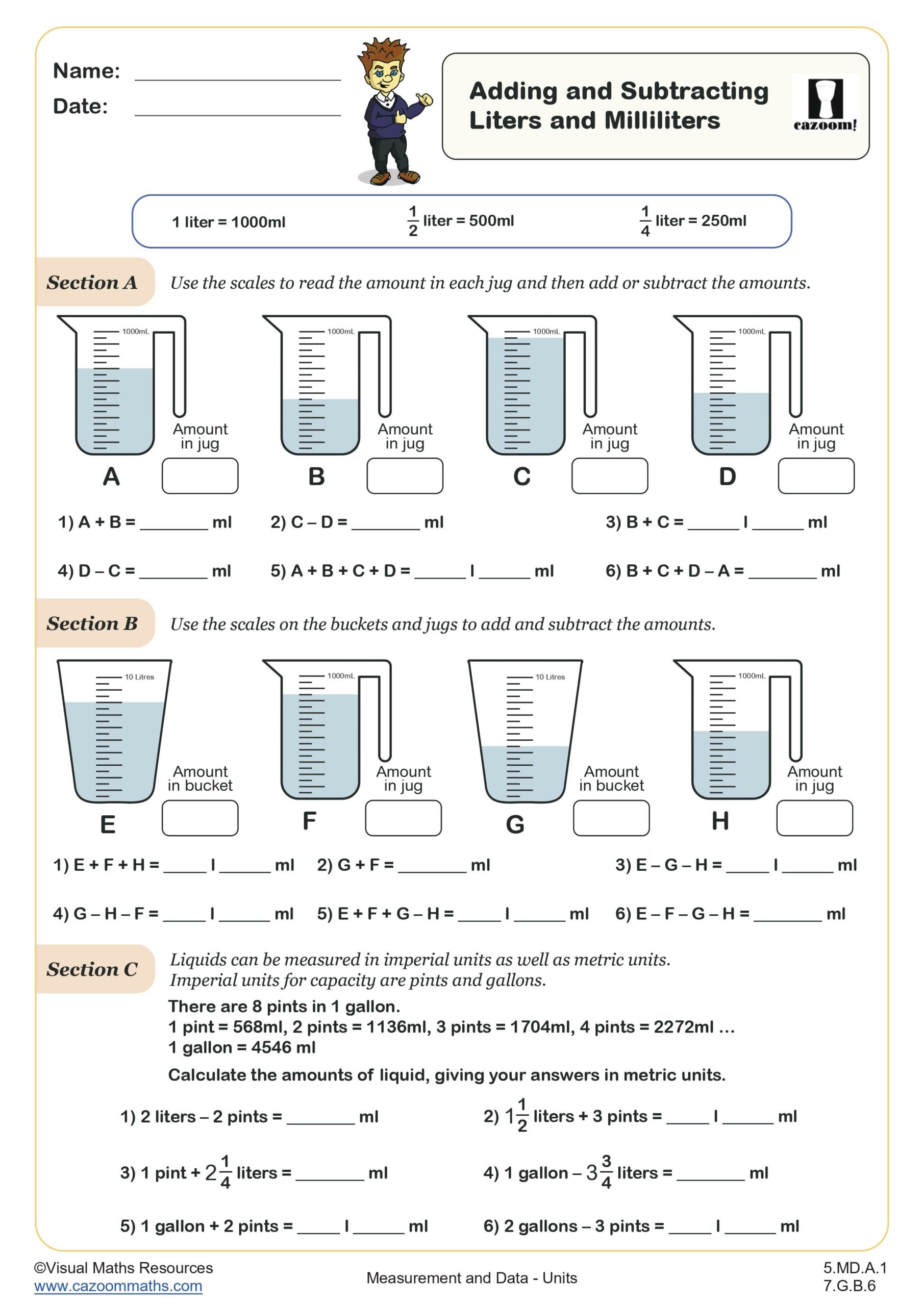
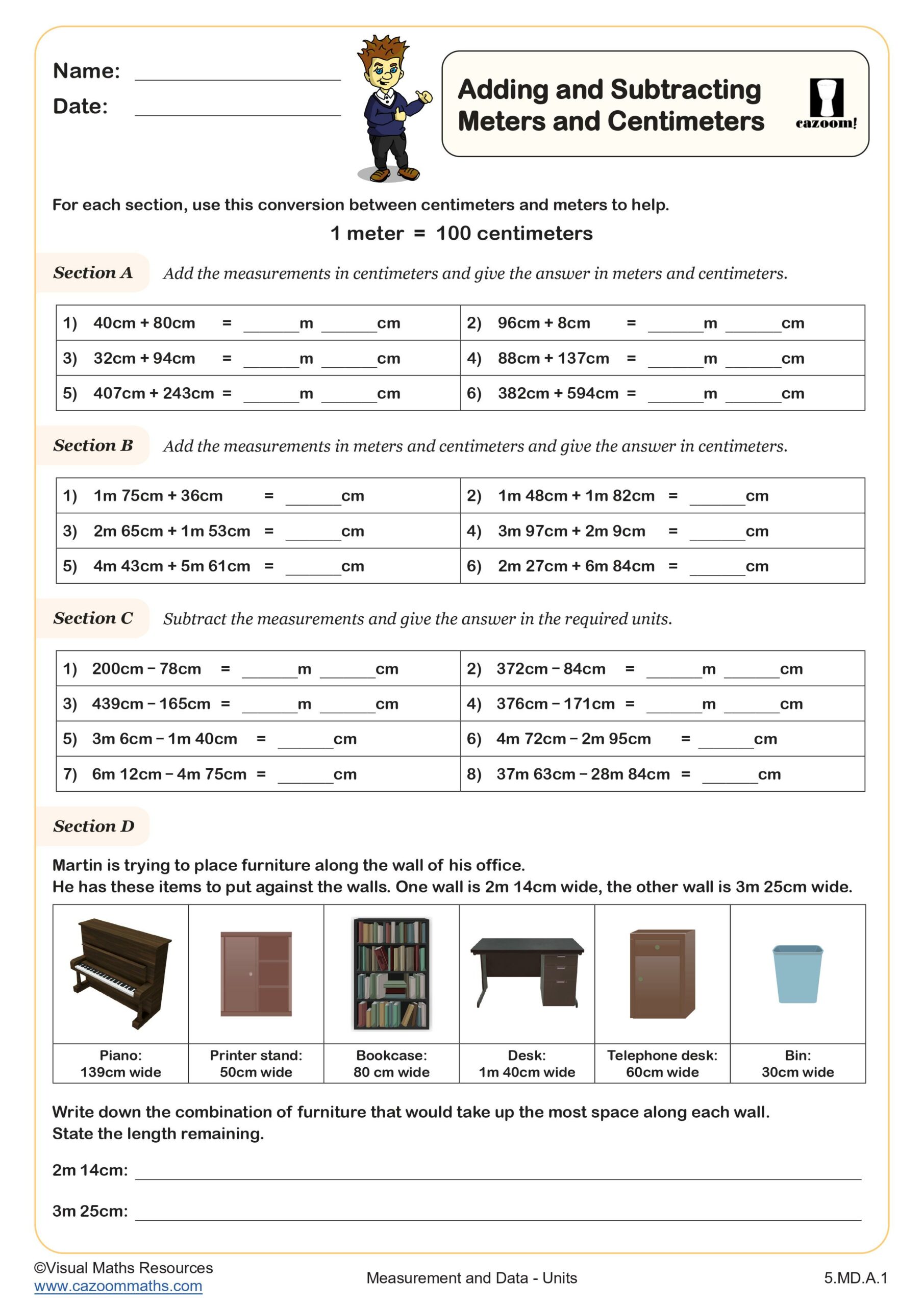
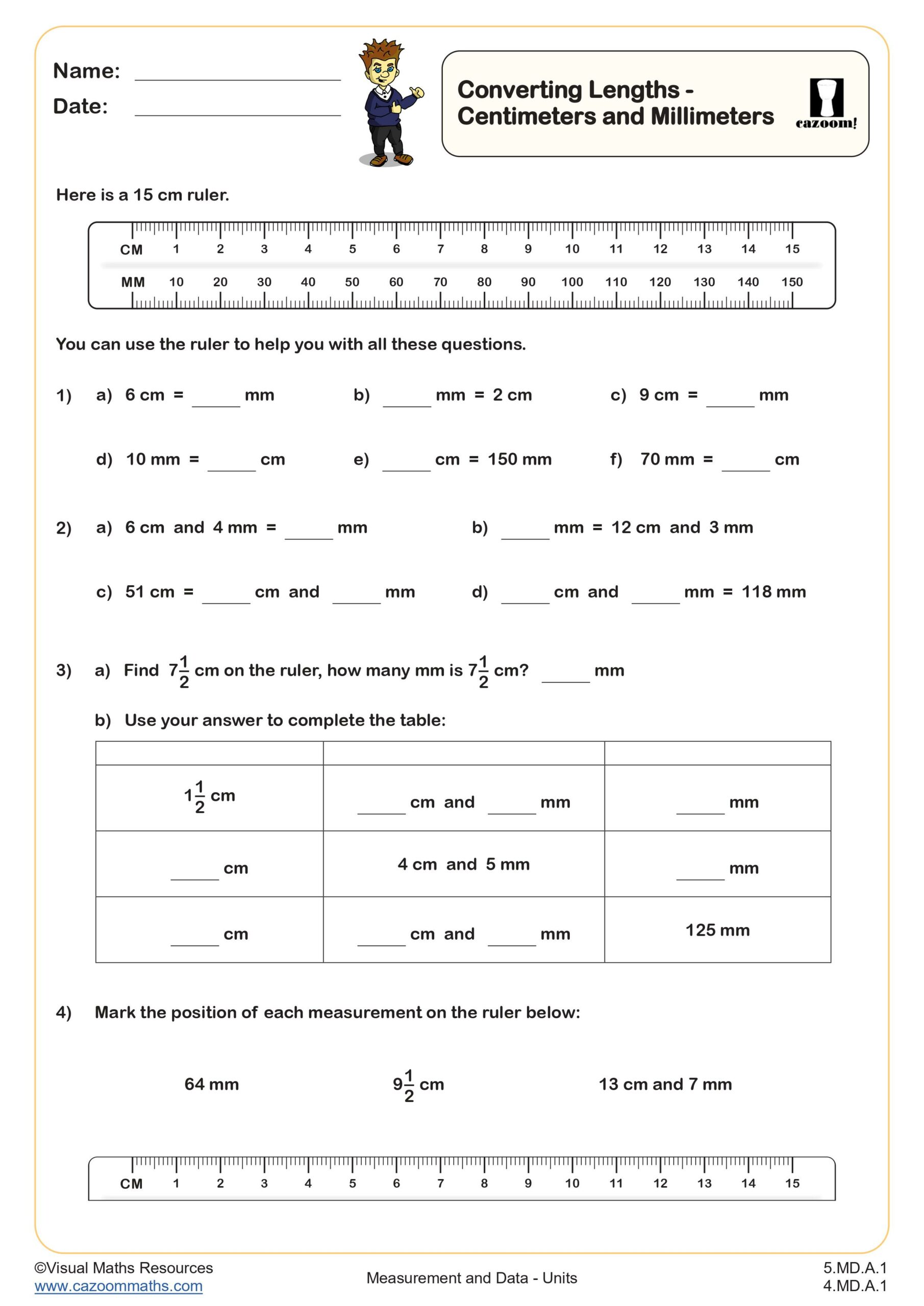
All worksheets are created by the team of experienced teachers at Cazoom Math.
What Are Units and Dimensions in 5th Grade Math?
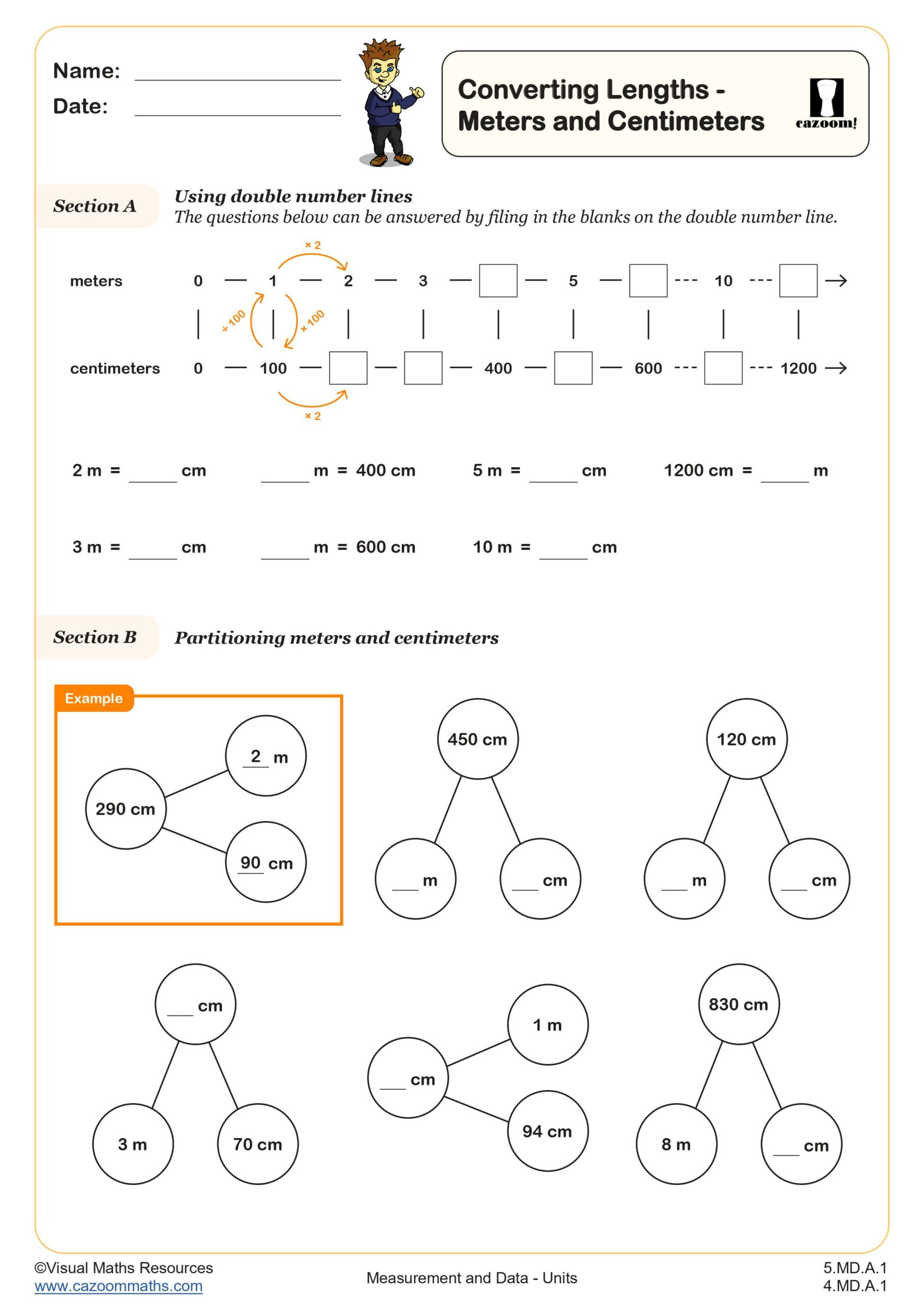
Units and dimensions in 5th grade focus on the metric system, specifically working with lengths measured in meters, centimeters, and millimeters. Students learn to convert between these units and perform operations like addition and subtraction that require understanding the relationships between units (10 millimeters = 1 centimeter, 100 centimeters = 1 meter). This work aligns with Common Core standards 5.MD.A.1, where students convert among different-sized measurement units within a given measurement system.
A common misconception is that students treat conversion like simple multiplication without understanding what the numbers represent. For example, when converting 3.5 meters to centimeters, students might multiply by 10 instead of 100 because they're thinking about place value rather than the actual relationship between units. Teachers frequently notice that using visual models like meter sticks marked with centimeter and millimeter divisions helps students internalize these conversions before moving to abstract calculations.
Which Grade Levels Cover Units and Dimensions Worksheets?
These units and dimensions worksheets are designed specifically for 5th grade students in elementary school. At this level, the metric system becomes the primary focus for measurement work, building on earlier grade experiences with customary units and introducing the base-ten structure that makes metric conversions more systematic than those in the customary system.
The progression within 5th grade moves from simple conversions (centimeters to millimeters or meters to centimeters) to more complex problems that require converting before adding or subtracting measurements given in mixed units. Students start with concrete conversions, then apply these skills to word problems where they must decide which unit to convert to before solving. This scaffolded approach prepares students for 6th grade, where they'll extend these skills to area, volume, and capacity conversions.
How Do Students Add and Subtract Meters and Centimeters?
Adding and subtracting measurements in different units requires students to first convert to a common unit before performing the operation. For example, to add 2 meters and 45 centimeters to 3 meters and 78 centimeters, students might convert everything to centimeters (245 cm + 378 cm = 623 cm), then convert back to meters and centimeters (6 m 23 cm). Students lose points on state assessments when they add the meter values and centimeter values separately without considering that centimeters might exceed 100.
This skill connects directly to STEM fields where measurements appear in mixed units. Engineers calculating bridge dimensions might work with measurements like 12.75 meters and 320 centimeters, requiring conversion before determining total length. Scientists measuring plant growth over time combine millimeter and centimeter measurements. Understanding how to operate with mixed metric units prepares students for laboratory science in middle school, where precise measurement and unit consistency determine experimental accuracy.
How Should Teachers Use These Units and Dimensions Worksheets?
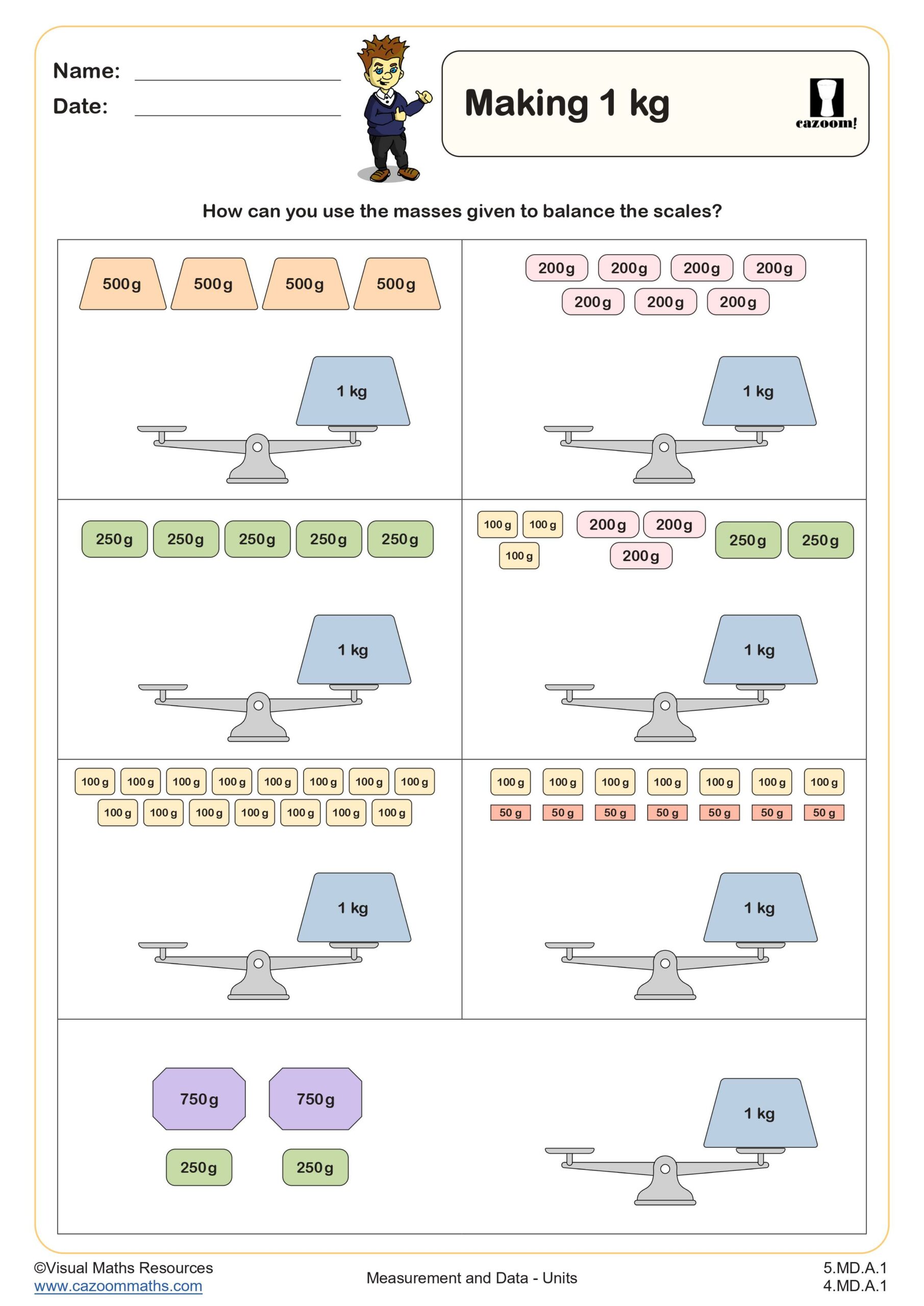
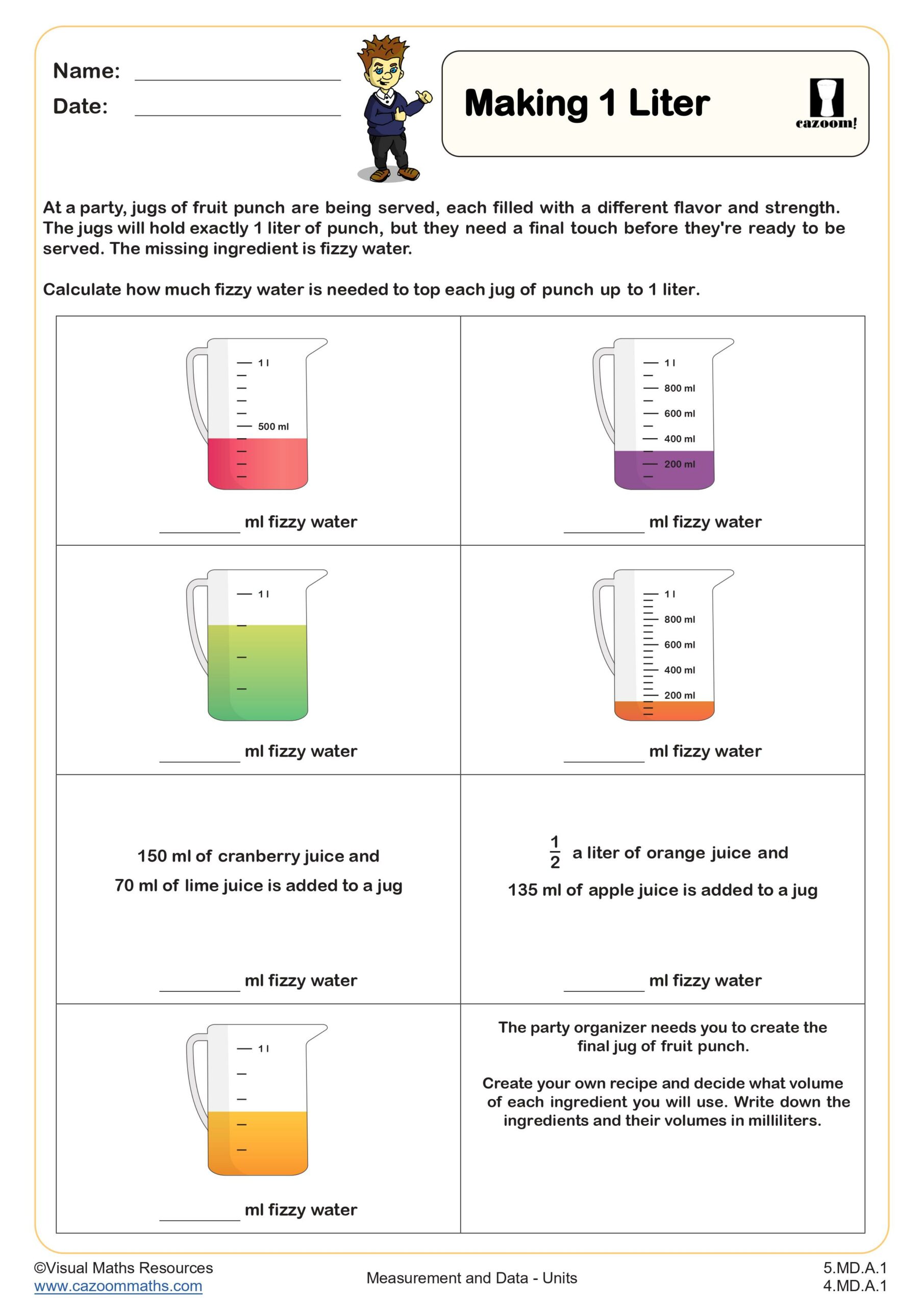
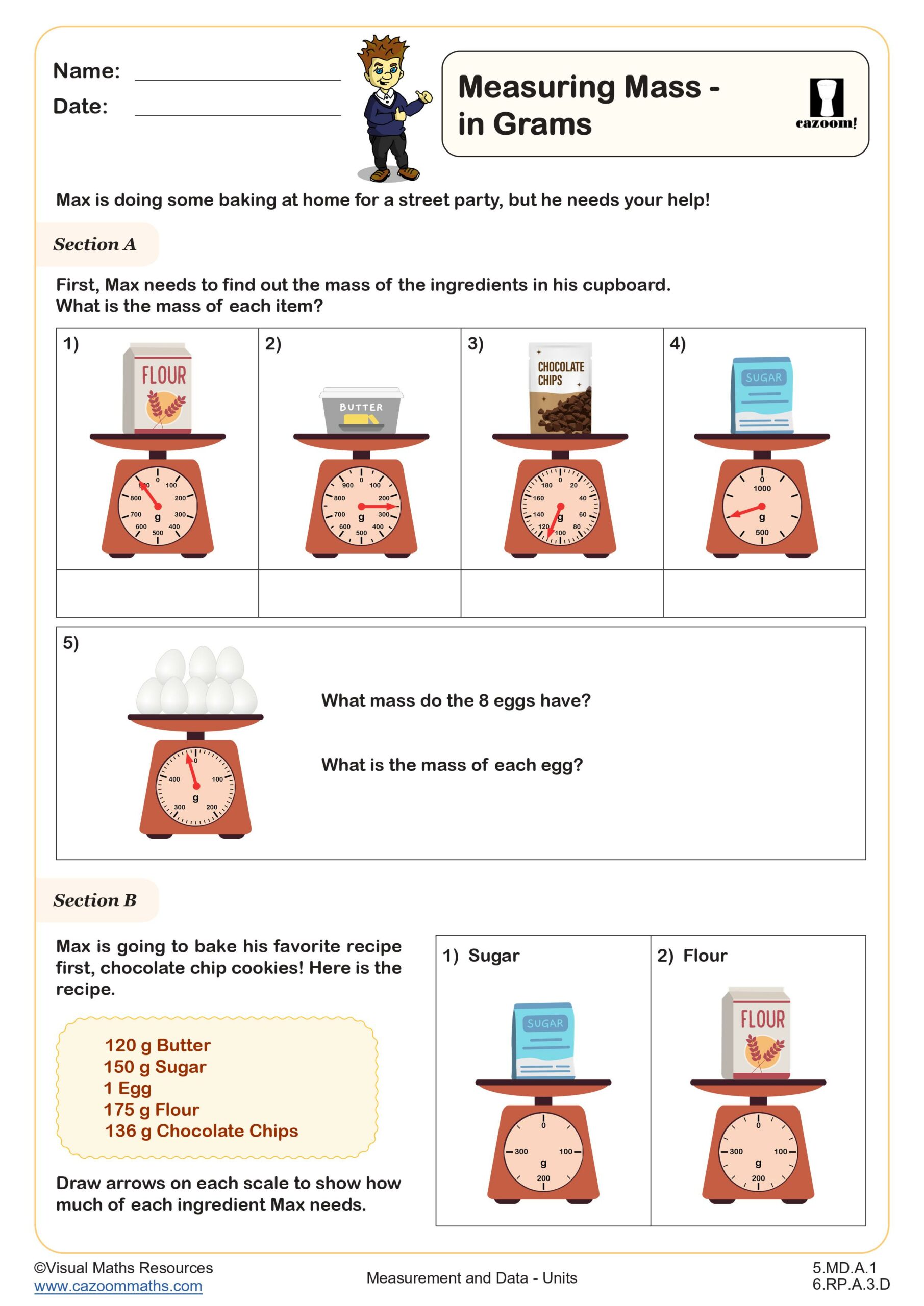
The worksheets provide graduated practice, starting with straightforward conversions before moving to operations with mixed units. Each worksheet focuses on specific skills like converting between centimeters and millimeters or adding measurements in meters and centimeters, allowing teachers to target areas where individual students need reinforcement. The included answer keys let students self-check during independent work or help teachers quickly identify which conversion relationships need reteaching.
These worksheets work well for differentiated math centers, where students working below grade level can focus on basic conversions while on-level students tackle addition and subtraction problems. Many teachers use them for quick warm-ups to maintain conversion fluency throughout the year, since students often forget these relationships between instructional units. The worksheets also serve as effective homework assignments when families want to support measurement skills at home, as the answer keys help parents verify student work without needing to recall conversion factors themselves.