6th Grade Coordinates Worksheets
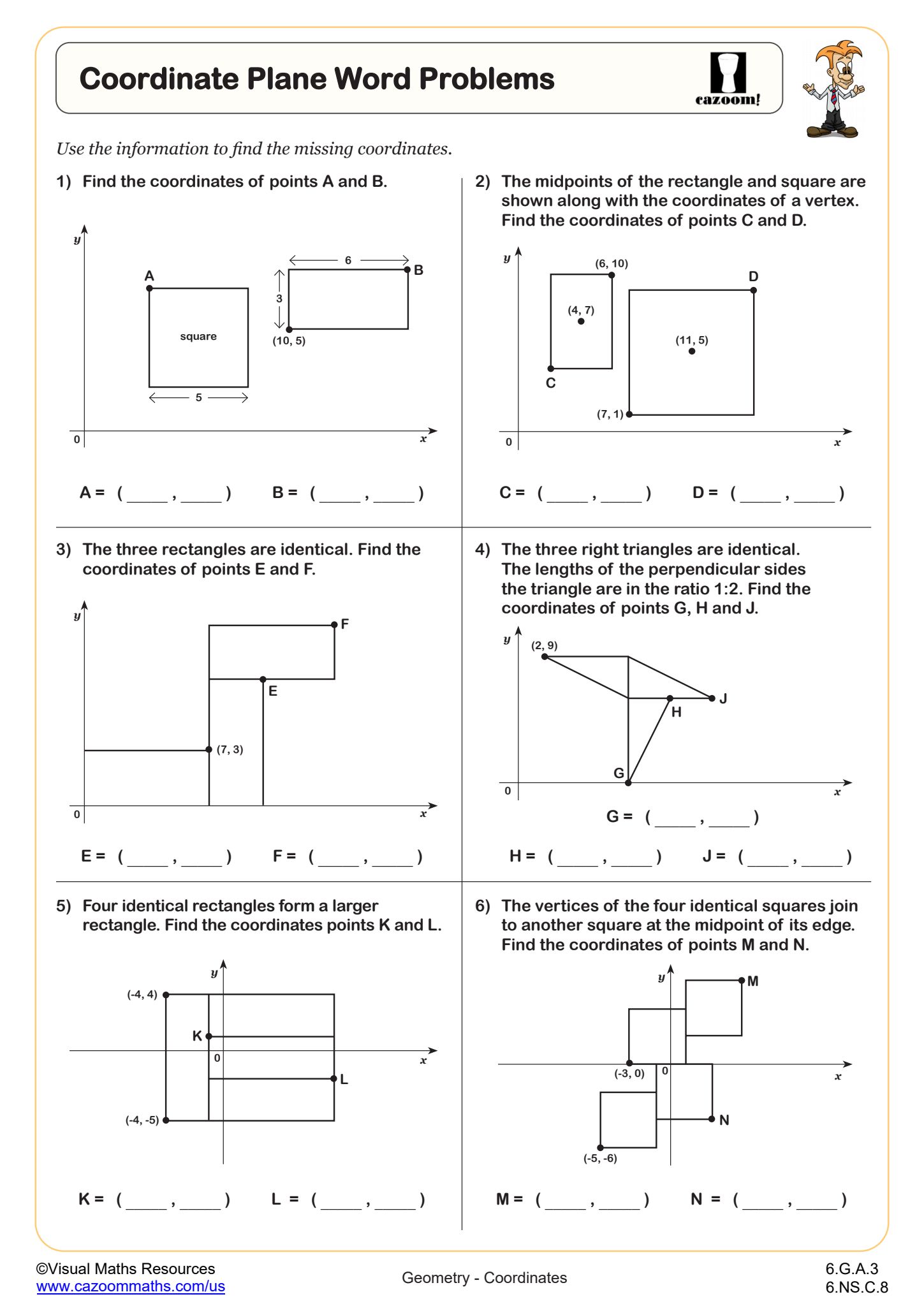
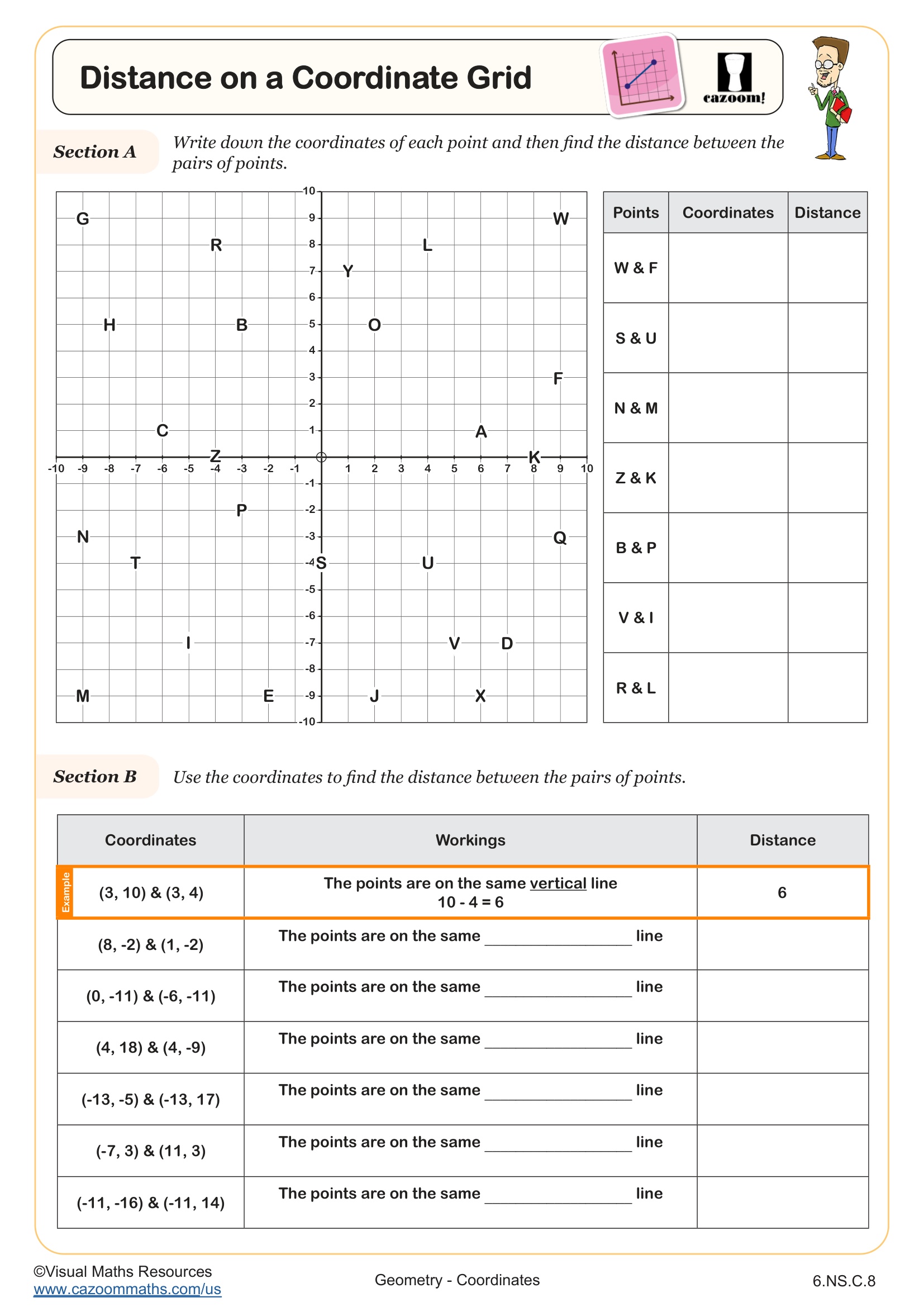
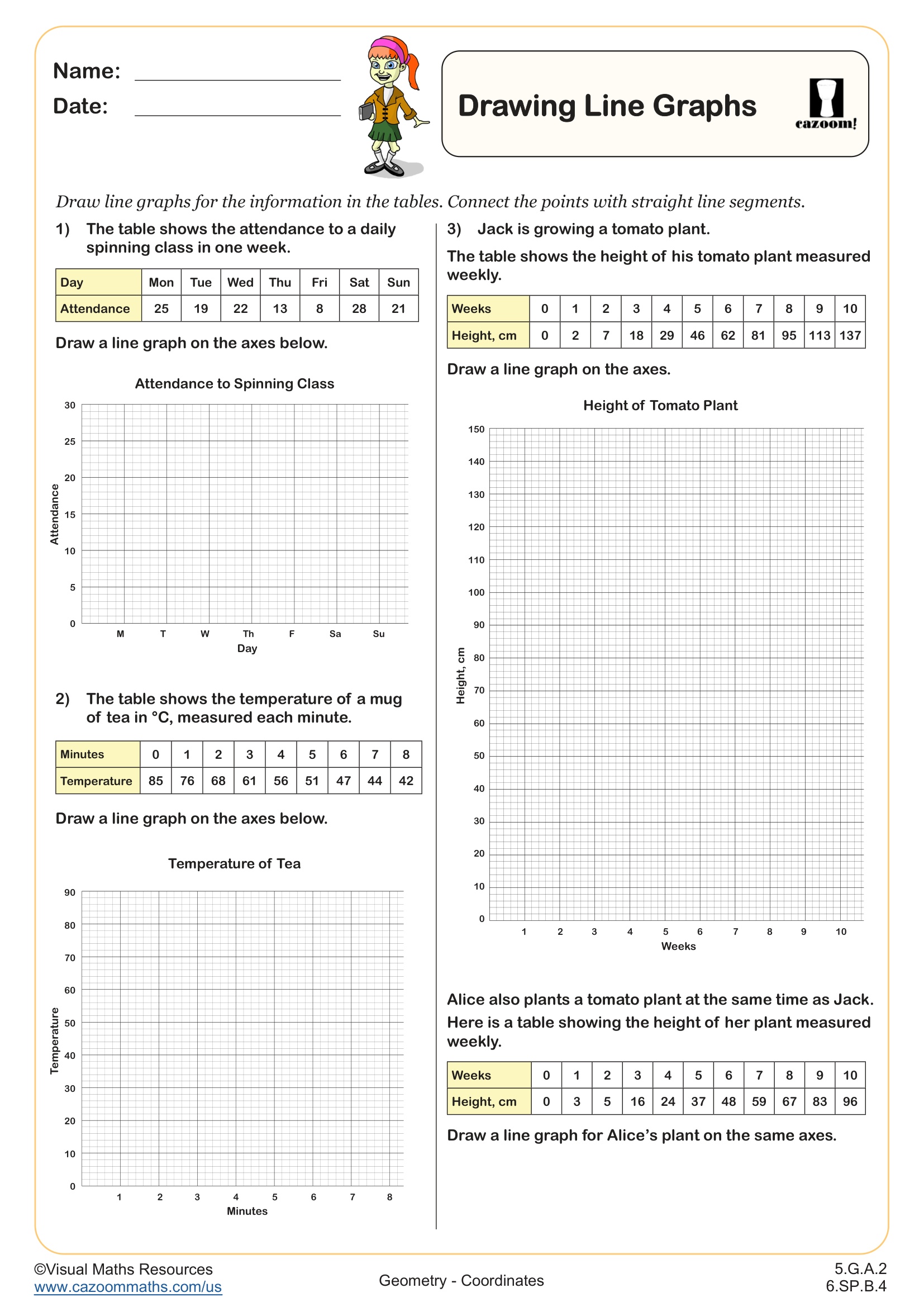
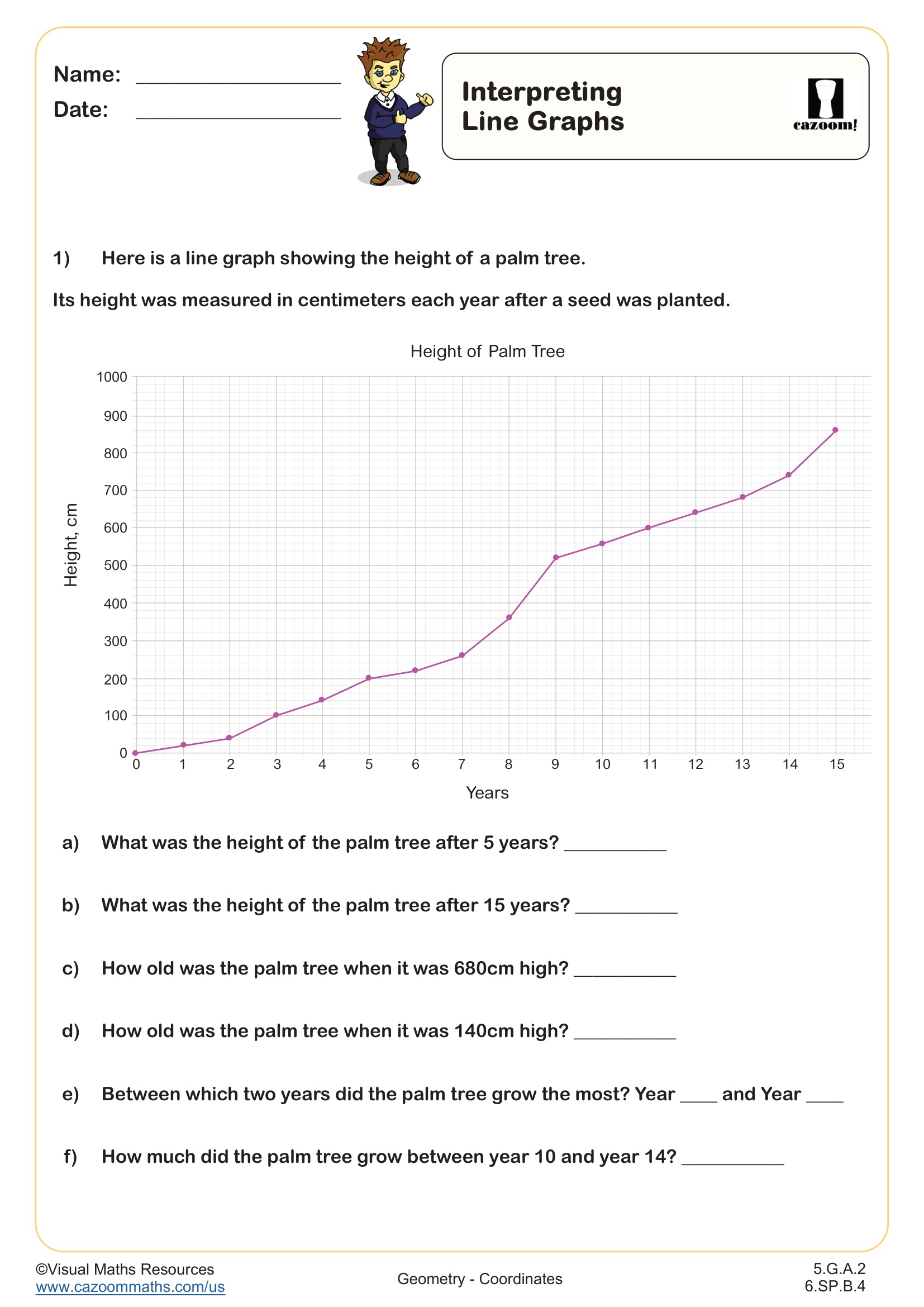
All worksheets are created by the team of experienced teachers at Cazoom Math.
What Are Coordinates and Why Do Students Learn Them in 6th Grade?
Coordinates are ordered pairs of numbers that identify specific locations on a grid, written as (x, y). The first number represents the horizontal position along the x-axis, while the second number shows the vertical position along the y-axis. According to Common Core State Standards, 6th graders work with all four quadrants of the coordinate plane, extending their elementary understanding from the first quadrant only.
Students lose points on assessments when they confuse the order of coordinates or miscount grid lines versus grid spaces. Teachers notice that students who struggle with coordinate plotting often haven't yet internalized that moving right and up creates positive values, while moving left and down creates negative values. Consistent practice with labeled axes helps students develop the automaticity they need for more advanced graphing in algebra.
Which Grade Levels Use These Coordinate Worksheets?
These coordinate worksheets are designed specifically for 6th grade middle school students. At this level, students transition from basic first-quadrant graphing learned in elementary school to working with all four quadrants, including negative coordinates. This represents a significant leap in spatial reasoning and prepares students for graphing linear equations in 7th and 8th grade.
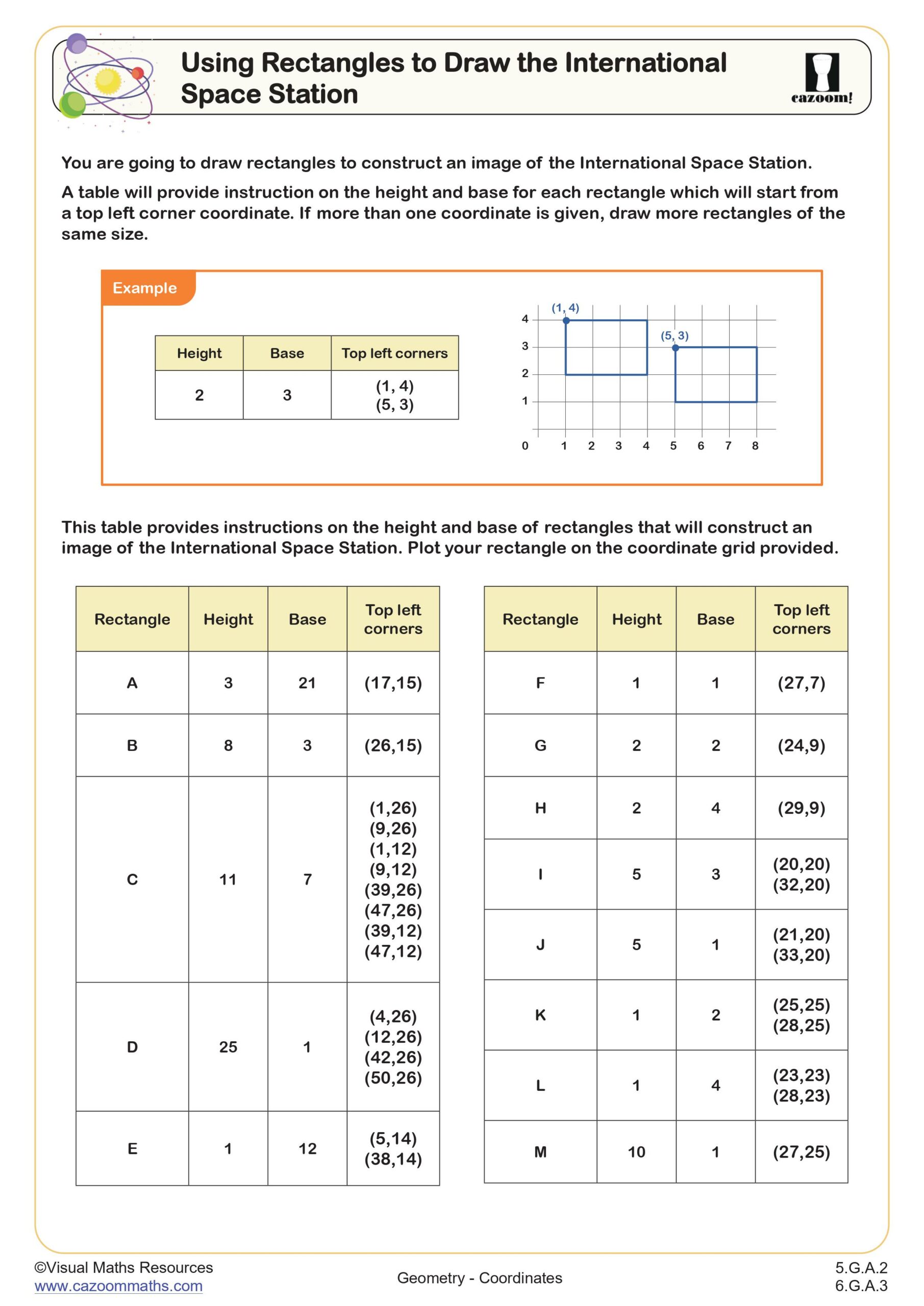
The worksheets progress from simpler positive coordinate grids to more challenging activities that incorporate problem-solving elements like the Easter Egg Trail exercises. Students confidently tackle four-quadrant problems once they recognize that the signs of coordinates determine which quadrant contains each point. Many teachers find that varied practice formats, including themed activities like the Coordinate Emoji worksheets, help maintain student engagement during skill-building sessions.
How Do Bearings Connect to Coordinate Graphing?
Bearings represent directions measured in degrees clockwise from north, typically used in navigation and mapping. The Easter Egg Trail - Bearings worksheet introduces students to this concept by combining coordinate plotting with directional movement, helping them understand how angles and distances work together to describe positions. This creates a bridge between the Cartesian coordinate system and polar coordinates that students will encounter in higher mathematics.
Pilots, ship captains, surveyors, and drone operators all use bearings and coordinate systems daily to navigate and map locations. When students plot points using bearings, they're practicing the same skills that GPS technology uses to calculate routes and positions. This real-world STEM connection helps students see coordinate graphing as more than abstract mathematics, revealing its practical applications in aviation, maritime navigation, and geographic information systems that shape modern technology.
How Can Teachers Use These Coordinate Worksheets Effectively?
These worksheets provide scaffolded practice that allows students to build confidence with coordinate plotting before tackling more complex applications. The variety of formats, from straightforward grid exercises to engaging themed activities, means teachers can differentiate instruction based on student readiness. Complete answer keys enable quick checking during class, allowing teachers to identify common errors immediately and address misconceptions before they become ingrained habits.
Many teachers use coordinate worksheets for warm-up activities to activate prior knowledge before graphing lessons, or as targeted intervention for students who struggle with spatial reasoning. The themed worksheets like Coordinate Emoji work well for paired activities where students can check each other's work and discuss strategies. Teachers also assign these as independent practice or homework since the answer keys help students self-assess and identify where they need additional support, promoting mathematical independence alongside skill development.