8th Grade Transformations Worksheets
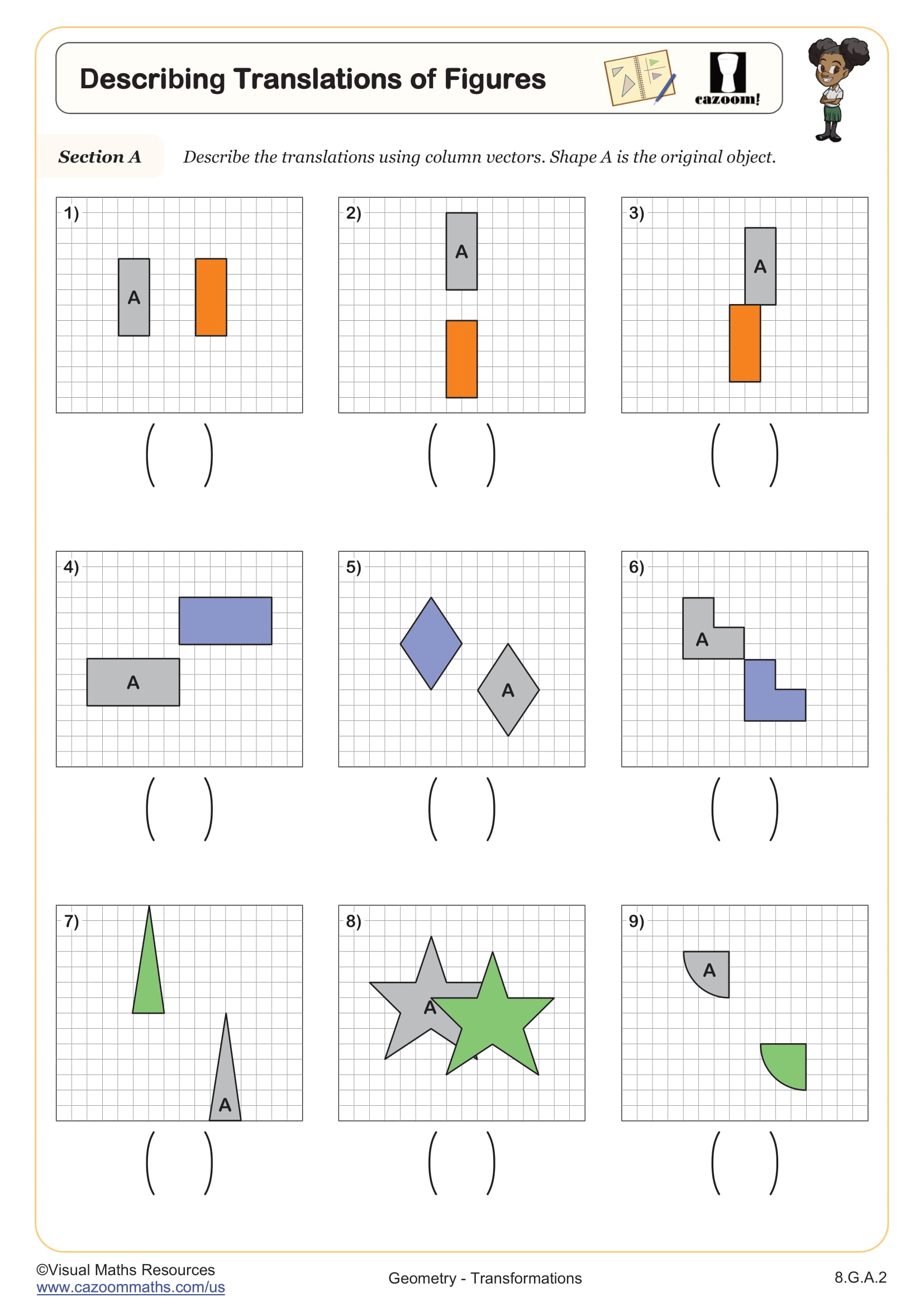
Describing Translations of Figures
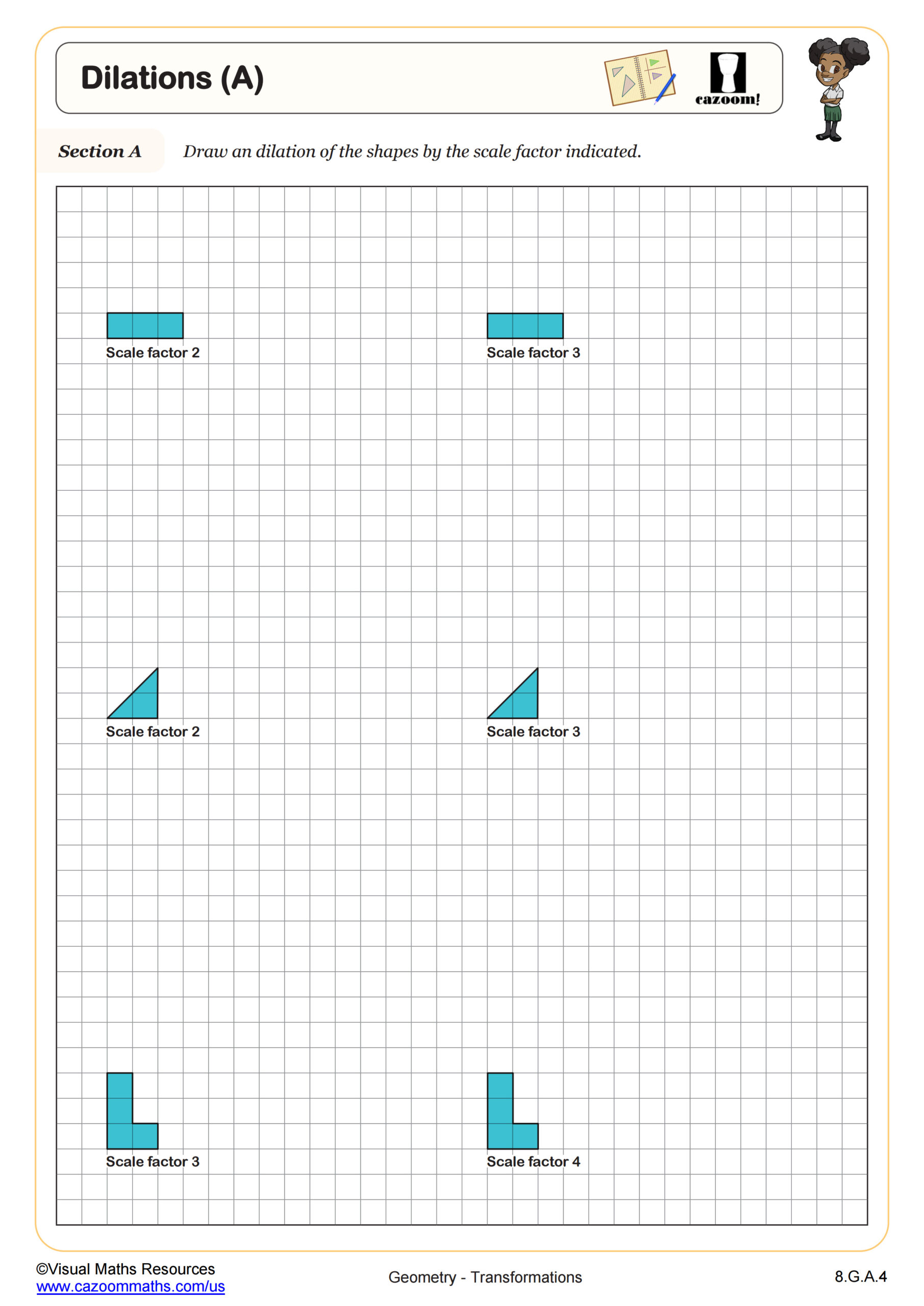
Dilations (A)
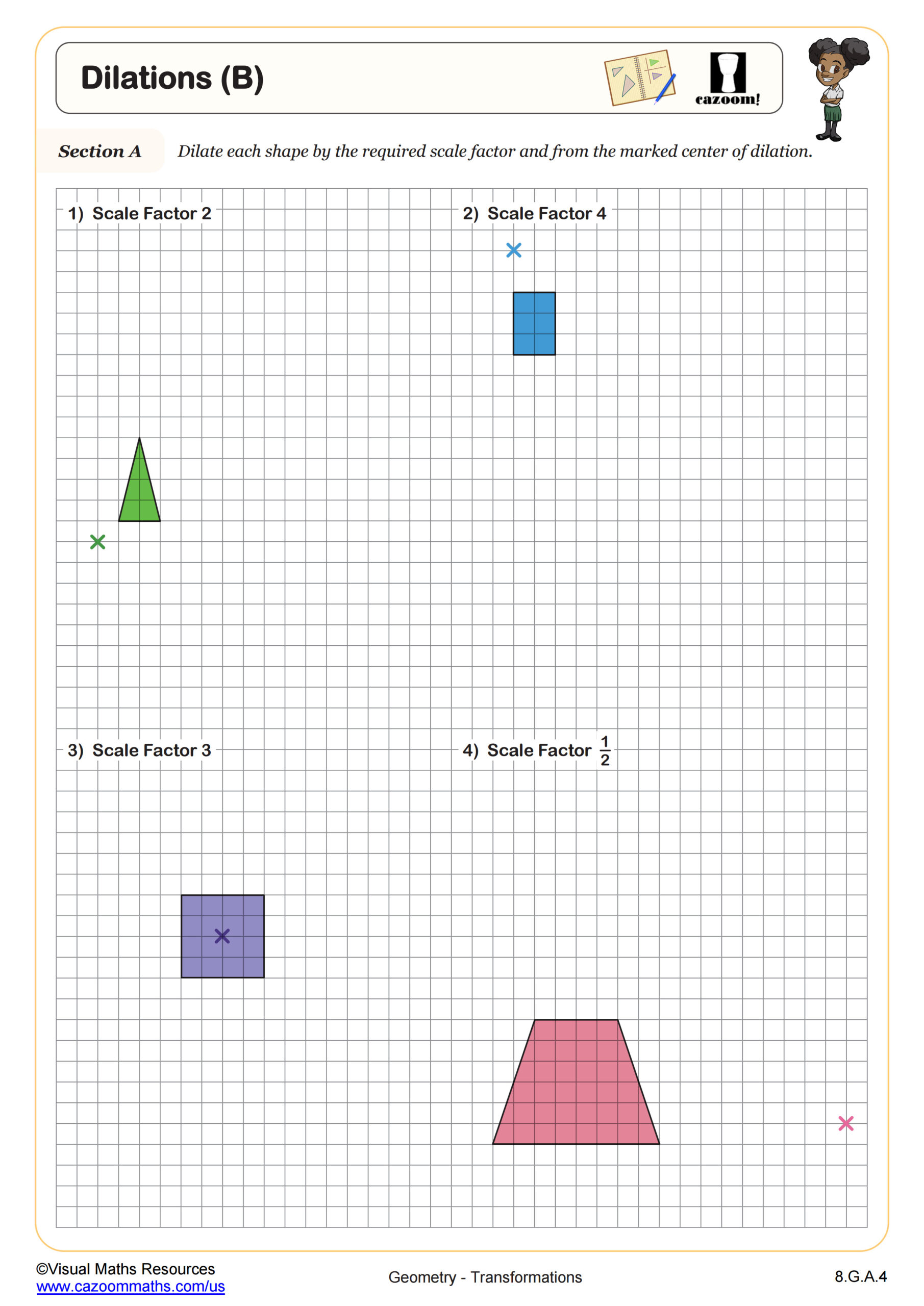
Dilations (B)
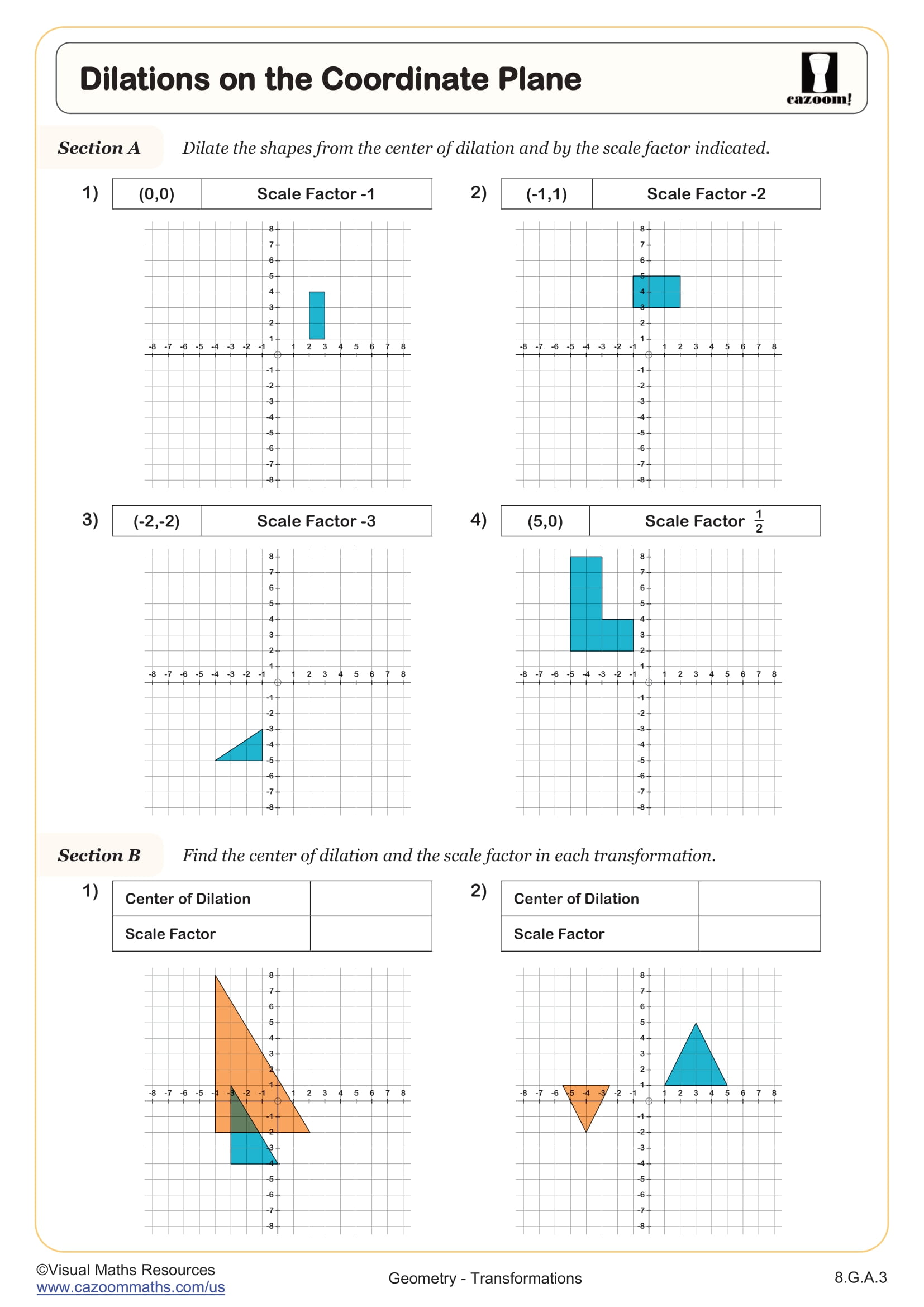
Dilations on the Coordinate Plane
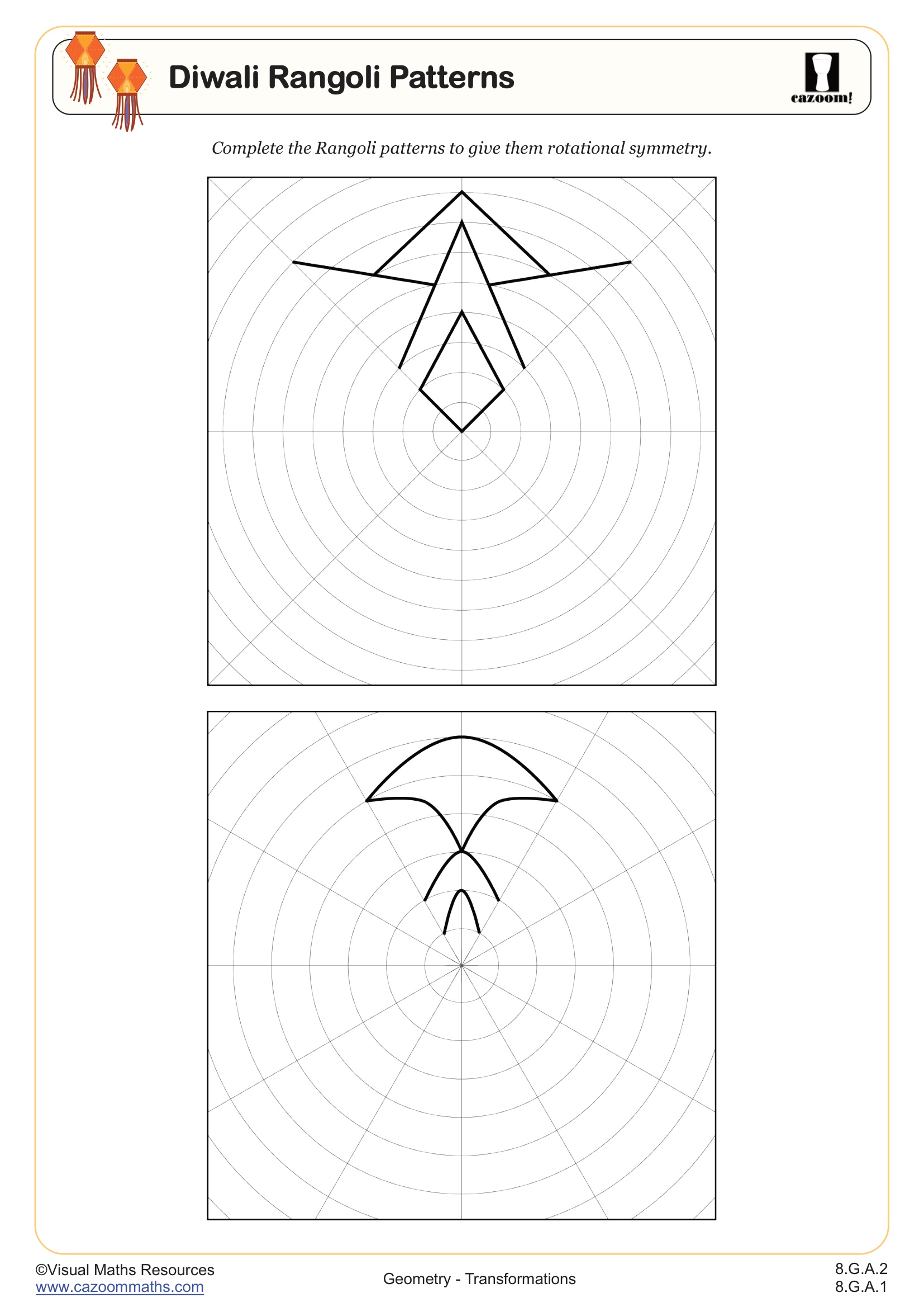
Diwali Rangoli Patterns
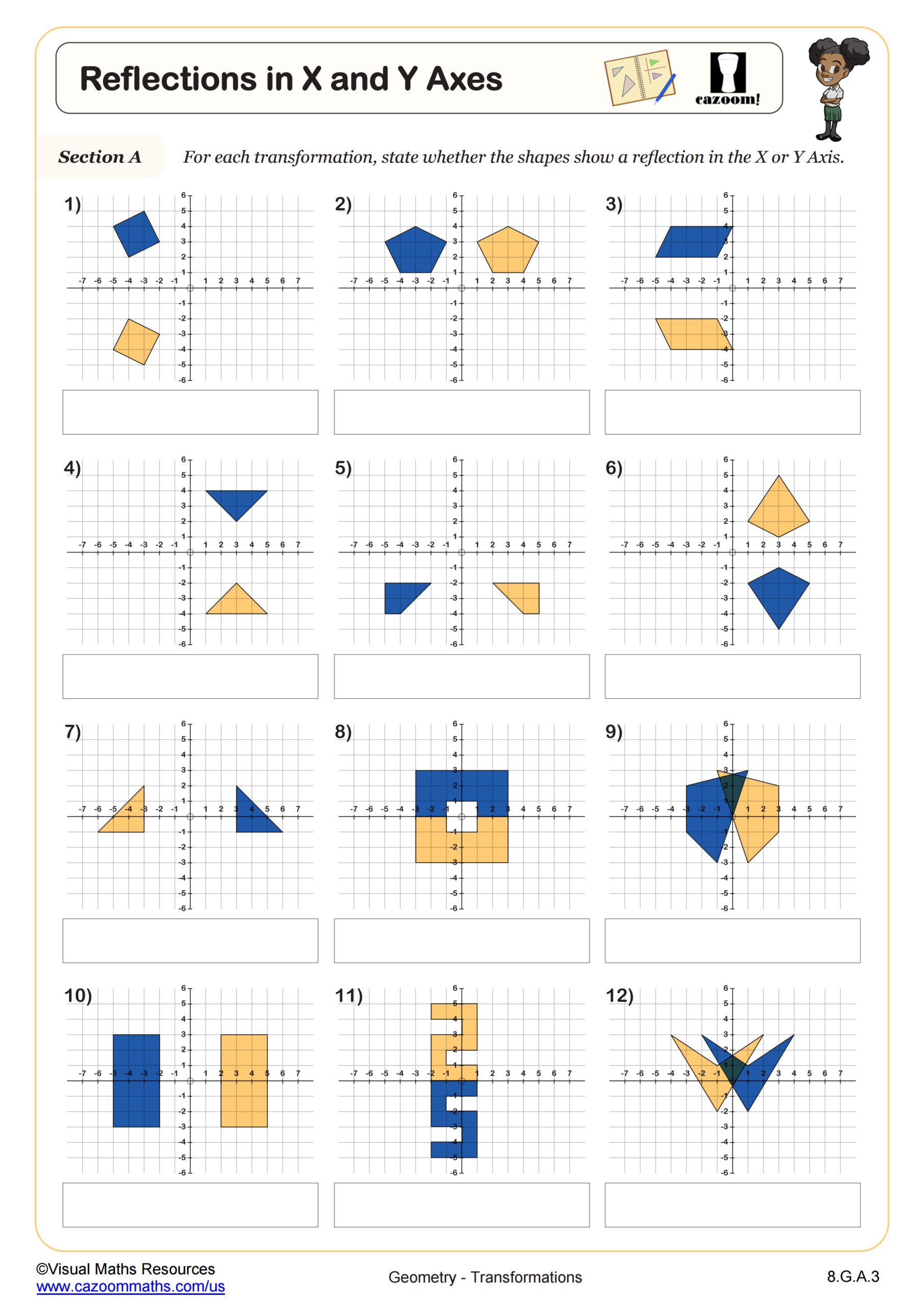
Reflection in X and Y Axes
Reflection Symmetry
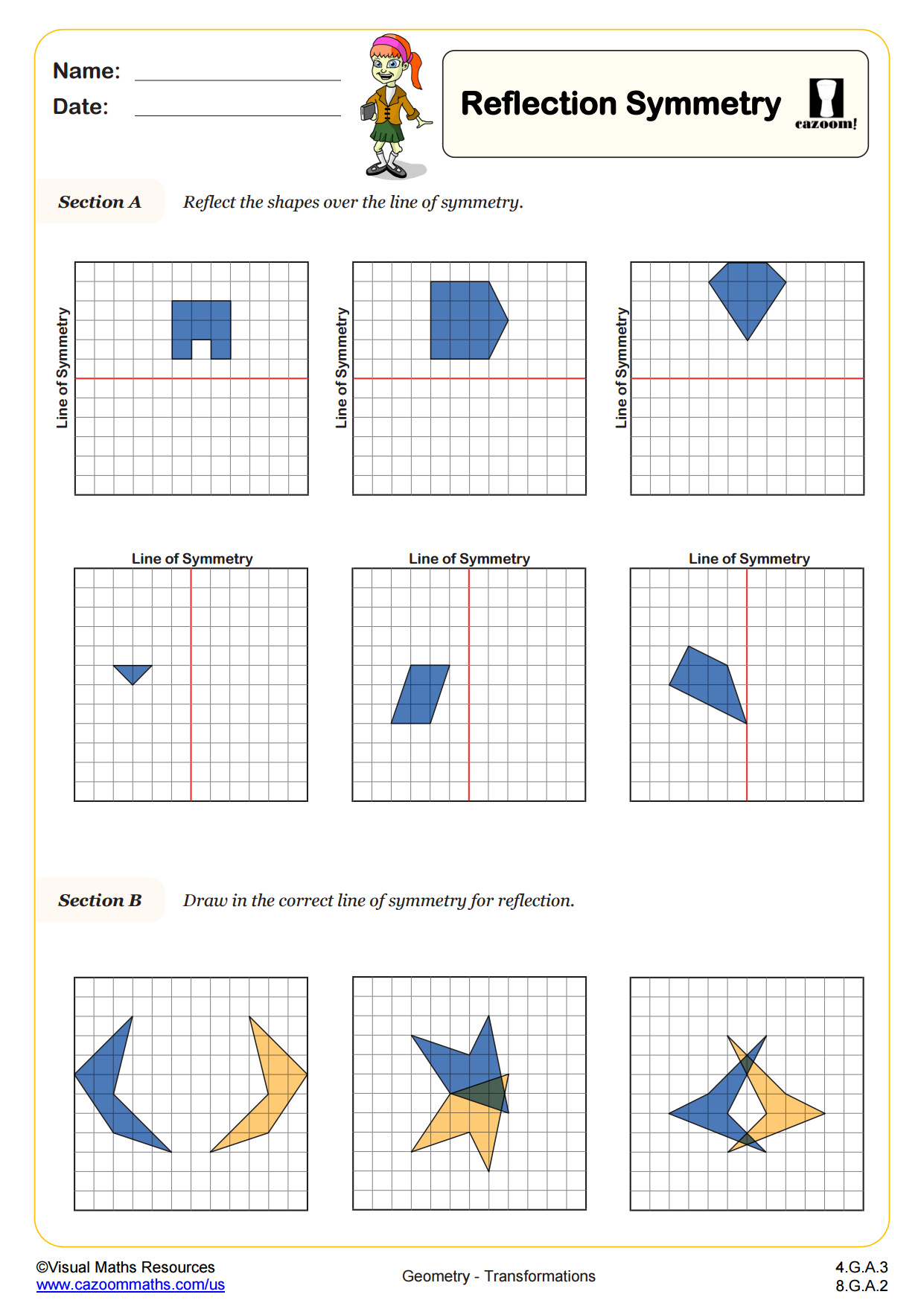
Reflection Symmetry
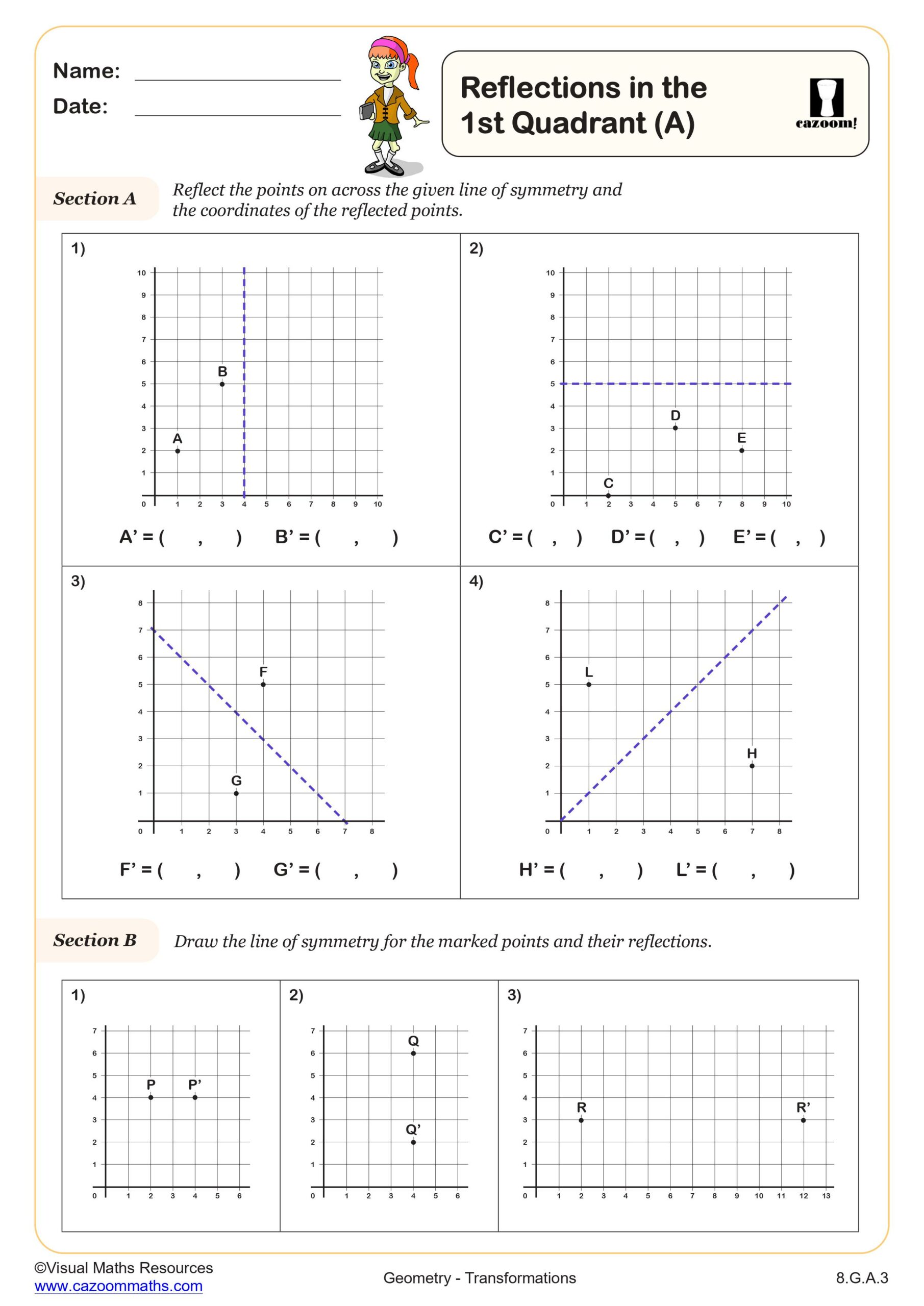
Reflections in the 1st Quadrant (A)
Reflections in the 1st Quadrant (B)
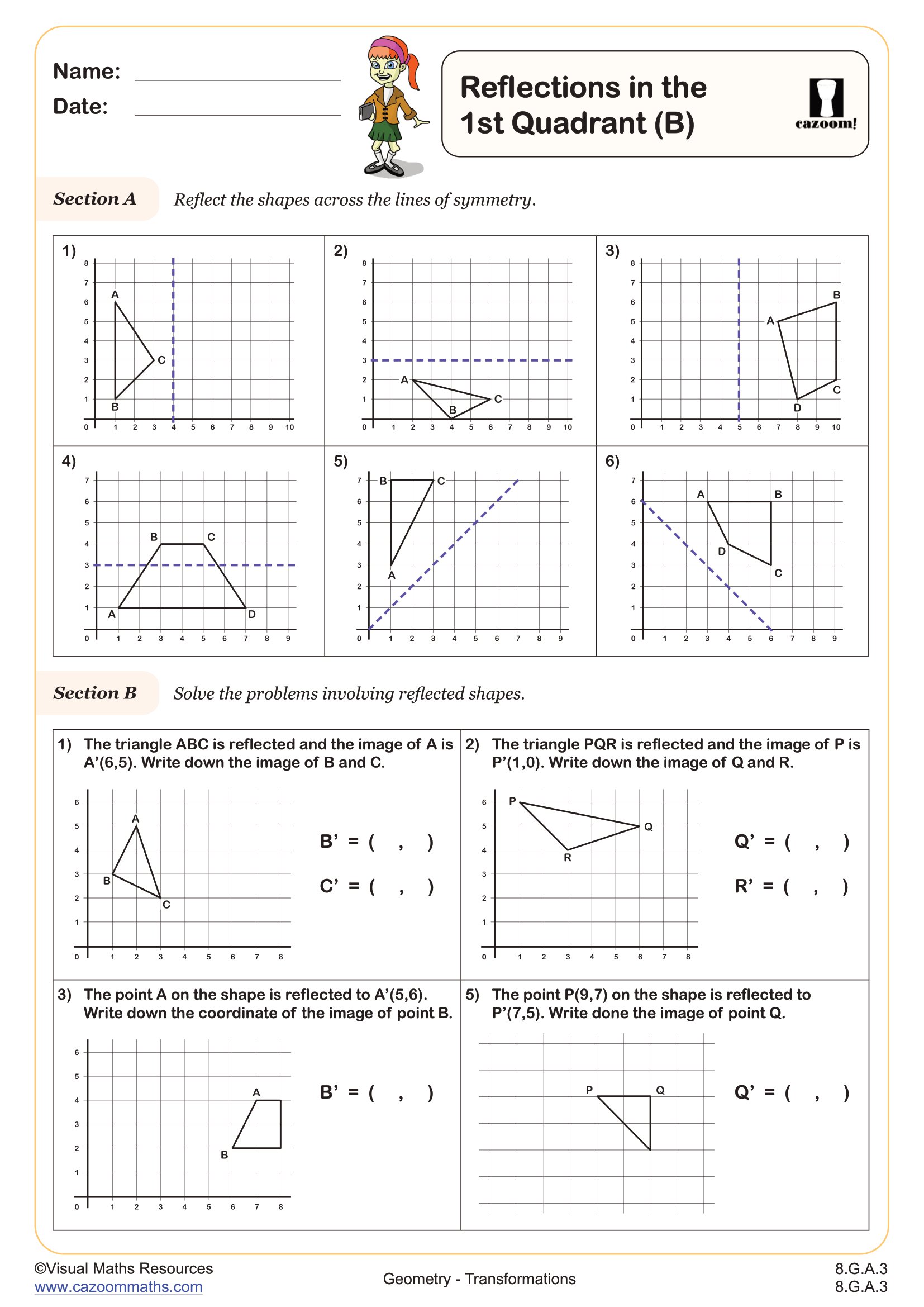
Rotating Shapes
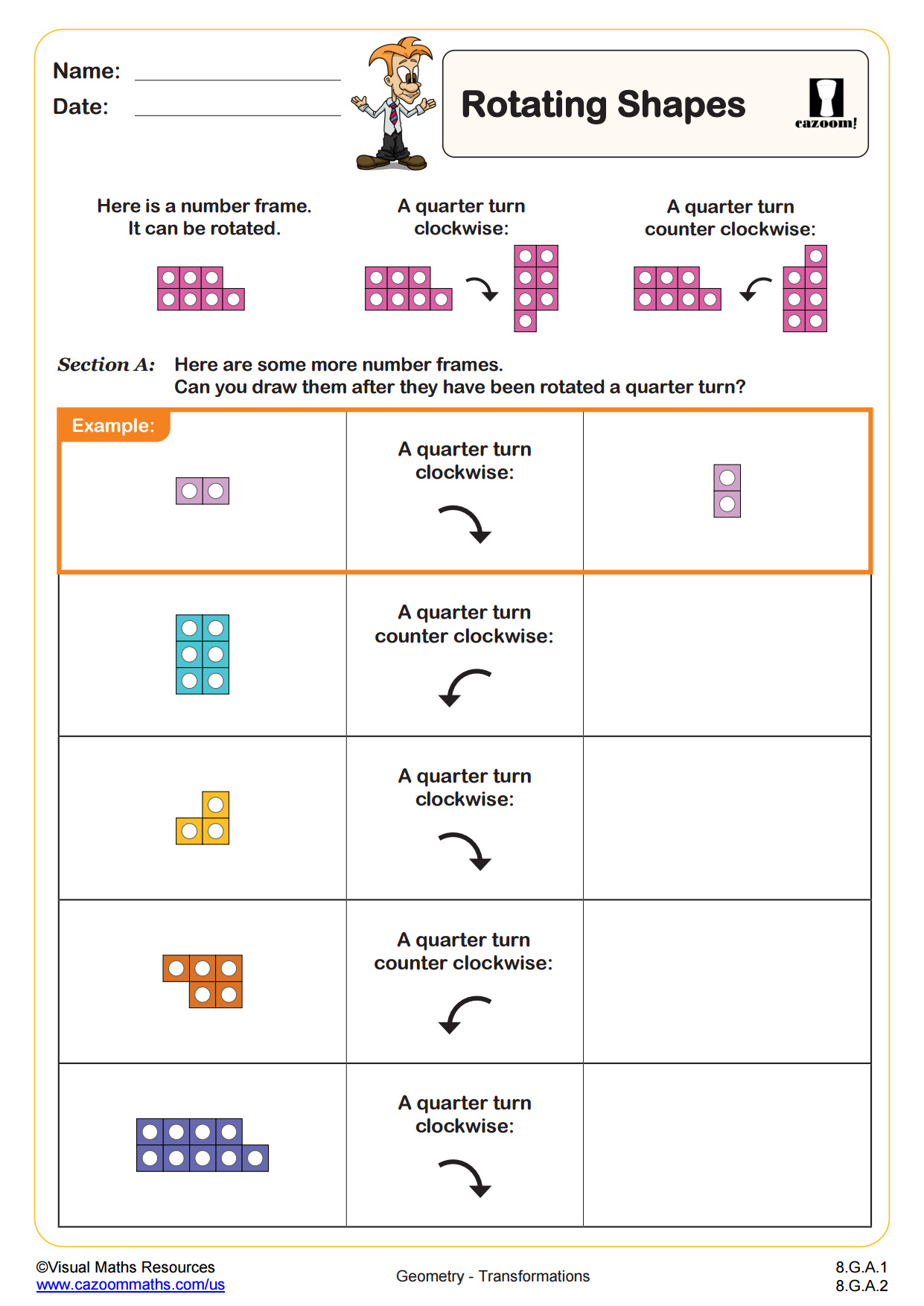
Rotation (B)
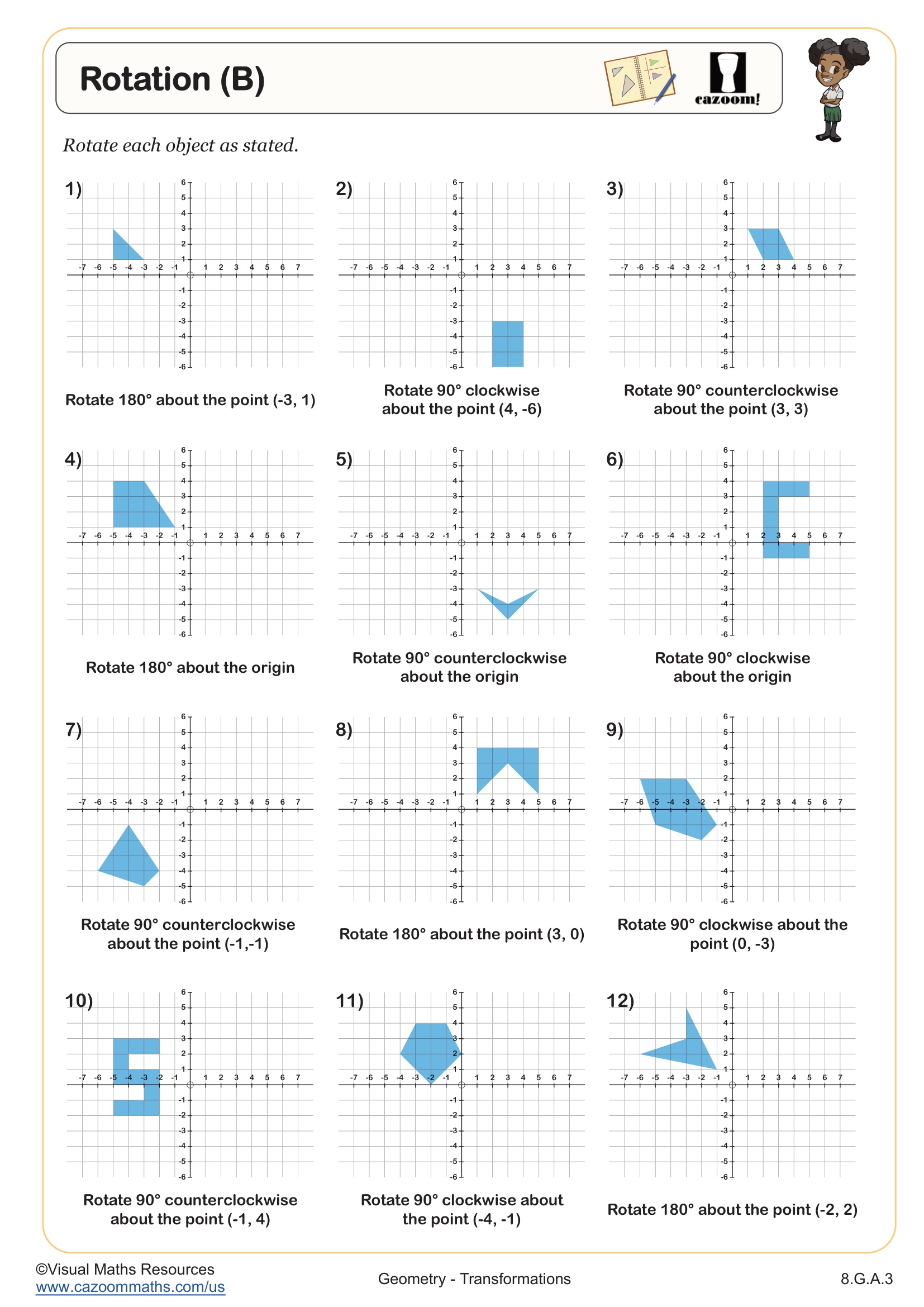
Rotation (C)
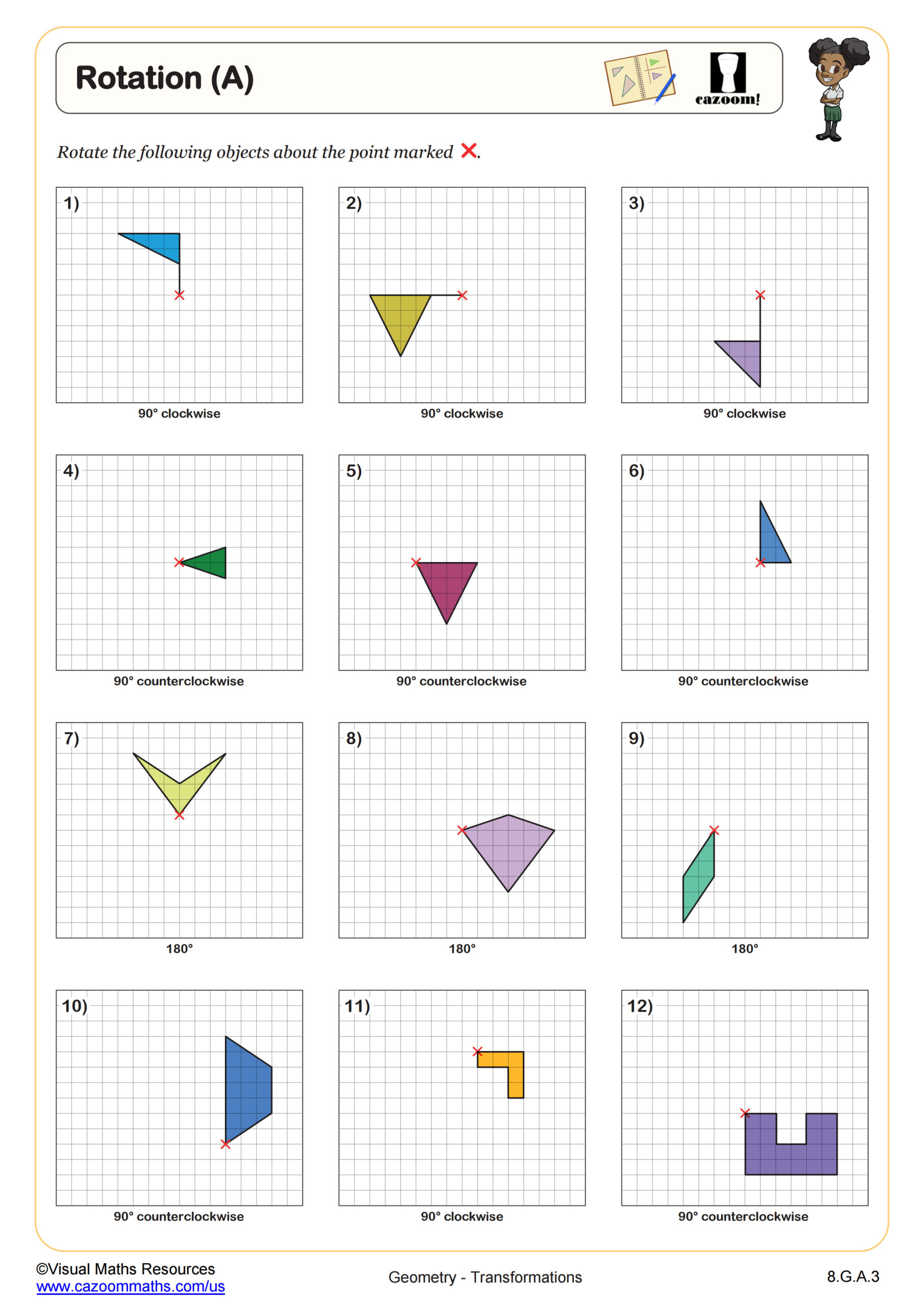
Rotations (A)
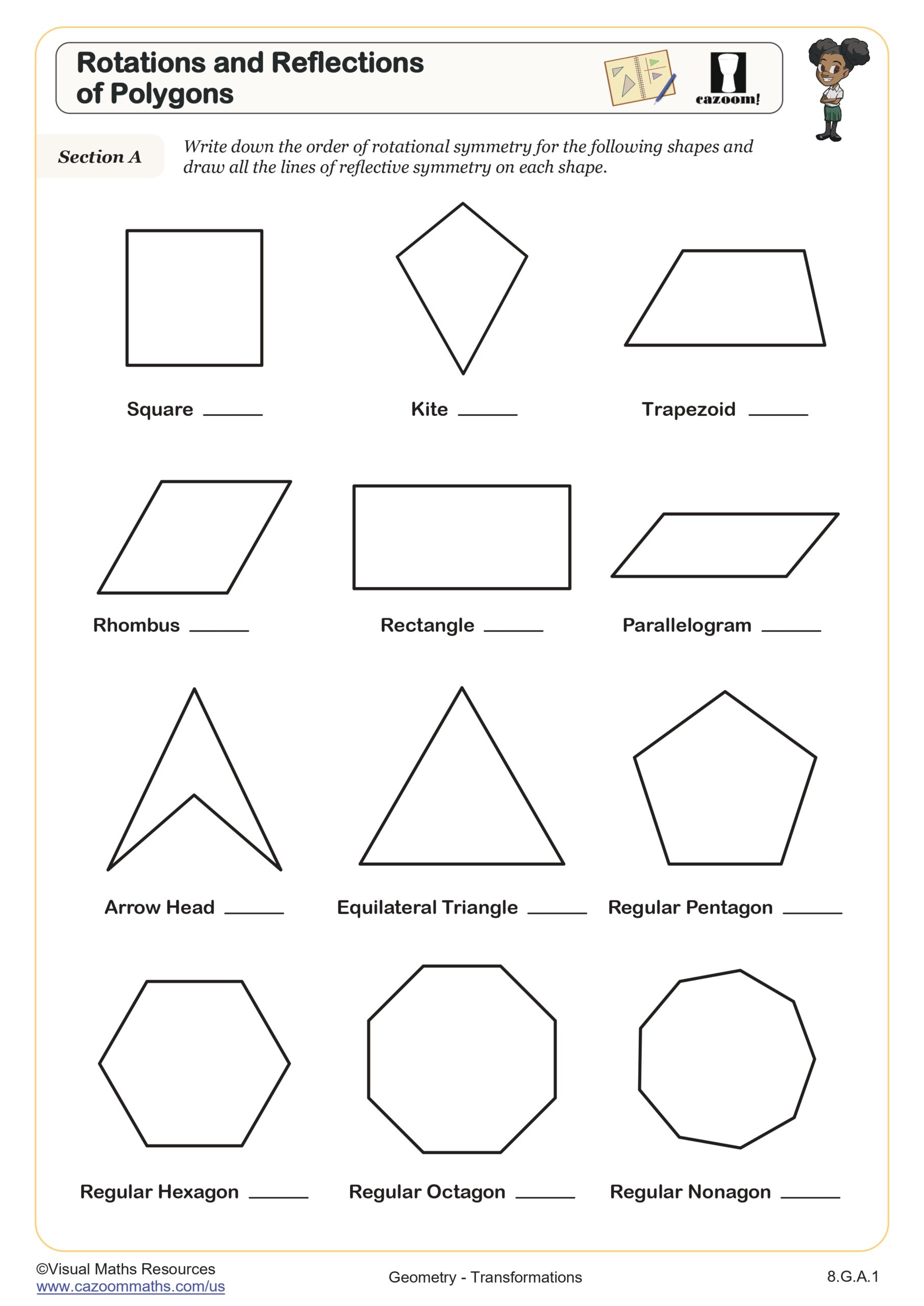
Rotations and Reflections of Polygons
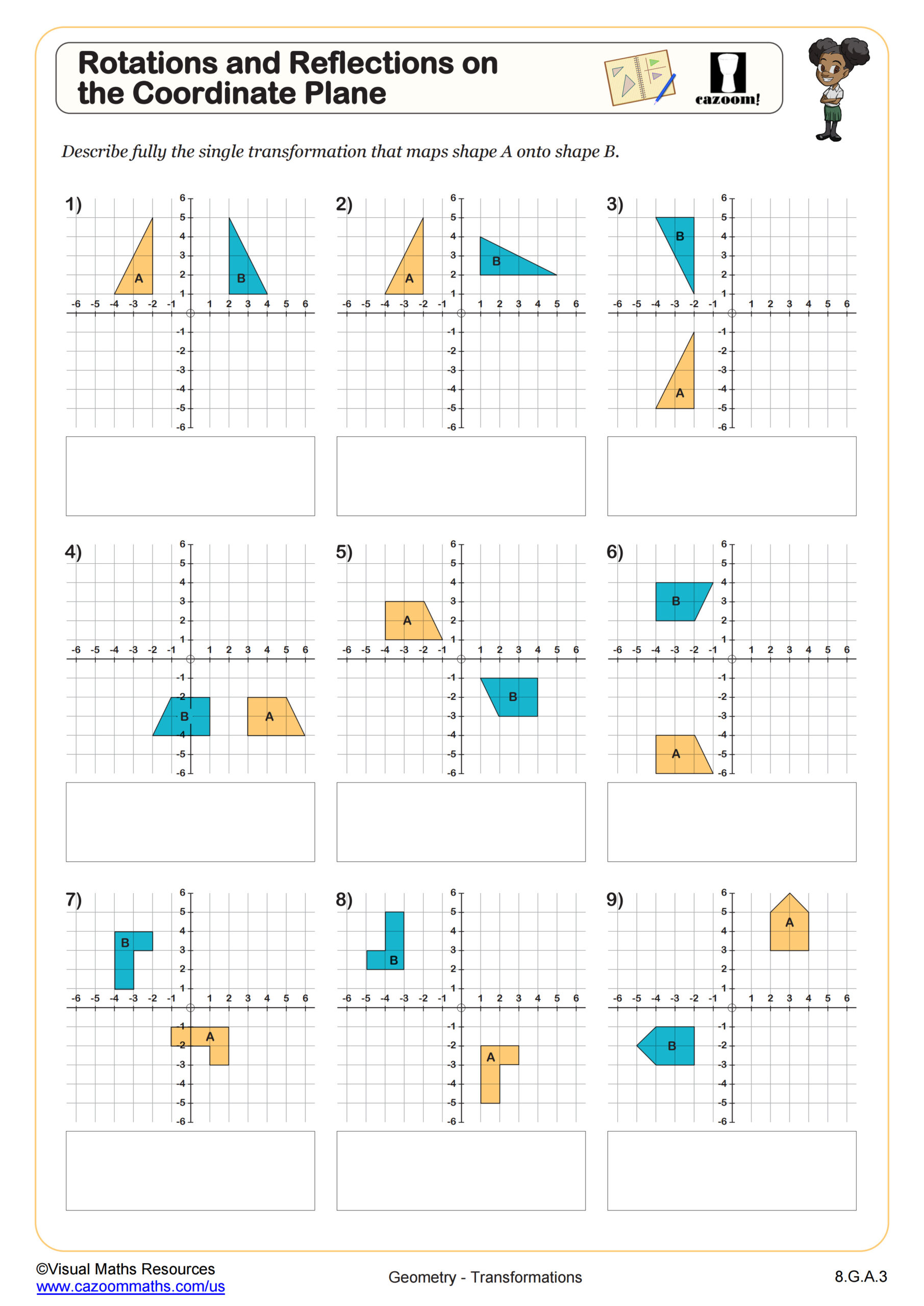
Rotations and Reflections on the Coordinate Plane
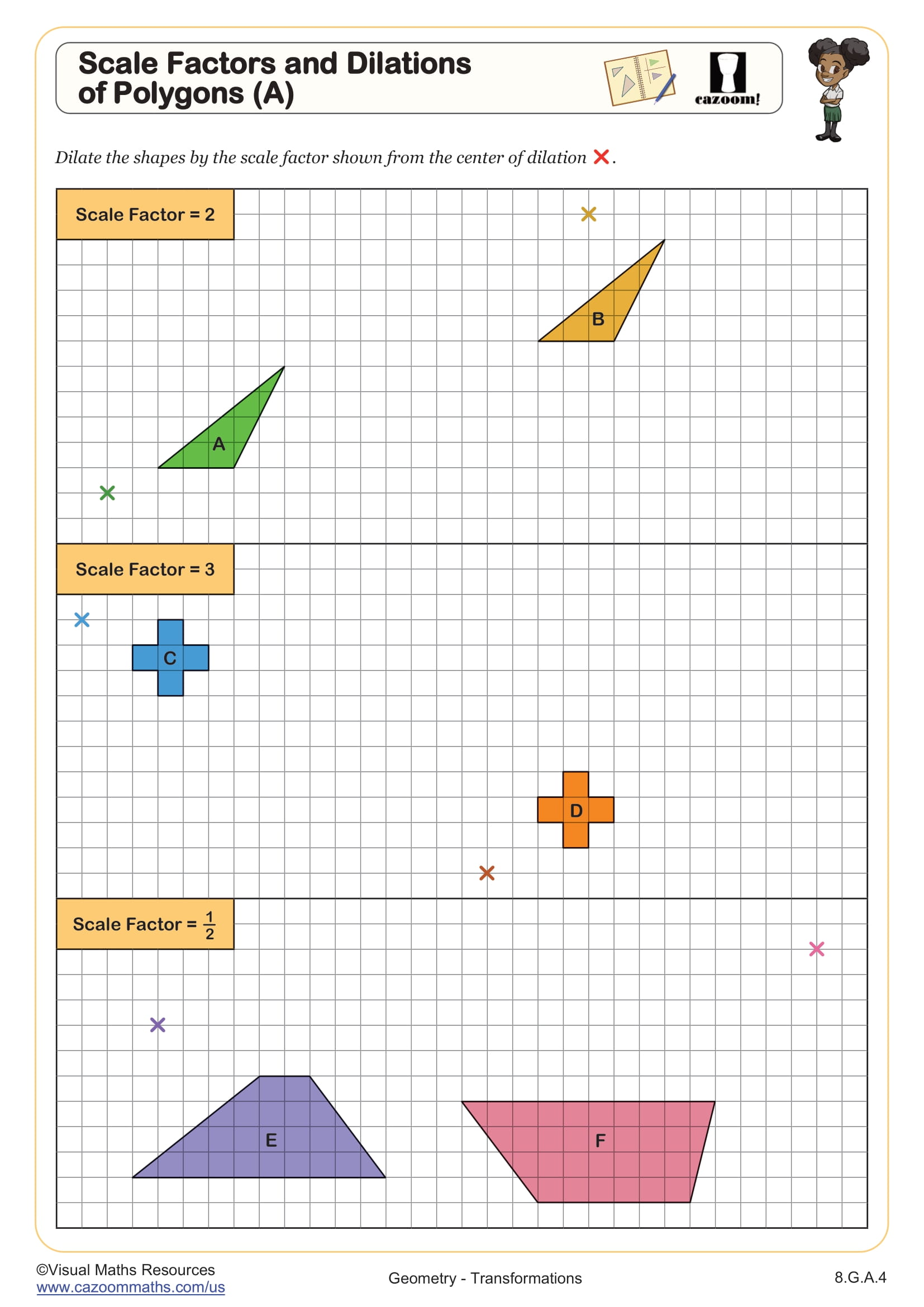
Scale Factors and Dilations of Polygons (A)
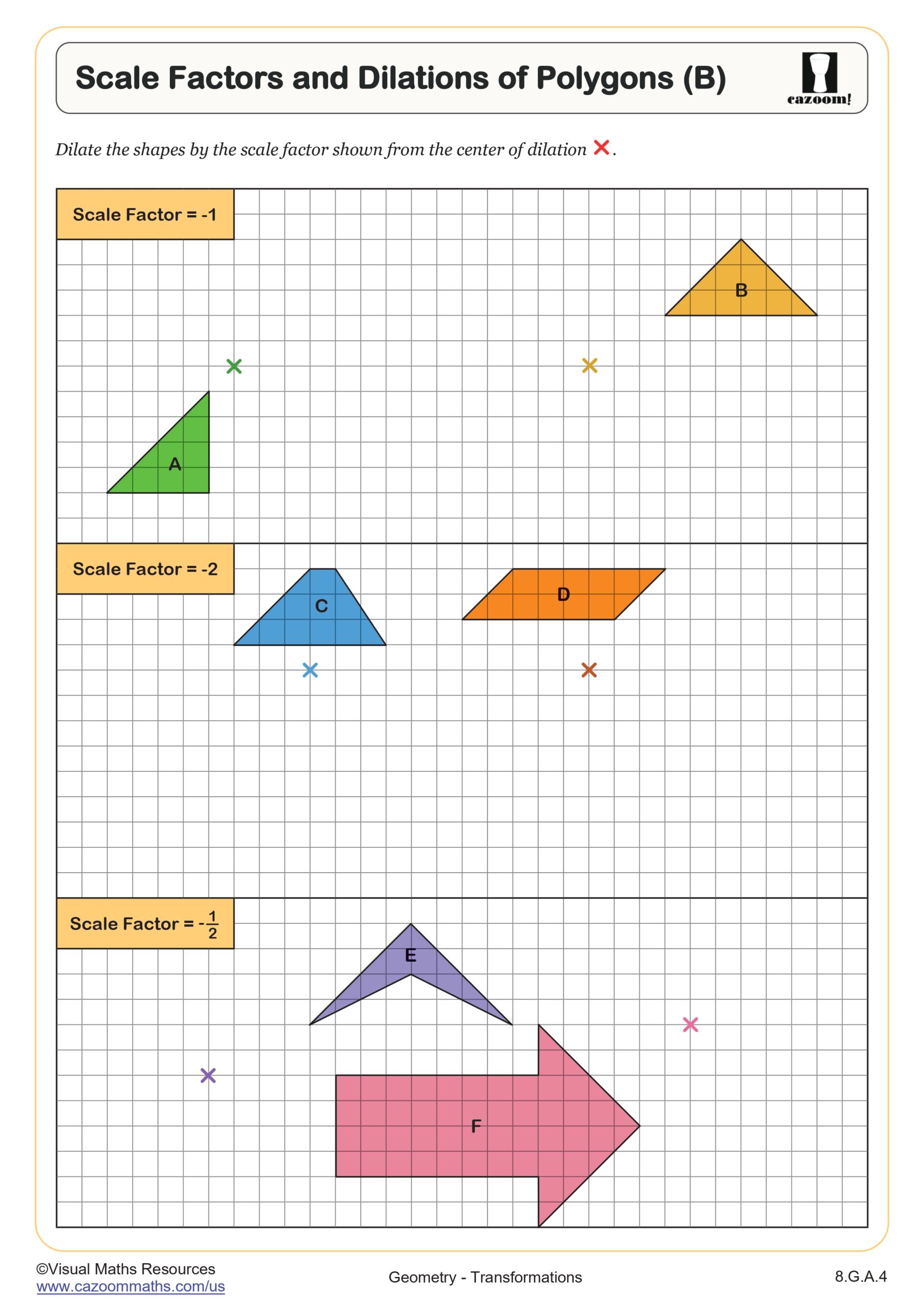
Scale Factors and Dilations of Polygons (B)
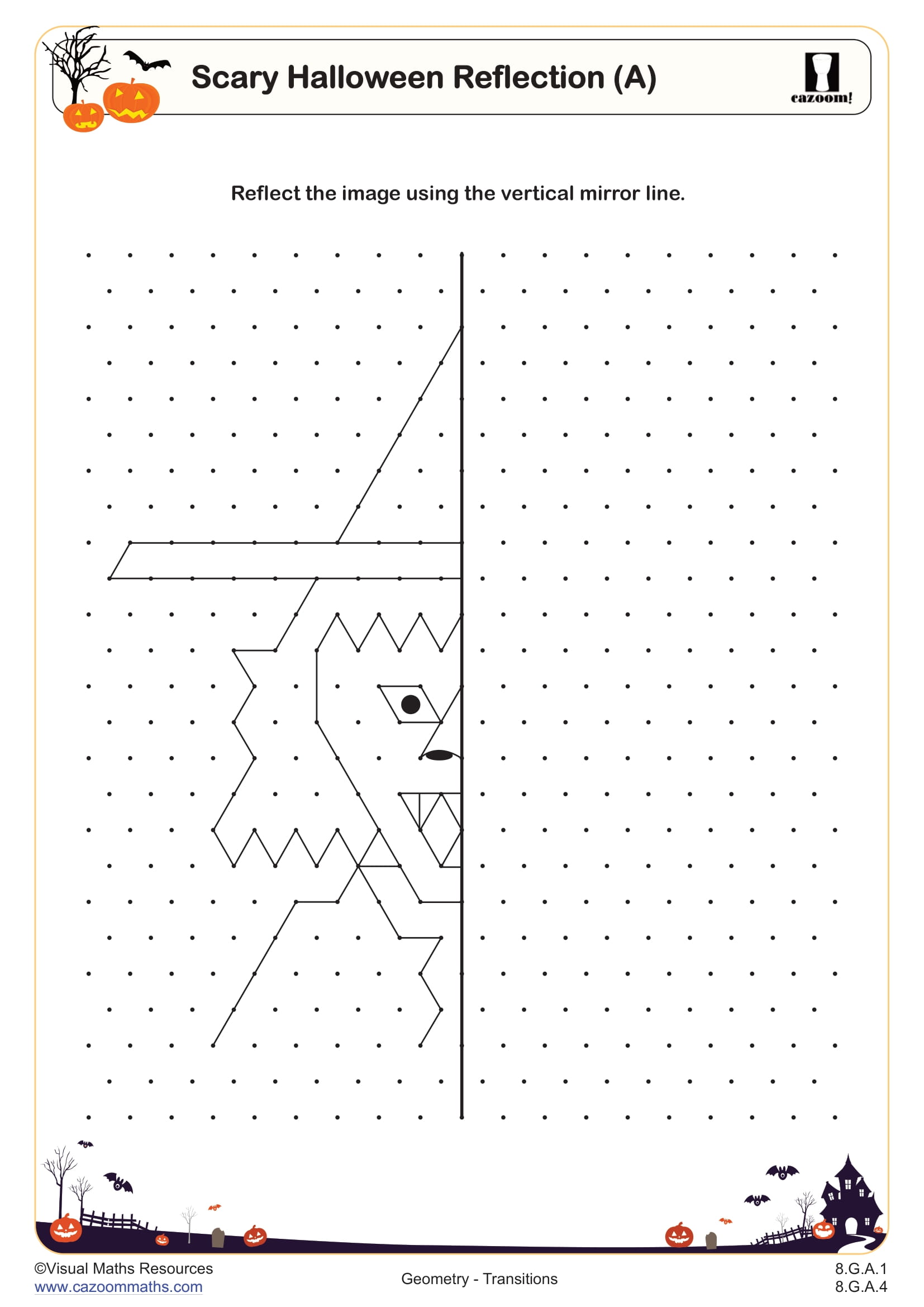
Scary Halloween Reflection (A)
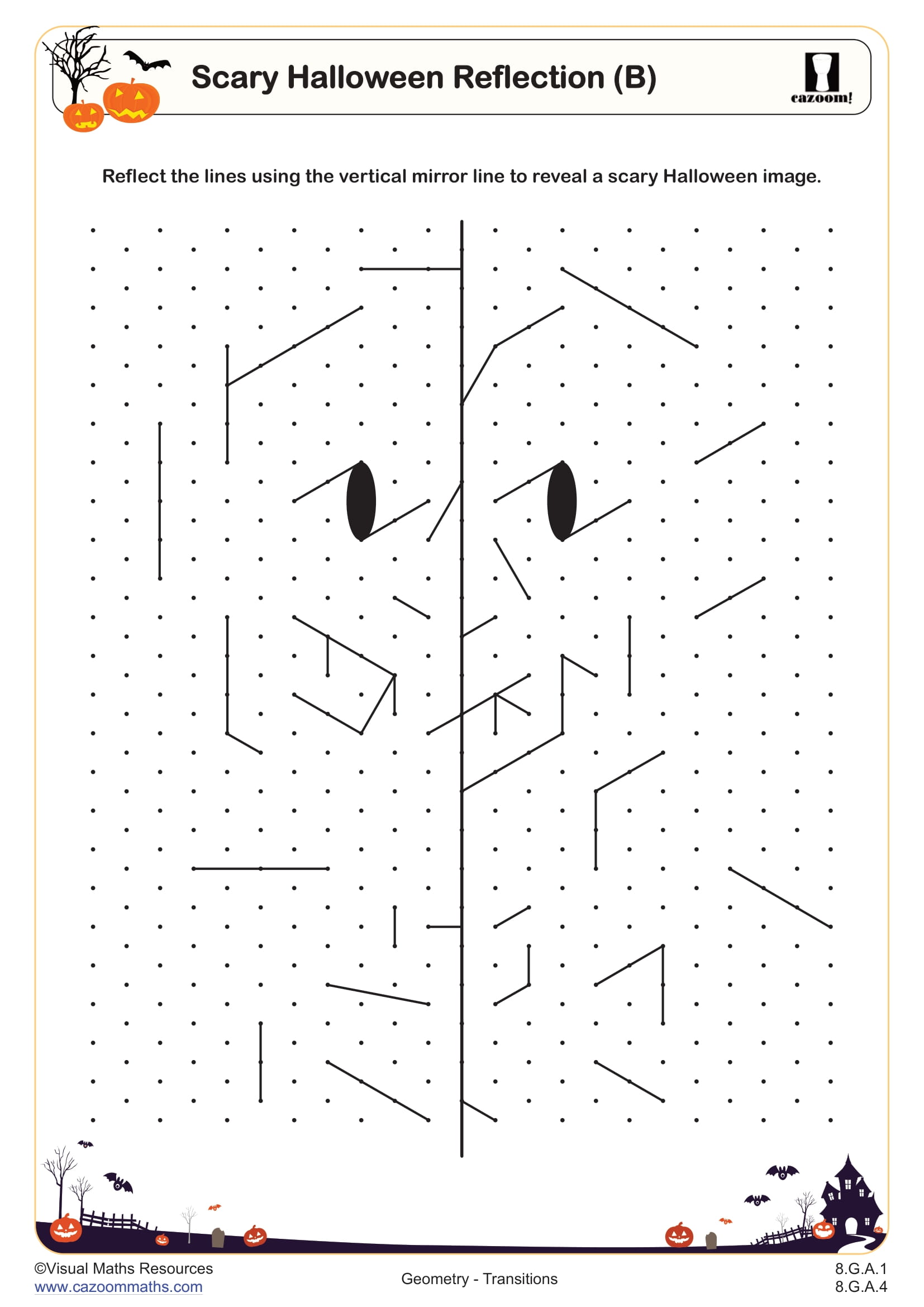
Scary Halloween Reflection (B)
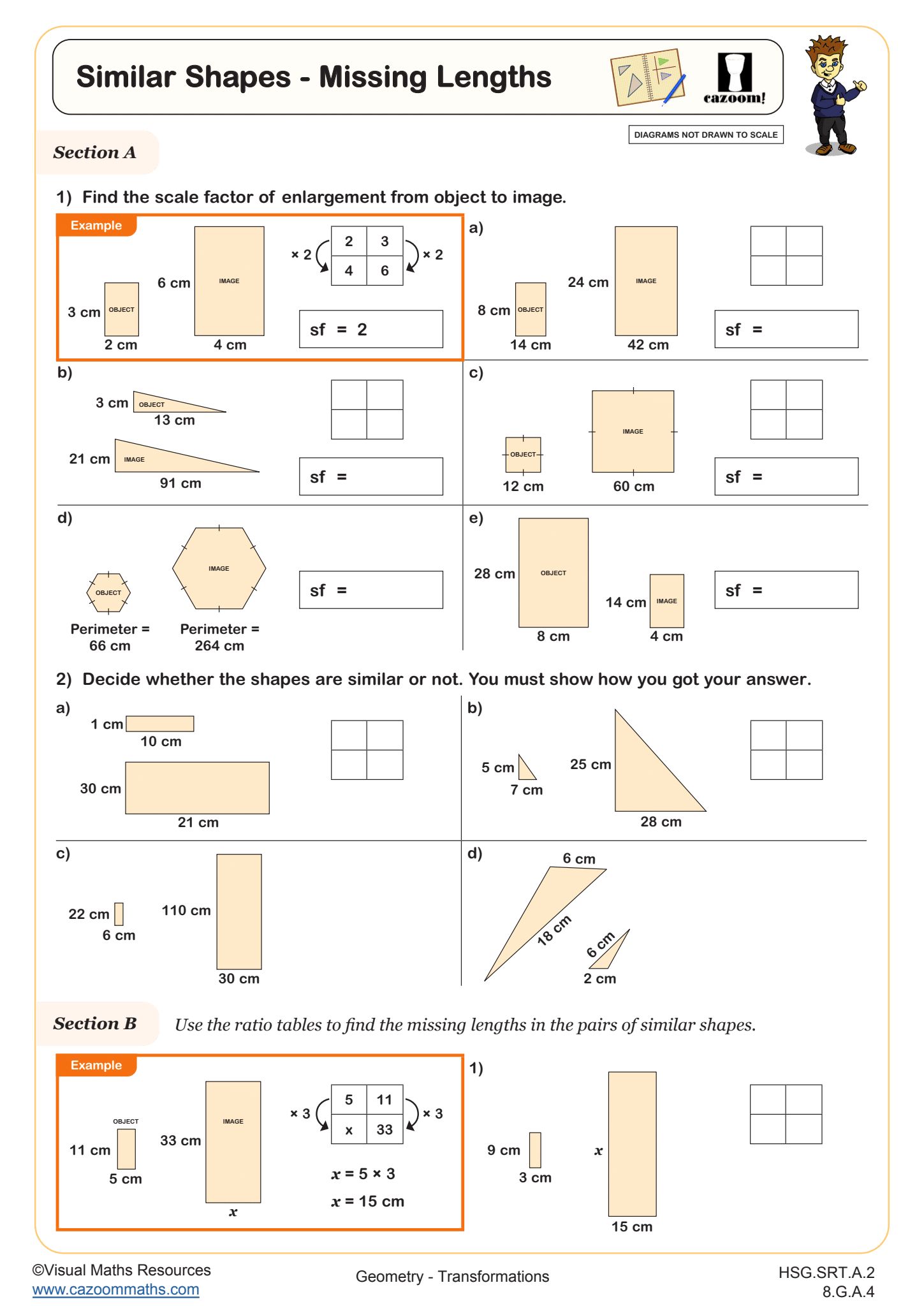
Similar Shapes - Missing Lengths
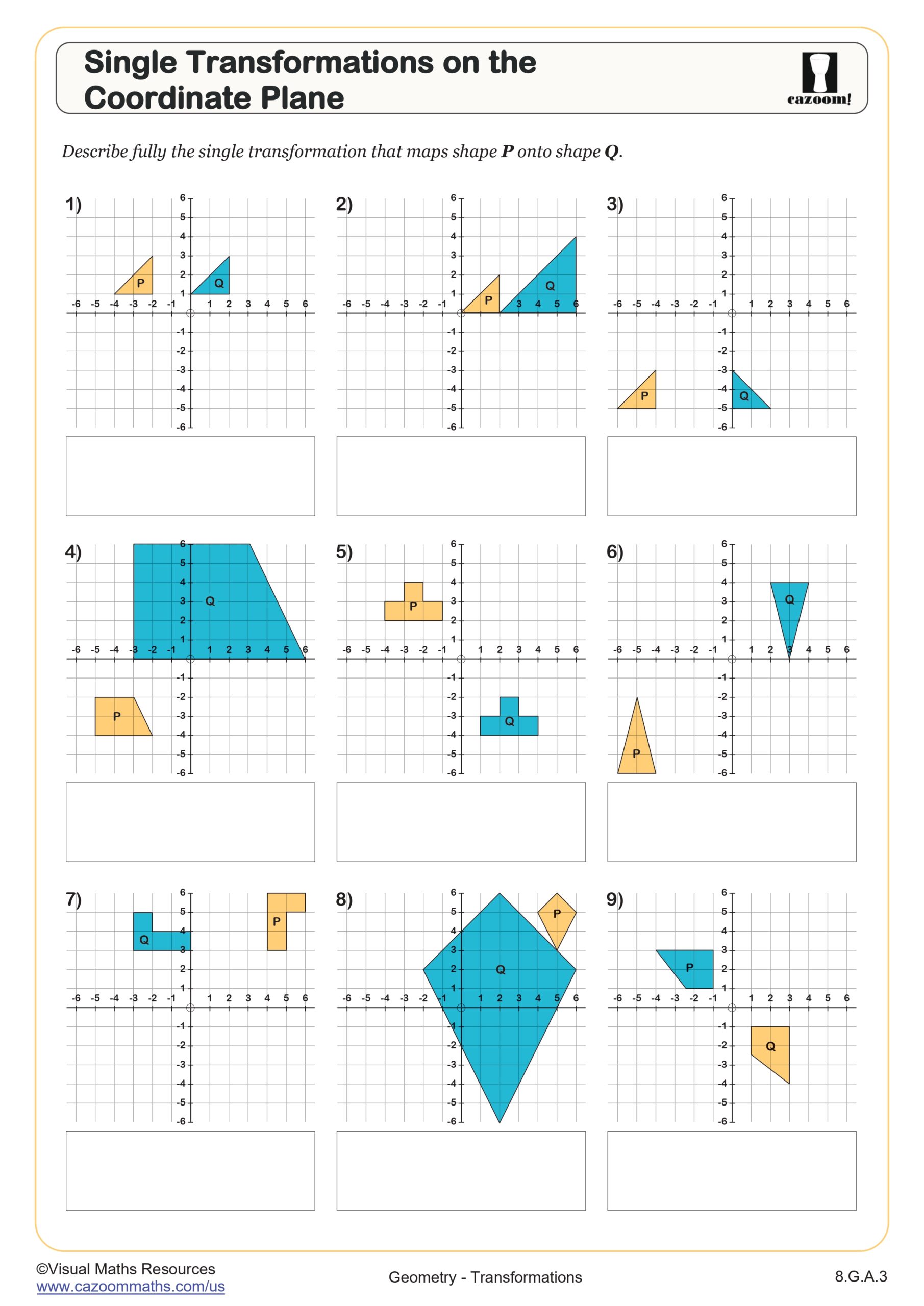
Single Transformations on the Coordinate Plane
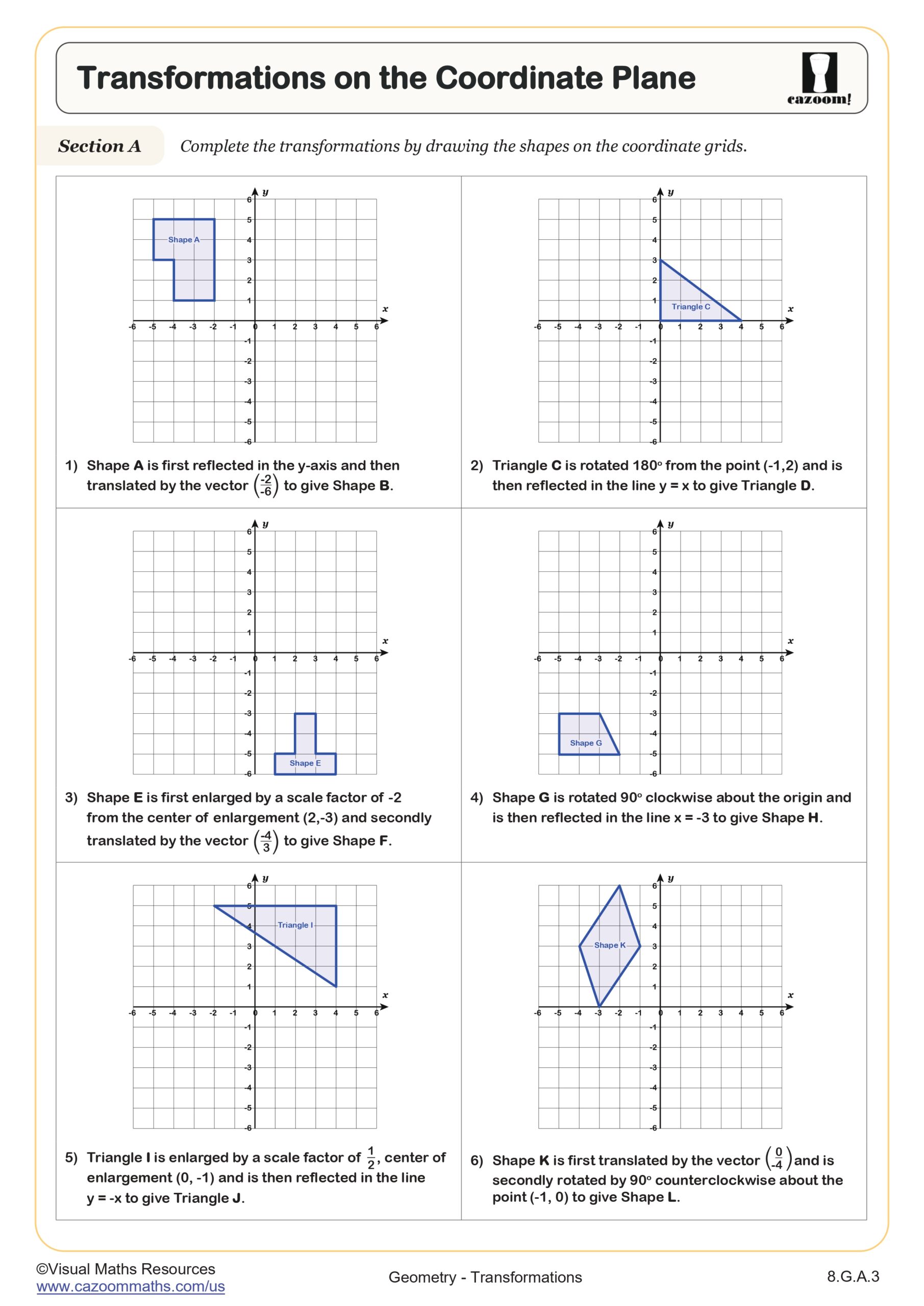
Transformations on the Coordinate Plane
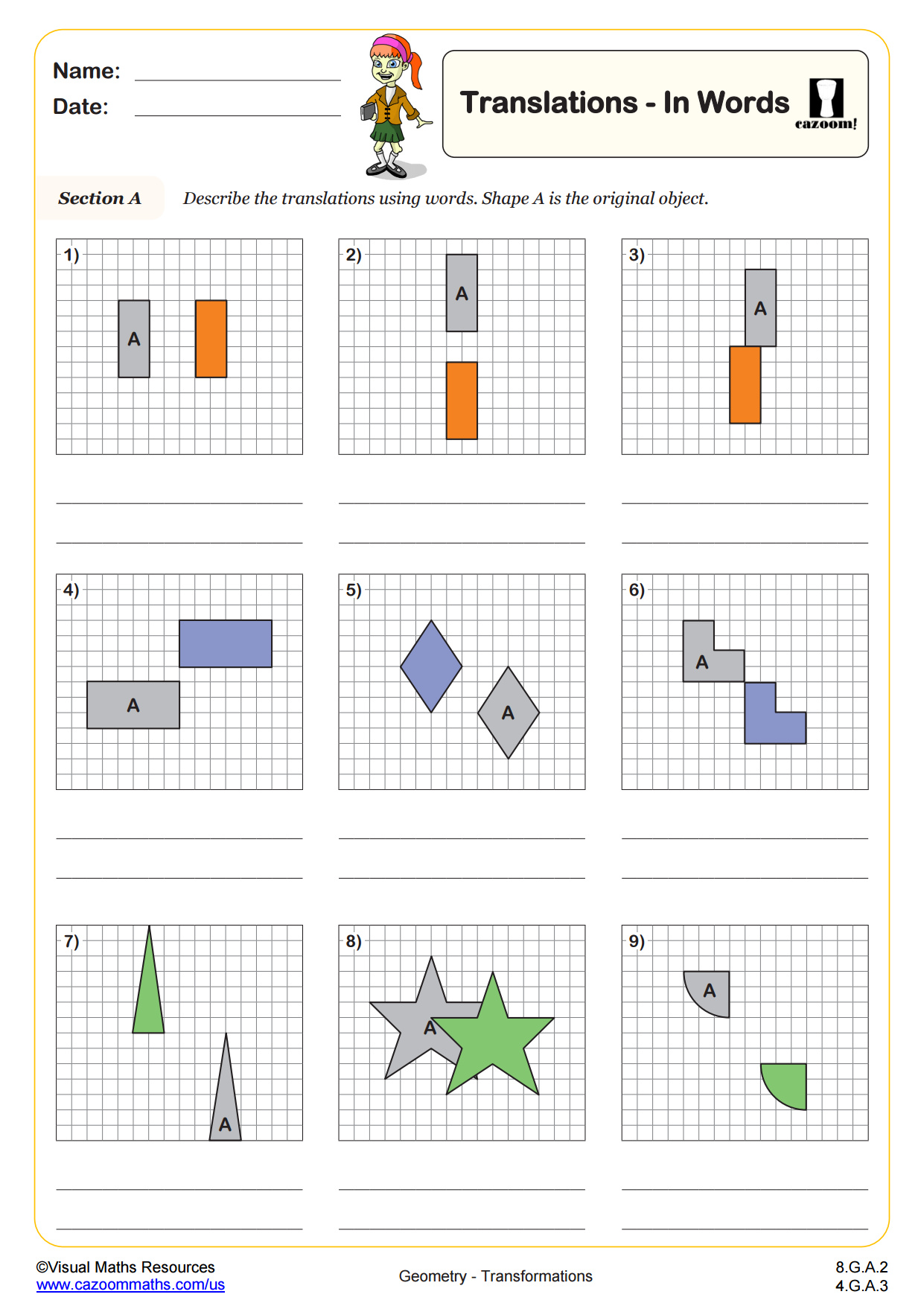
Translations - In Words
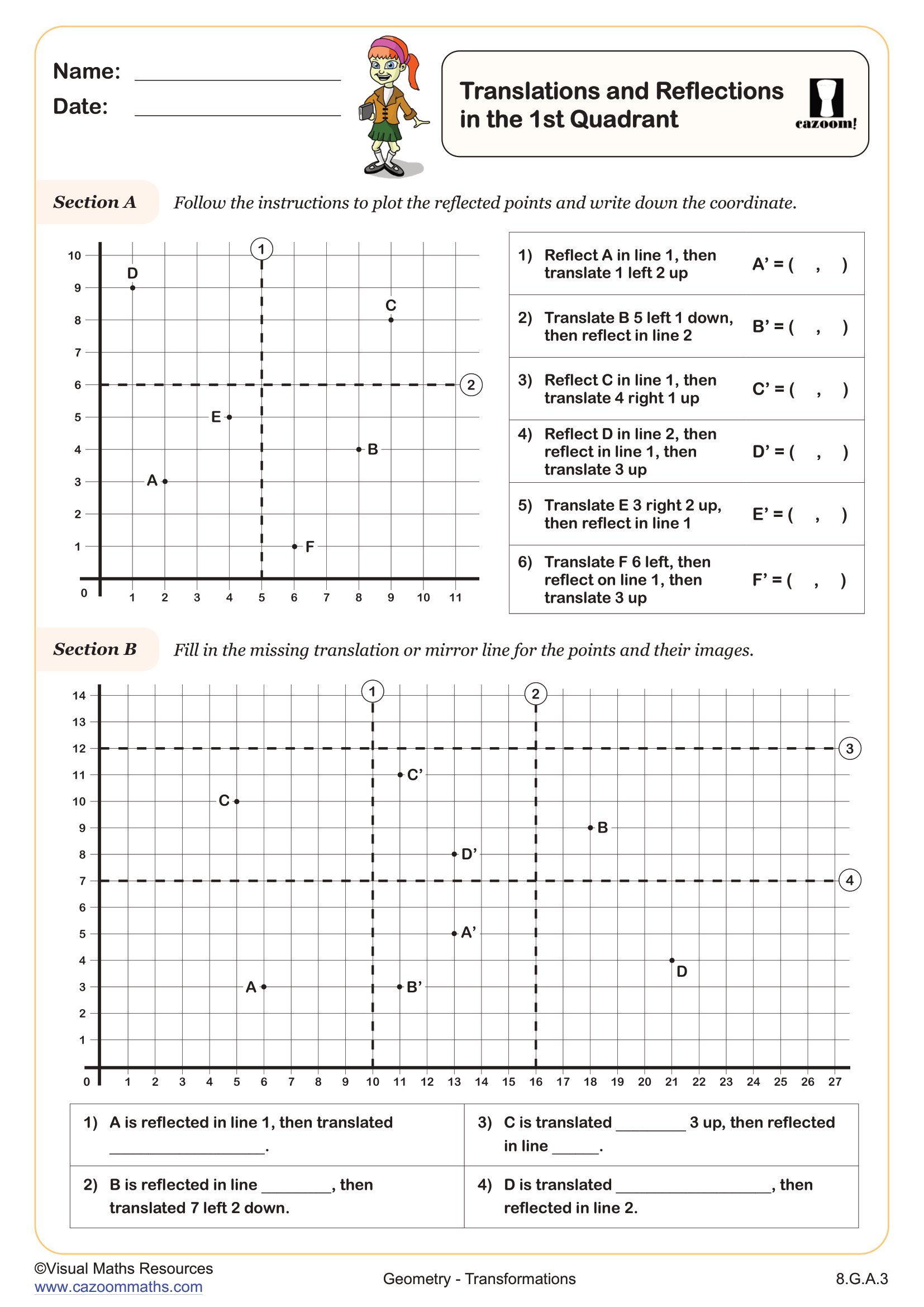
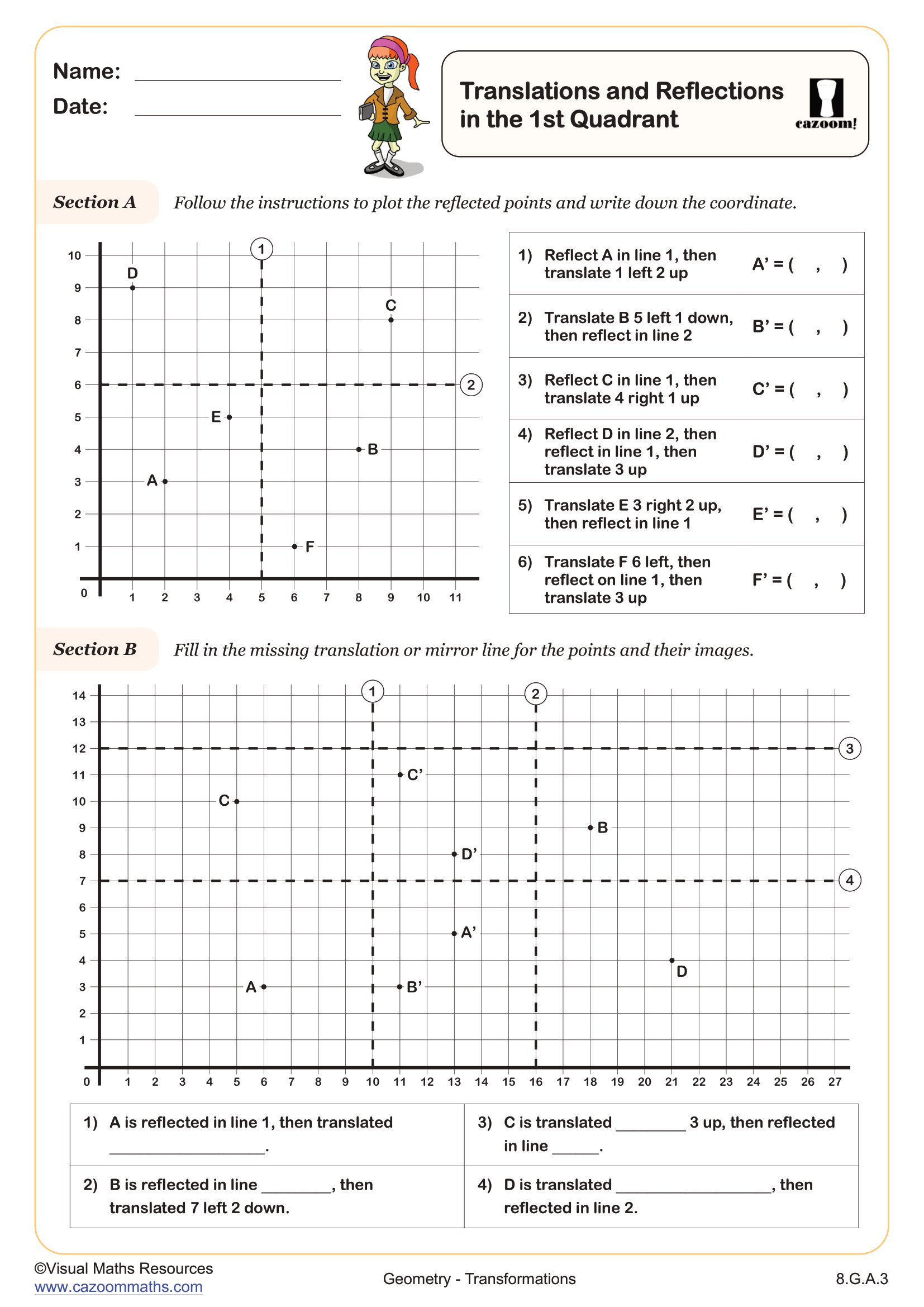
Translations and Reflections in the 1st Quadrant
Translations in the 1st Quadrant (A)
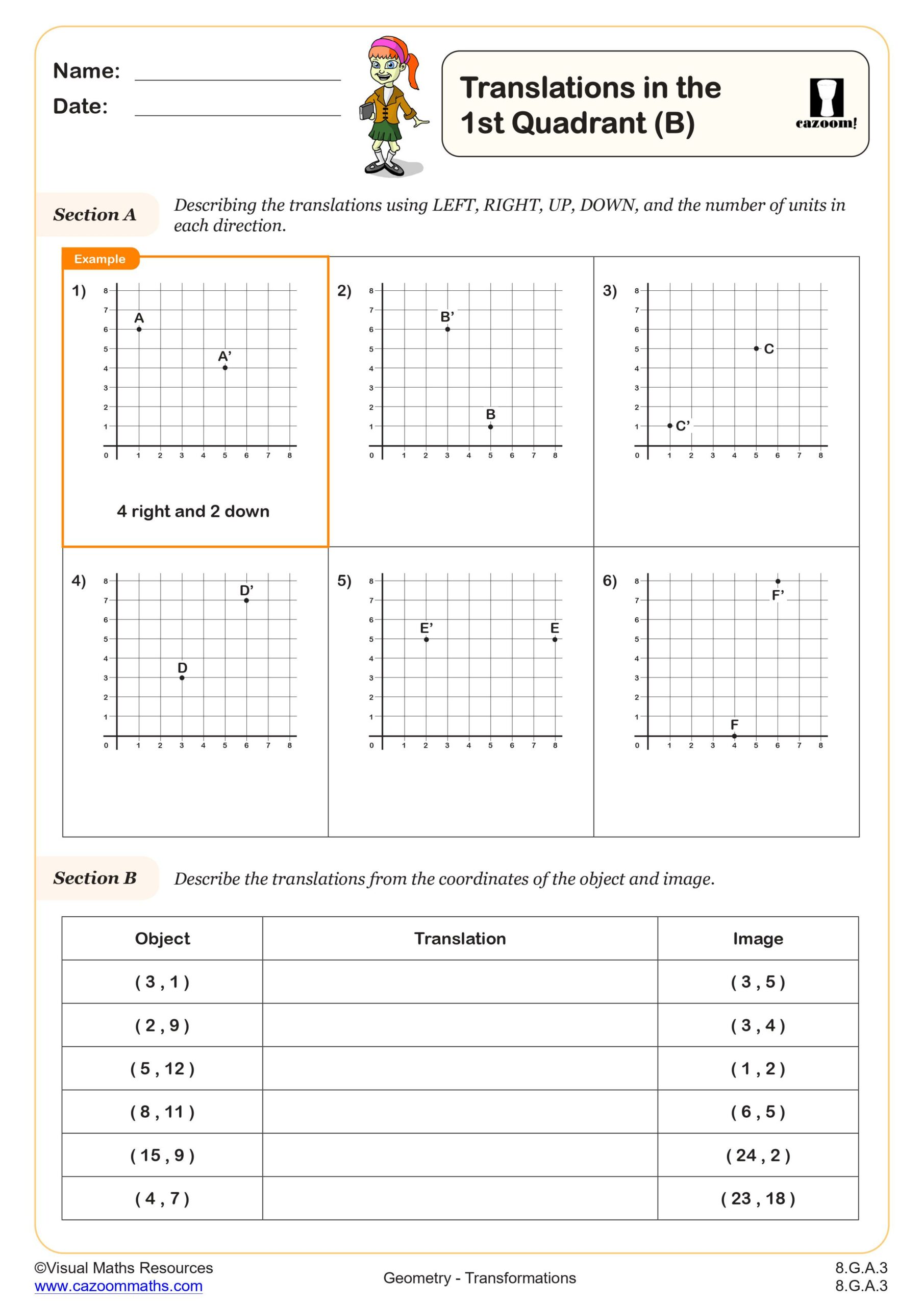
Translations in the 1st Quadrant (B)
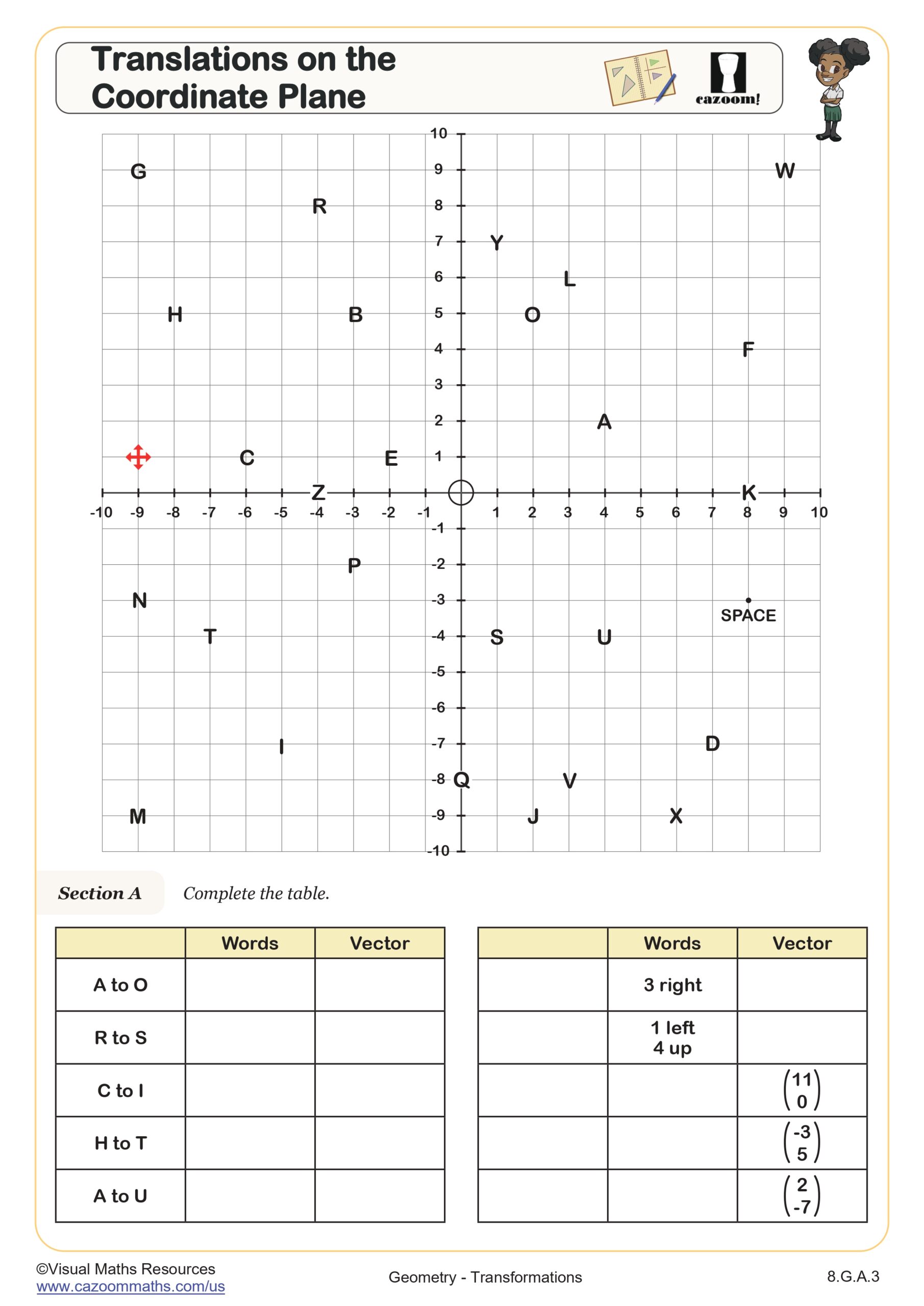
Translations on the Coordinate Plane
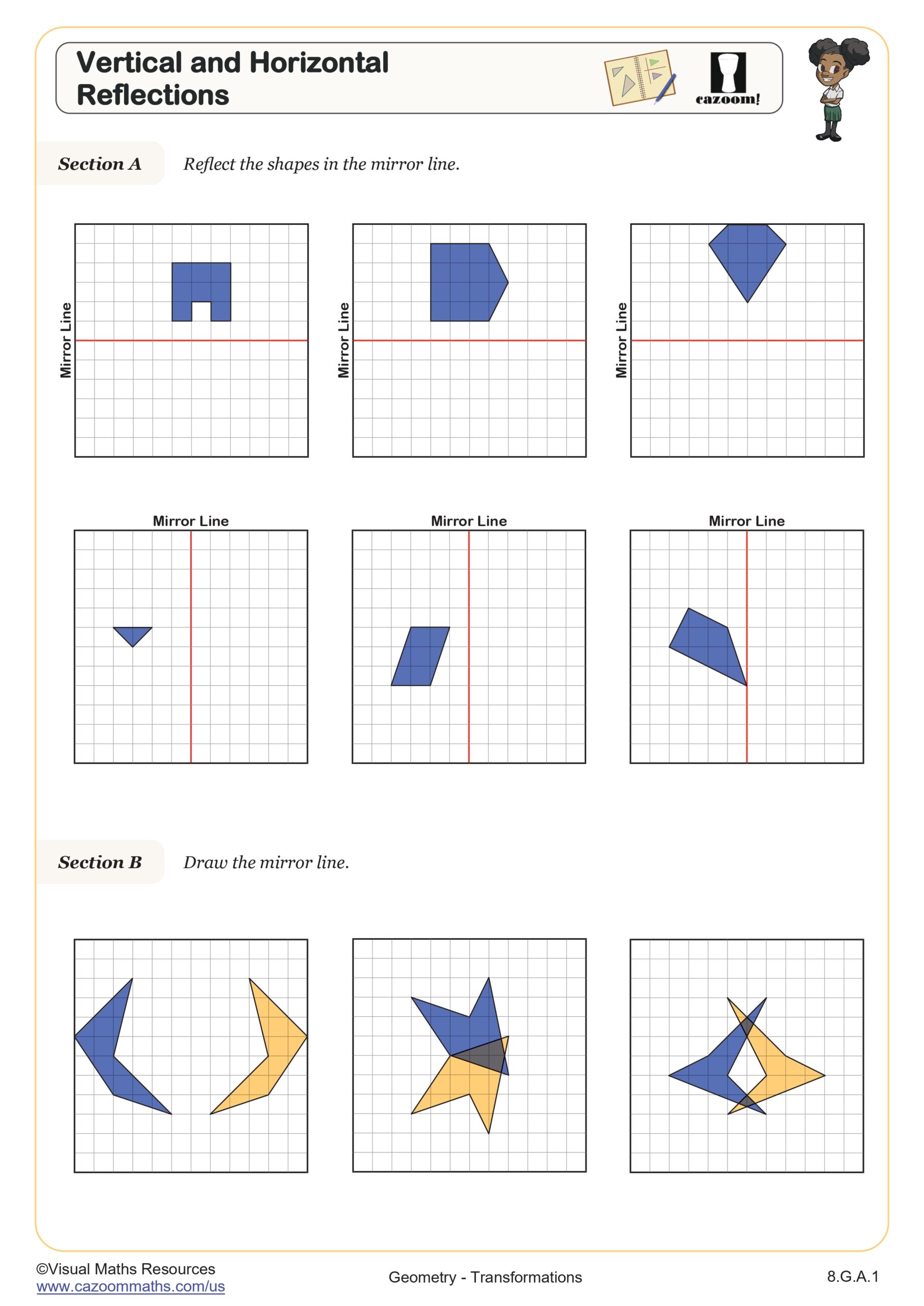
Vertical and Horizontal Reflections
All worksheets are created by the team of experienced teachers at Cazoom Math.
Where can teachers find the "8th grade - transformations and angle relationships (mcclelland)" answer key?
Teachers searching for this specific answer key can access thorough solutions through Cazoom Math's transformation worksheets collection. The "8th grade - transformations and angle relationships (mcclelland)" answer key provides detailed explanations for problems combining geometric transformations with angle measurement and relationships, addressing Common Core standards 8.G.A.1 and 8.G.A.5.
Many teachers find that students initially separate transformation concepts from angle relationships, missing the connection between how rotations affect angle measures and how reflections preserve angle relationships. The answer key specifically addresses these integrated concepts, showing students how to verify their transformation work by checking that corresponding angles remain congruent after rigid motions.
Why do 8th grade students need focused transformation practice compared to other grade levels?
Eighth grade represents a critical transition where students move from informal geometric thinking to formal coordinate geometry. The 8th grade math transformations worksheet content bridges elementary spatial concepts with high school analytical geometry, requiring students to work systematically with coordinate rules rather than visual intuition alone.
Teachers observe that students who master transformations in 8th grade show stronger performance in high school topics like function transformations and trigonometry. The coordinate plane work in these transformations 8th grade math worksheet activities builds algebraic thinking alongside geometric reasoning, preparing students for advanced mathematics where transformation concepts appear in multiple contexts including computer graphics and engineering applications.
What makes dilations the most challenging transformation topic for 8th graders?
Unlike rigid motions that preserve size and shape, dilations change the size of figures while maintaining proportional relationships and angle measures. Teachers consistently notice students confusing dilation with translation, especially when the center of dilation isn't the origin, leading to incorrect coordinate calculations and misplaced images.
The transformation worksheets 8th grade pdf format allows teachers to model dilation problems step by step, showing how scale factors less than 1 create reductions while factors greater than 1 create enlargements. Students often struggle with negative scale factors that combine dilation with rotation, making practice with varied dilation scenarios core for building confidence with similarity concepts that extend into high school geometry.
How should teachers sequence transformation worksheet practice for maximum student understanding?
Effective transformation instruction begins with single rigid motions on grid paper before progressing to coordinate plane work. Teachers find success starting with translations using vector notation, then reflections across horizontal and vertical lines, followed by rotations around the origin in 90-degree increments before introducing arbitrary angles and centers.
The transformation worksheets with answers allow teachers to assign progressive difficulty levels, beginning with simple single transformations and advancing to composition of transformations. Many teachers use the answer keys to identify common error patterns in their classes, then adjust instruction accordingly. Students benefit from seeing worked examples before attempting independent practice, particularly when learning to apply multiple transformations in sequence or working backwards from an image to determine the original figure.