Adding 0-20 Worksheets
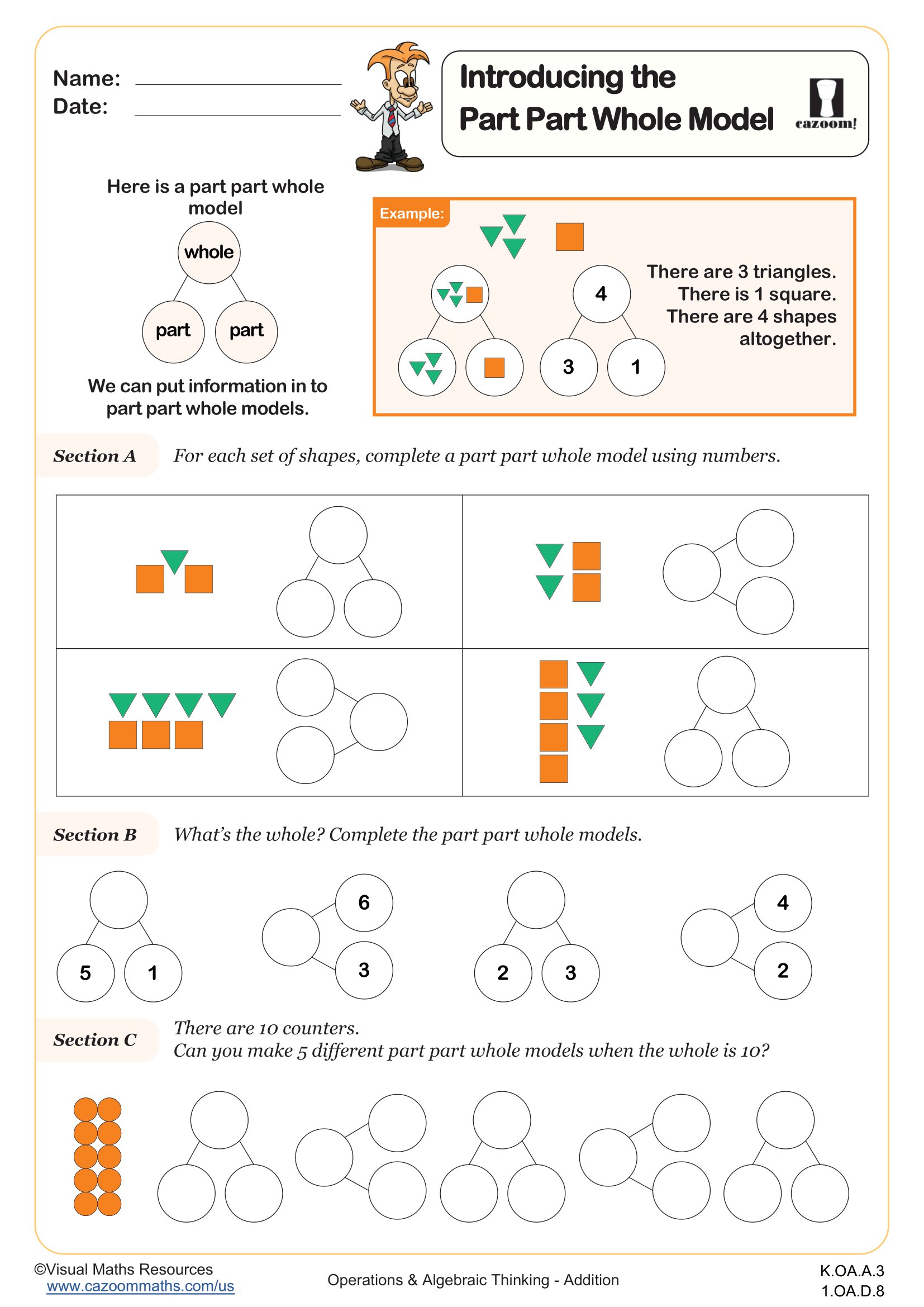
Introducing the Part Part Whole Model
Grades: Kindergarten, 1st Grade
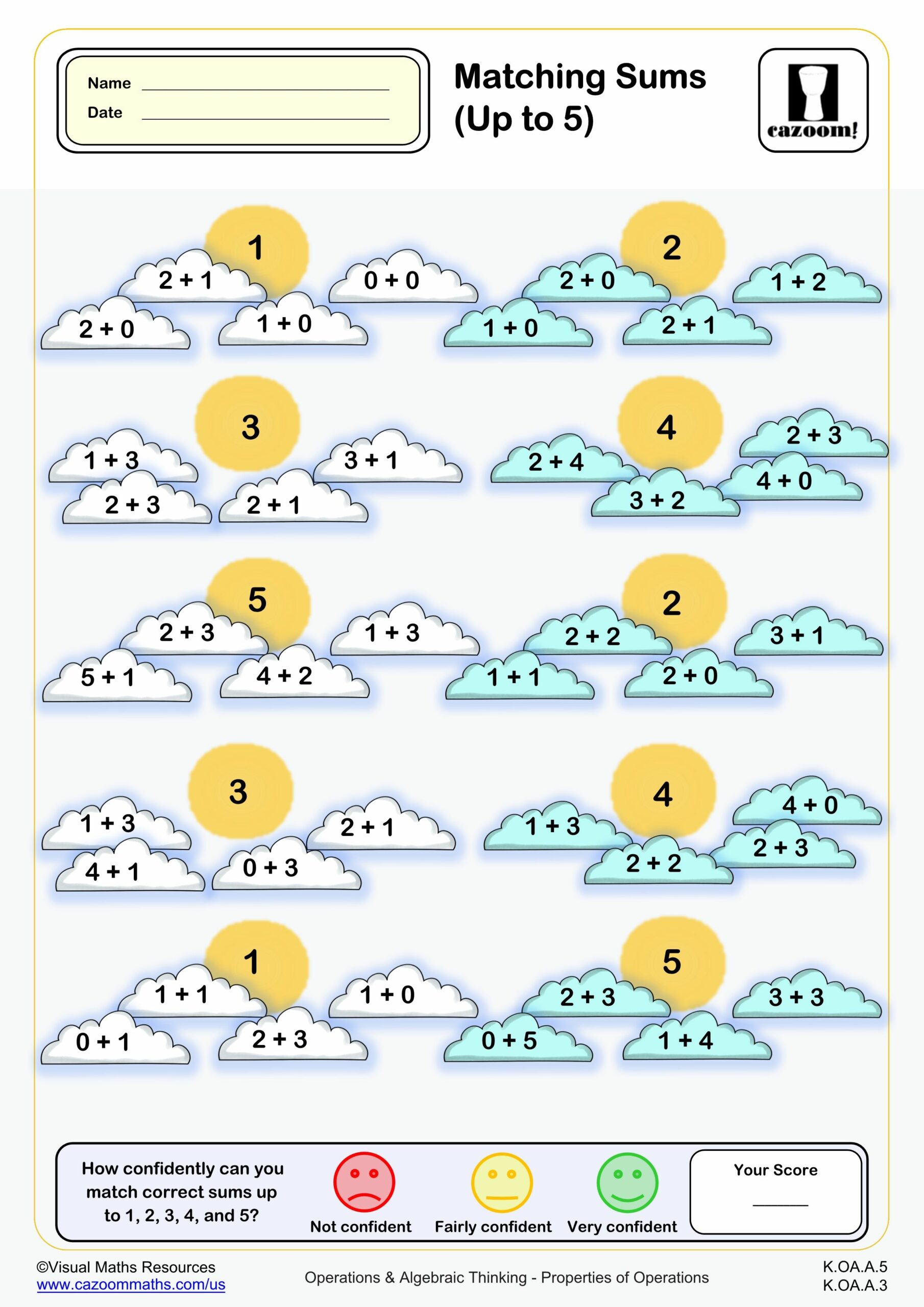
Matching Sums (up to 5)
Grades: Kindergarten
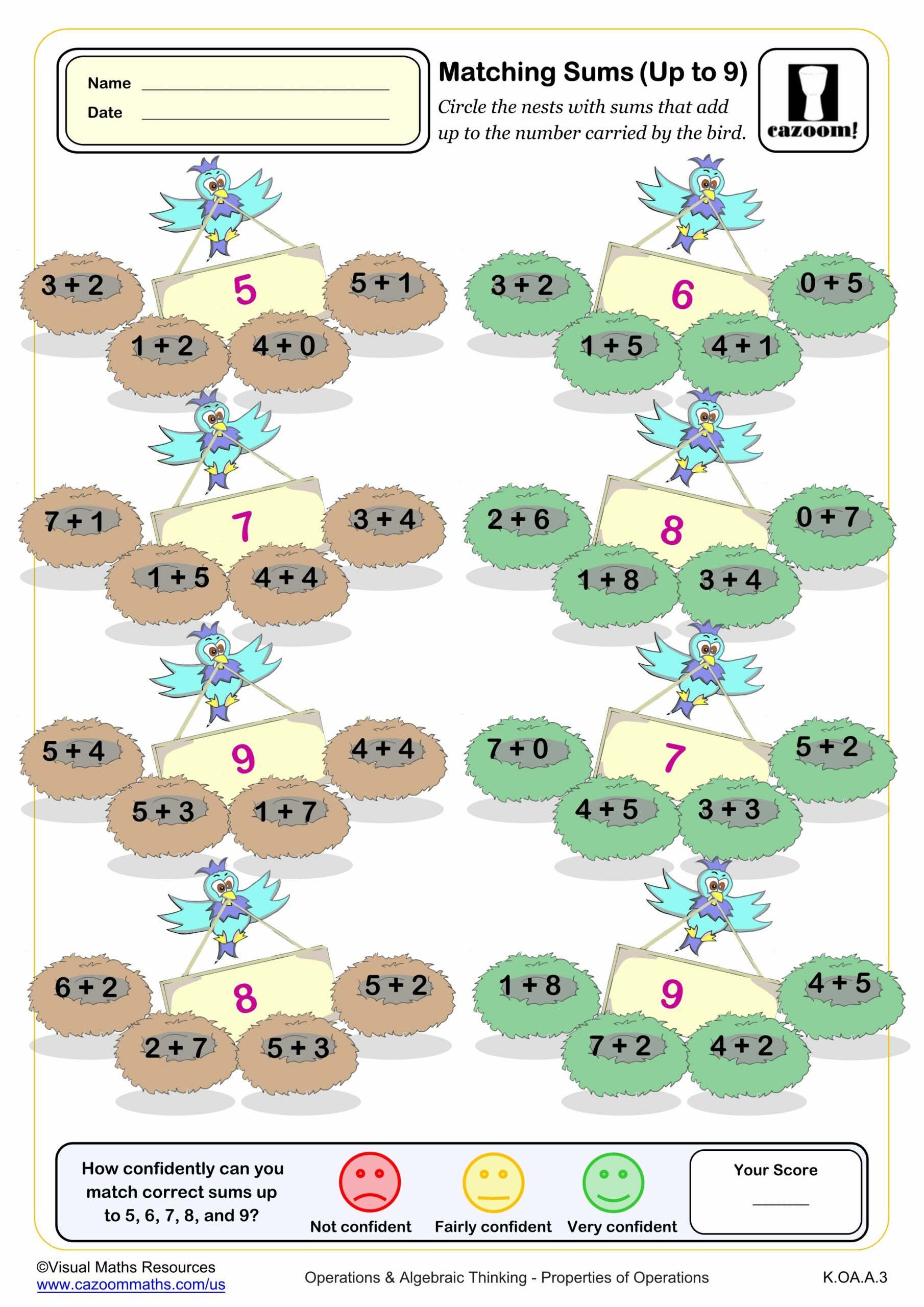
Matching Sums (up to 9)
Grades: Kindergarten
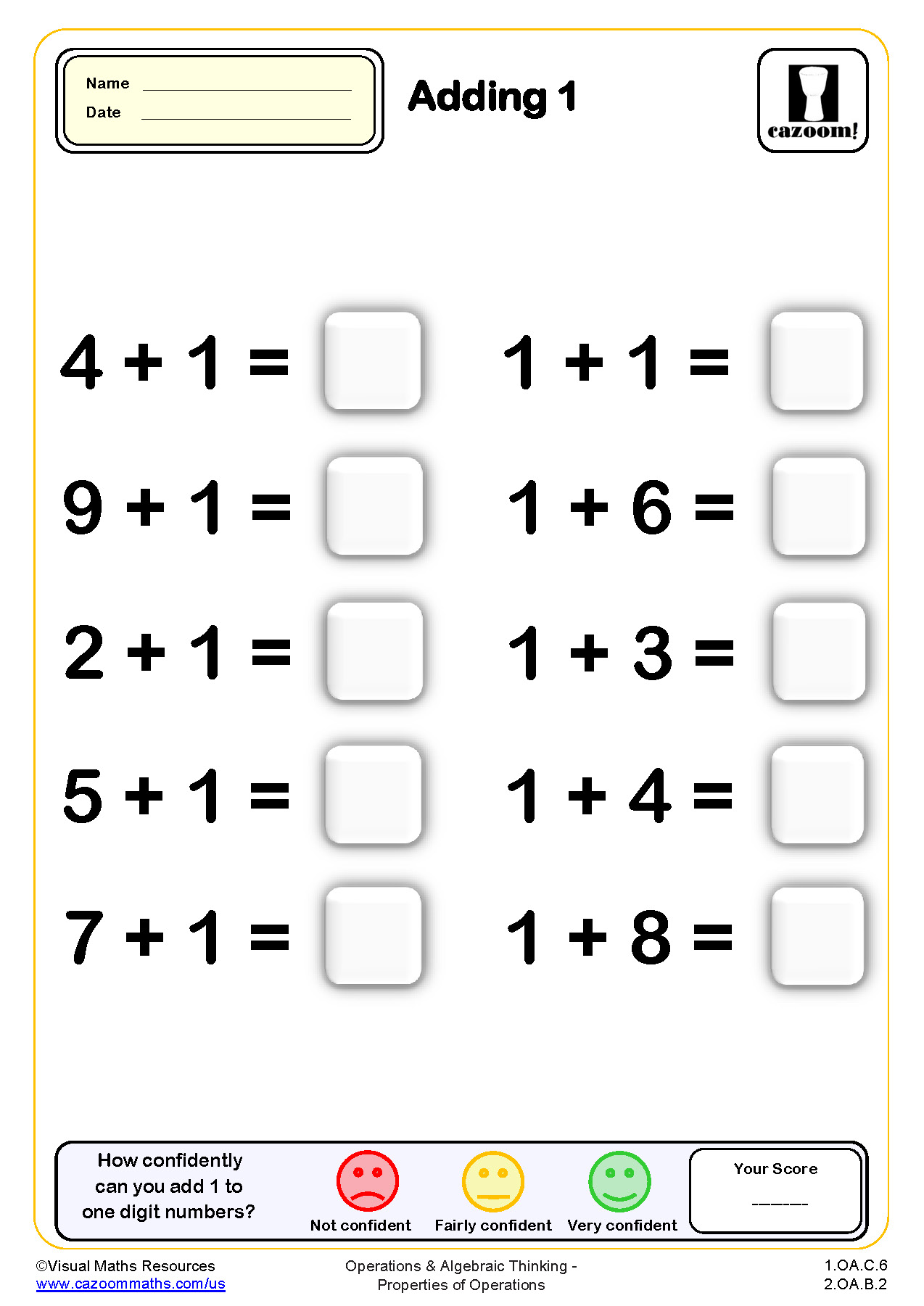
Adding 1 (10 questions)
Grades: 1st Grade, 2nd Grade
Adding 1 (20 questions)
Grades: 1st Grade, 2nd Grade
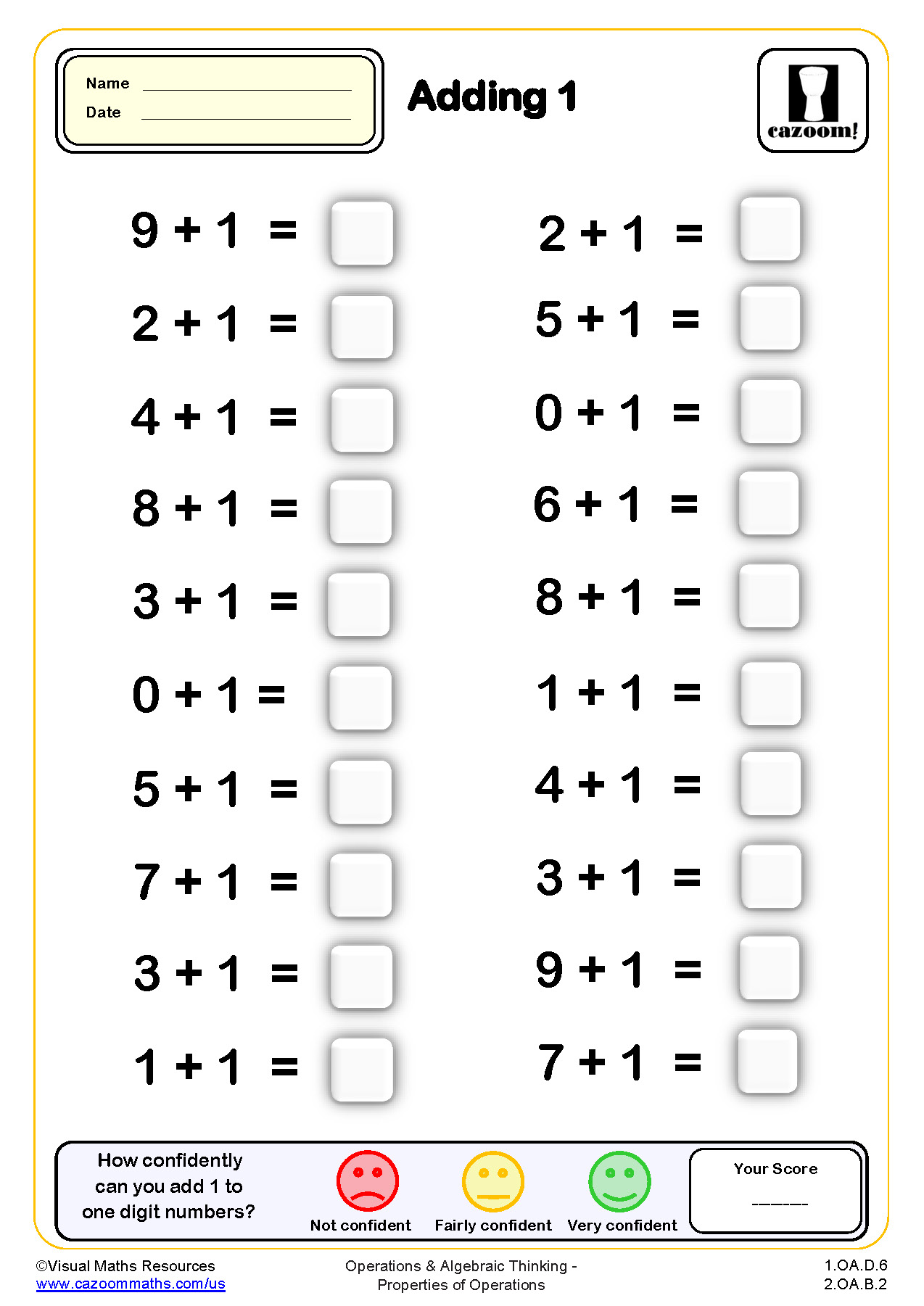
Adding 1 (50 questions)
Grades: 1st Grade, 2nd Grade
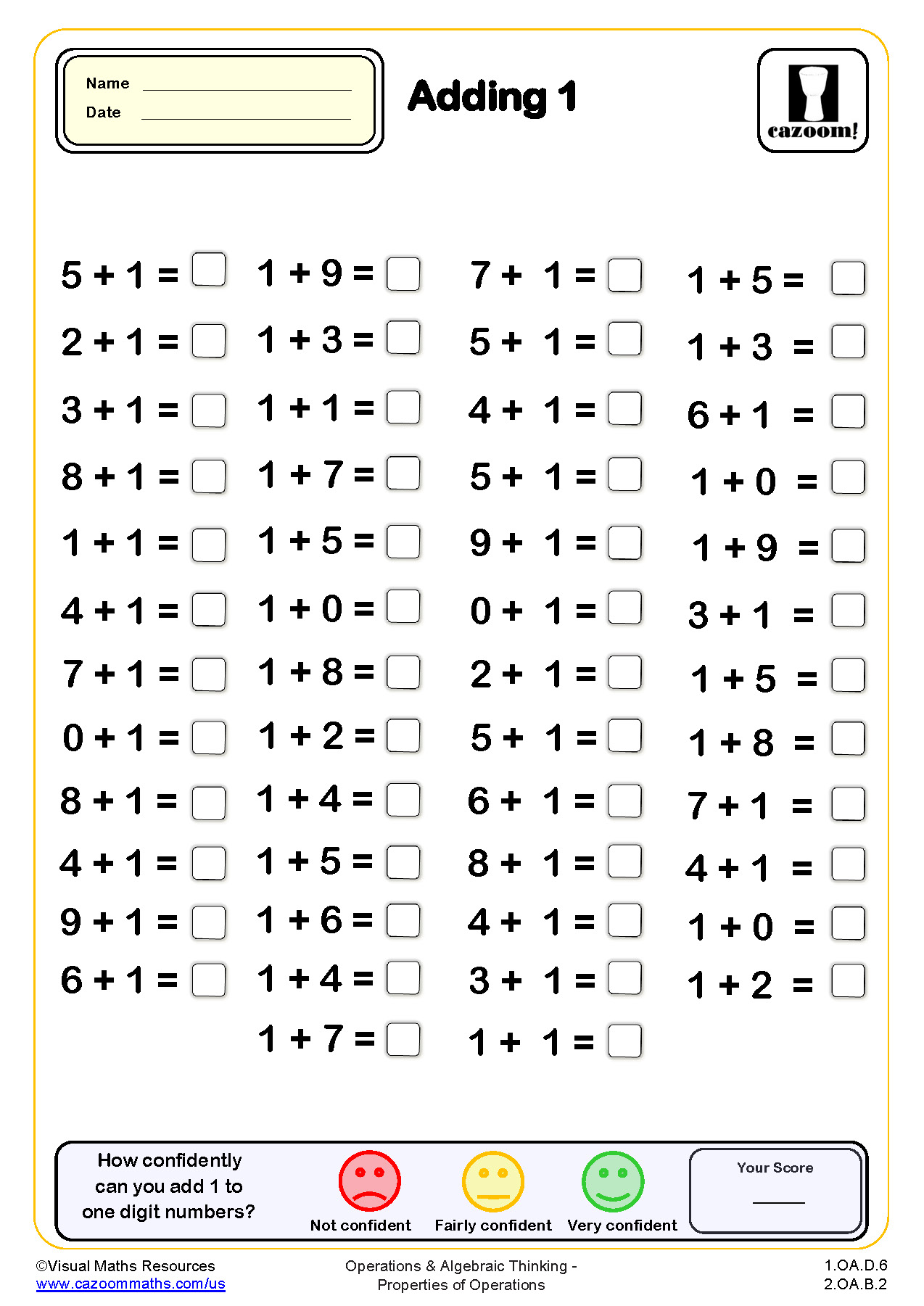
Adding 2 (10 questions)
Grades: 1st Grade, 2nd Grade
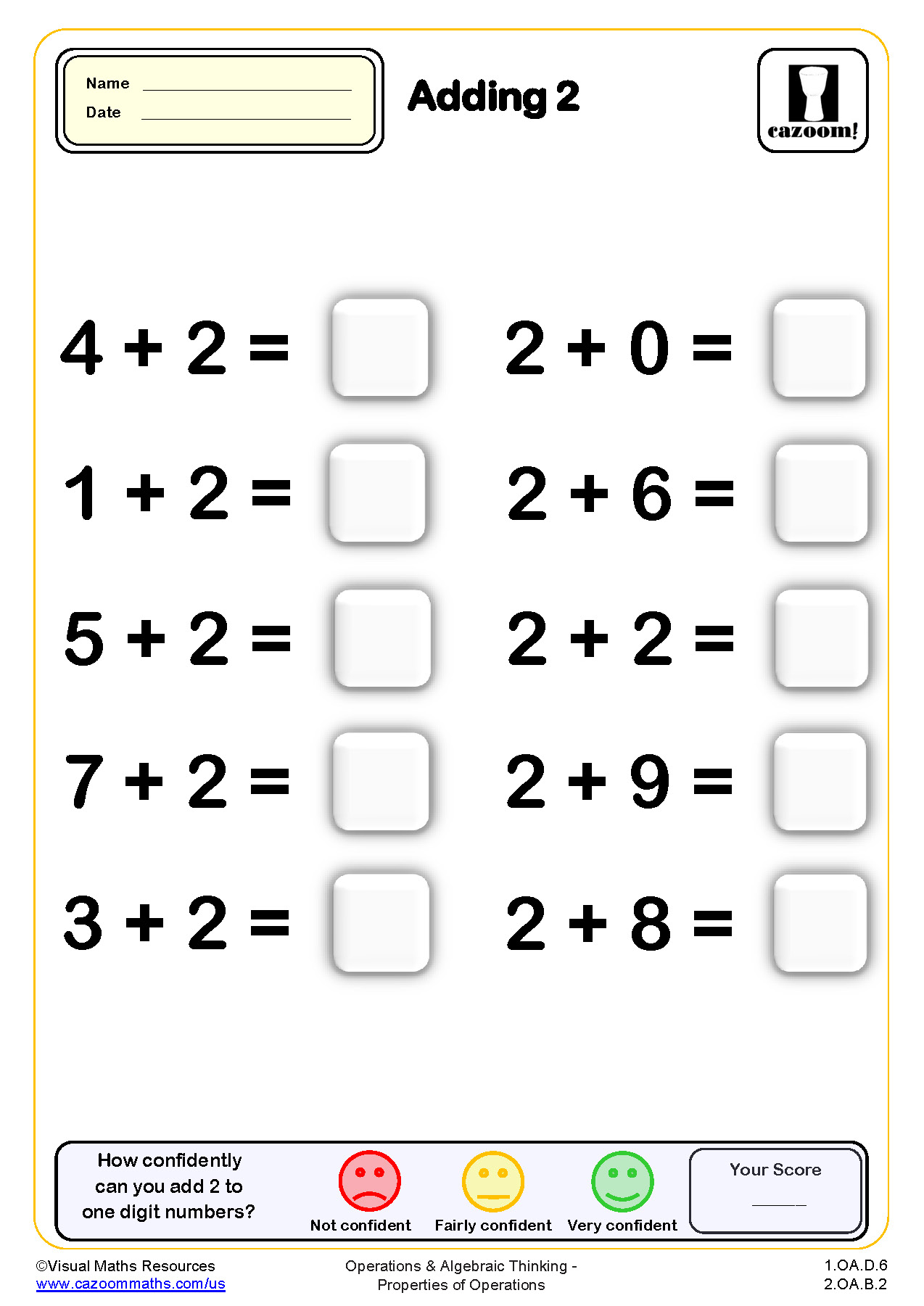
Adding 2 (20 questions)
Grades: 1st Grade, 2nd Grade
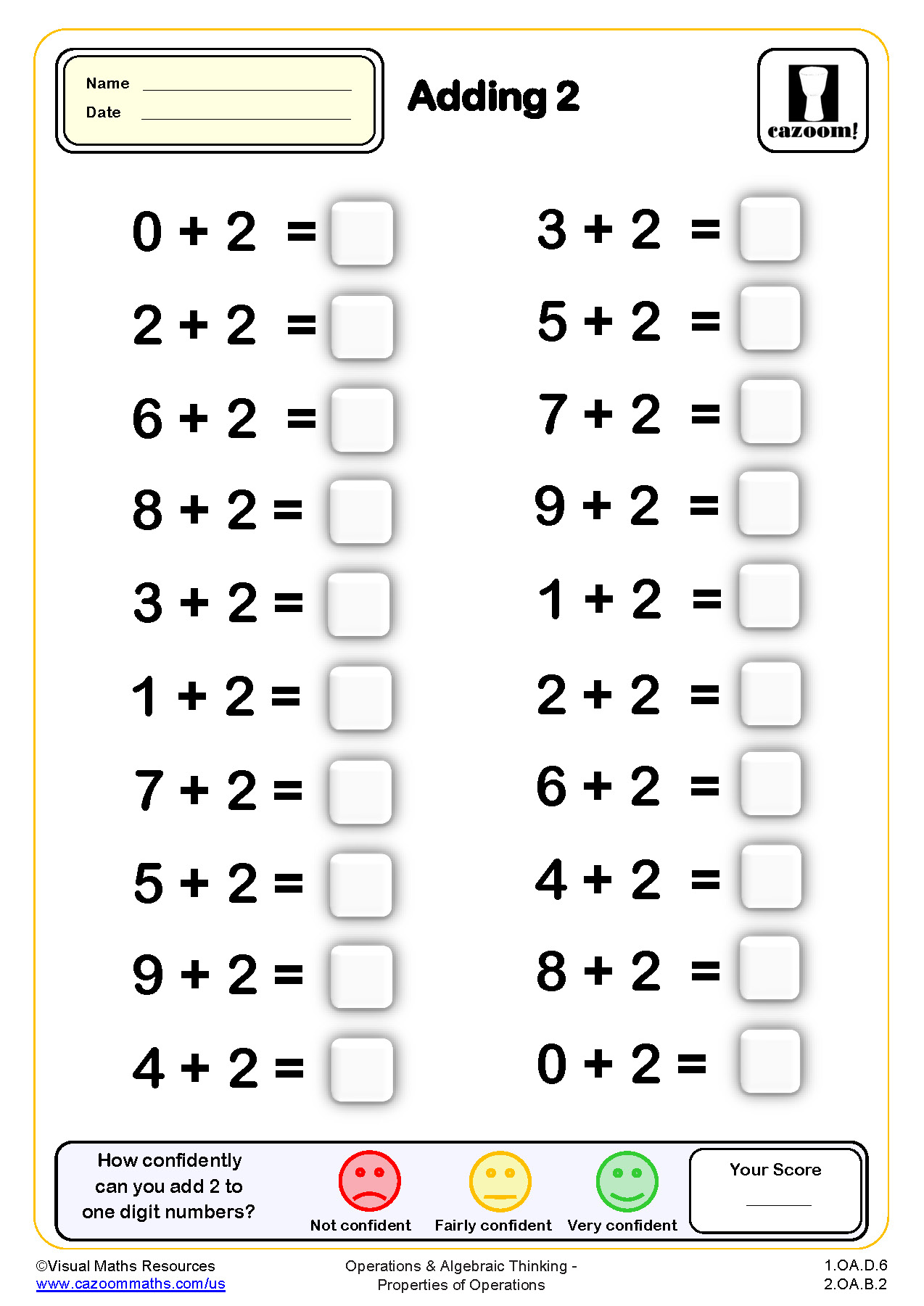
Adding 2 (50 questions)
Grades: 1st Grade, 2nd Grade
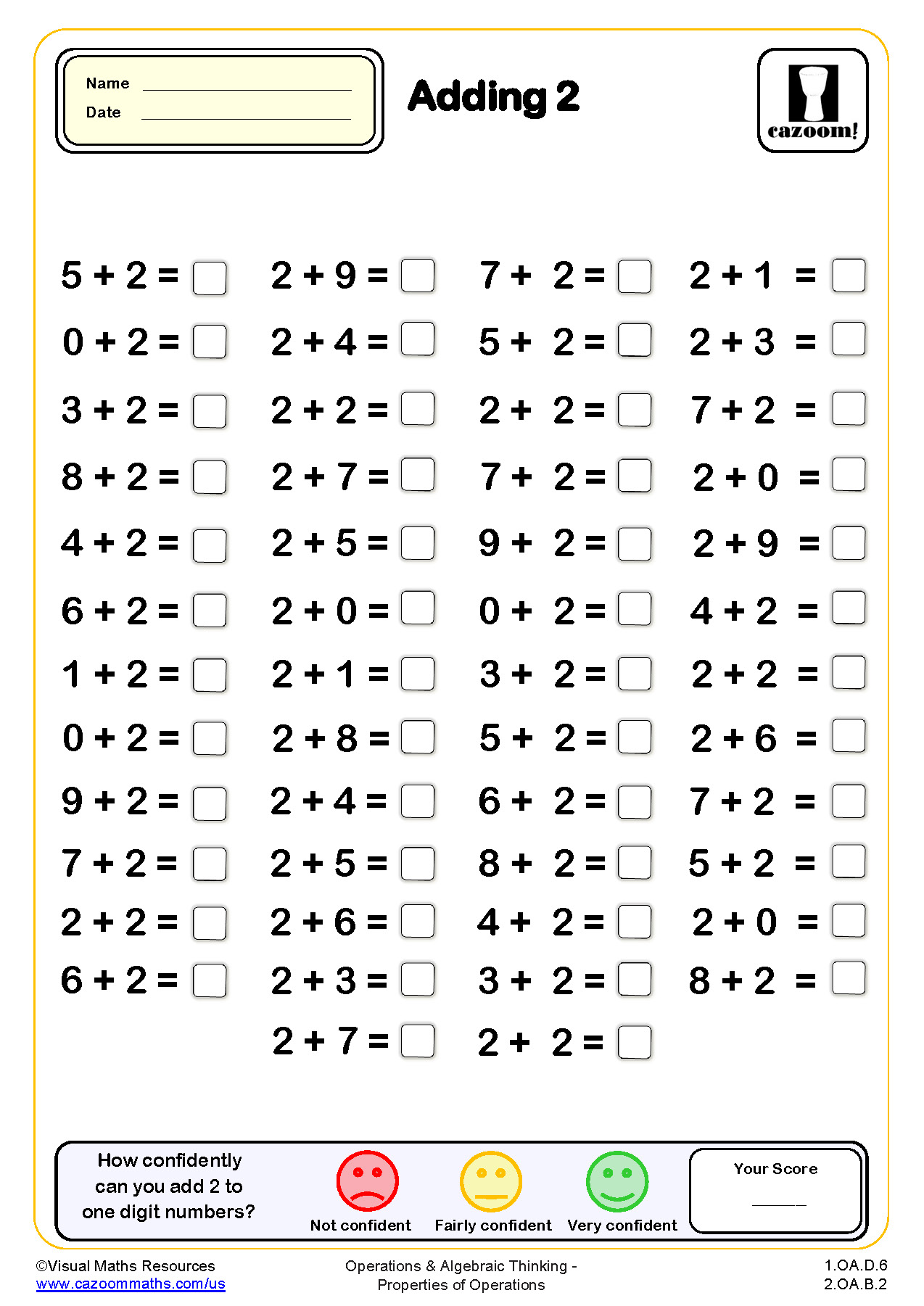
Adding 3 (10 questions)
Grades: 1st Grade, 2nd Grade
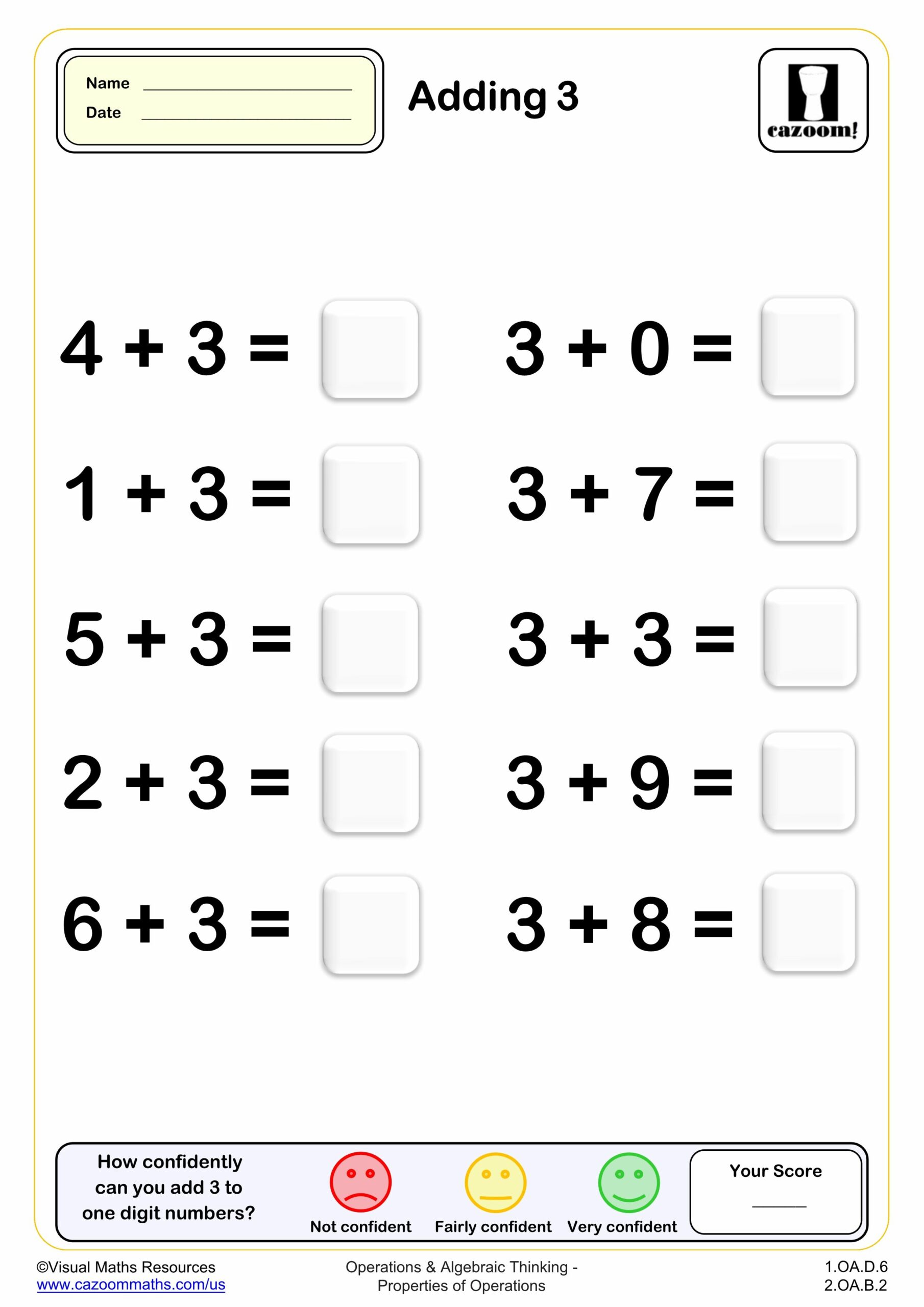
Adding 3 (20 questions)
Grades: 1st Grade, 2nd Grade
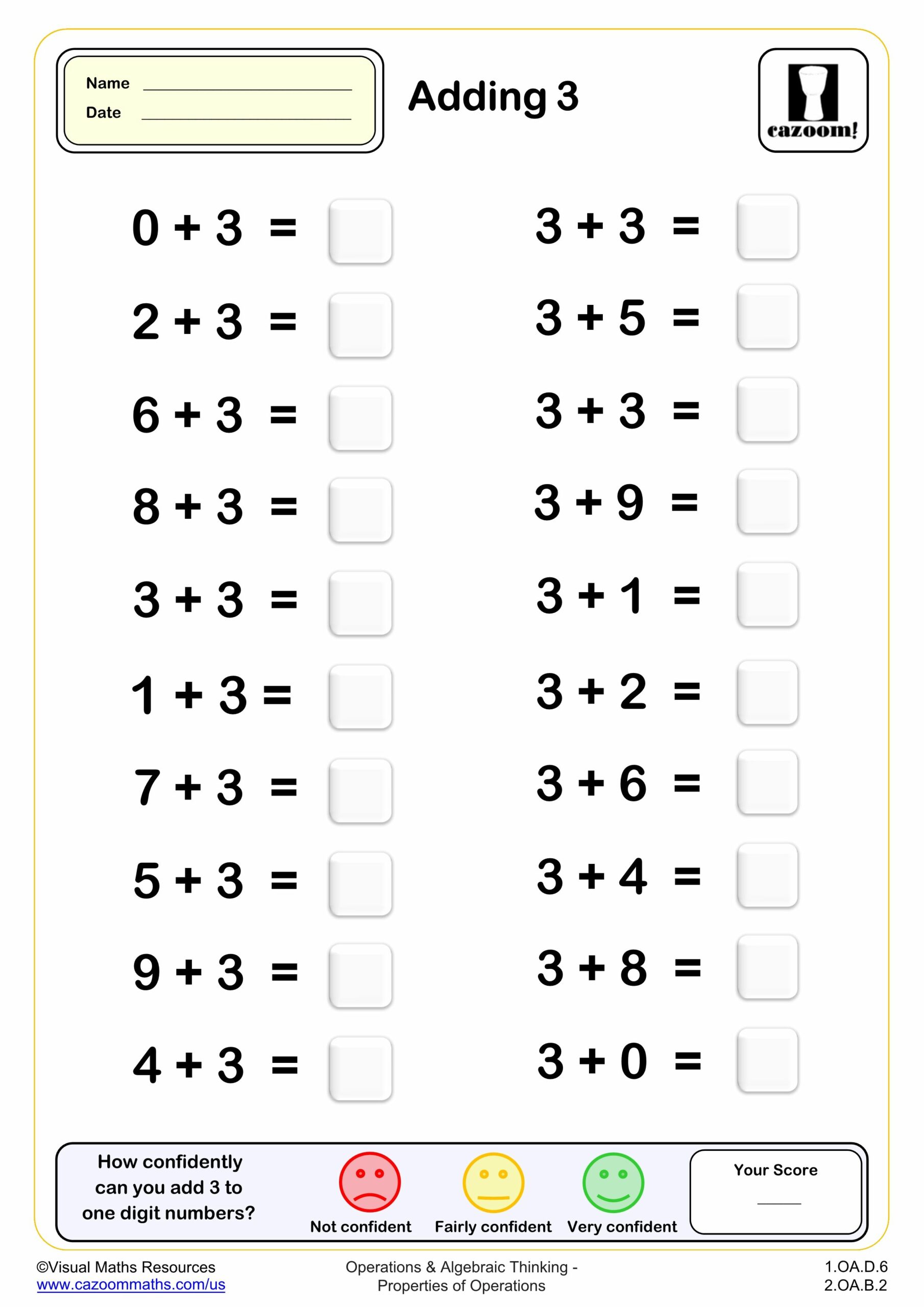
Adding 3 (50 questions)
Grades: 1st Grade, 2nd Grade
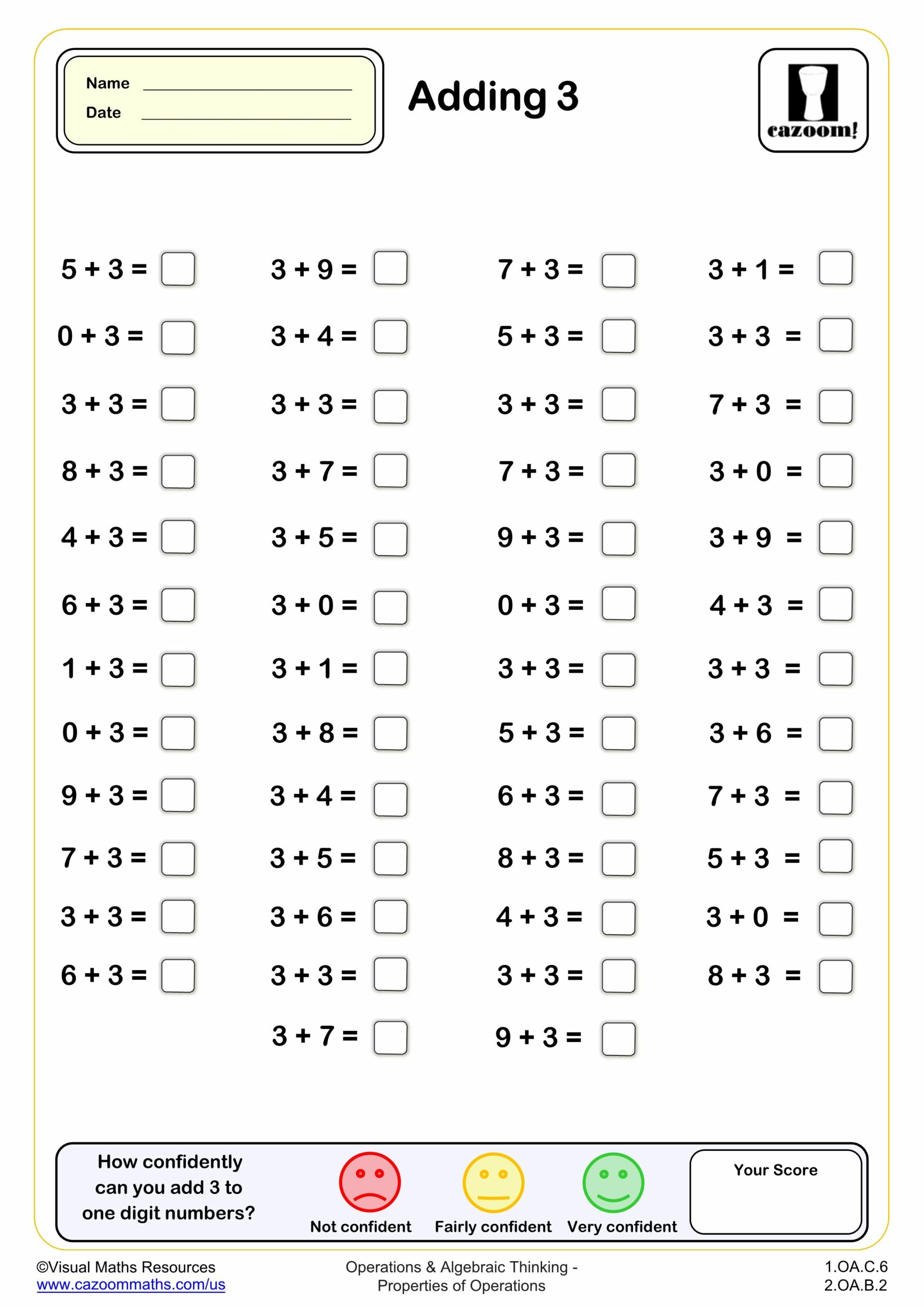
Adding 4 (10 questions)
Grades: 1st Grade, 2nd Grade
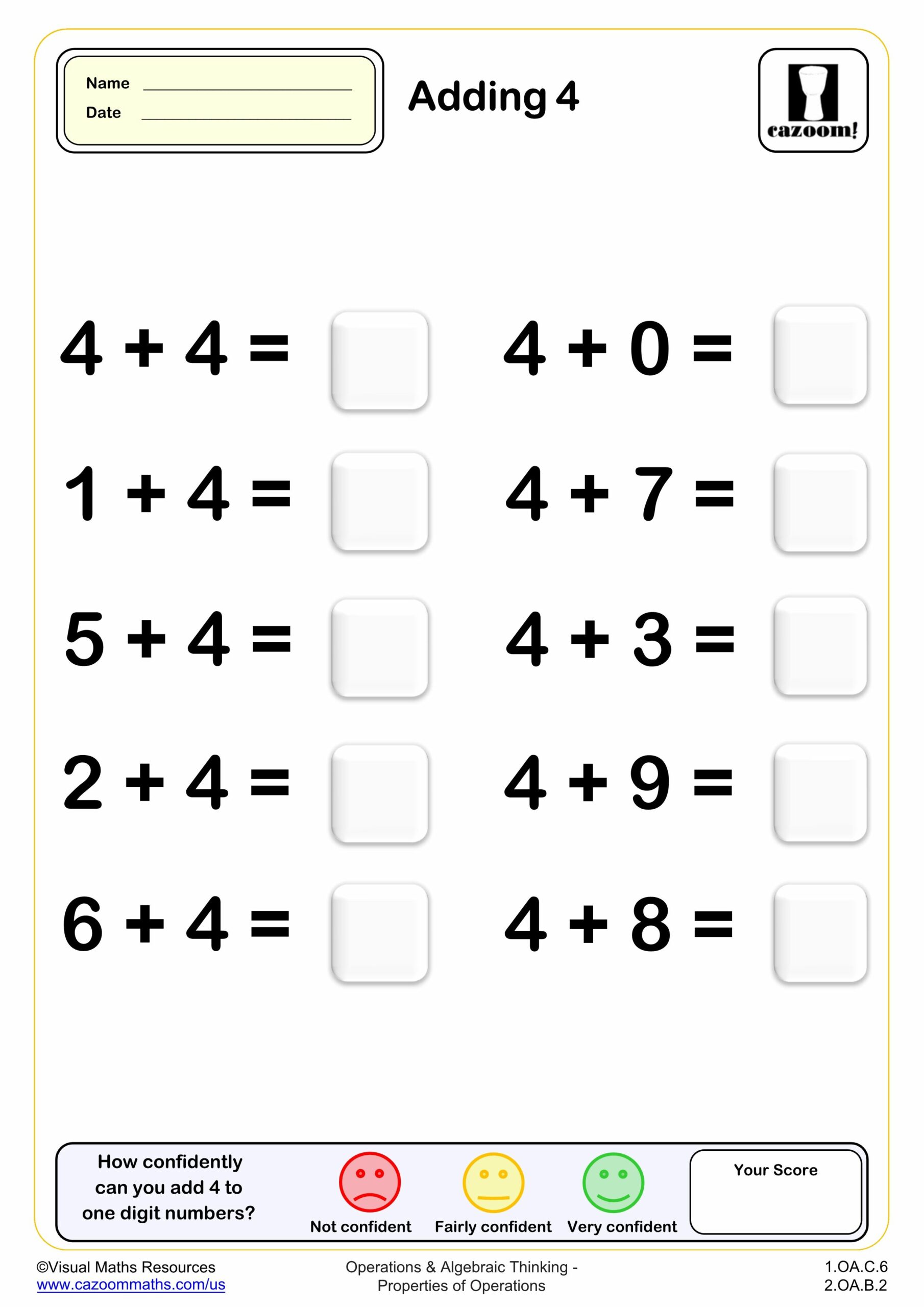
Adding 4 (20 questions)
Grades: 1st Grade, 2nd Grade
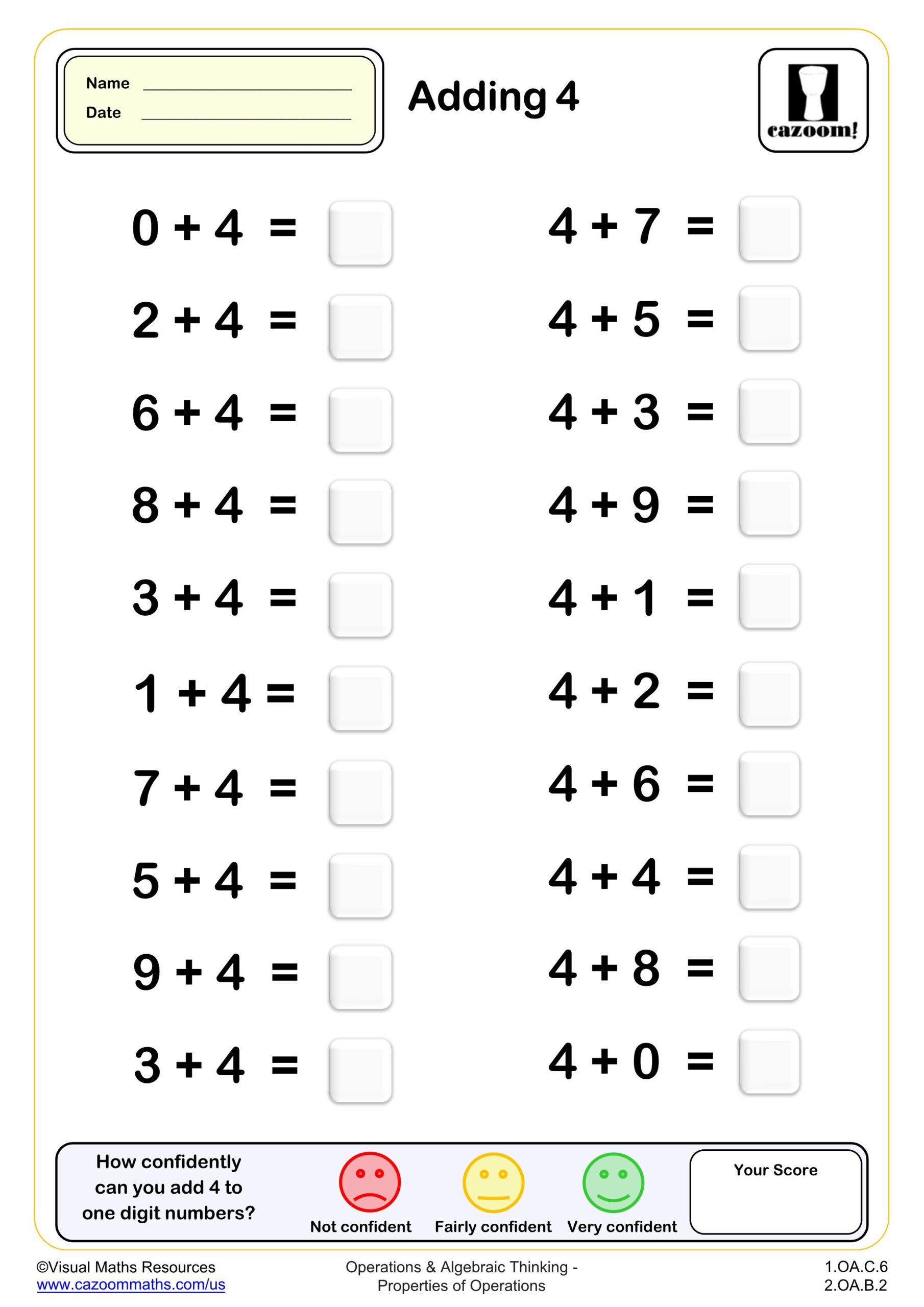
Adding 4 (50 questions)
Grades: 1st Grade, 2nd Grade
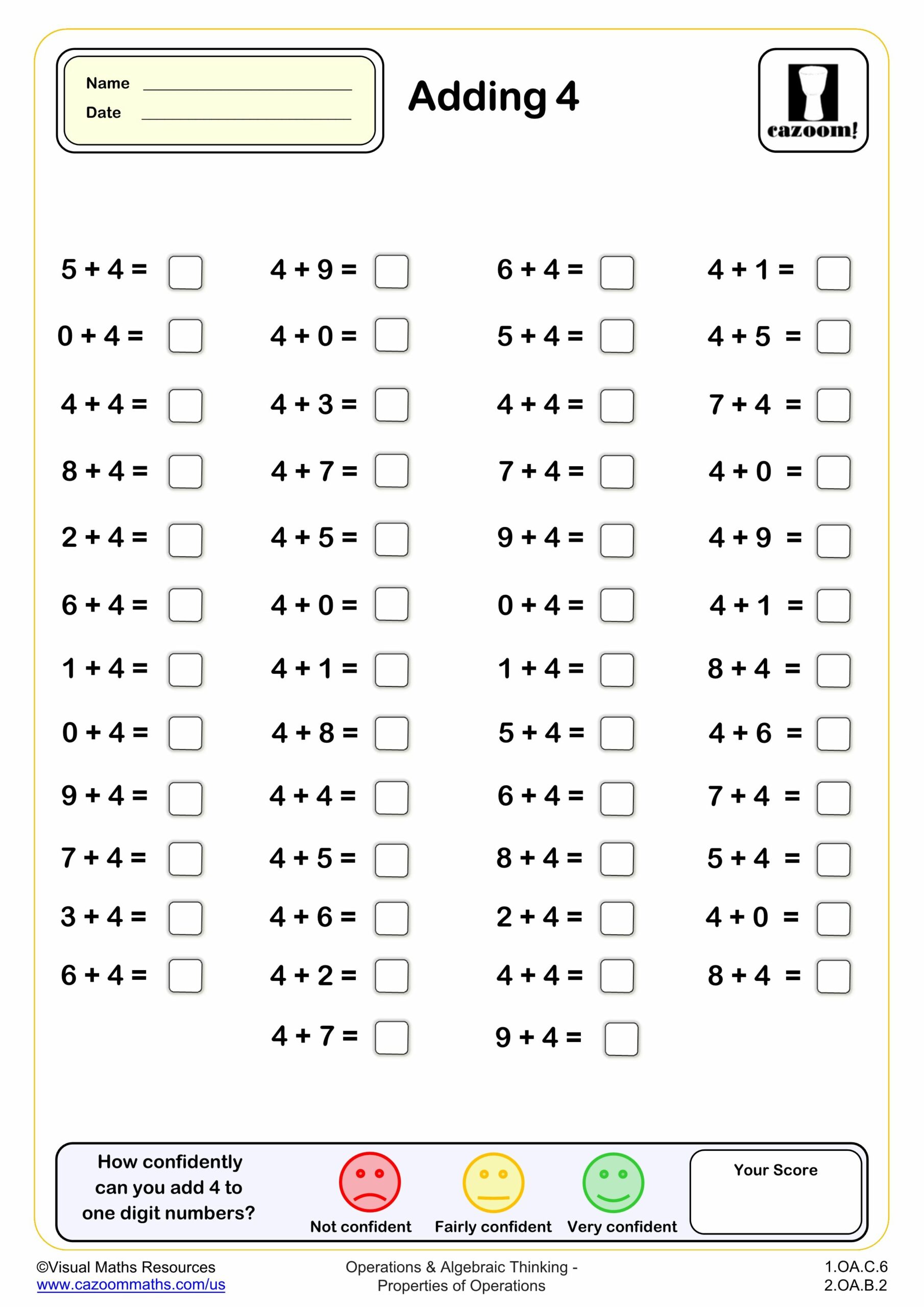
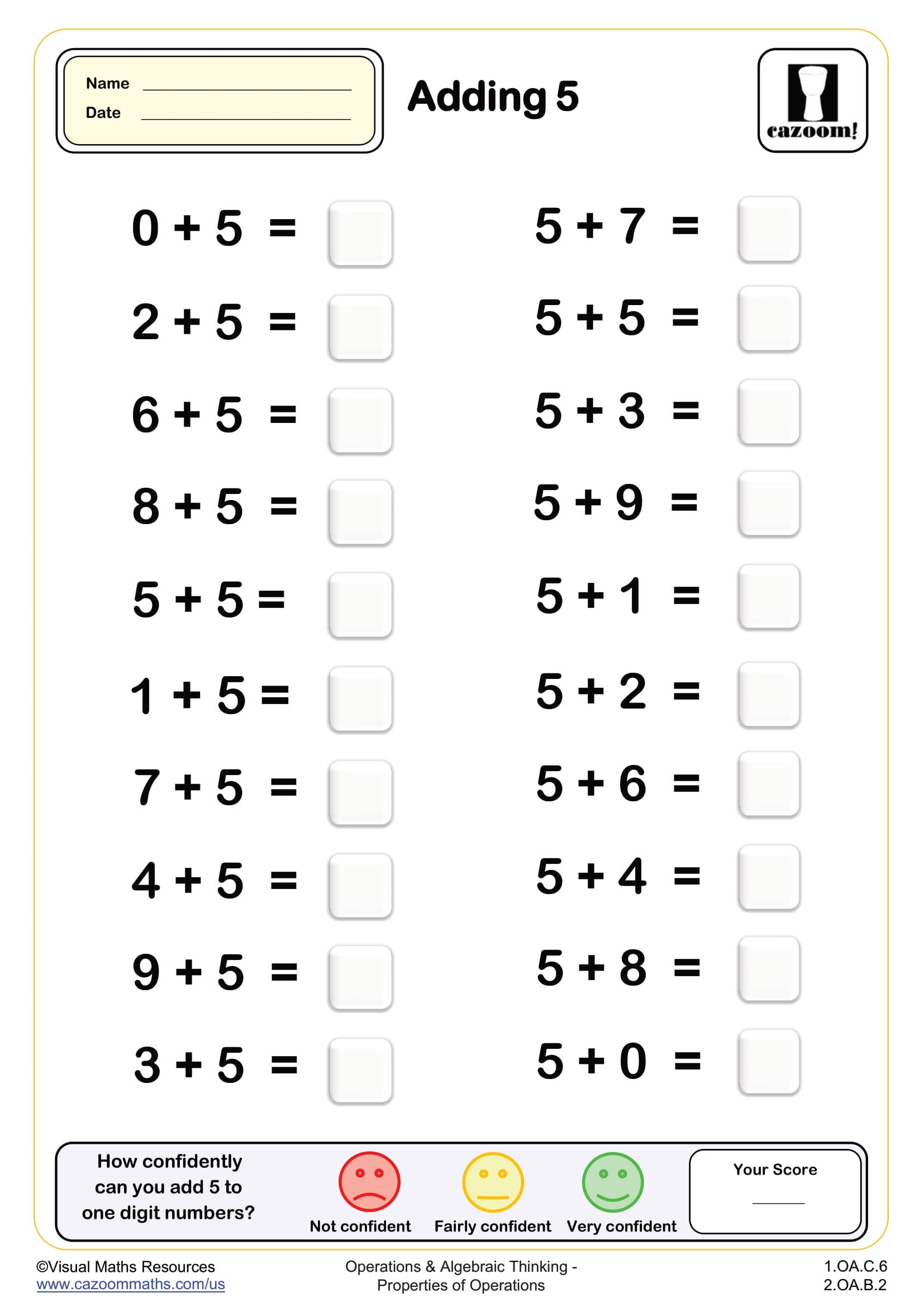
Adding 5 (10 questions)
Grades: 1st Grade, 2nd Grade
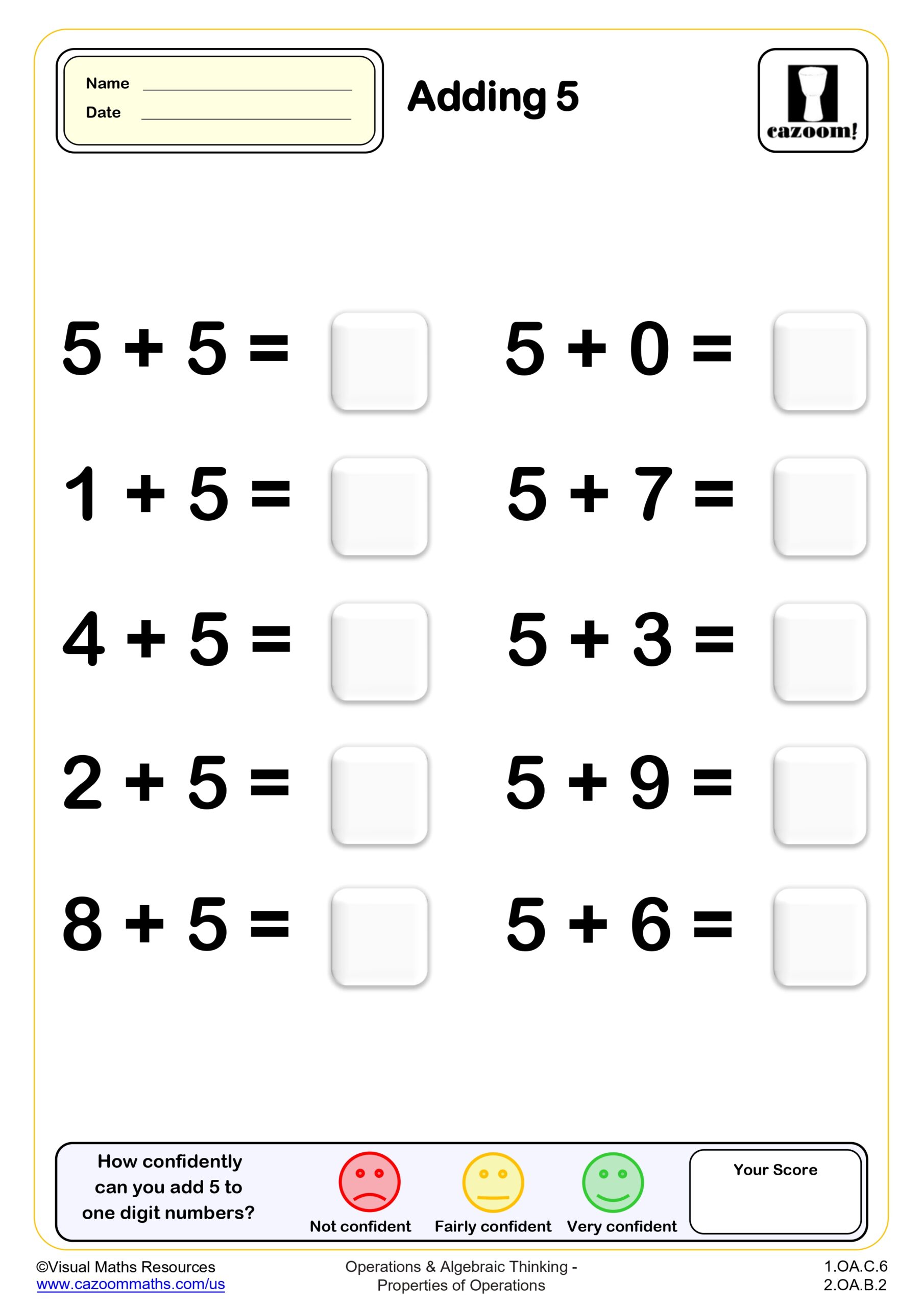
Adding 5 (20 questions)
Grades: 1st Grade, 2nd Grade
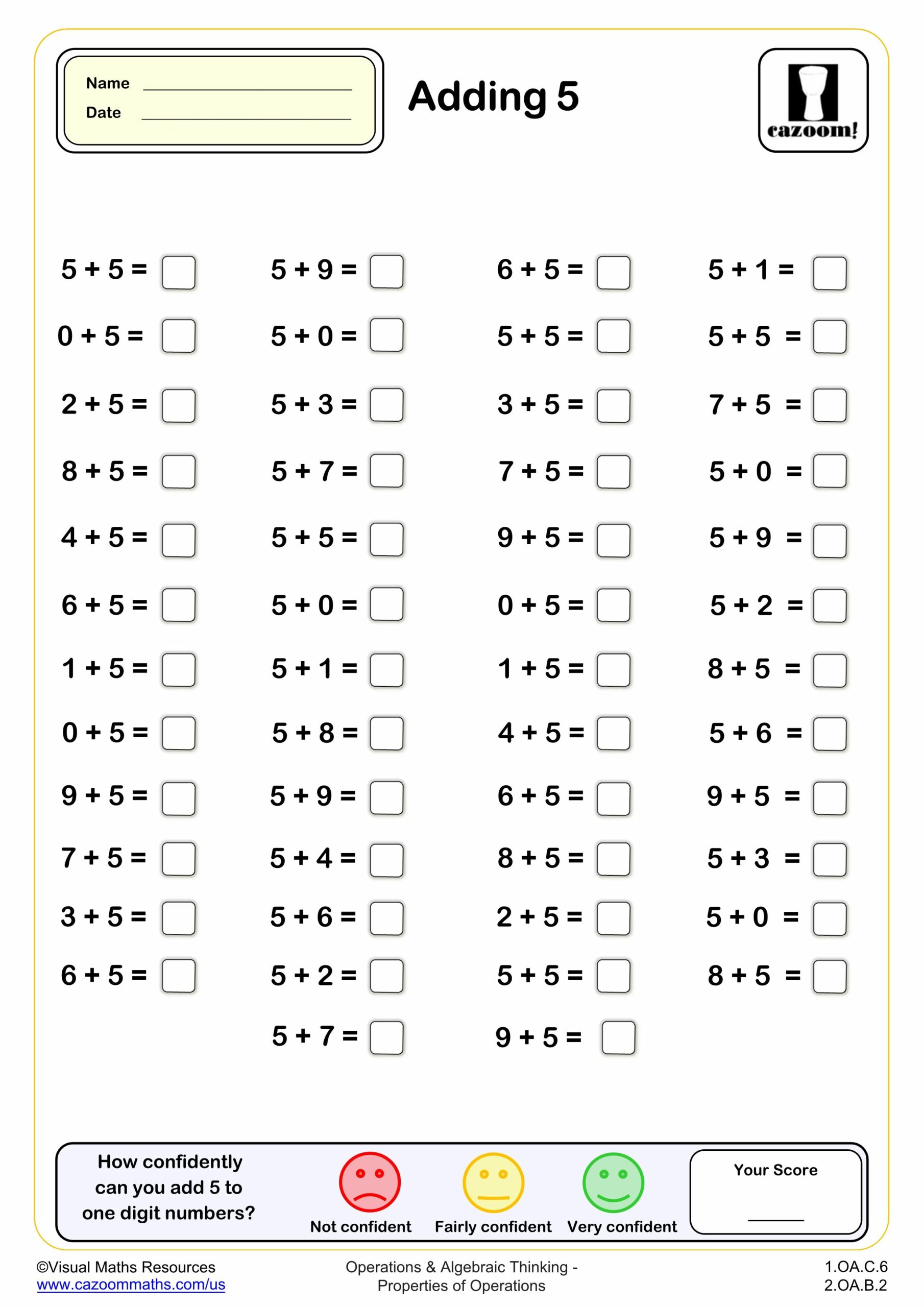
Adding 5 (50 questions)
Grades: 1st Grade, 2nd Grade
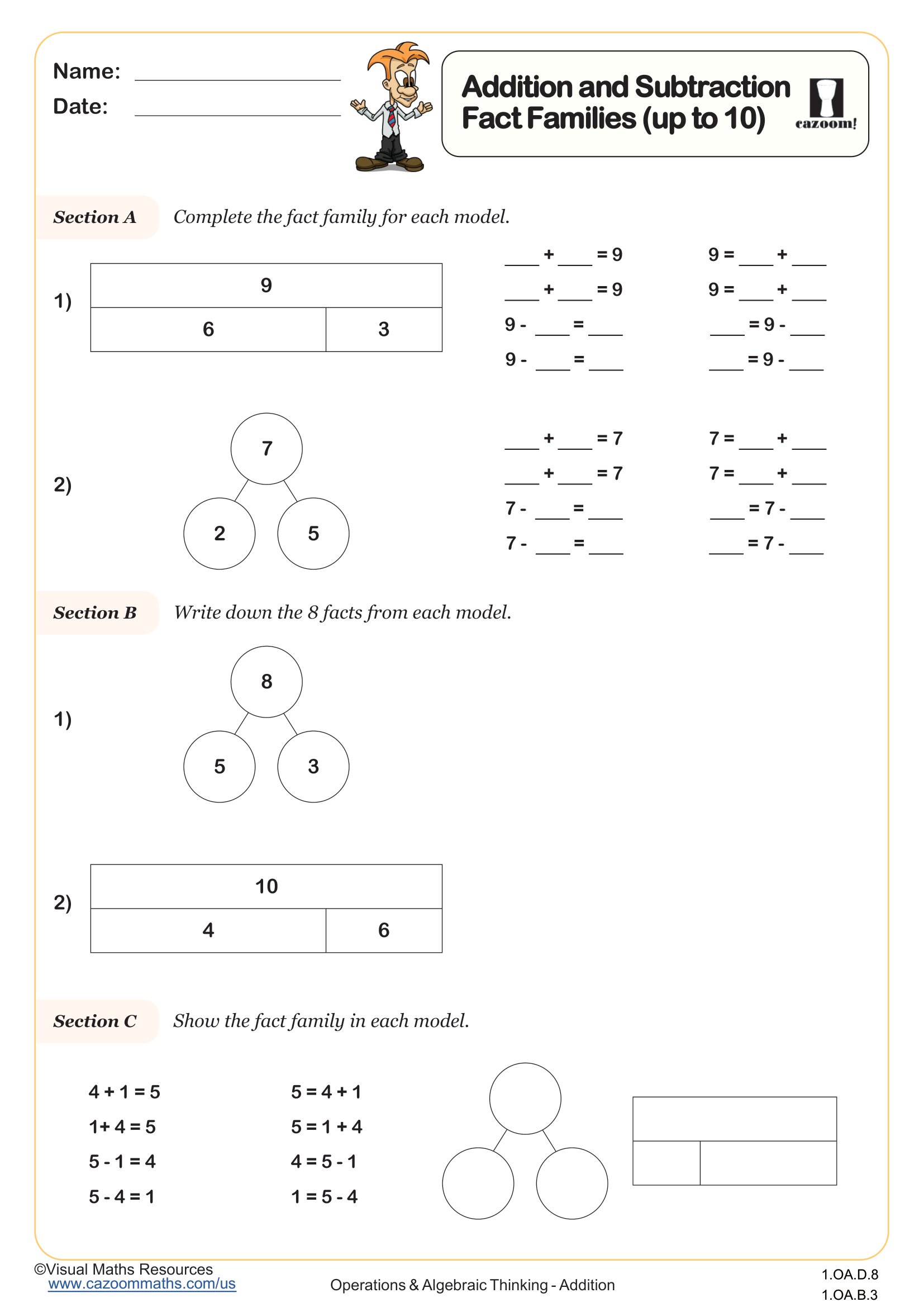
Addition and Subtraction Fact Families (up to 10)
Grades: 1st Grade
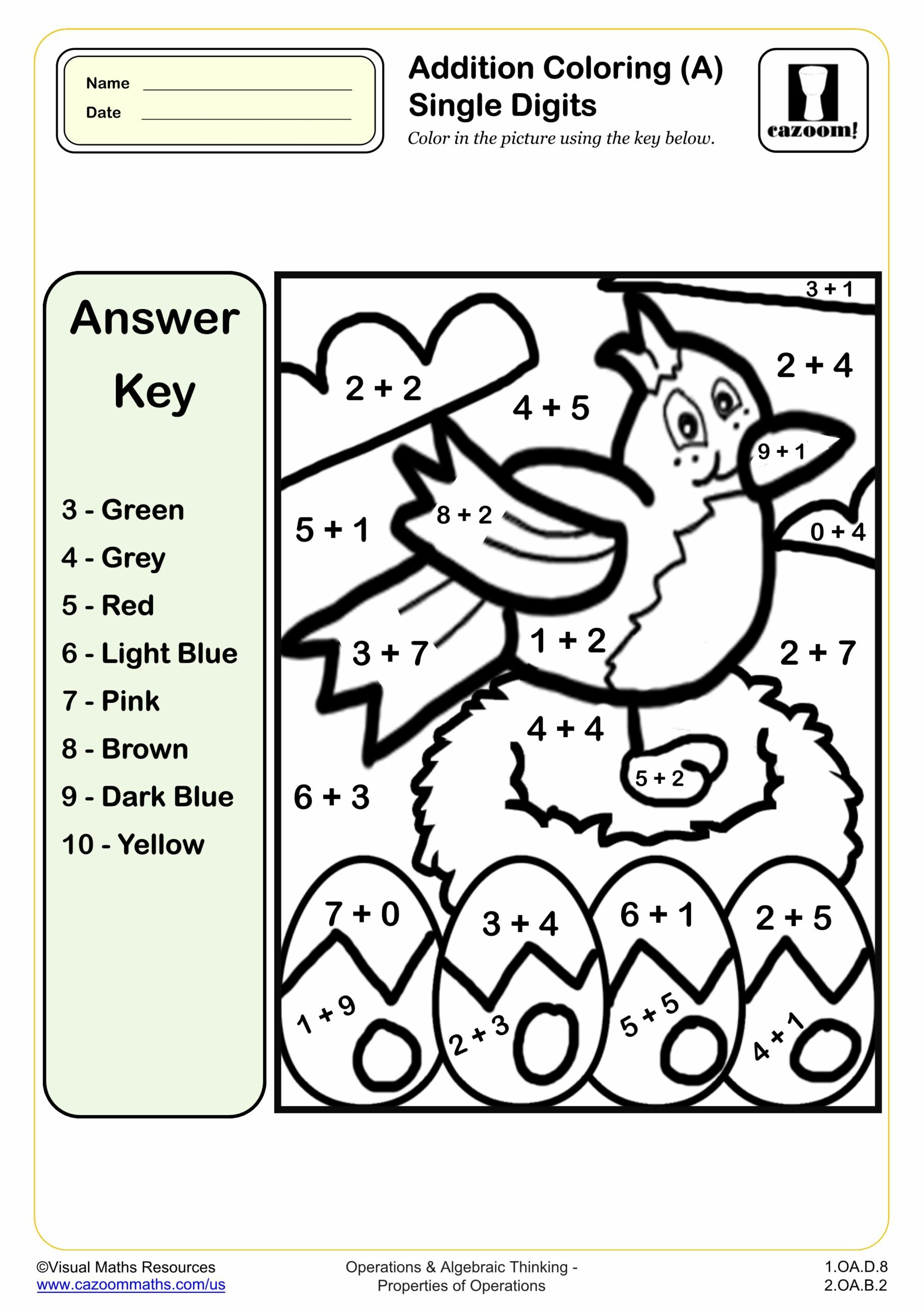
Addition Coloring (A) Single Digits
Grades: 1st Grade, 2nd Grade
Addition Coloring (B)
Grades: 1st Grade, 2nd Grade
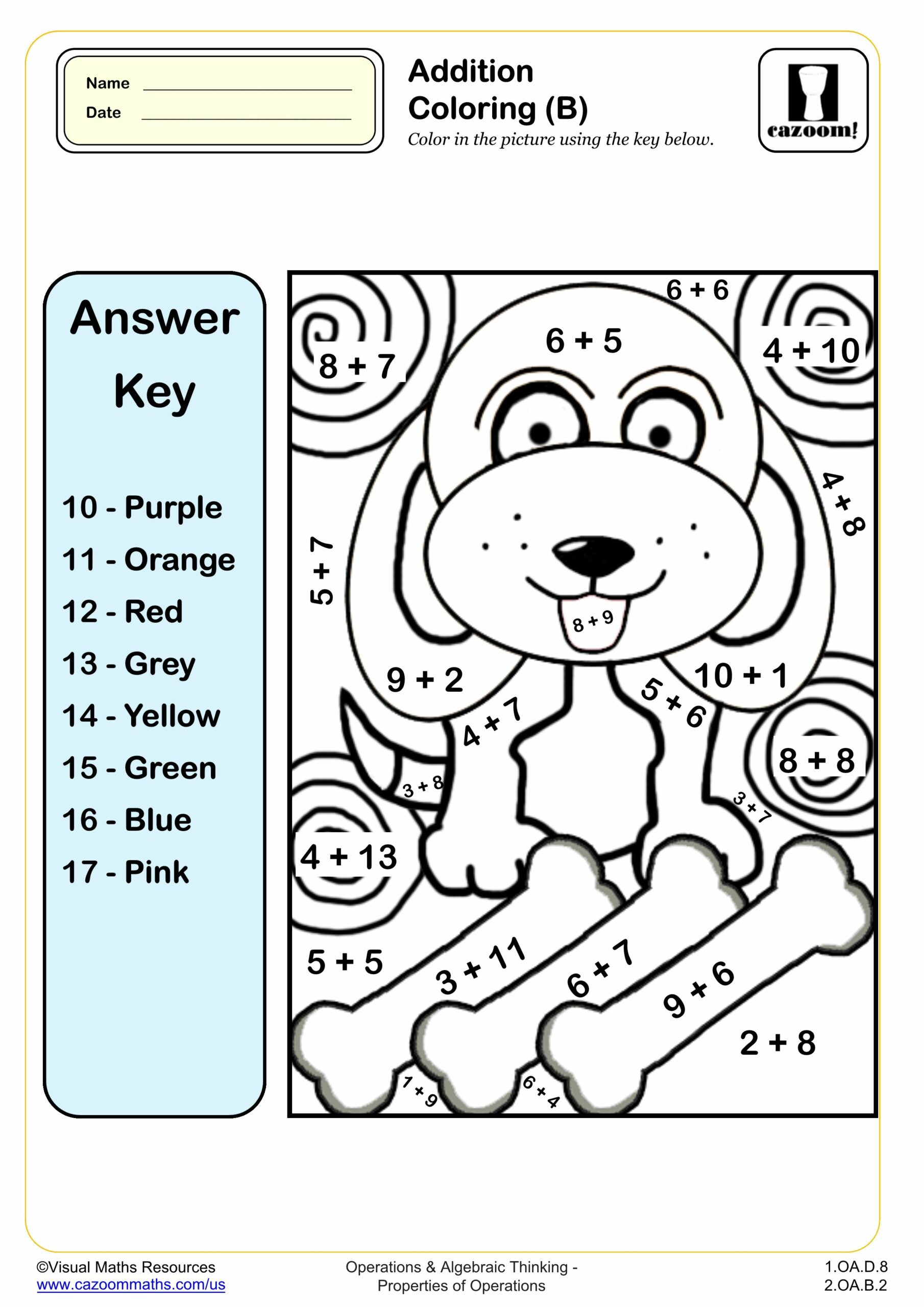
Addition Tables up to 10
Grades: 1st Grade, 2nd Grade
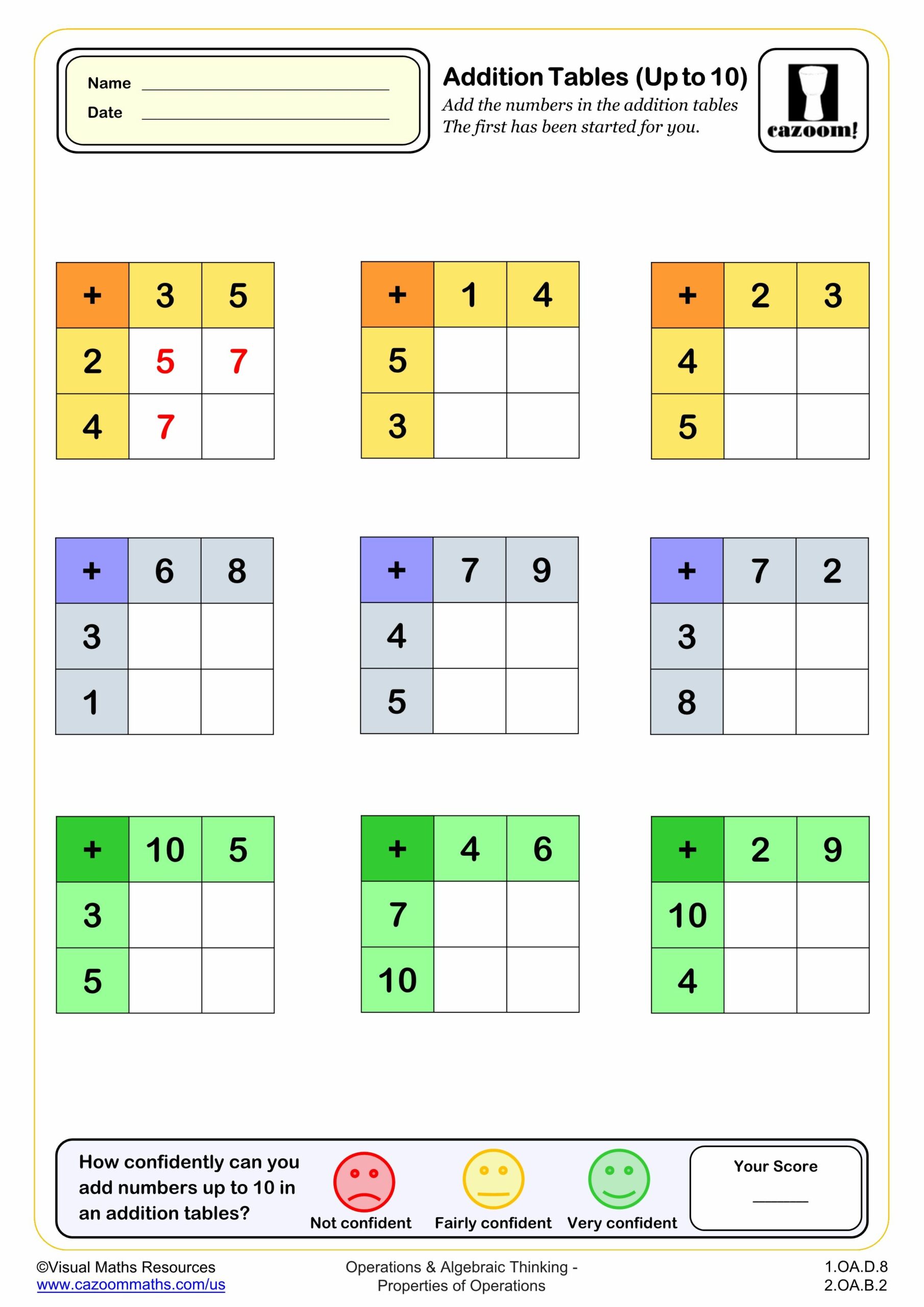
Addition Tables up to 5
Grades: 1st Grade, 2nd Grade
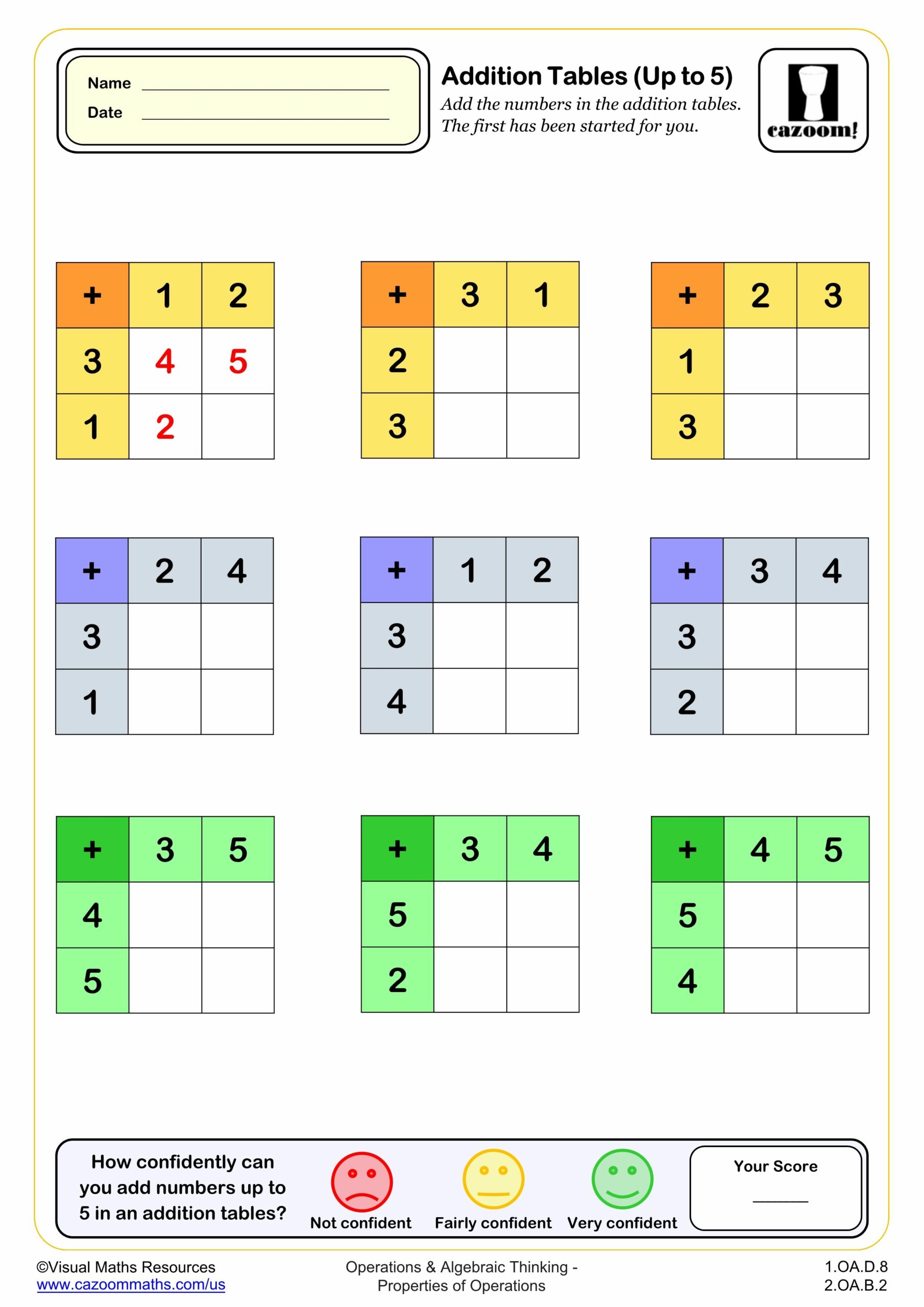
Addition Wheels (adding 1)
Grades: 1st Grade, 2nd Grade
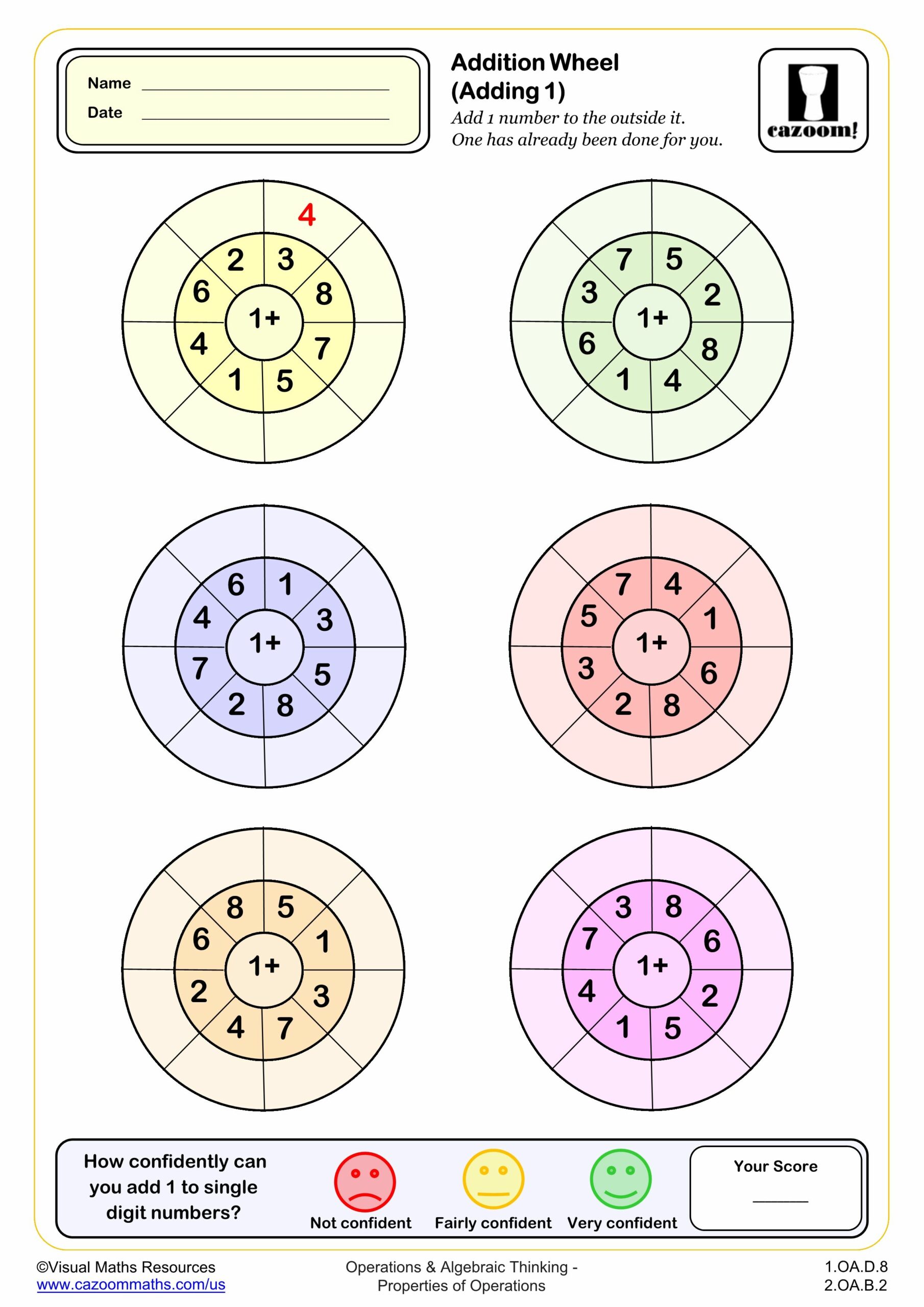
Addition Wheels (adding 2)
Grades: 1st Grade, 2nd Grade
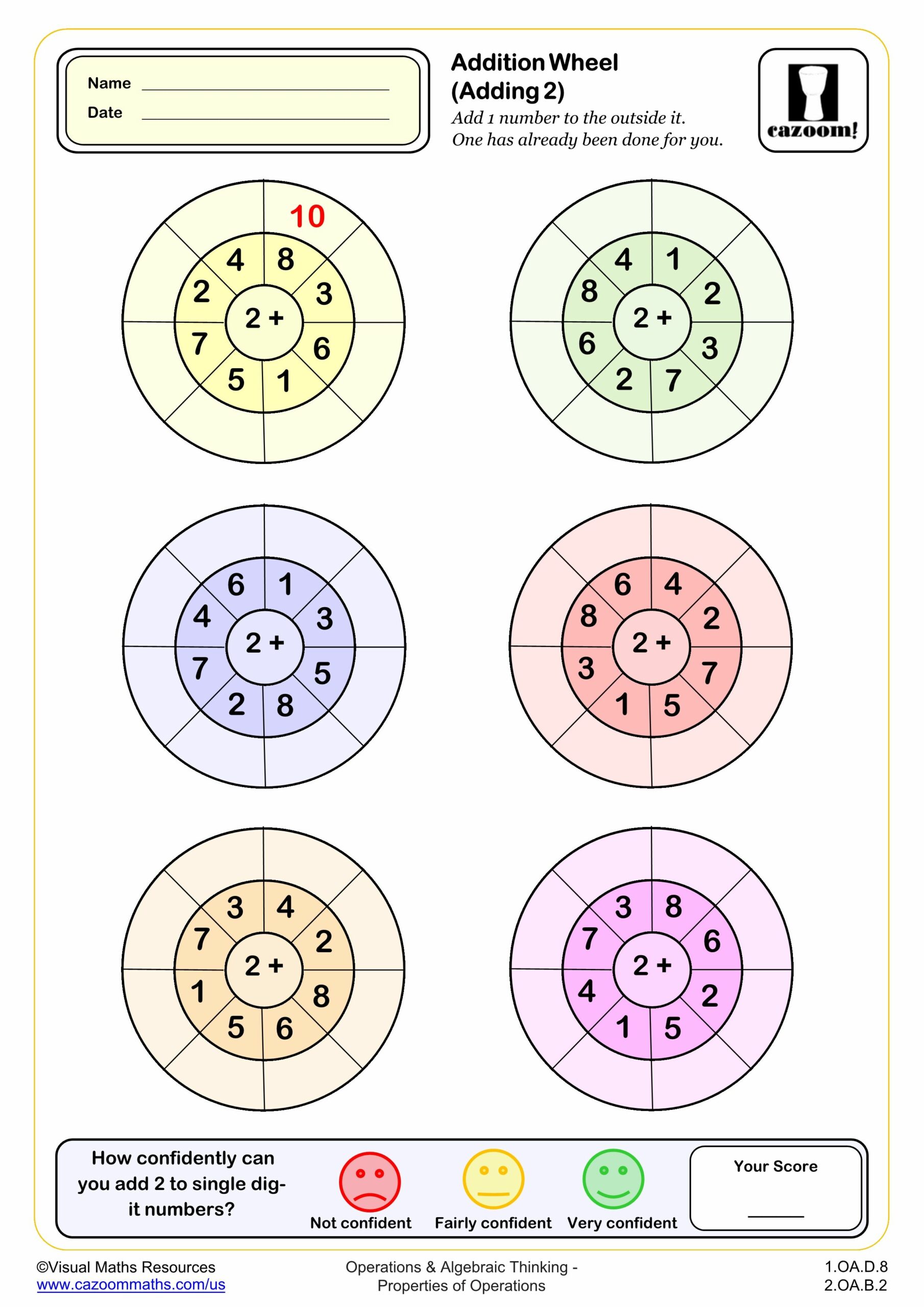
Addition Wheels (Up to 10)
Grades: 1st Grade, 2nd Grade
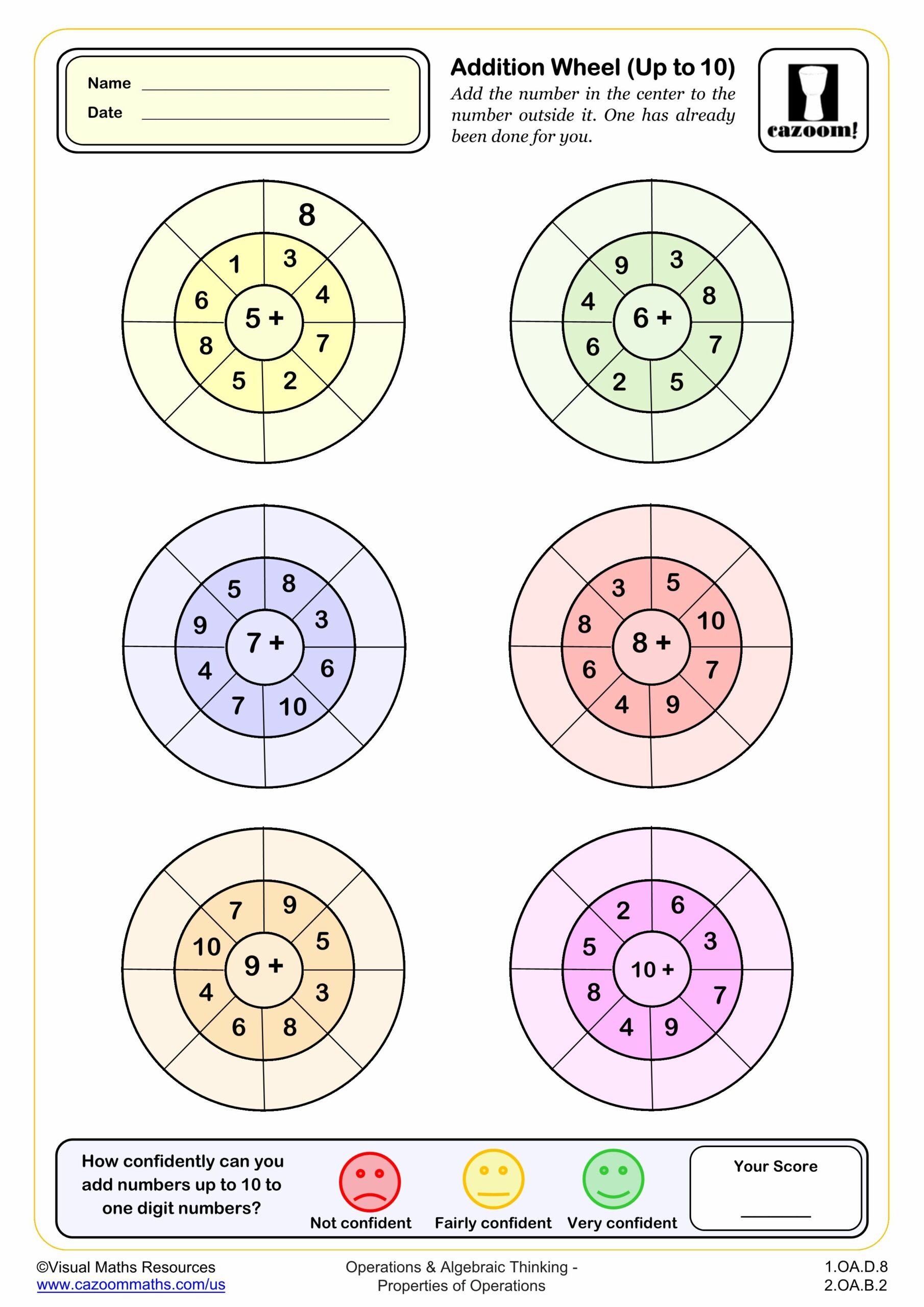
Addition Wheels (Up to 17)
Grades: 1st Grade, 2nd Grade
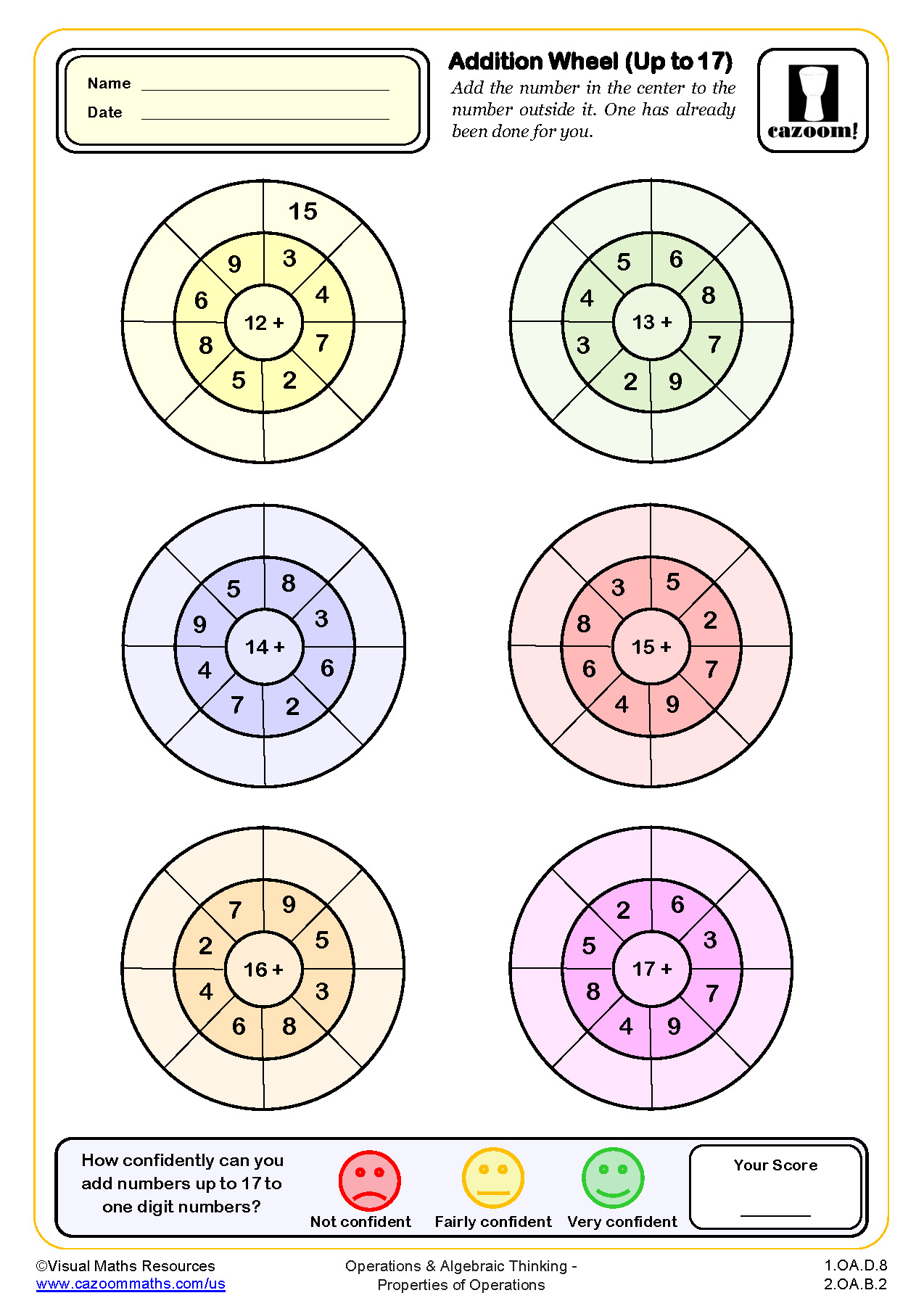
Addition Wheels (Up to 3)
Grades: 1st Grade, 2nd Grade
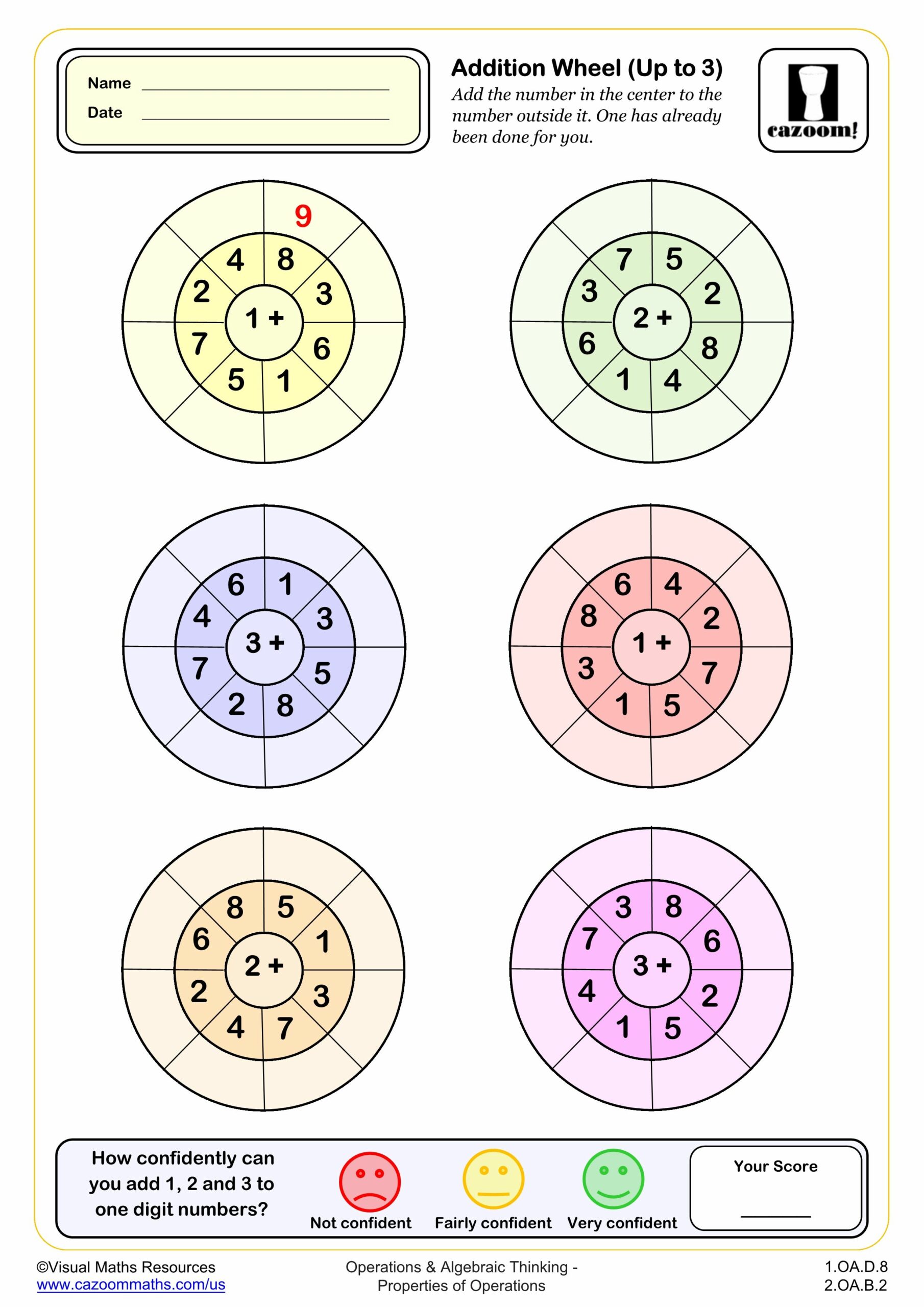
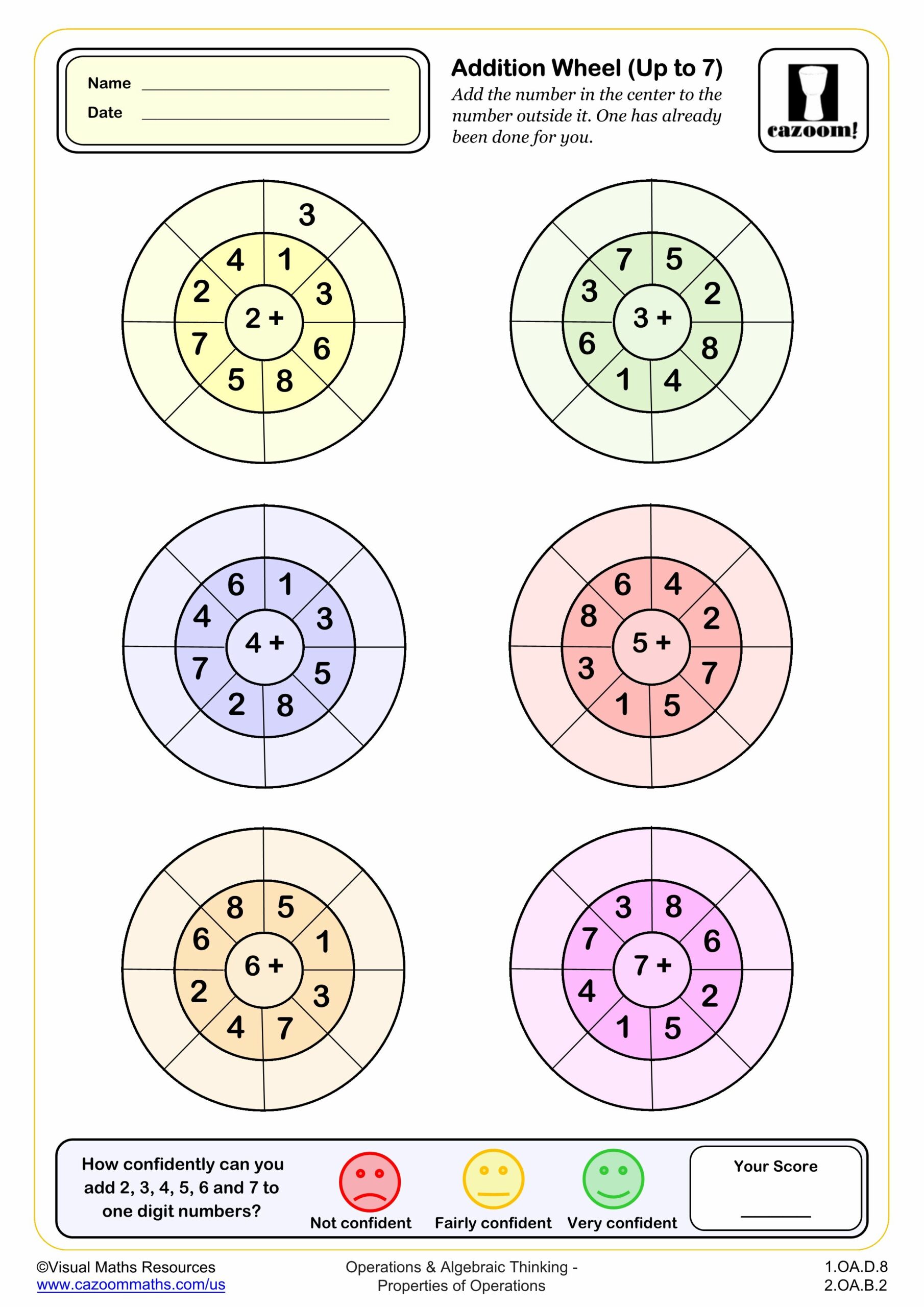
Addition Wheels (Up to 7)
Grades: 1st Grade, 2nd Grade
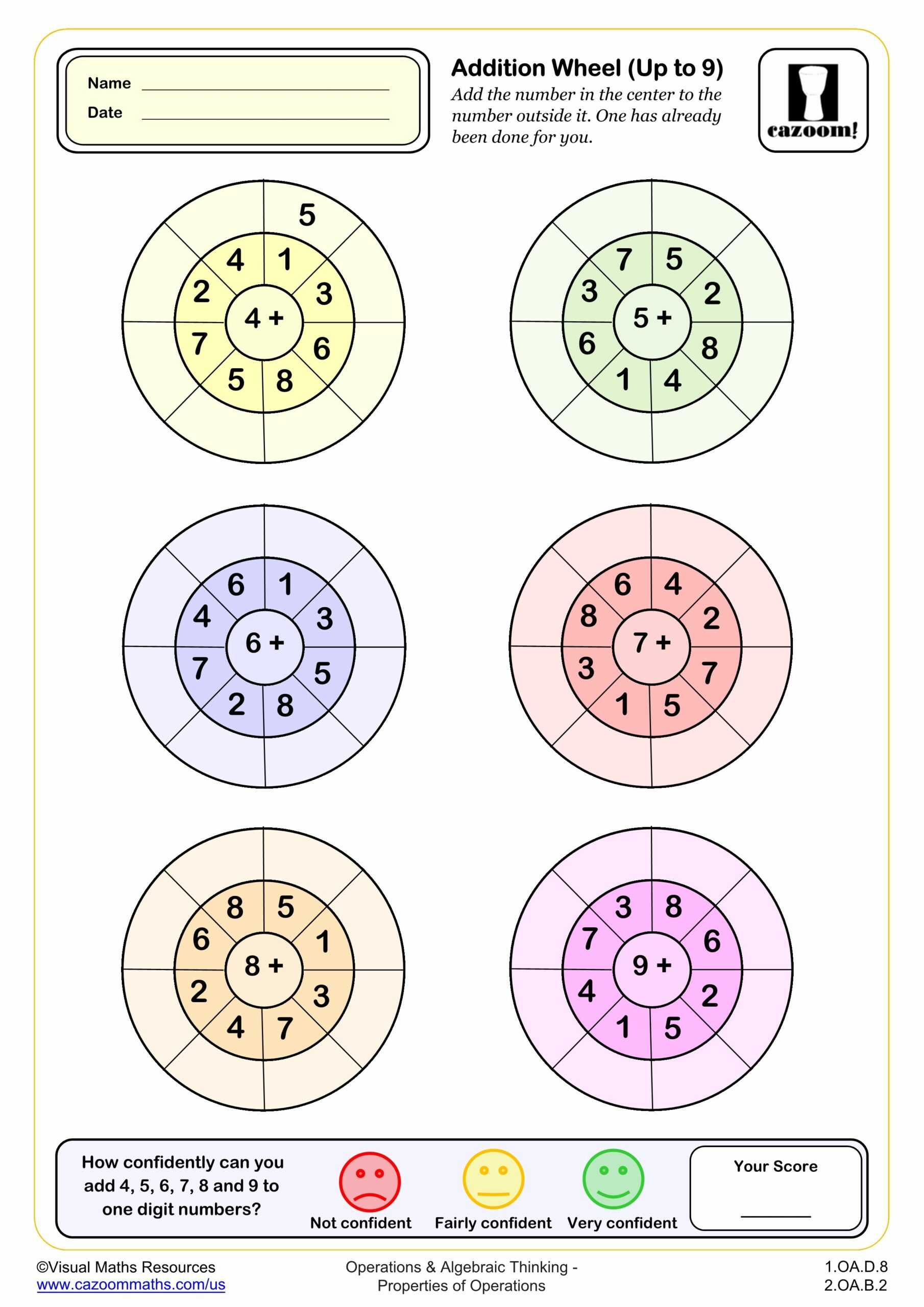
Addition Wheels (Up to 9)
Grades: 1st Grade, 2nd Grade
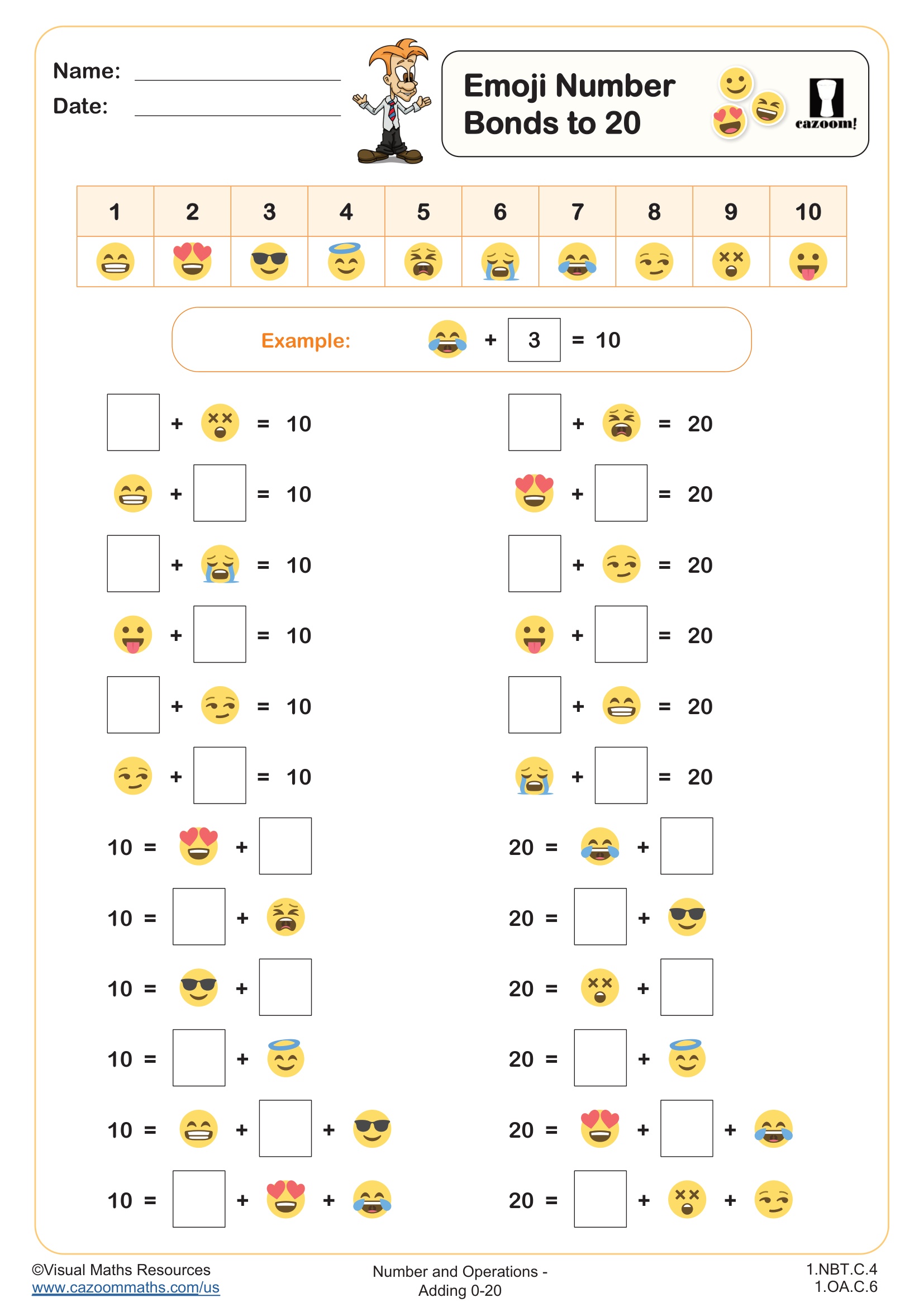
Emoji Number Bonds to 20
Grades: 1st Grade
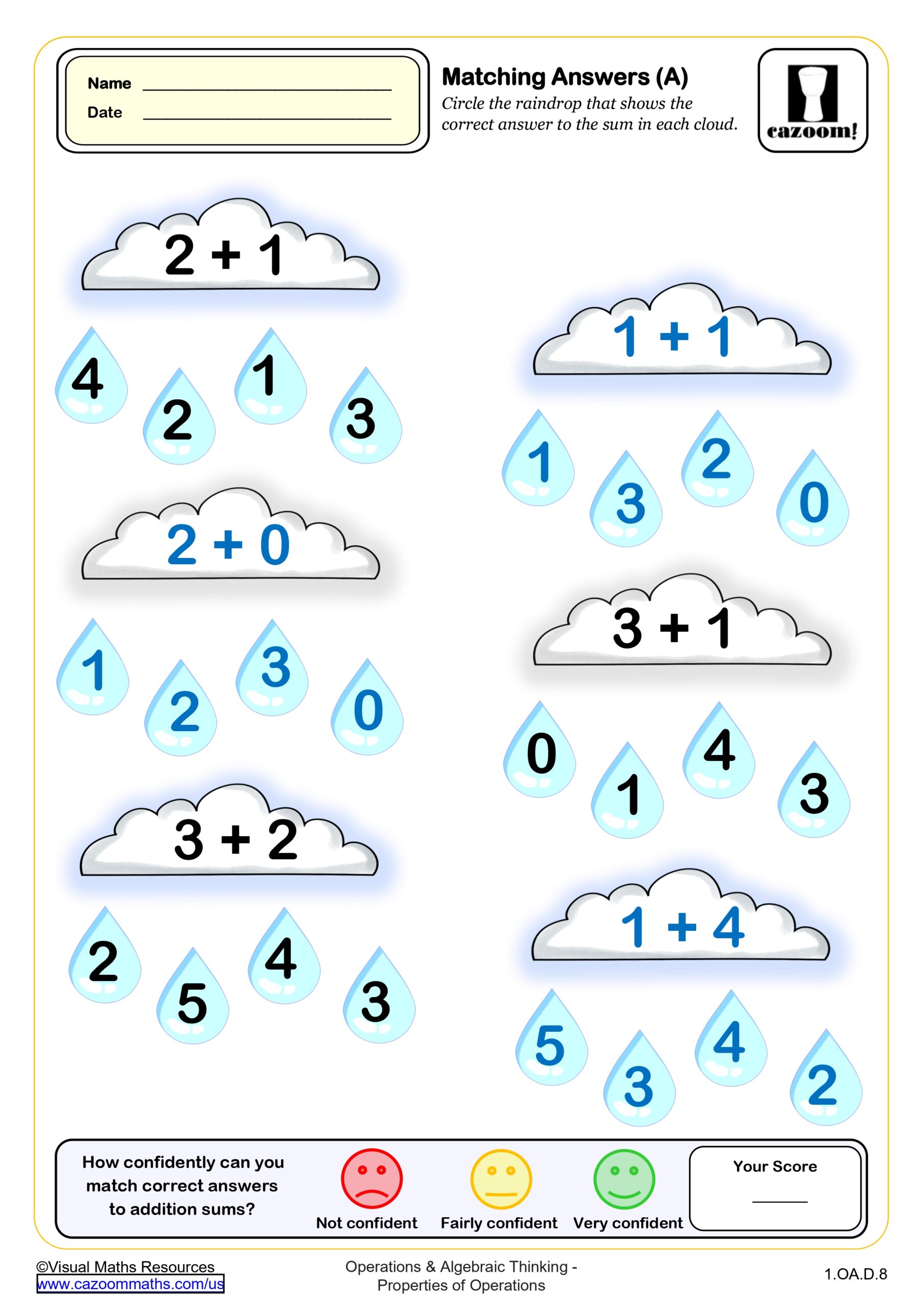
Matching Answers (A)
Grades: 1st Grade, 2nd Grade
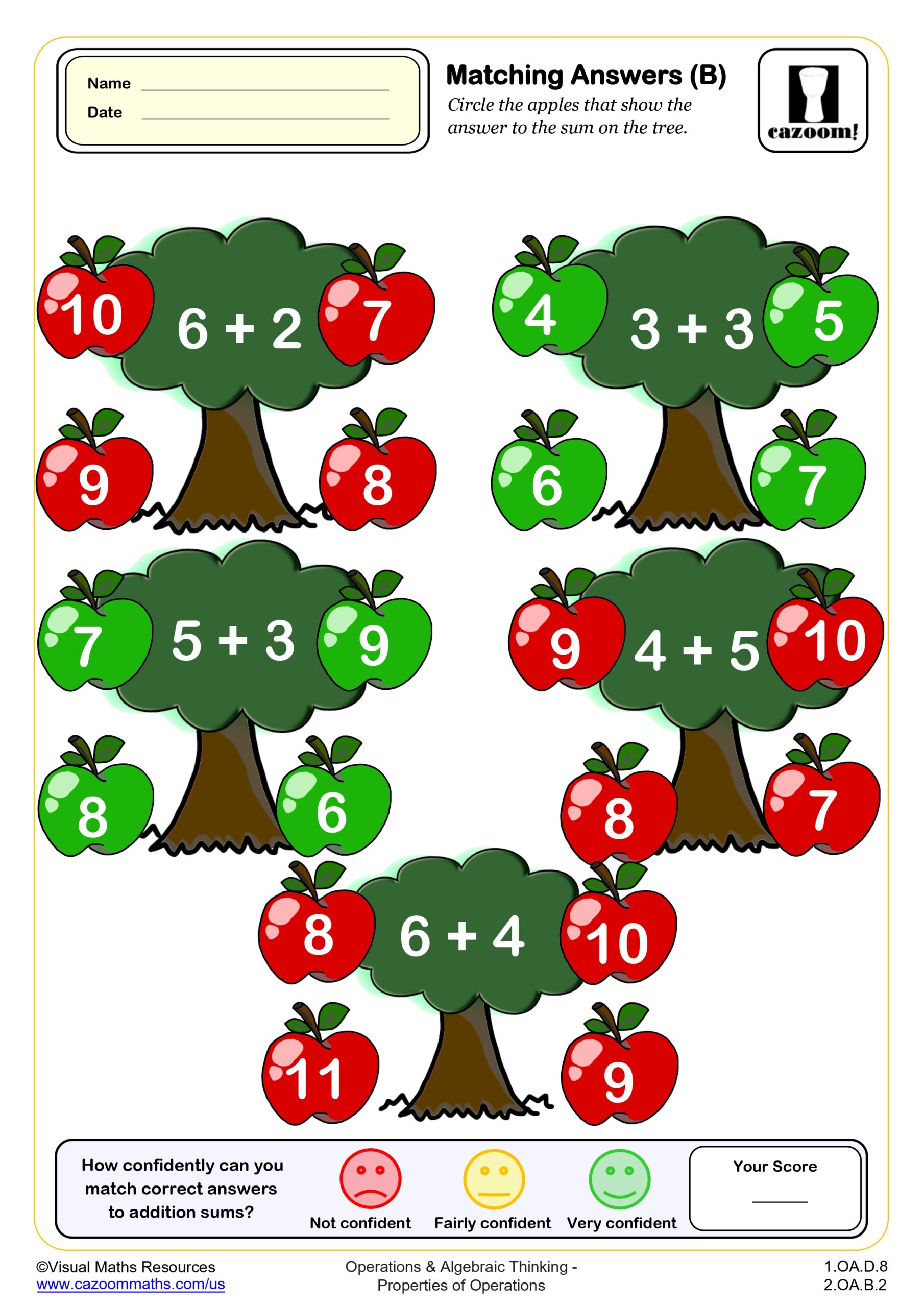
Matching Answers (B)
Grades: 1st Grade, 2nd Grade
All worksheets are created by the team of experienced teachers at Cazoom Math.
What makes addition 0-20 worksheets effective for building math fluency?
Addition 0-20 worksheets target the critical number bonds within 20 that students must master for mathematical fluency. These worksheets align with Common Core standards 1.OA.6 and 2.OA.2, which emphasize fluent addition and subtraction within 20. The systematic practice helps students recognize patterns and develop strategies like making ten, doubles, and near doubles.
Teachers consistently observe that students who master these basic facts show significantly improved performance in multi-digit operations later. The key is providing enough varied practice so students can recall facts automatically rather than relying on counting strategies. Including an adding 0 worksheet component helps students understand the identity property while building confidence with easier problems before progressing to more challenging combinations.
Which grade levels benefit most from addition 1-20 worksheets for kindergarten and beyond?
Addition 1-20 worksheets serve multiple grade levels, starting with kindergarten students learning basic number combinations and extending through second grade for fluency building. Kindergarteners typically begin with sums to 10, while first graders work toward fluency with all combinations within 20. Second graders use these worksheets for maintenance and automatic recall development.
Special education teachers find these worksheets particularly valuable for older students who need to strengthen foundational skills. The progression from concrete manipulatives to abstract number problems helps bridge learning gaps. Third grade teachers often use these as warm-up activities or intervention materials, since students who haven't mastered basic facts struggle significantly with multi-digit addition and subtraction algorithms.
How do addition to 20 worksheets address the make-ten strategy effectively?
Addition to 20 worksheets systematically introduce the make-ten strategy, which is fundamental for mental math fluency. Students learn to decompose numbers to create groups of ten, such as solving 8+5 by thinking 8+2+3 or 10+3=13. This strategy appears throughout these worksheet collections with visual supports and guided practice.
Math teachers report that students who master the make-ten strategy show remarkable improvement in computational fluency and number sense. The worksheets progress from problems with clear ten-frame representations to abstract number sentences. Students initially struggle to see when this strategy is helpful, but consistent practice with varied problem types builds automatic recognition of opportunities to use this efficient mental math approach.
What teaching strategies work best when using these addition worksheets in the classroom?
Effective implementation of addition 0-20 worksheets requires strategic pacing and differentiation. Teachers should begin each session with a brief warm-up focusing on number bonds students already know, then introduce one or two new combinations. The answer keys allow for immediate feedback, which research shows significantly improves learning outcomes when used promptly.
Successful teachers often pair worksheet practice with manipulatives like counting bears or ten frames, especially for visual learners. They also recommend timing practice once students demonstrate accuracy, as fluency requires both correctness and speed. Many teachers create station rotations where some students work independently on worksheets while others receive targeted small-group instruction, maximizing the benefit for students at different mastery levels.