Units and Dimensions Math Worksheets
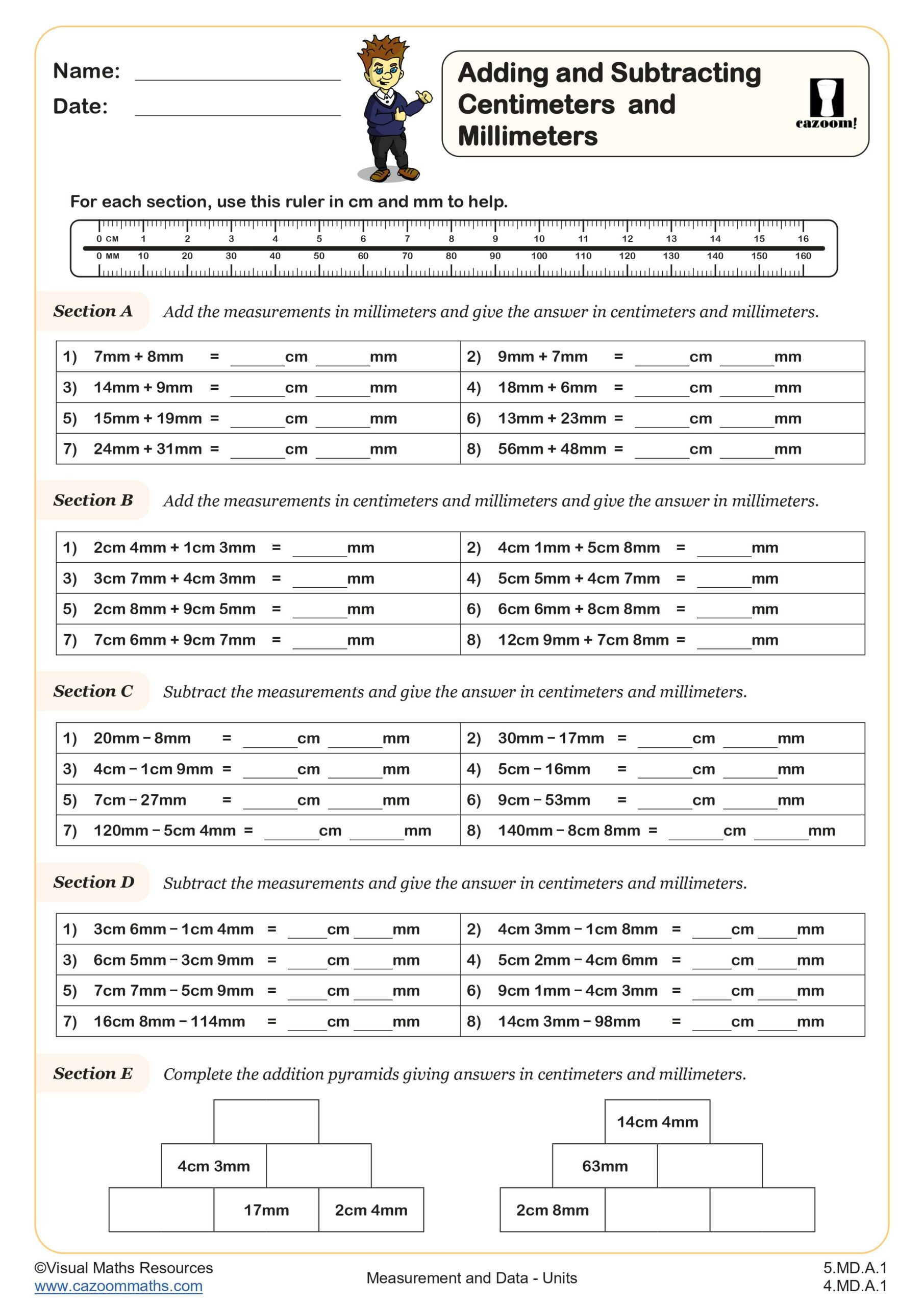
Adding and Subtracting Centimeters and Millimeters
Grades: 4th Grade, 5th Grade
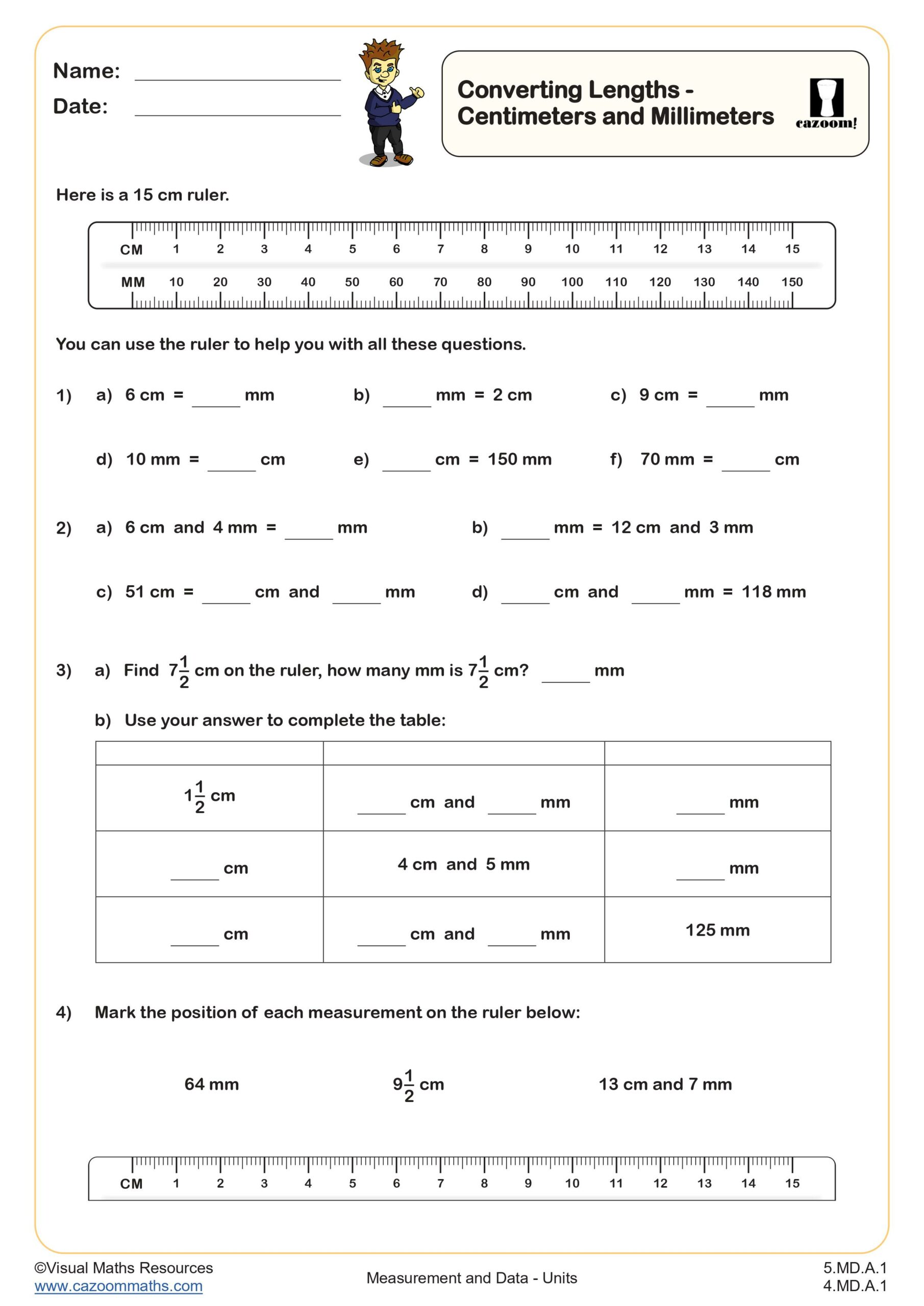
Converting Lengths - Centimeters and Millimeters
Grades: 4th Grade, 5th Grade
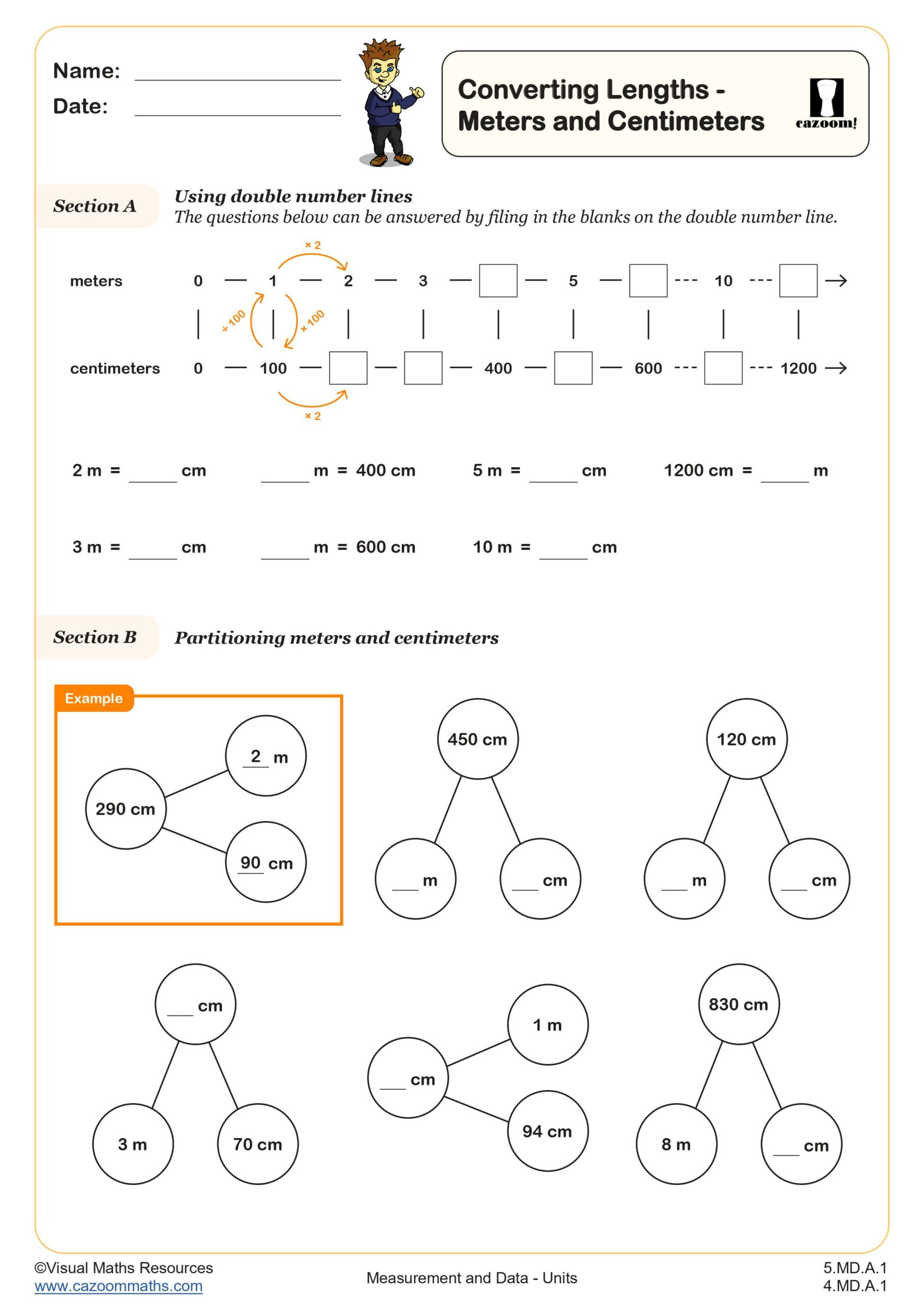
Converting Lengths - Meters and Centimeters
Grades: 4th Grade, 5th Grade
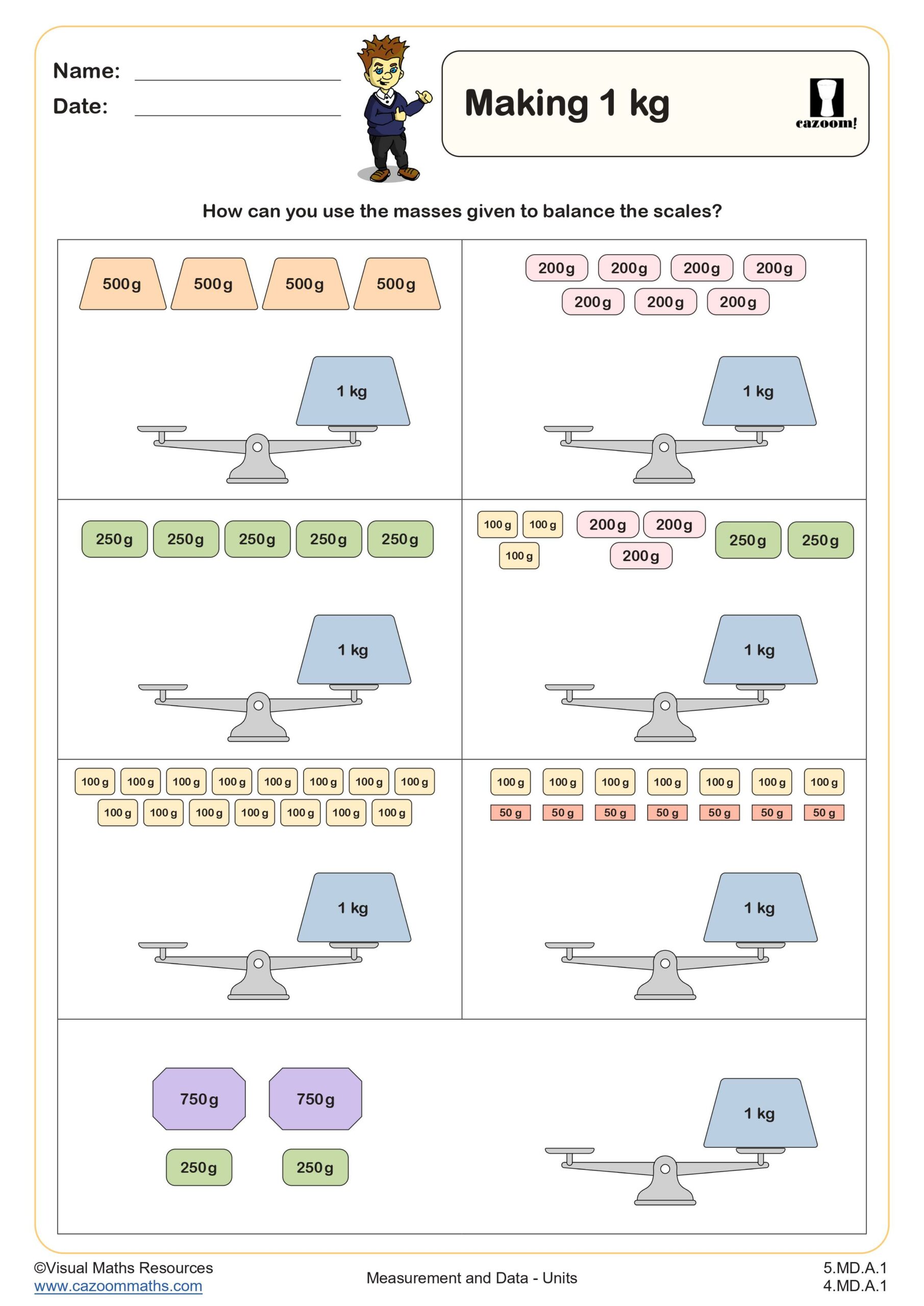
Making 1 kg
Grades: 4th Grade, 5th Grade
Making 1 l
Grades: 4th Grade, 5th Grade
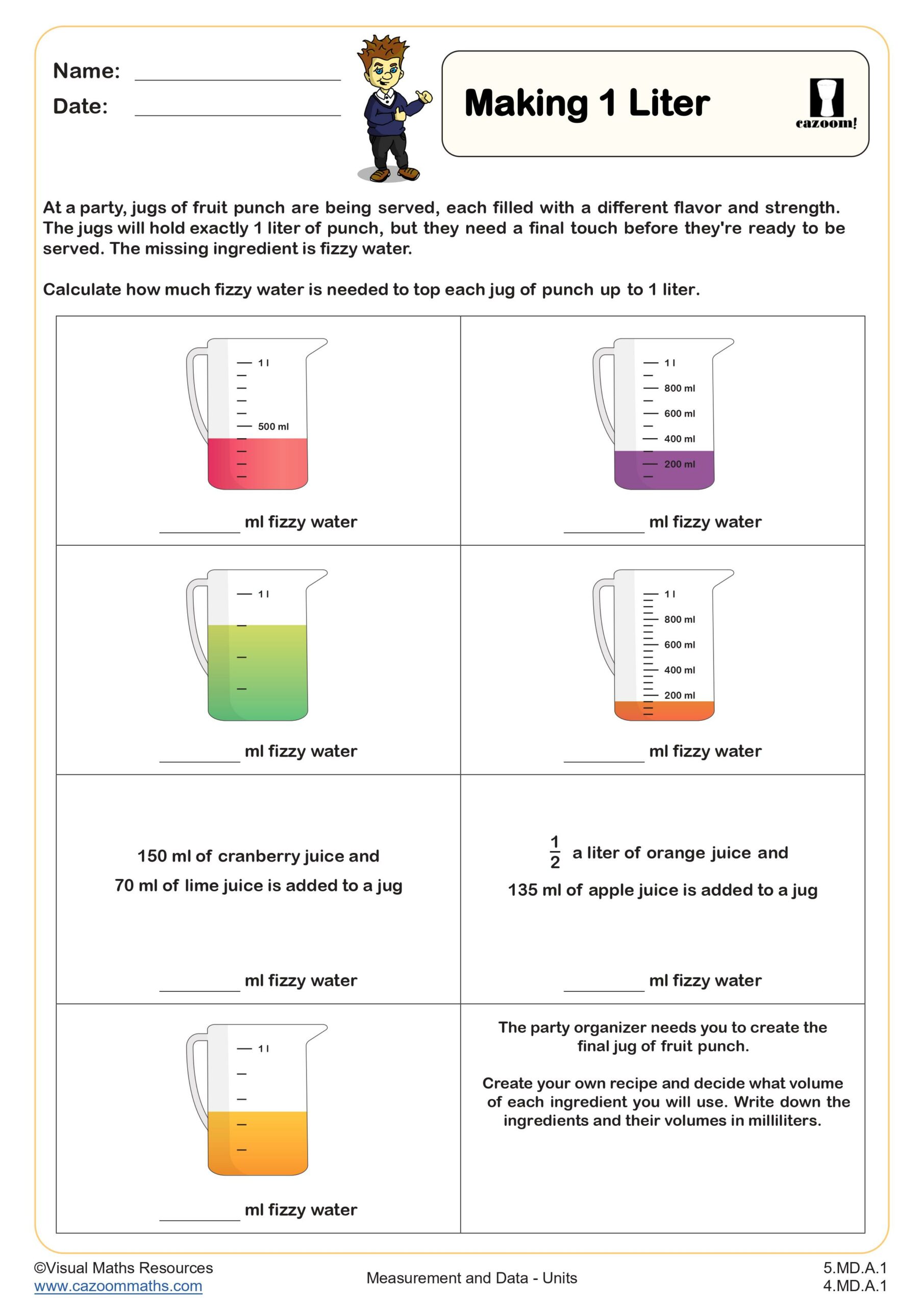
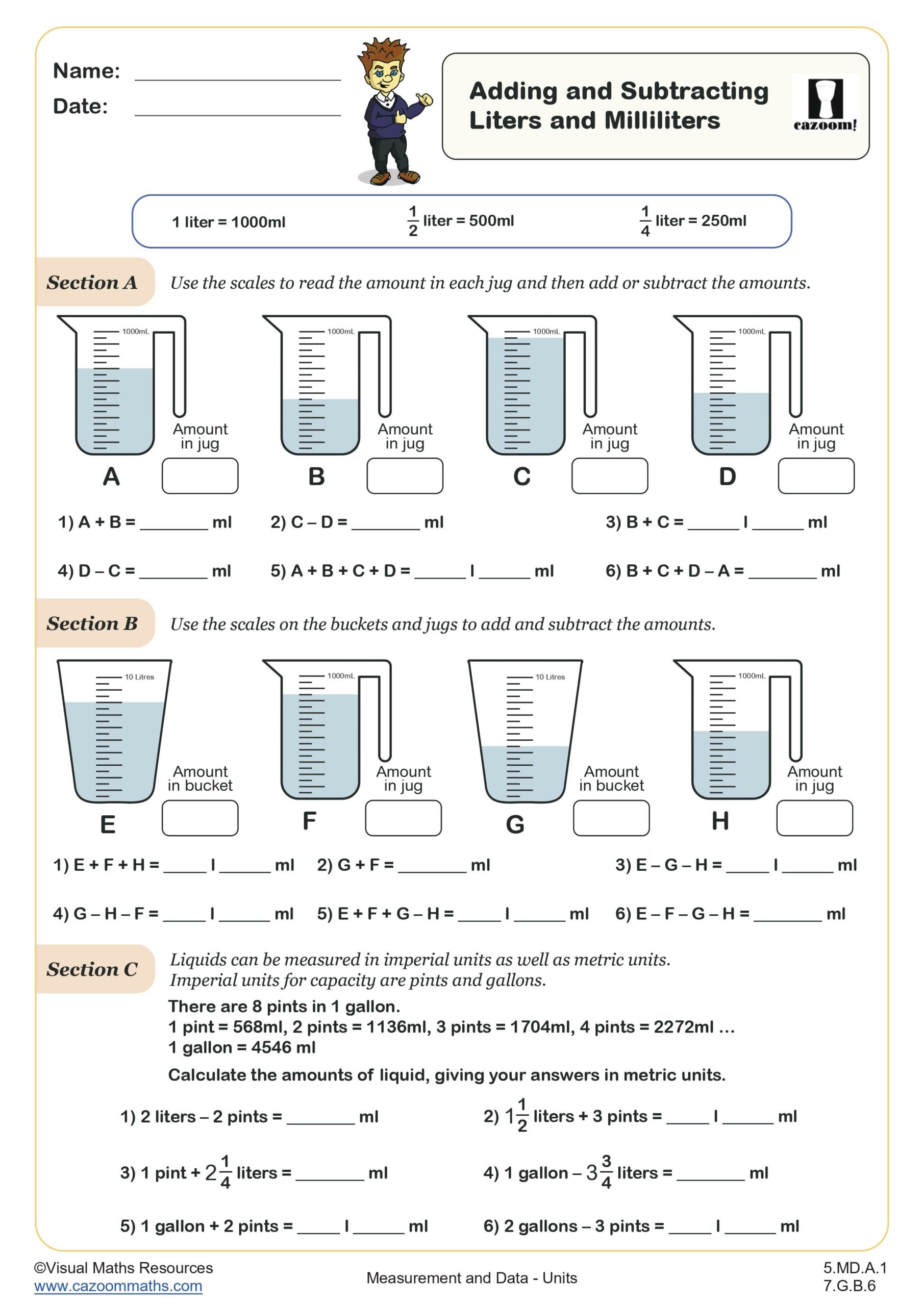
Adding and Subtracting Liters and Milliliters
Grades: 5th Grade, 7th Grade
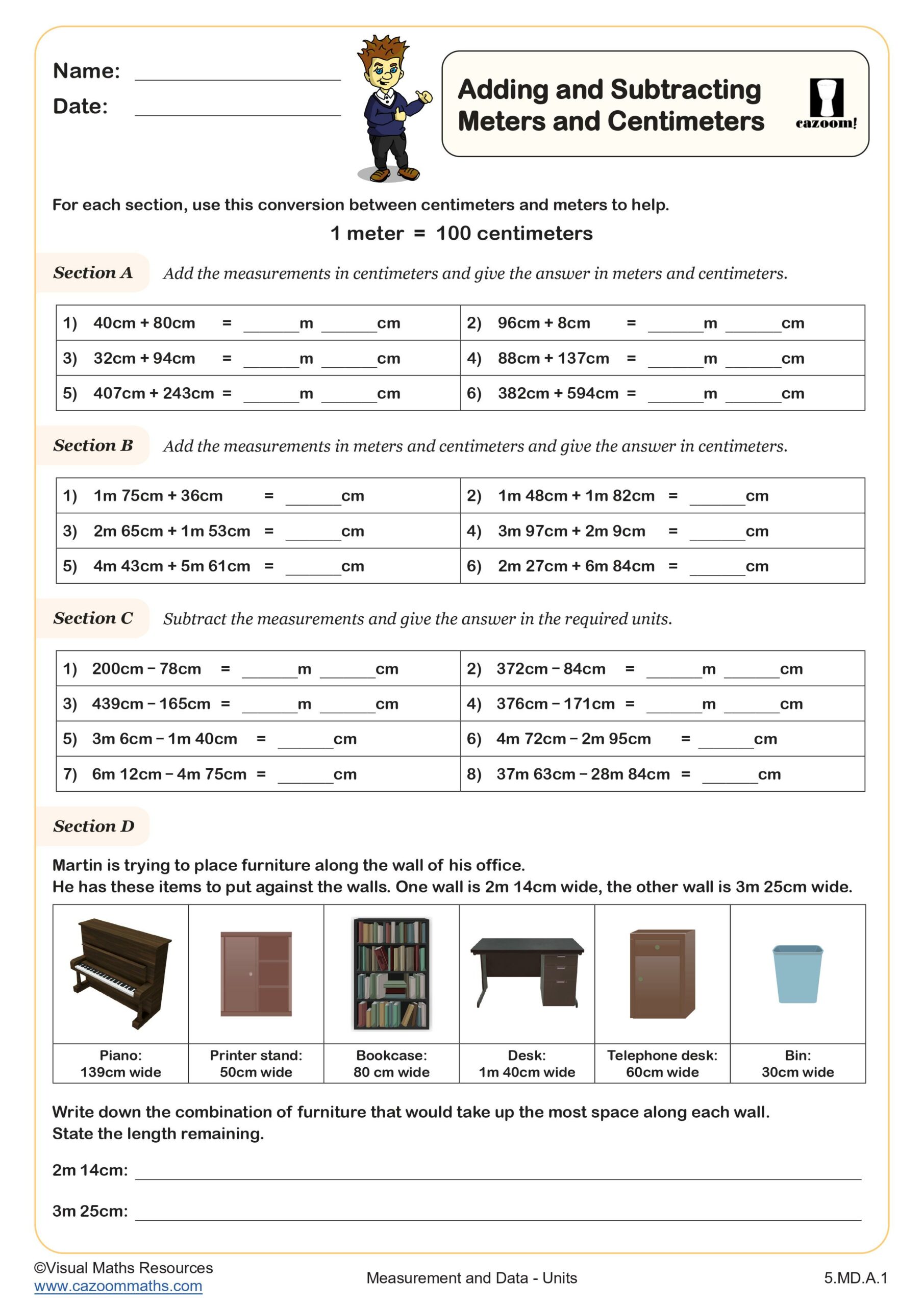
Adding and Subtracting Meters and Centimeters
Grades: 5th Grade
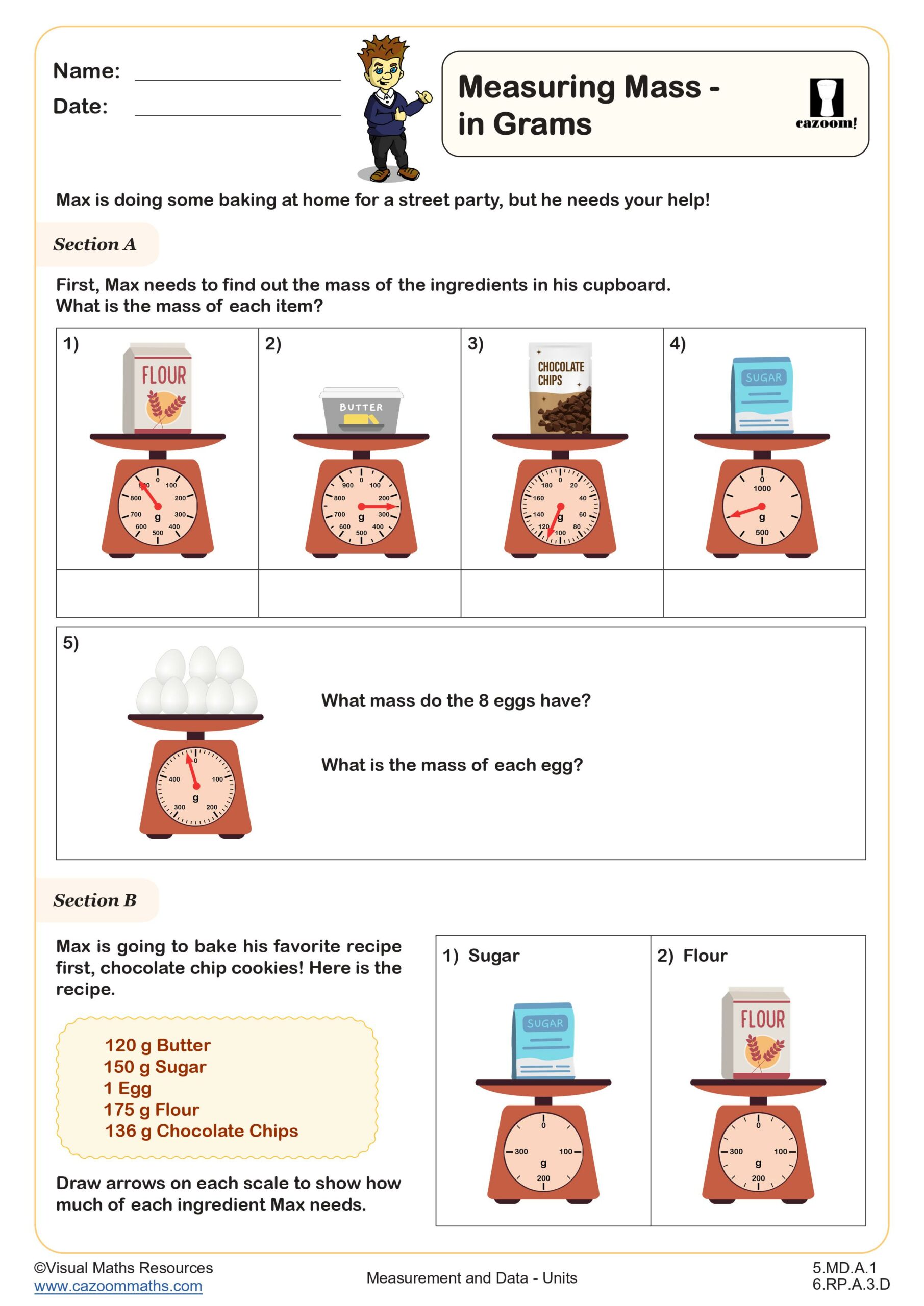
Measure Mass - in Grams
Grades: 5th Grade, 6th Grade
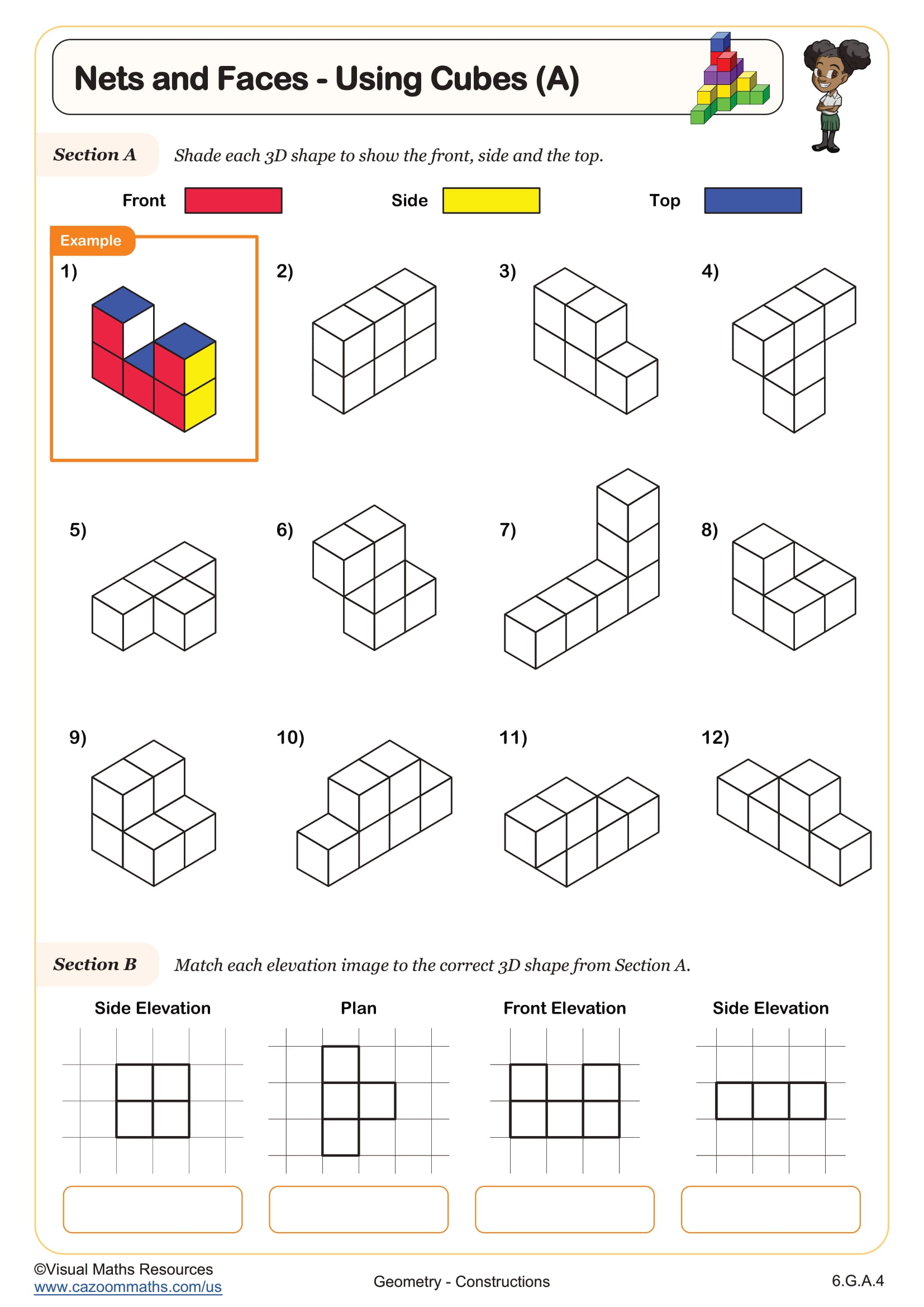
Nets and Faces - Using Cubes (A)
Grades: 6th Grade
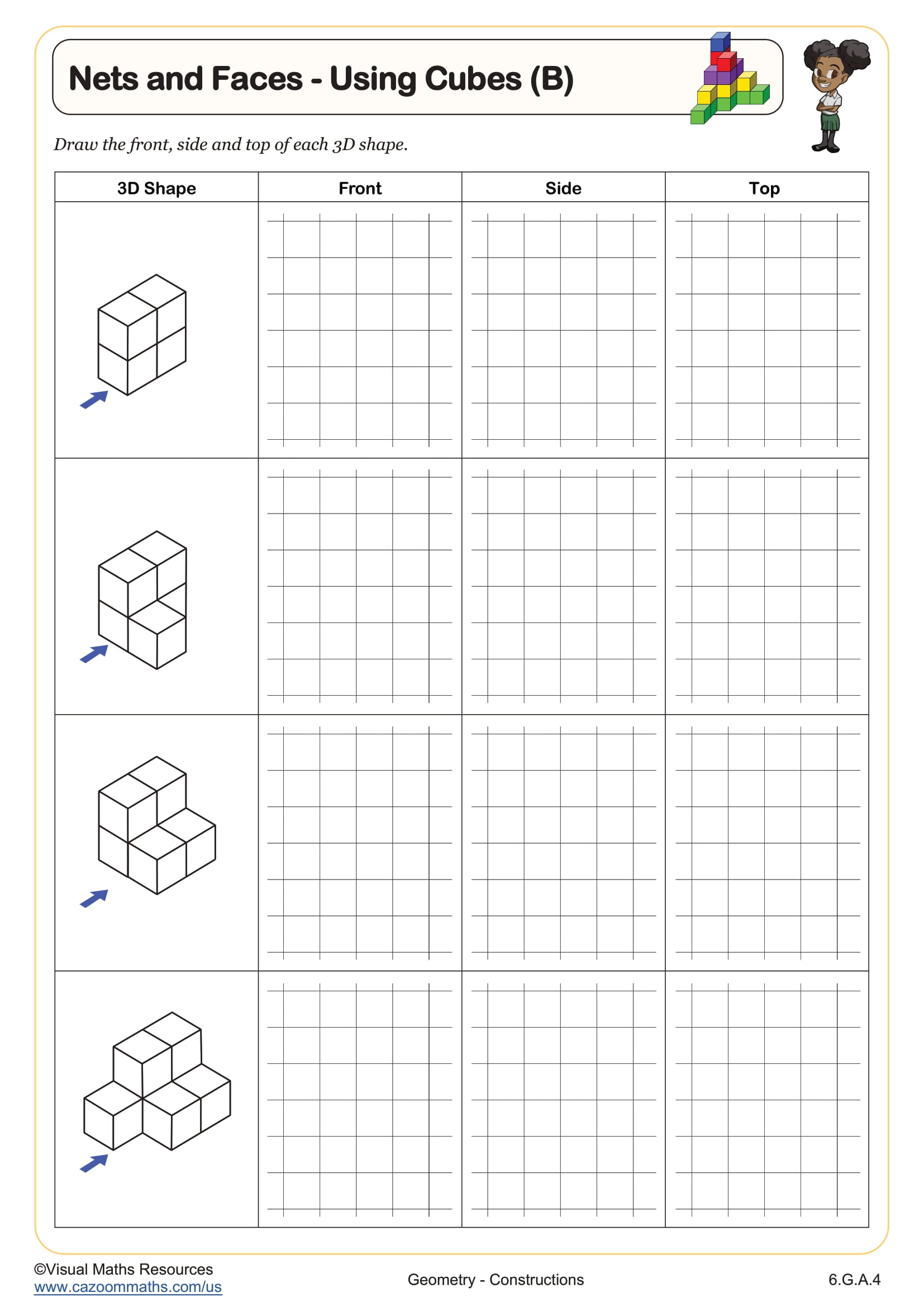
Nets and Faces - Using Cubes (B)
Grades: 6th Grade
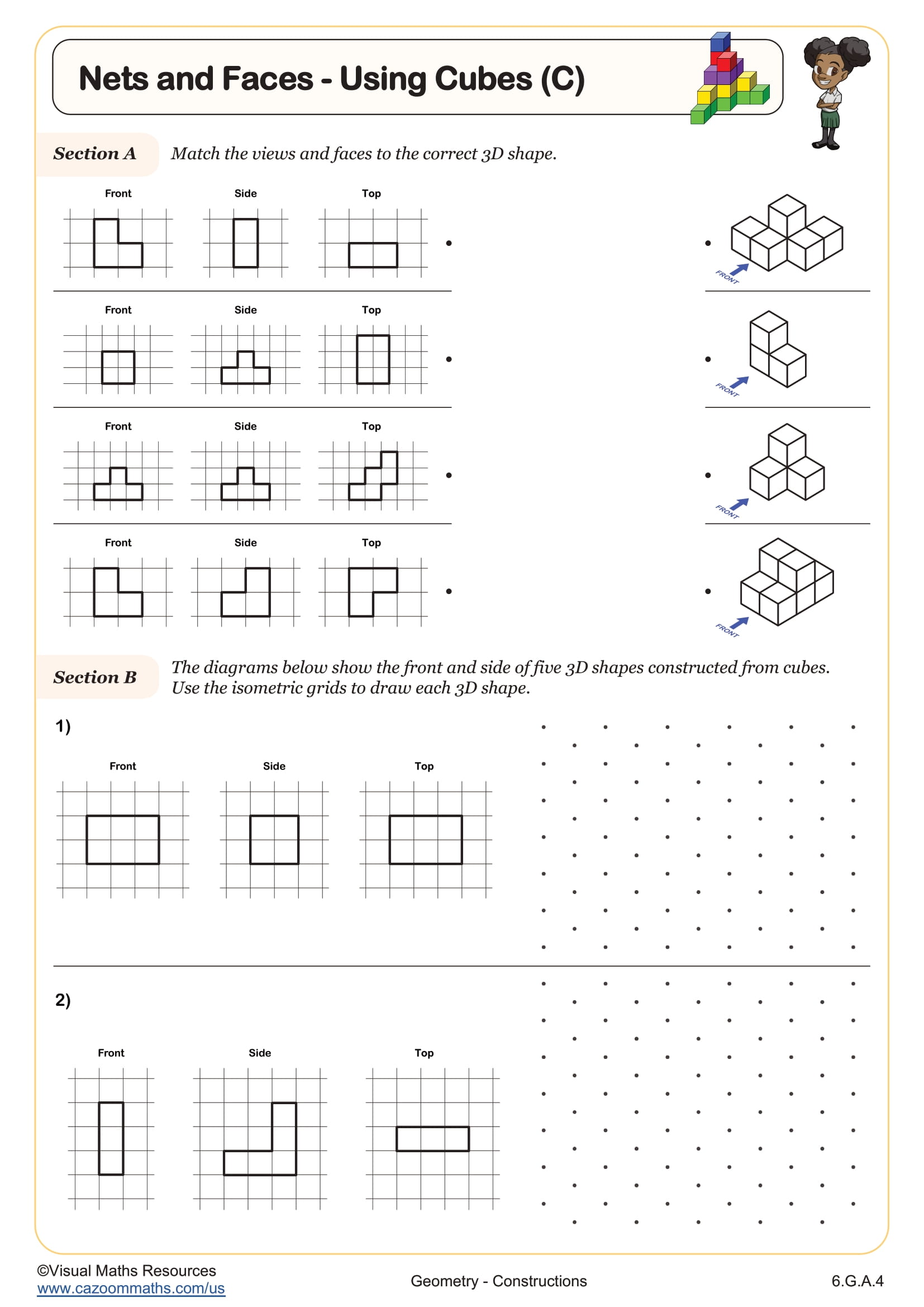
Nets and Faces - Using Cubes (C)
Grades: 6th Grade
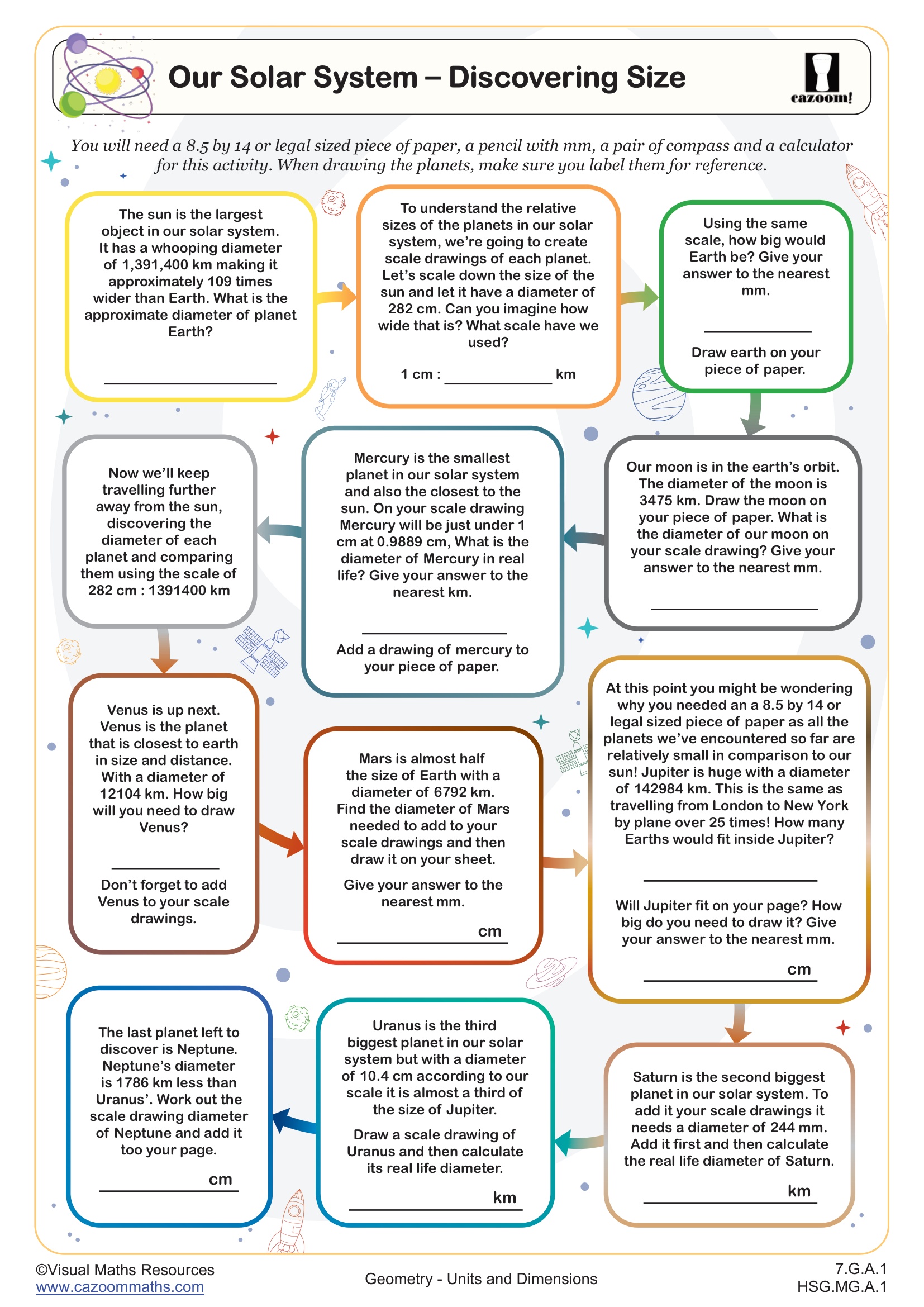
Our Solar System- Discovering Size
Grades: 7th Grade, Geometry, IM 2
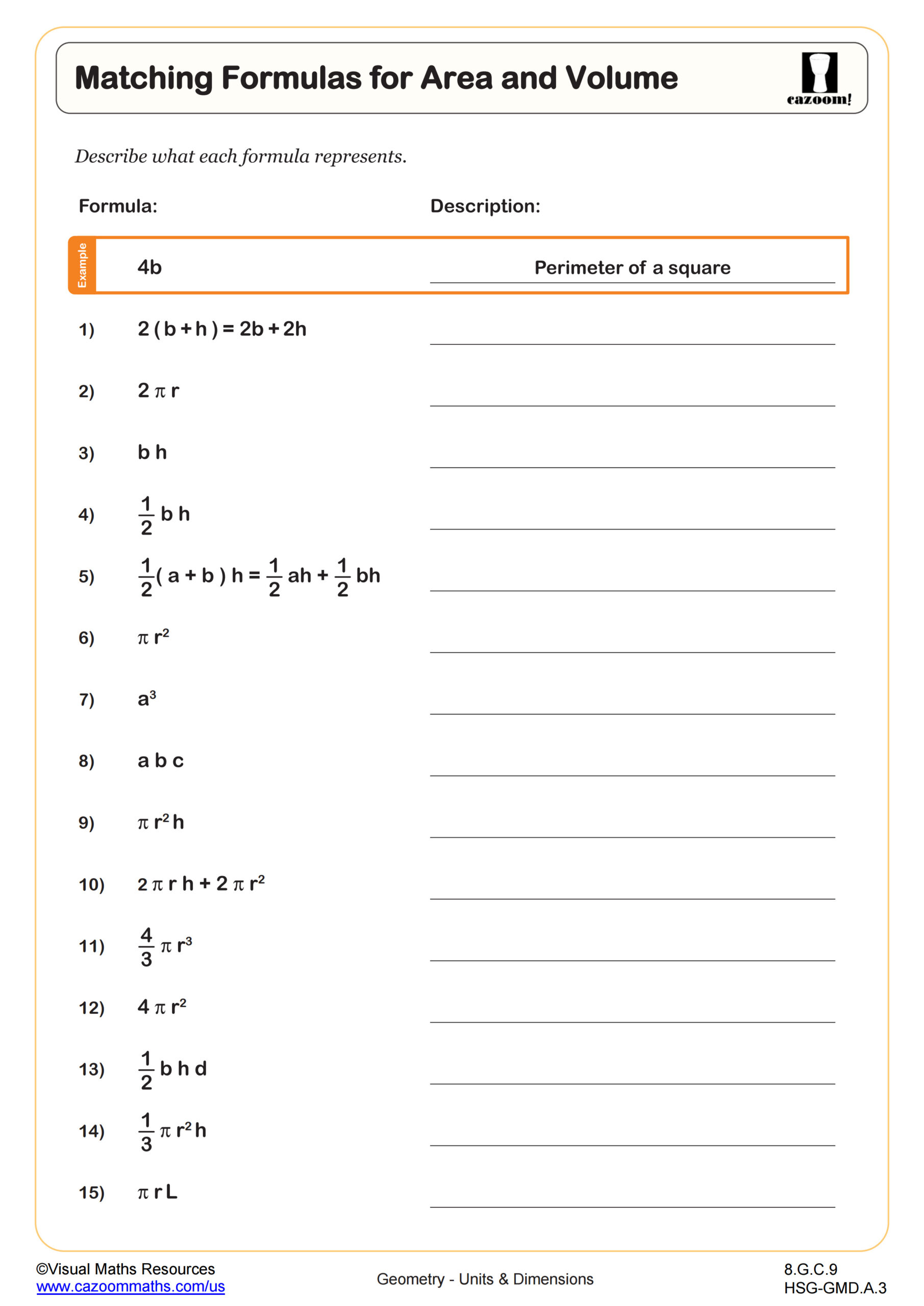
Matching Formulas for Area and Volume
Grades: 8th Grade, Geometry
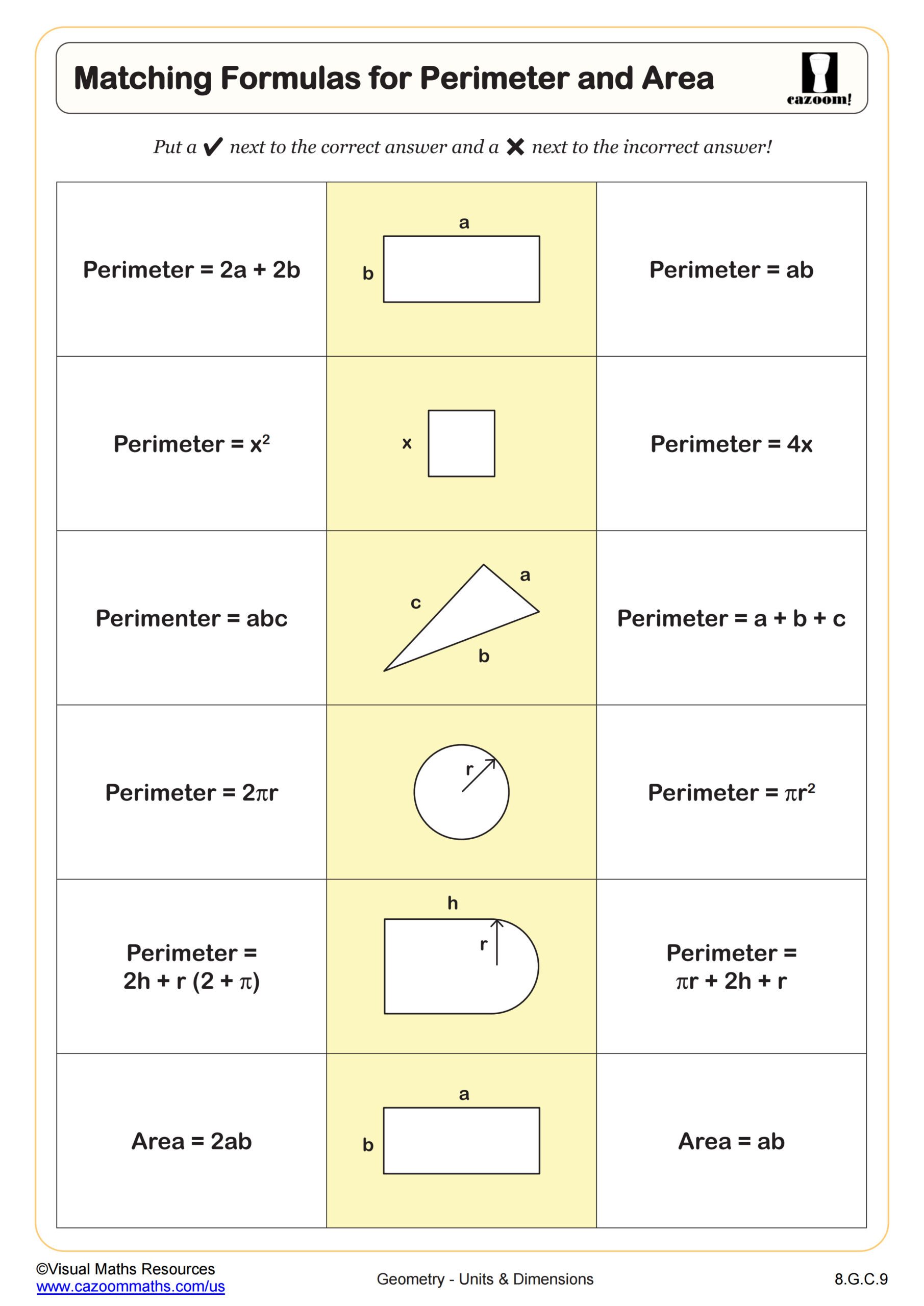
Matching Formulas for Perimeter and Area
Grades: 8th Grade
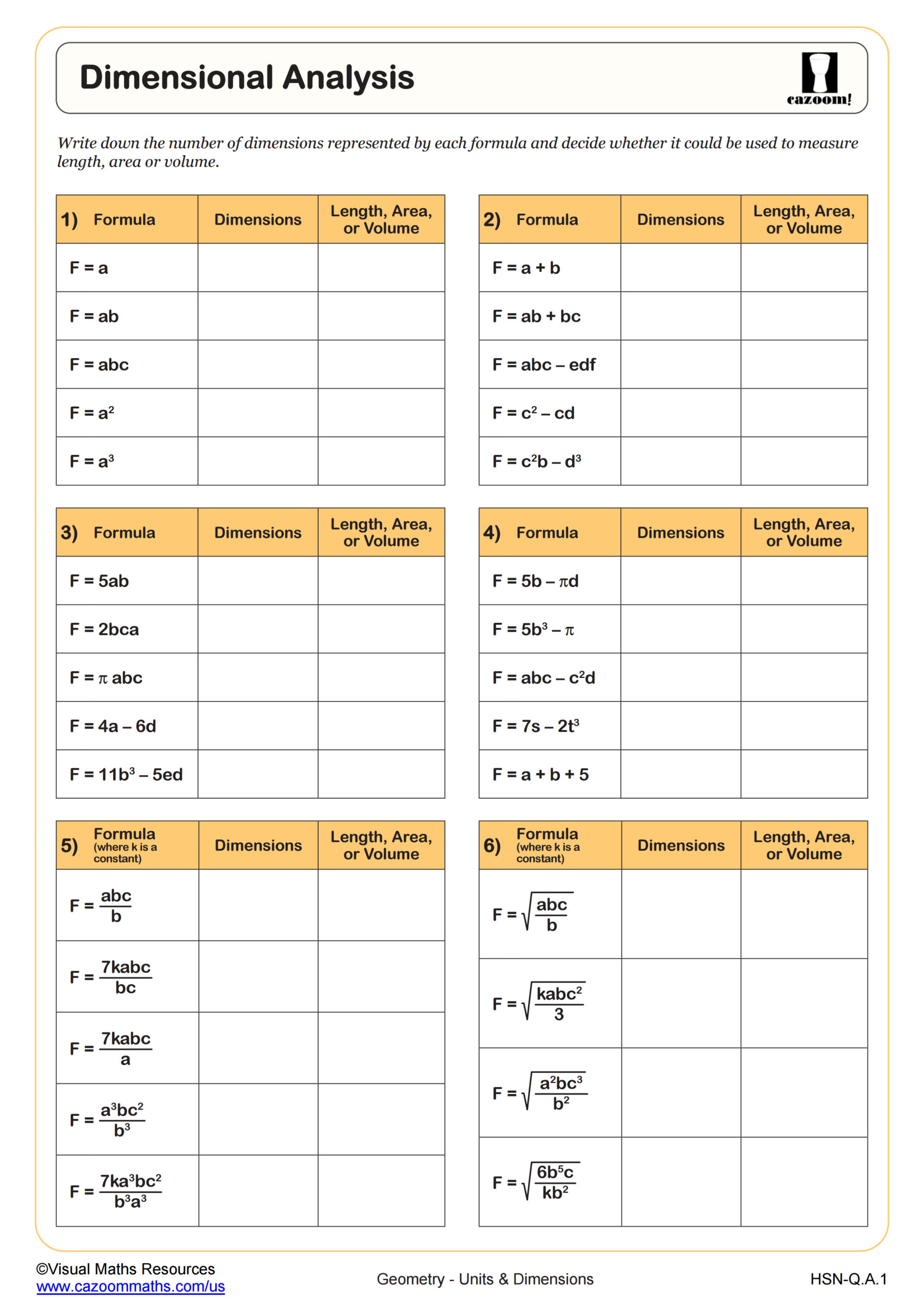
Dimensional Analysis
Grades: Geometry, Algebra II
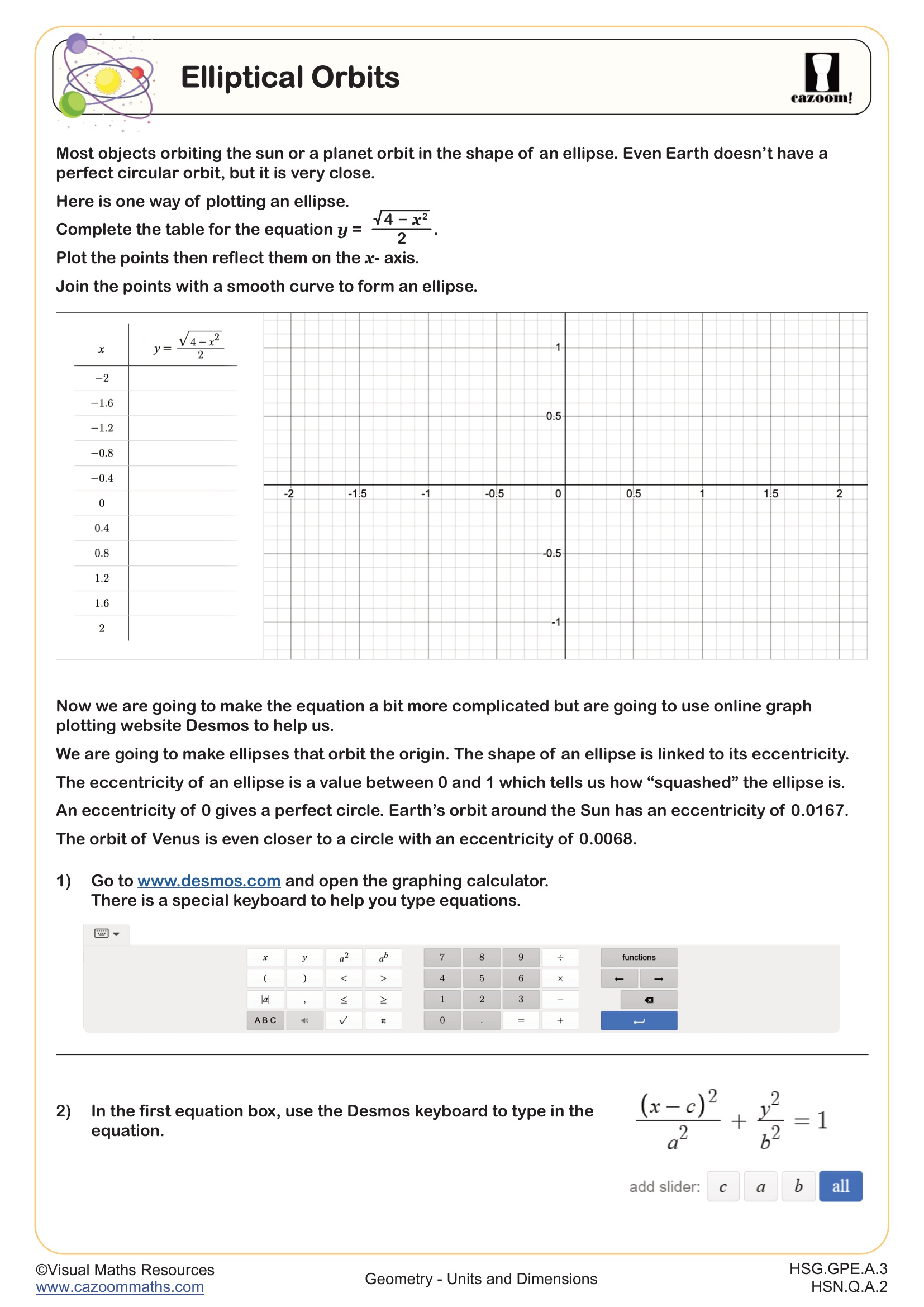
Elliptical Orbits
Grades: Geometry, IM 2
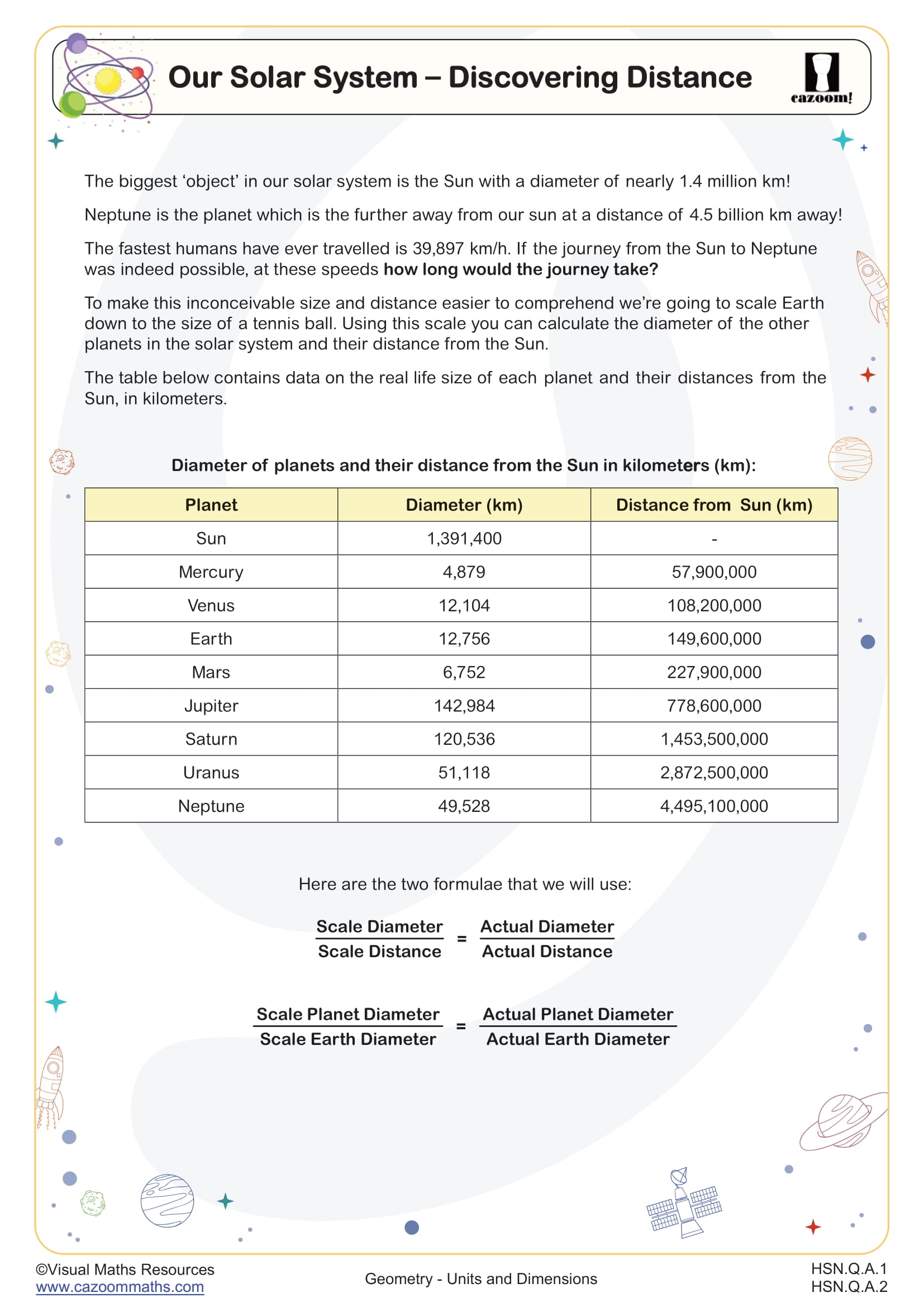
Our Solar System- Discovering Size and Distance
Grades: Geometry, IM 2
All worksheets are created by the team of experienced teachers at Cazoom Math.
What skills do dimensions math worksheets help students develop?
Dimensions math worksheets focus on building students' ability to work with units of measurement, convert between different measurement systems, and apply dimensional analysis to solve problems. These skills align with Common Core standards for measurement and data across elementary and middle school levels, as well as supporting high school physics and chemistry coursework.
Teachers consistently observe that students who master dimensional analysis early show stronger performance in science classes later. The worksheets typically include problems involving length, area, volume, mass, and time conversions, helping students recognize when answers don't make dimensional sense - a critical skill for catching calculation errors.
Which grade levels benefit most from units and dimensions practice?
Units and dimensions concepts span from elementary through high school, with complexity building at each level. Elementary students work with basic measurements and simple conversions, while middle schoolers tackle more complex multi-step problems. High school students use dimensional analysis for chemistry stoichiometry and physics calculations.
Many teachers find that students need consistent review of measurement concepts because the abstract nature of unit conversion doesn't always stick after initial instruction. The progression from concrete measurements like measuring classroom objects to abstract calculations involving scientific notation requires sustained practice across multiple years.
How do these worksheets help with metric system conversions?
The worksheets provide systematic practice with metric prefixes and base units, helping students memorize key conversion factors and develop number sense for metric measurements. Students work through problems involving kilometers to meters, grams to kilograms, and liters to milliliters, building fluency with powers of ten.
Teachers notice that American students often struggle more with metric conversions than customary units since they have less daily experience with metric measurements. The worksheets include visual aids and step-by-step conversion methods that help students organize their work and avoid common errors like moving decimal points in the wrong direction.
What's the best way to use these worksheets in the classroom?
Teachers find success using these worksheets as warm-up activities, homework assignments, or assessment tools depending on where students are in their understanding. Starting with guided practice using the answer keys helps students learn proper setup and organization before attempting independent work.
Many educators recommend having students work in pairs initially, discussing their reasoning for each conversion step. This collaborative approach helps catch errors early and builds mathematical communication skills. The answer keys make it easy for teachers to provide quick feedback and identify which specific conversion types need additional instruction.
Prerequisite Knowledge Before Learning Units and Dimensions
Before working with units and dimensions, students should understand:
• Basic addition and subtraction
• Number comparison (greater than, less than)
• Counting and grouping items
• Familiarity with time, length, and weight vocabulary
Our worksheets gradually introduce more complex ideas while reinforcing these core skills. This helps learners build a solid understanding of measurement at their own pace.